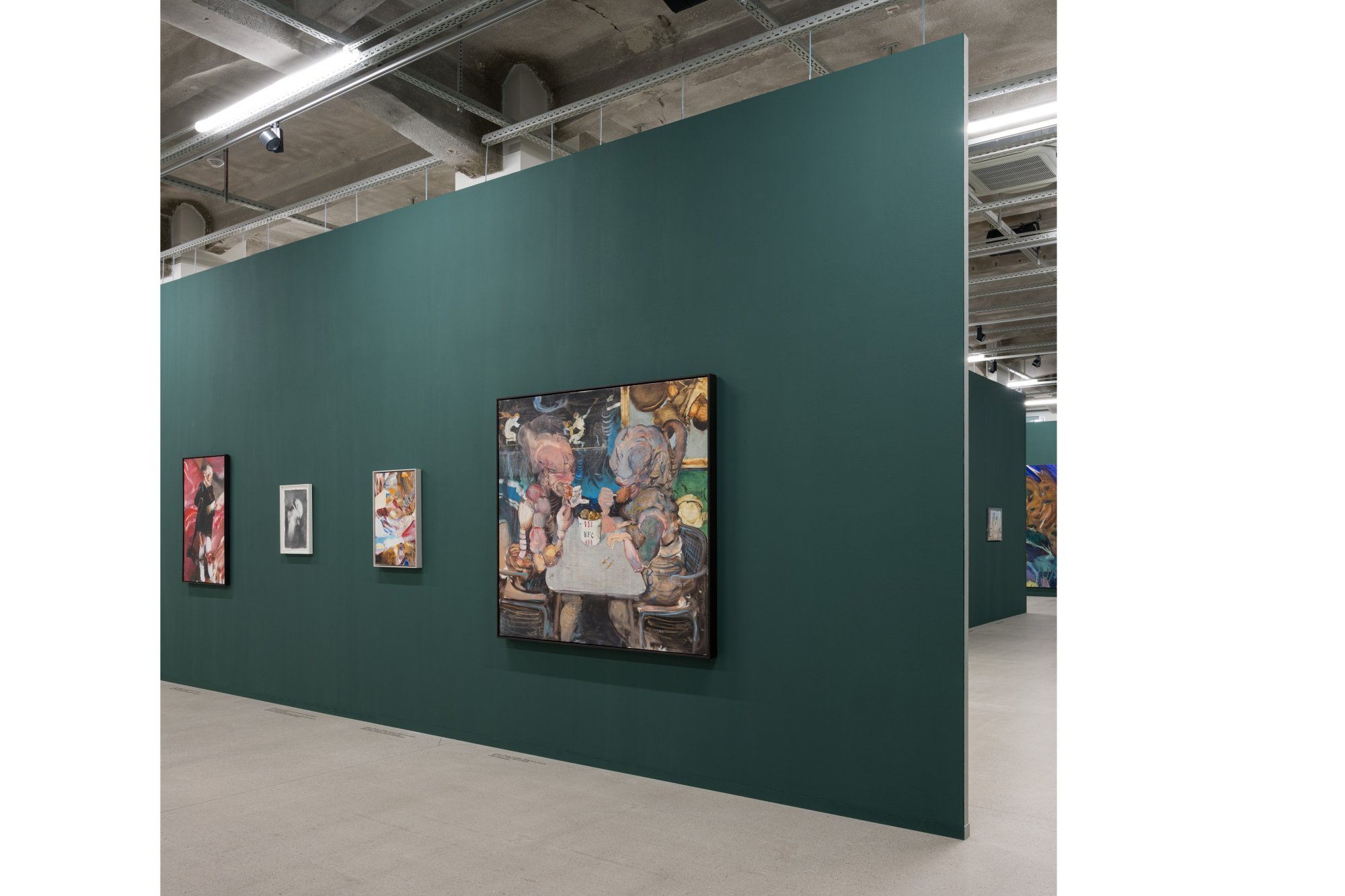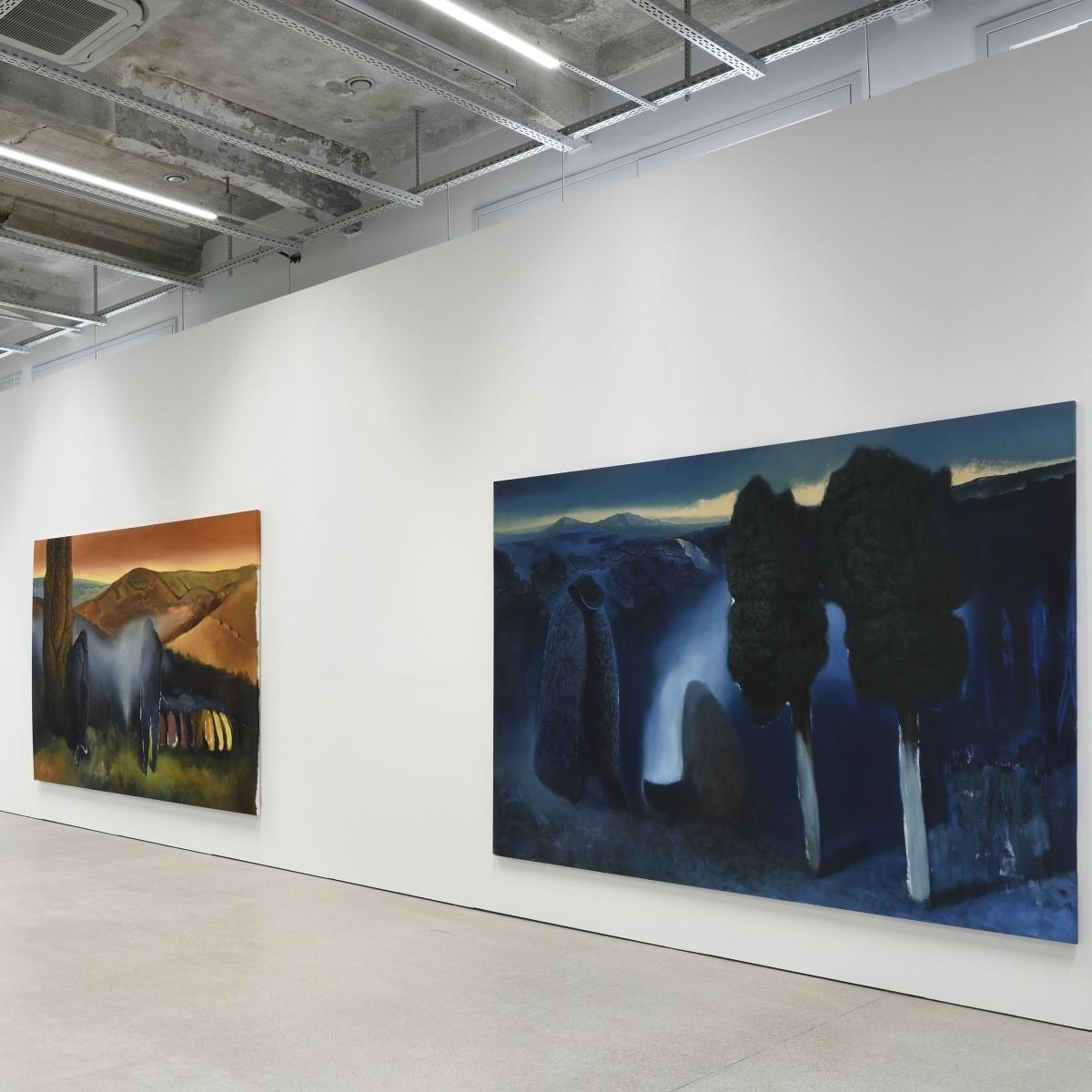
Radu Băieș's return to Telegraph Gallery is a direct follow-up to his residency here, which culminated in a successful solo exhibition Searching For My Human Traces. This is not a chance encounter, but the next step in the story of an artist who has left a distinctive mark on our studios.
While his previous solo exhibition, Searching For My Human Traces, offered visitors an intimate, almost introspective glimpse into the artist's world of fragmented memories and the search for his own identity, his current participation in the group exhibition Transylvanian Painting Today places his work in a much broader and more predatory context. Băieș returns to the gallery space in a different position. Whereas before he stood on his own here, he now arrives as the distinctive face of an artistic group that is shaping contemporary European painting.
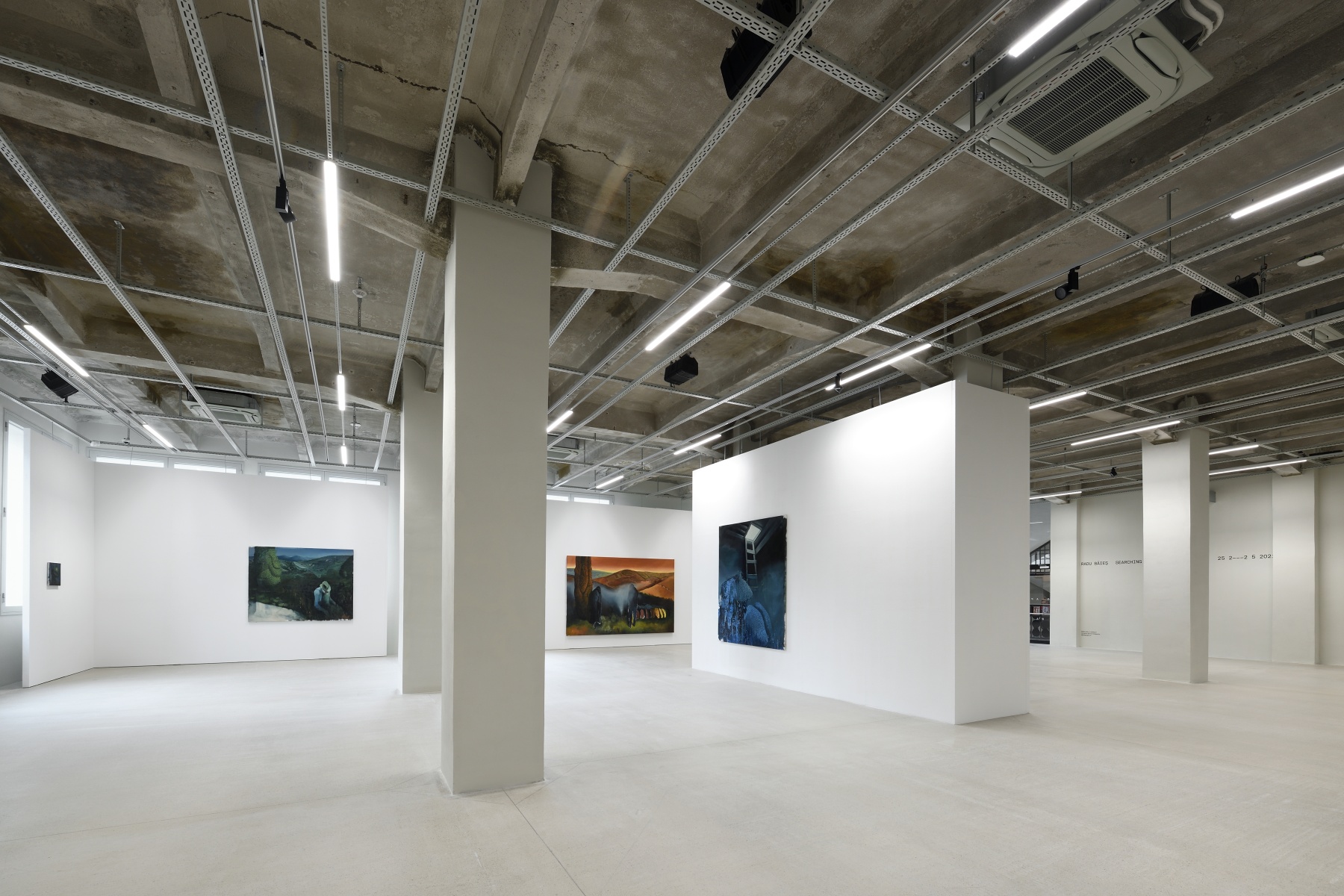
Radu Băieș, a graduate of the prestigious University of Art and Design in Cluj, is one of a generation of artists who have put Romanian painting back on the world map in recent years. His work is deeply rooted in the classical technique of oil painting, but uses it to capture purely contemporary feelings of anxiety and loneliness. Băieș's paintings often resemble frozen film stills, in which characters find themselves in ambiguous spaces and situations lacking a clear beginning and end. Typical of his work is his use of dramatic light and darkness, evoking the old masters, which, when contrasted with modern themes, creates a strong visual tension. Through his work, the artist continually explores the human condition and the fragility of memory, forcing the viewer to surmise missing parts of the story and become an active participant in its melancholic world.
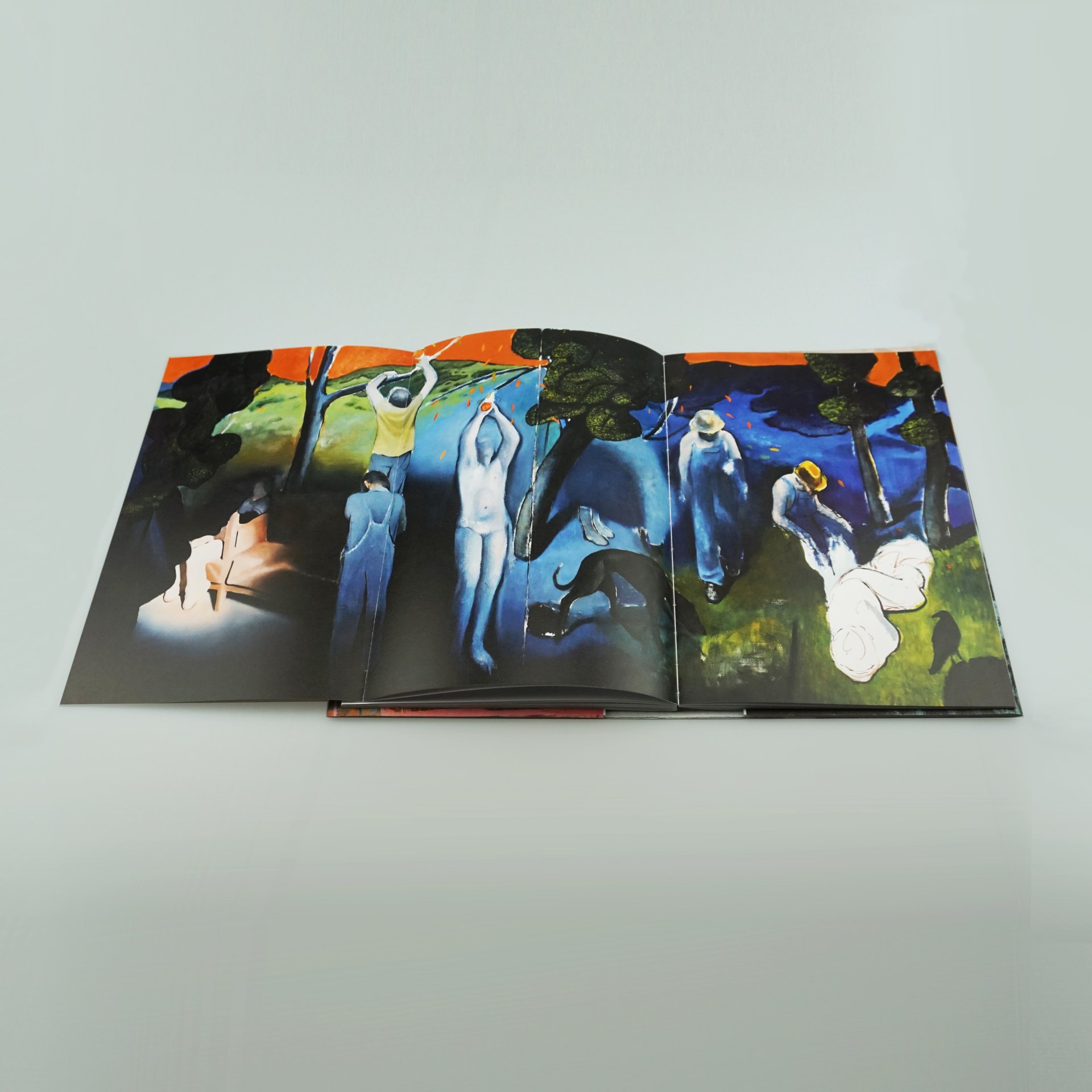
The exhibition Transylvanian Painting Today maps the phenomenon that has redefined European figurative painting in recent decades. For viewers who remember Băieș's solo presentation, it will be fascinating to see how his distinctive handwriting, characterised by muted colour and his work with light, resonates when confronted with his contemporaries from the Glasgow scene, including Marius Bercea, David Farcas, Oana Farcas, Robert Fekete, Adrian Ghenie, Ioana Ioacob, Hortensia Kafchin, Tincuta Marin, Mirela Moscu, Nicolae Romanitan, Serban Savu, Paul Robas and Mircea Suciu. What might have appeared as purely personal melancholy in Searching For My Human Traces turns out to be part of a broader generational feeling in this group show. Băieș and his colleagues share a common experience of post-Communist transformation, which is inscribed on their canvases through a certain rawness, existential weight and brilliant technical mastery of classical oil painting.
For the Telegraph, this moment is an affirmation of dramaturgical continuity. The Telegraph Gallery does not simply function as a space for one-off presentations, but purposefully develops collaborations with artists already linked to its history. Seeing Radu Băieș again, this time surrounded by the context of the Transylvanian school of painting, allows us to better understand the roots of his inspiration.