Stuart Bertolotti-Bailey has long worked simultaneously as a graphic designer, writer, editor, and publisher. A significant thread runs through all his work: in his view, graphic design becomes a method of engaging with the world, a way of sorting information, constructing meanings, creating situations, and giving them precise names.
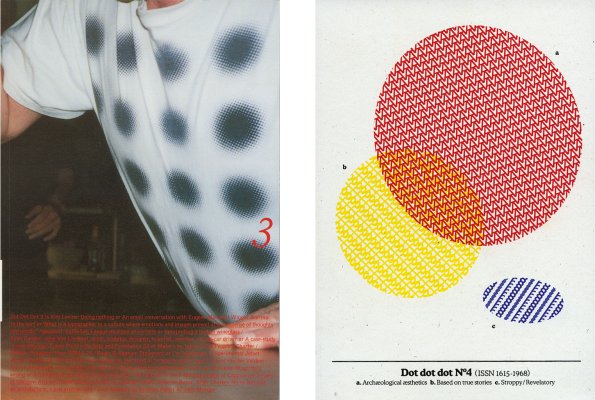
His best-known endeavor is the semi-annual print periodical Dot Dot Dot, which he co-founded with Peter Biľak in 2000. Dot Dot Dot originally grew out of graphic design, but it quickly became a much broader cultural space. Alongside typography and visual communication, themes from music, film, visual arts, and the humanities began to infiltrate it. However, it was not only the content that played an important role, but also the form – that is, the way the topics were written about. The tone was less academic, more literary, with respect for readers who actually read the text rather than just flipping through it. Dot Dot Dot gradually became an increasingly performative medium that portrayed topics in a unique way through its format, structure, and textual rhythm.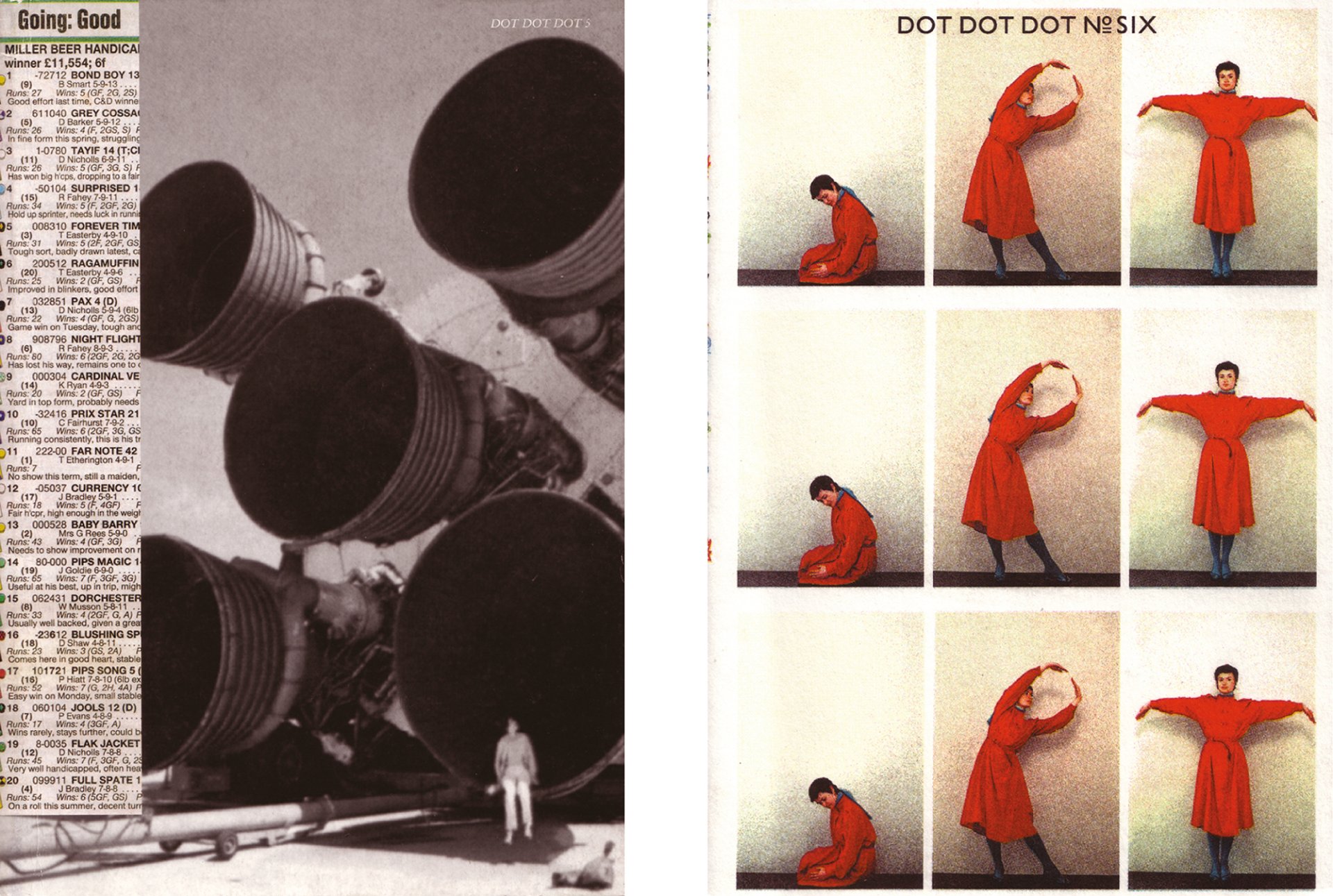
In 2006, Bertolotti-Bailey began collaborating with American graphic designer and editor David Reinfurt. Together they created the Dexter Sinister project, which was to be part of the planned Manifesta 6 biennial in Cyprus. However, due to political and contractual disputes with the Cypriot authorities, the biennial was cancelled just a few months before it was scheduled to take place. The Dexter Sinister project was conceived as a "just-in-time workshop" – a workshop, publishing house, temporary bookstore, and production model all at once. It was meant to be a place where design, production, and distribution intersect. The pair chose this path for both practical and philosophical reasons: it meant less waste, faster decision-making, and direct control over quality. Here, design was the very method by which content was created. Badges, printed materials, and a risograph-printed book of essays were produced for the cancelled biennial. The artists then took their ideas to New York, where they produced very different results in a different context.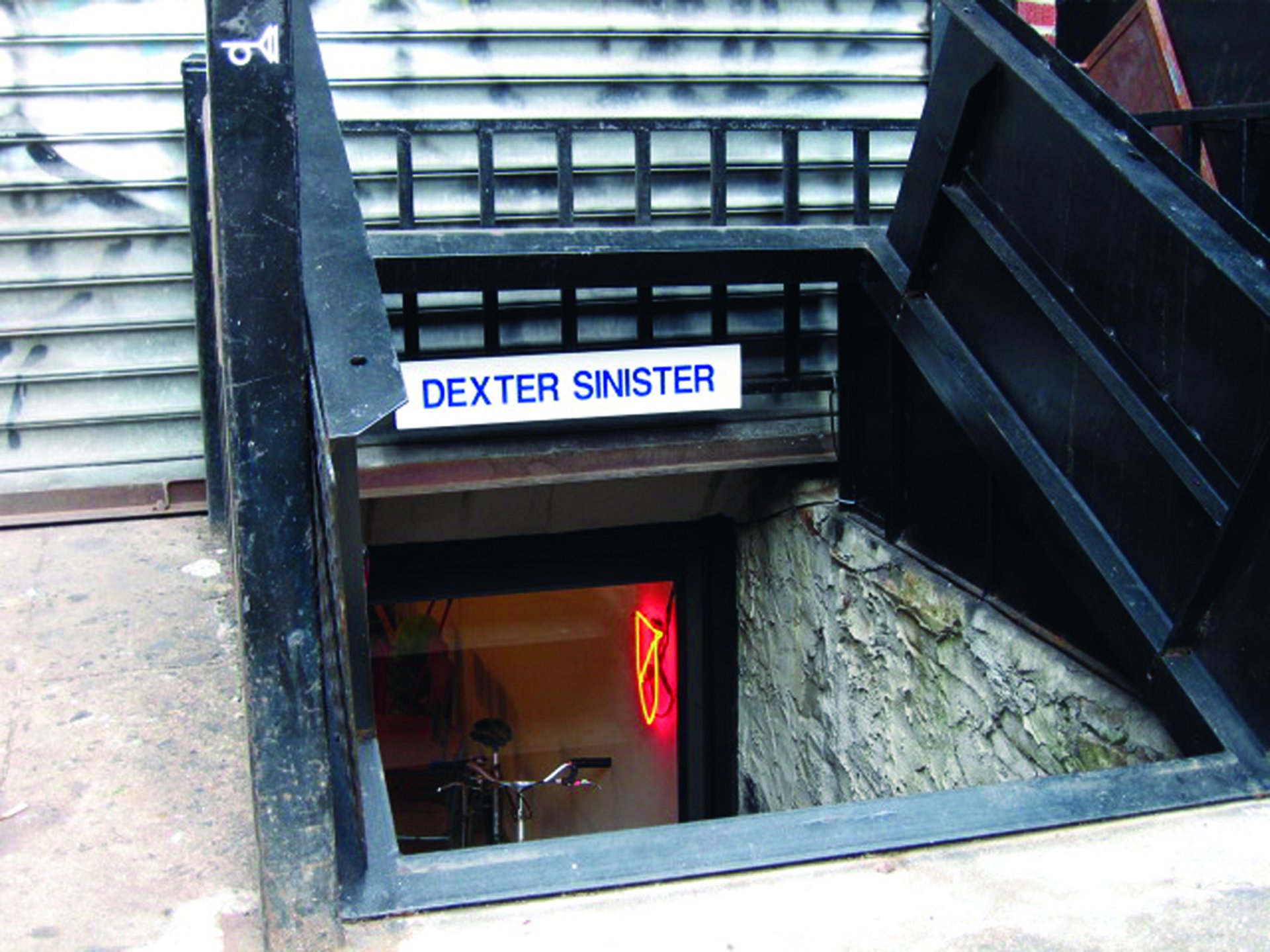
The next creative stage naturally grew out of the twentieth and final issue of Dot Dot Dot magazine. In 2011, Bertolotti-Bailey, along with David Reinfurt and Angie Keefer, founded The Serving Library, a nonprofit platform in New York City that functions as both a publishing house and a shared space for artist education. The print publications associated with The Serving Library work with the same "logic of images" as the project itself, presenting photographs and reproductions of works sourced from artists, archives, and rare book collections. What is important here is not just the transformation of the magazine into a different format, but the broader idea of publishing as a long-term practice – an engine that sparks other formats, encounters, and ways of sharing. This is also reflected in the structure of the project, where individual 'bulletins' were published online and initially collected continuously into a print journal, Bulletins of The Serving Library, which later became The Serving Library Annual. Here, too, Bertolotti-Bailey's typical ability to turn graphic design into an environment where things happen – not just a visual style – is evident.
An important part of Bertolotti-Bailey's practice is his academic work. He studied Typography & Graphic Communication at the University of Reading, attended the Werkplaats Typografie experimental programme in Arnhem, the Netherlands, and completed his PhD at Reading in 2015 with a dissertation entitled Work in Progress: Form as a Way of Thinking. The title itself captures what is characteristic of his entire creative practice: form is not a final "coat," but a thinking tool. In his work, he draws, among other things, on Umberto Eco and his notion of the "open work," which is only completed through concrete reception, situation, and participation. When Bertolotti-Bailey quotes (and develops) Eco's imperative that form should not be a means but a way of thinking, it is not mere embellishment. It is a description of his own ethos of creating the conditions for meaning to fold, to shift, to live – and for the trace of the process to be not something to be hidden, but something that carries information.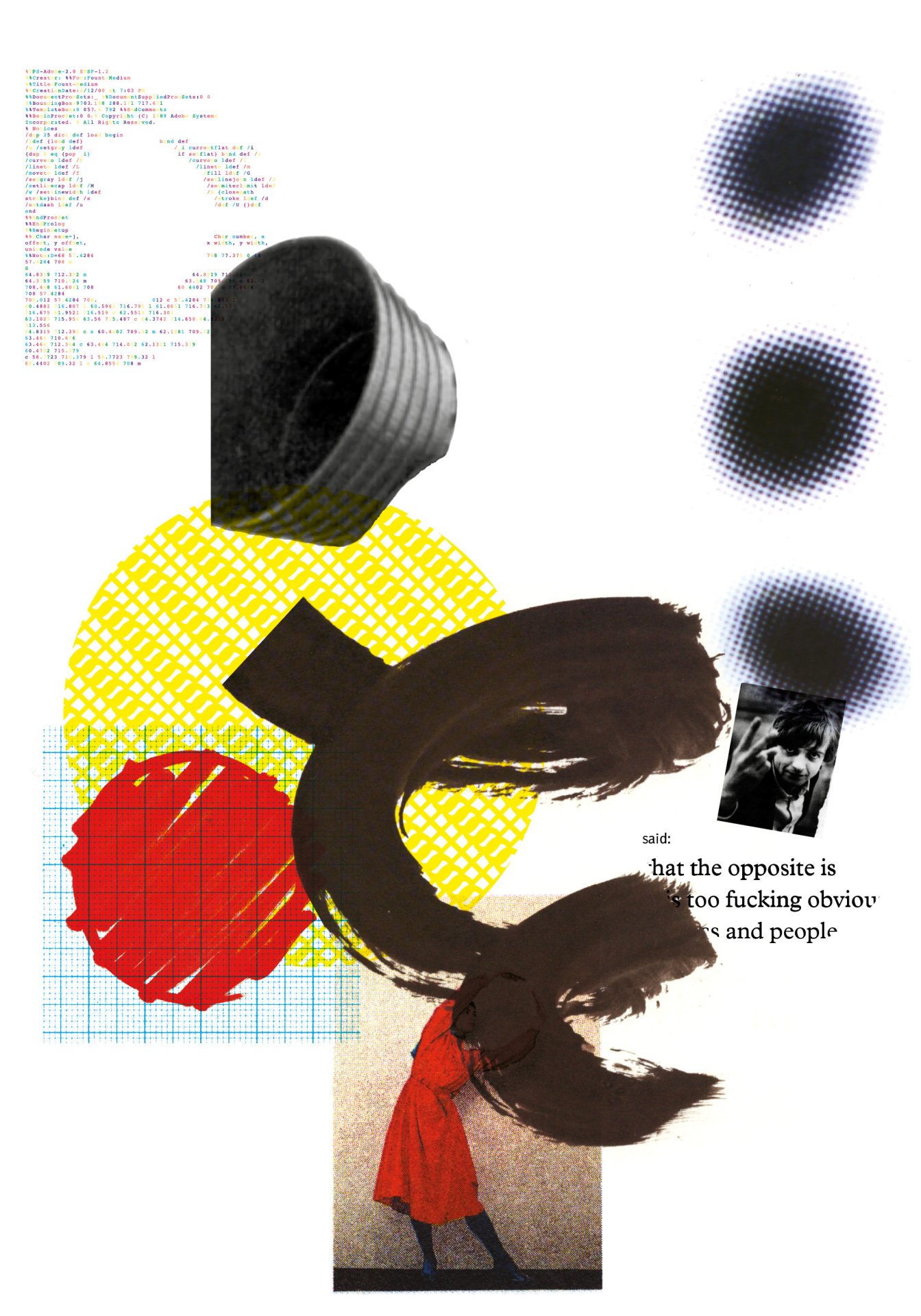
He shows his sensitivity to process in his specific commissions and collaborations. His redesign of the Dutch art magazine Metropolis M was, in his own words, all about "improving the text" to make it less generic, more literary, and engaging - as if the design starts with the sentence, not the grid. Elsewhere, he works with institutions and their long-term memory. For a project for the Italian art institution Castello di Rivoli, he was invited to rethink the graphic identity and communication of the contemporary art museum. Changes were introduced gradually, step by step; the identity is not seen as a one-off branding, but rather as a cultivation of the relationship between place, history, and contemporary language.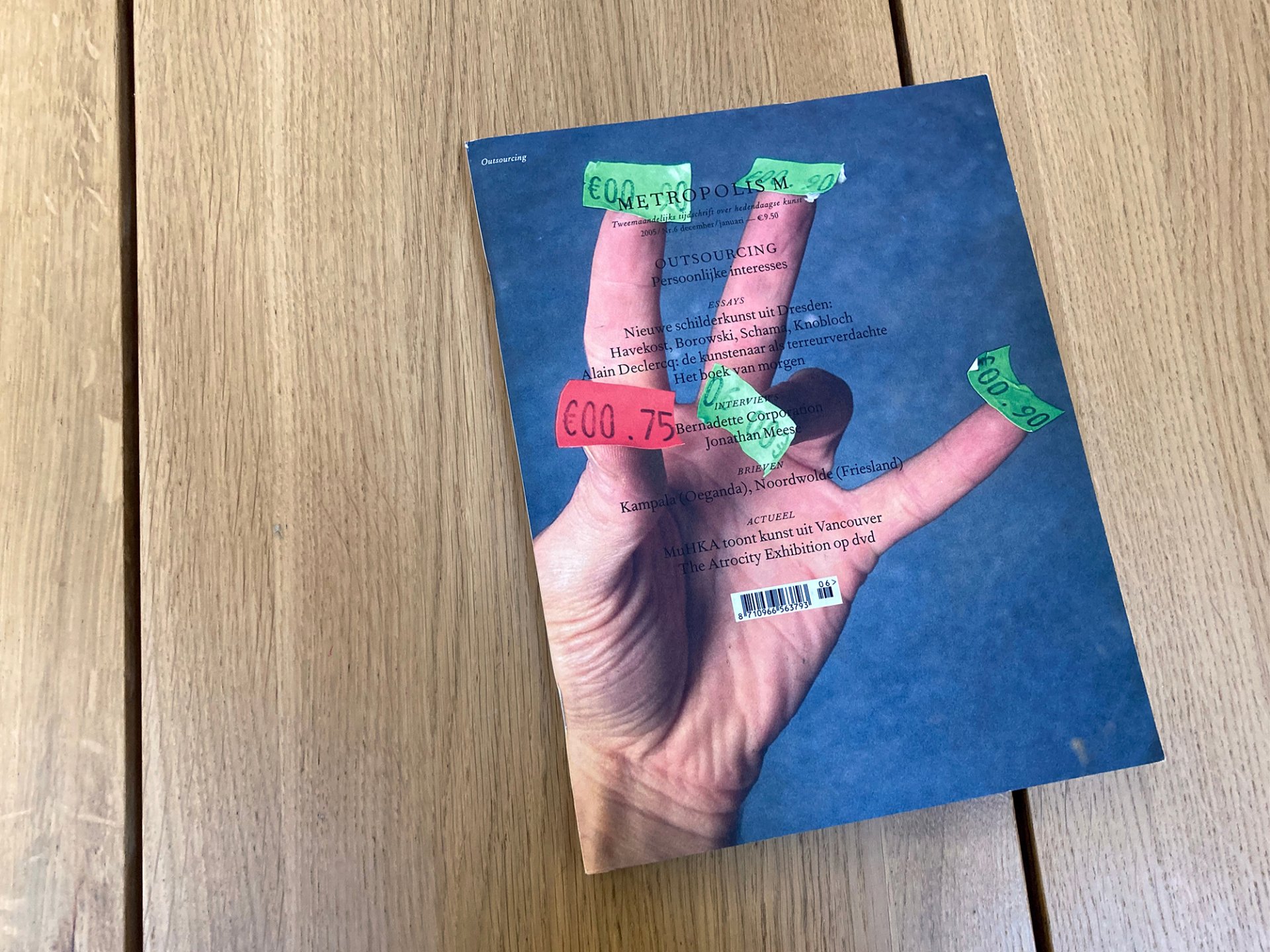
His collaboration with Paulina Olowska on the publication Visual Persuasion (2024), produced in conjunction with an exhibition at the Fondazione Sandretto Re Rebaudengo in Turin, also fits into this line. Olowska has long worked with image culture, advertising aesthetics, fashion, and the "persuasive" power of visual forms. And it is here that her work meets Bertolotti-Bailey's interest in how form shapes meaning – often subtly, but all the more effectively. For the Czech context, this connection is highly relevant right now. From November 2025 to February 2026, Olowska, together with Adéla Janská and Caroline Walker, presented their works in an exhibition entitled Behind the Counter at the Telegraph Gallery. Bertolotti-Bailey's projects repeatedly teach us to look beyond the finished surface, beyond the layout, the printed matter, and the final output. He is interested in systems of distribution, editorial decisions, the rhythm of reading, the economy of attention – all the things that usually remain hidden "behind the counter" but actually shape our reading and our understanding.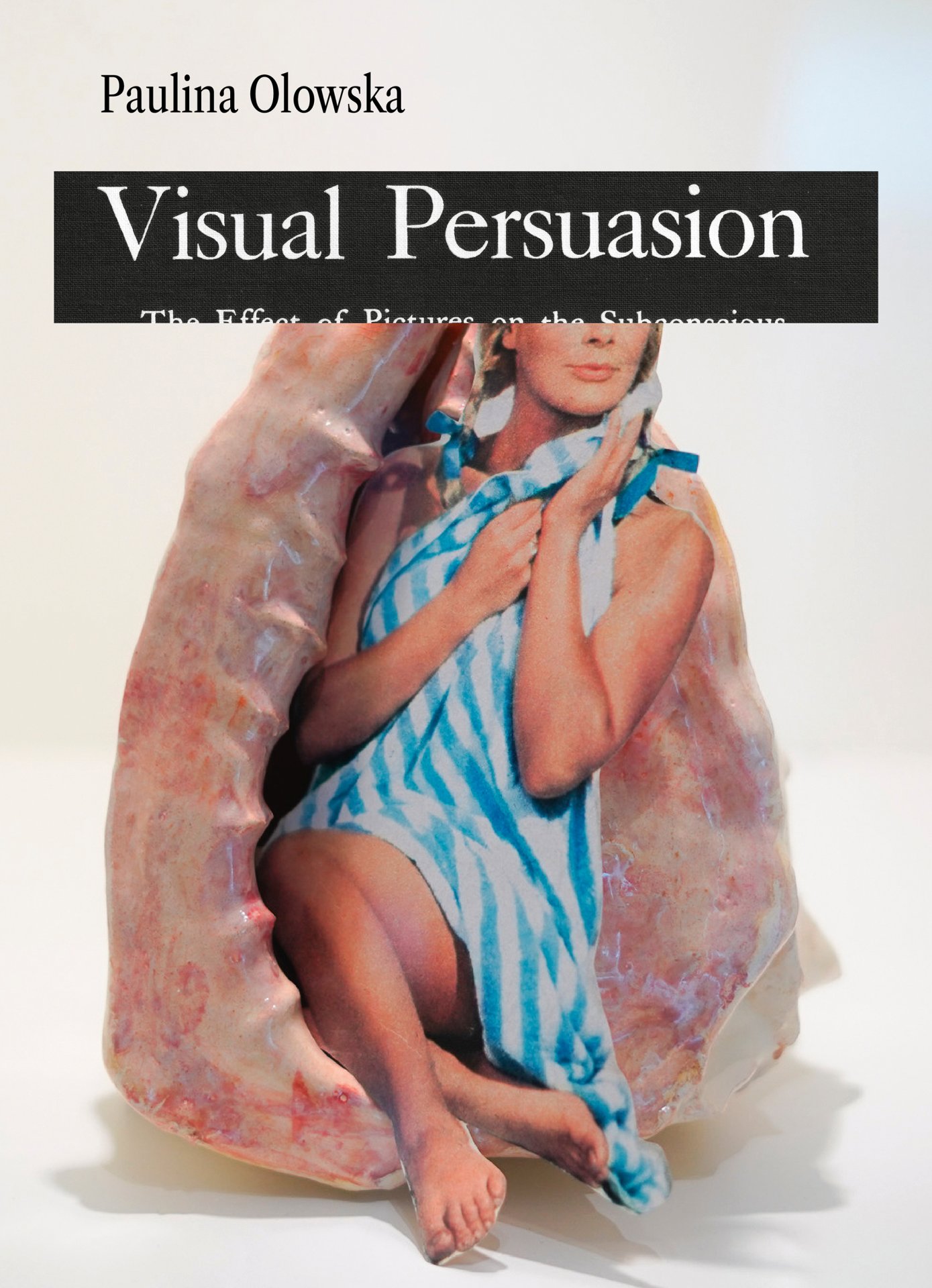
This may ultimately be the most accurate way to read Bertolotti-Bailey: not as the author of a single aesthetic signature, but as a creator who made graphic design a discipline with a conscience of its own. A discipline that can be sophisticated, playful, sometimes deliberately slow, sometimes rigorously economical – but always with an eye to how things are made and what that way of making says about the times we live in. For Bertolotti-Bailey, form is still alive, and that's why he still has something to say.
The Telegraph now features Stuart Bortolotti-Bailey's work at a reception in the form of a graphic treatment of a new catalogue about the exhibition Behind the Counter.