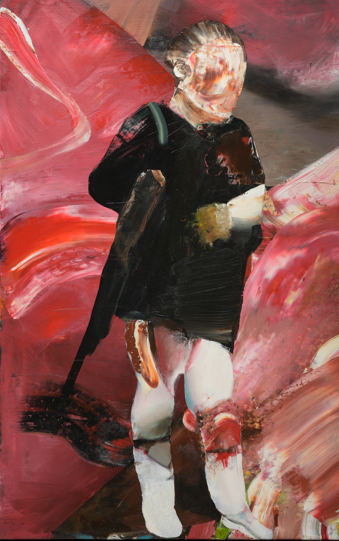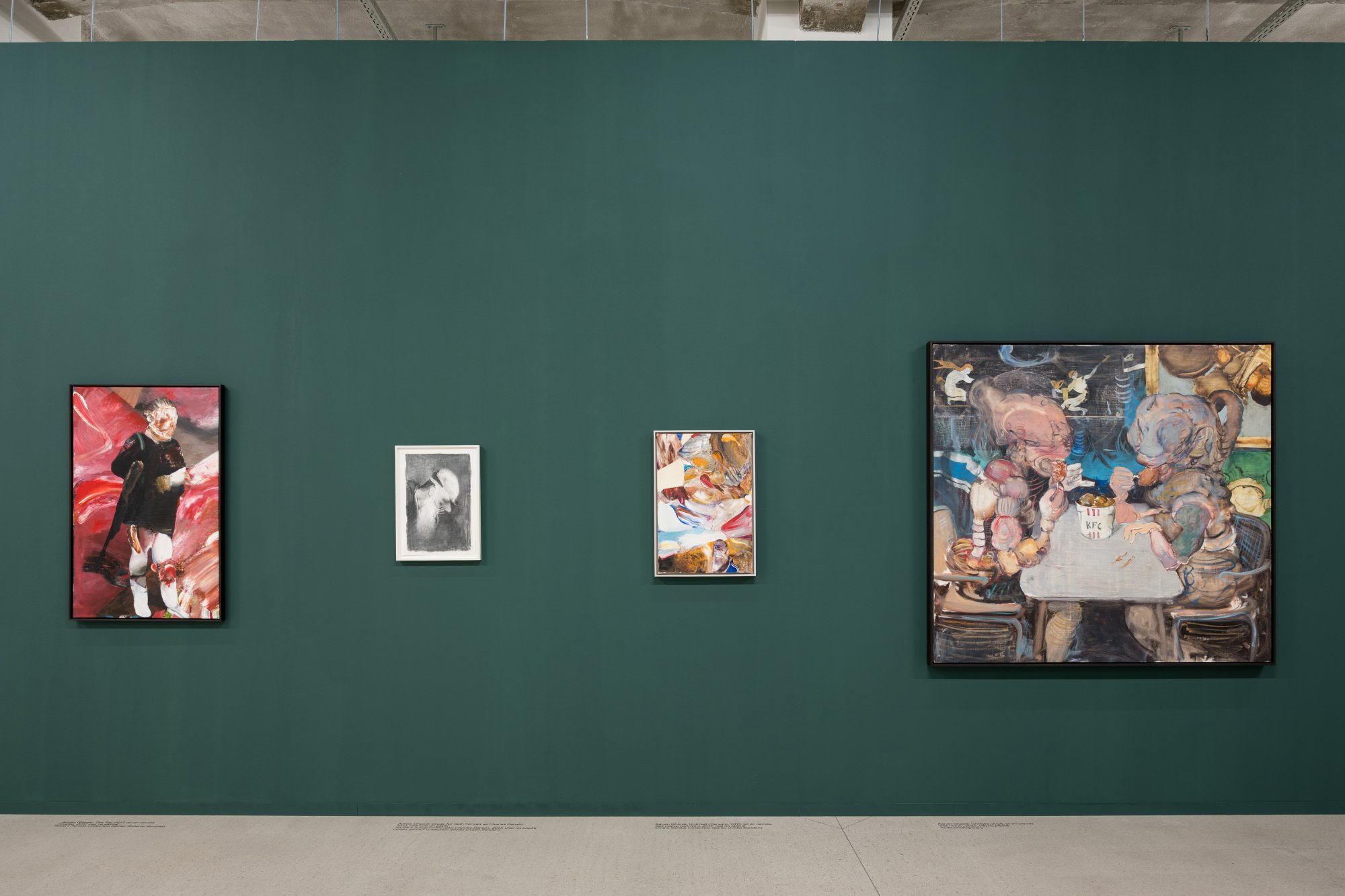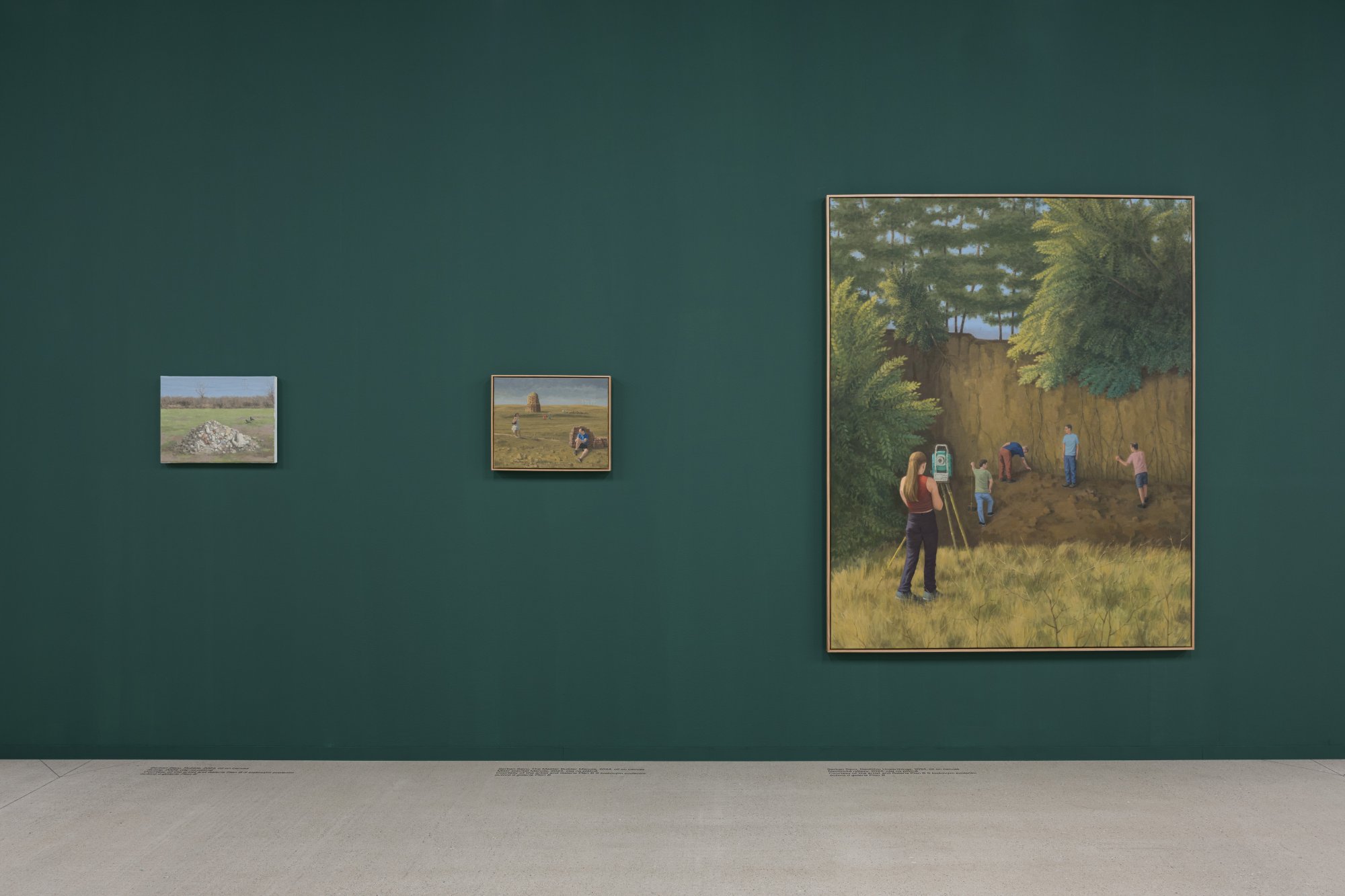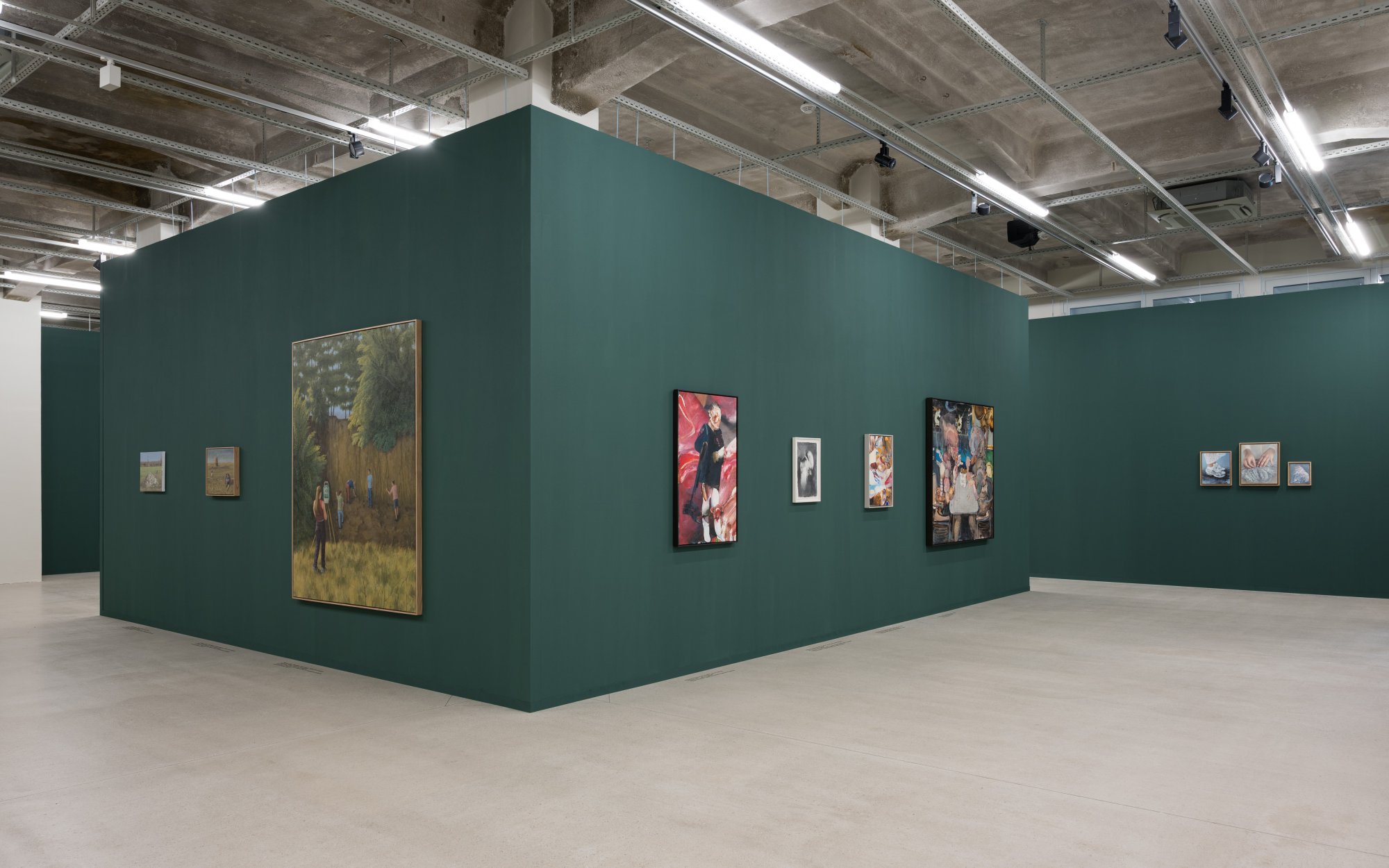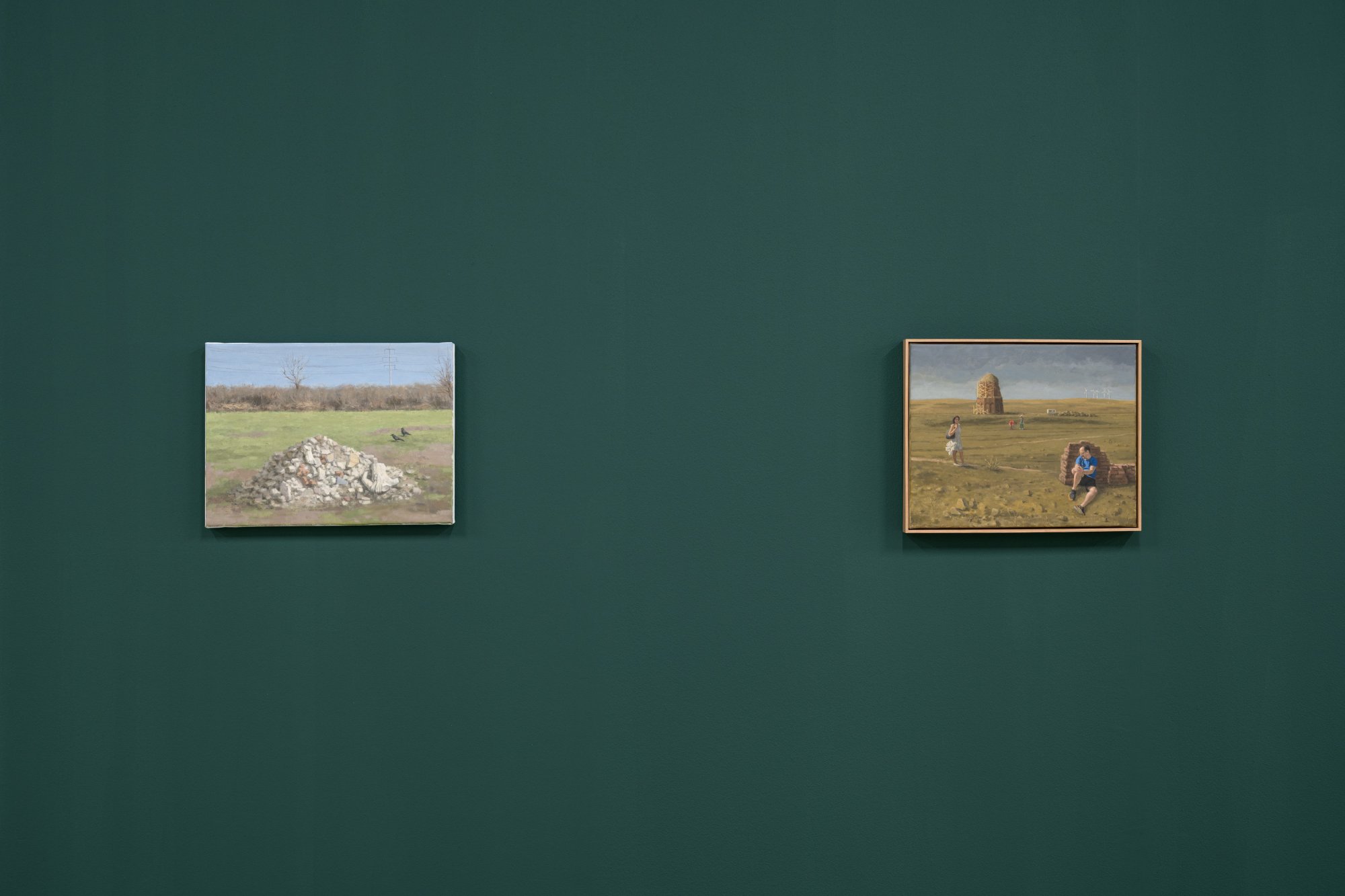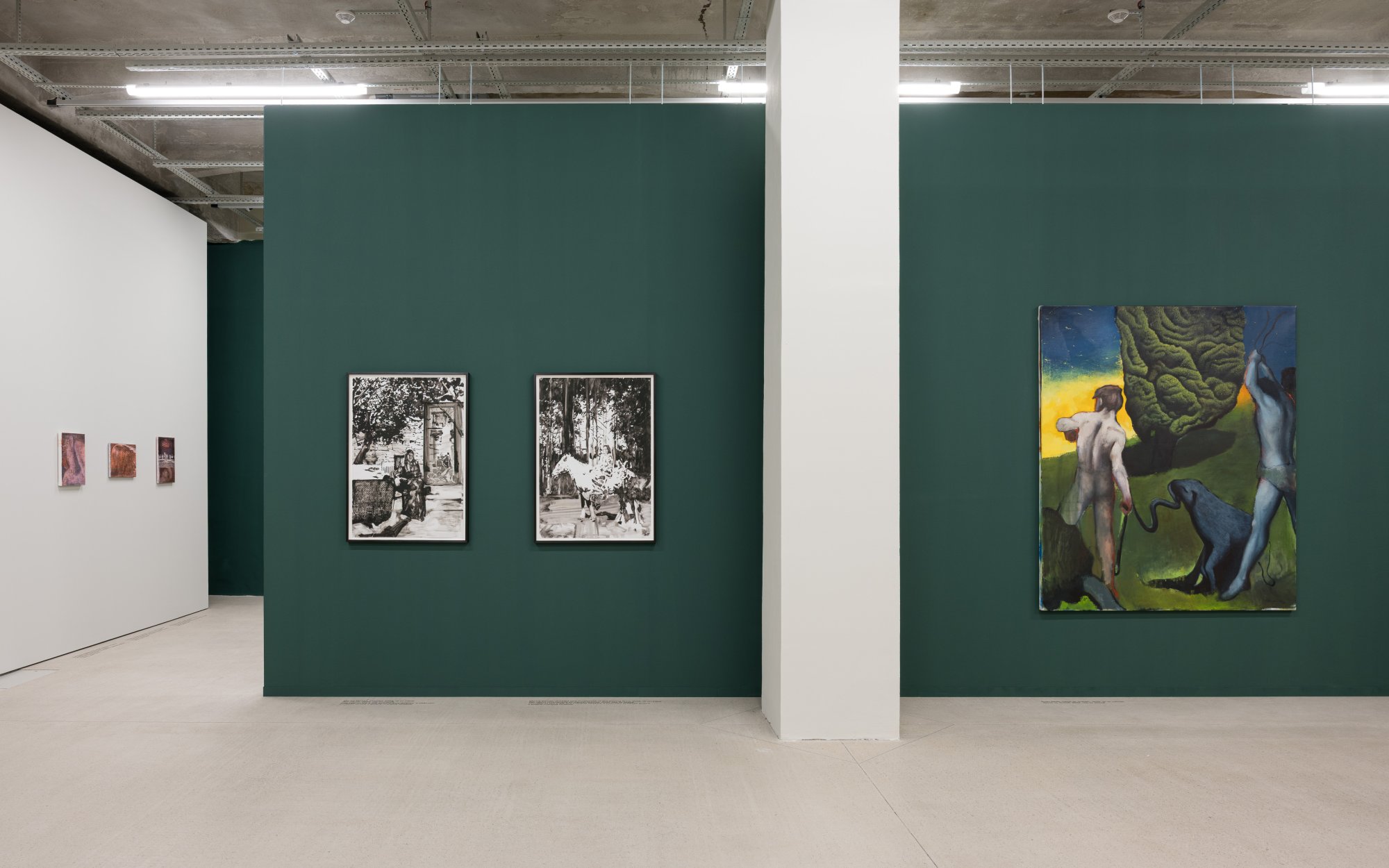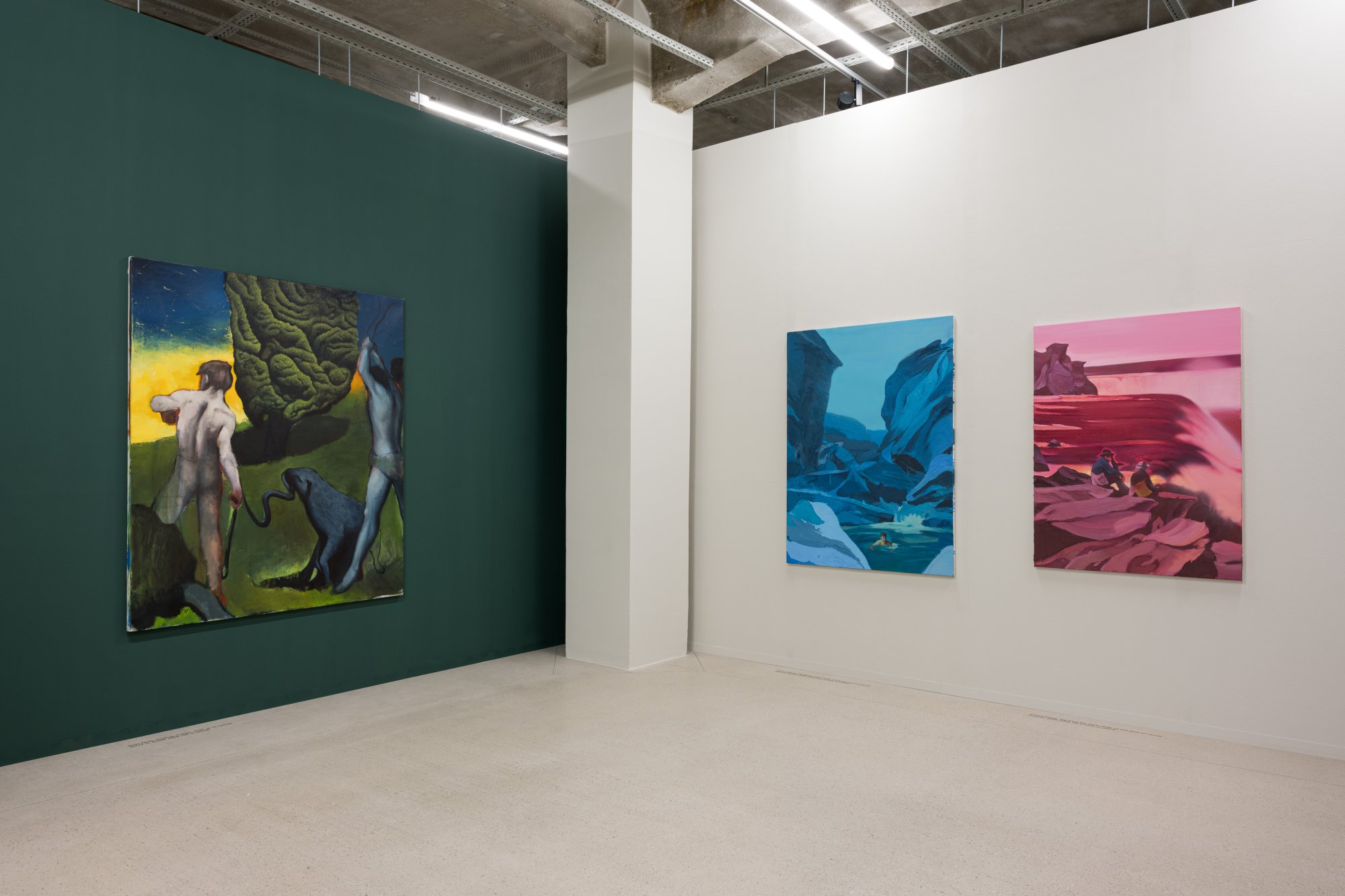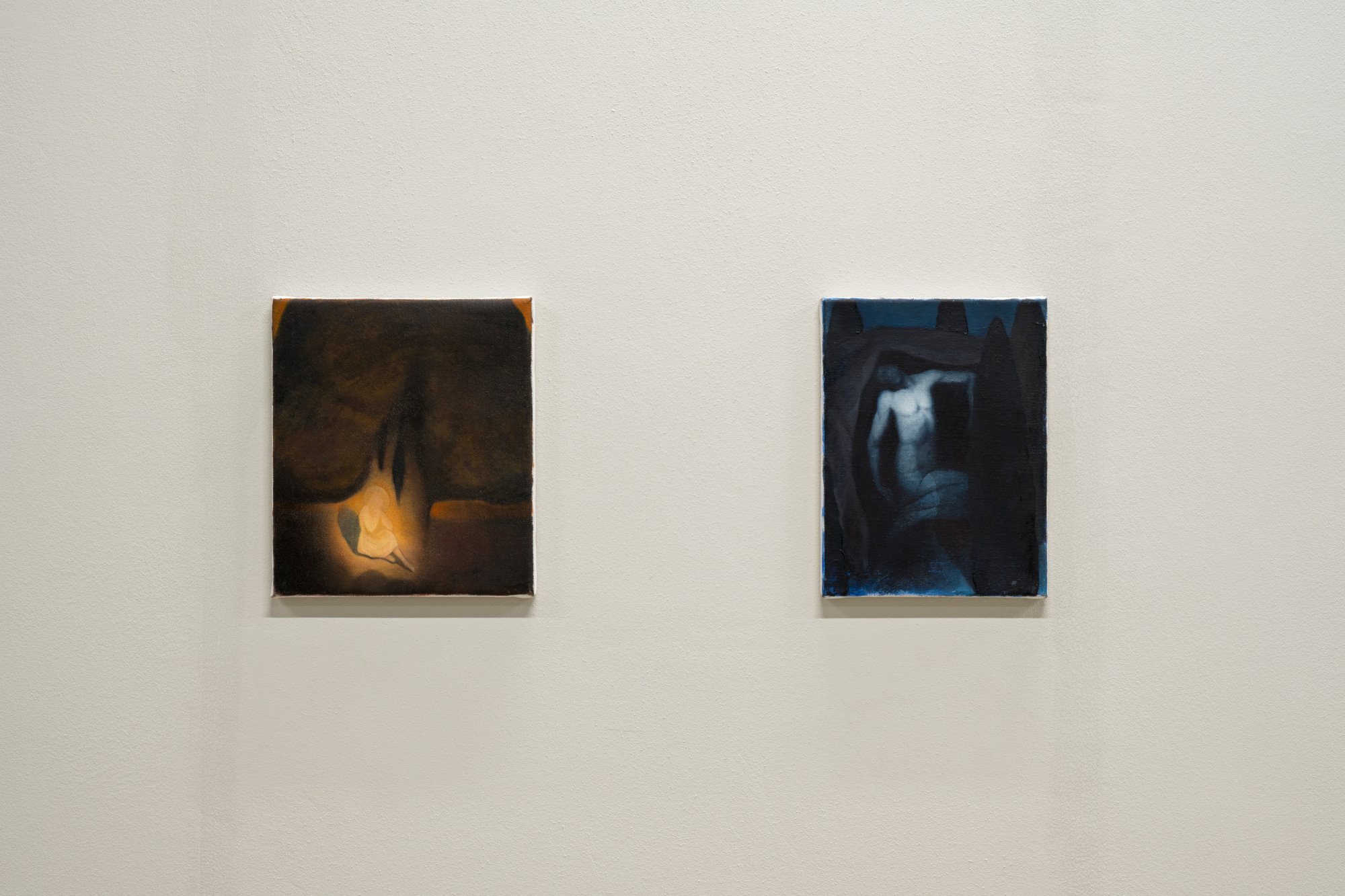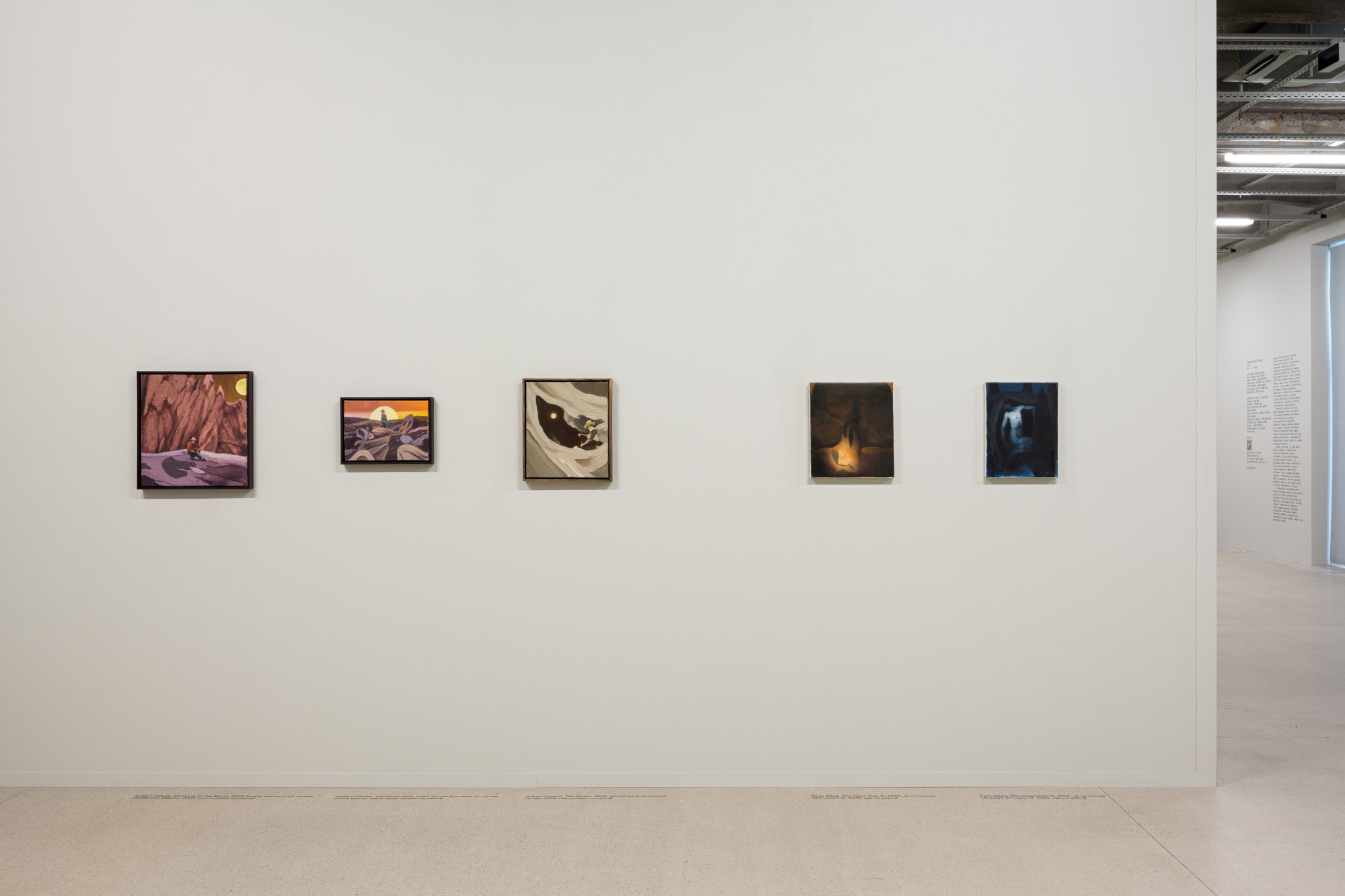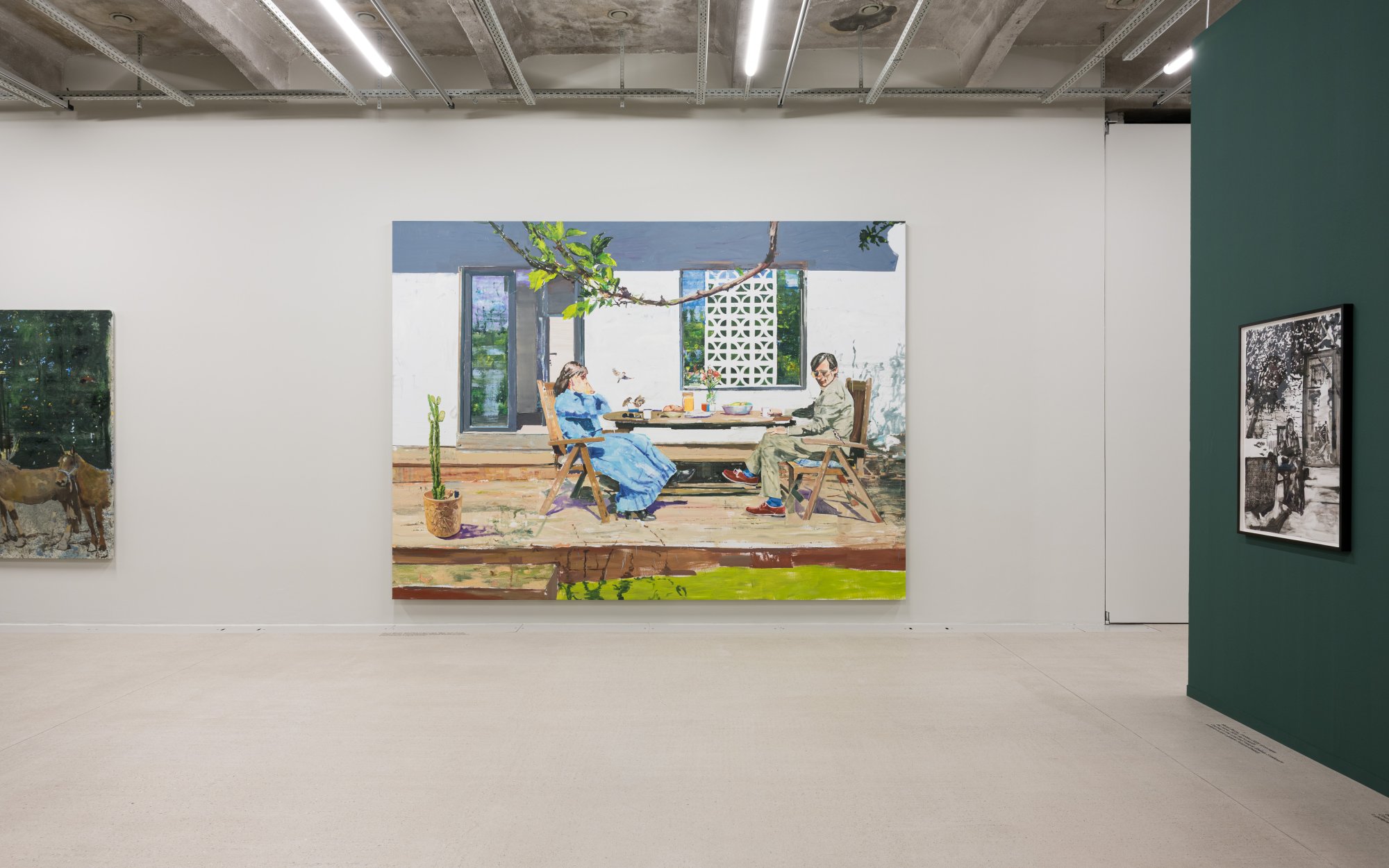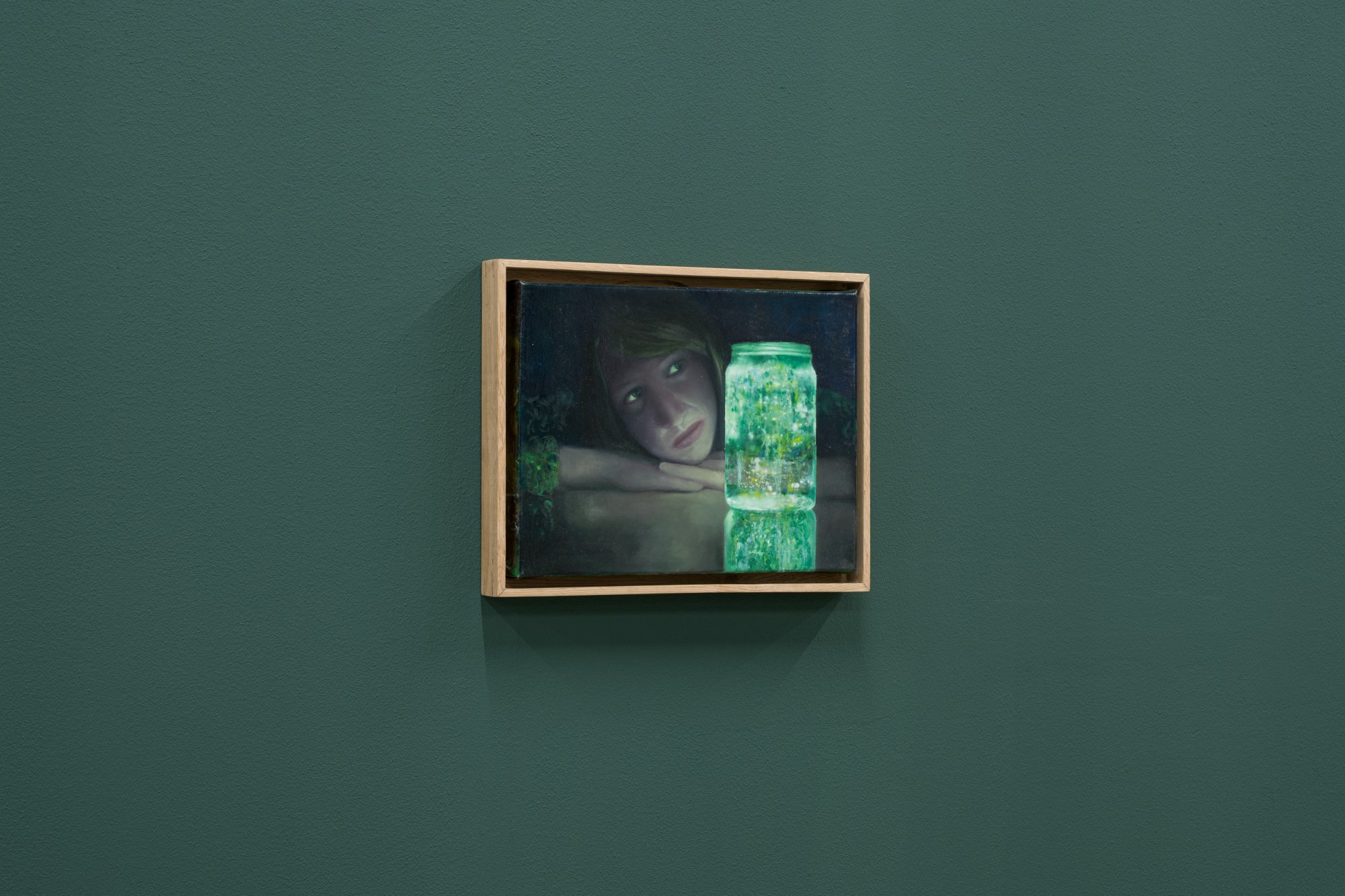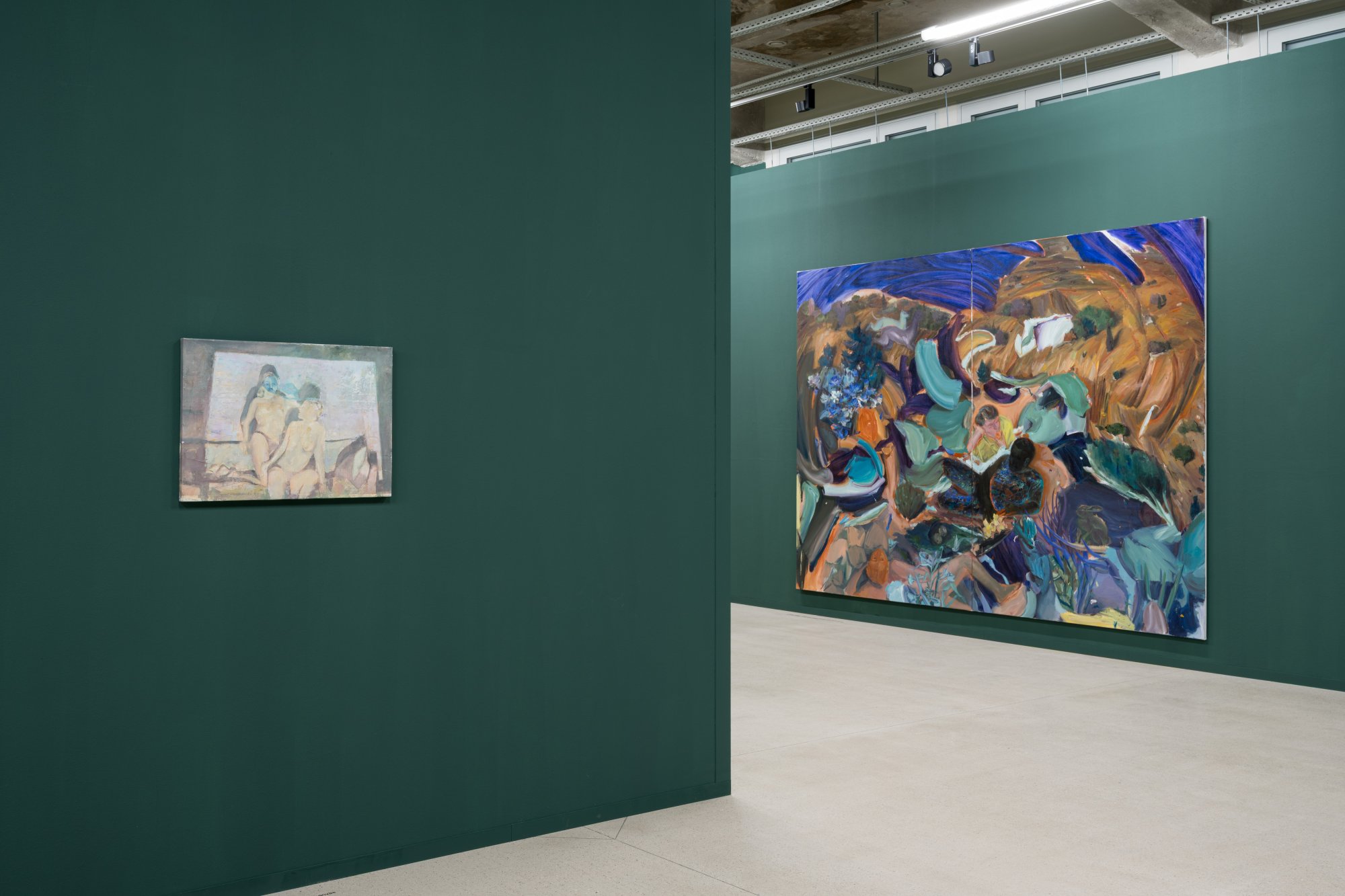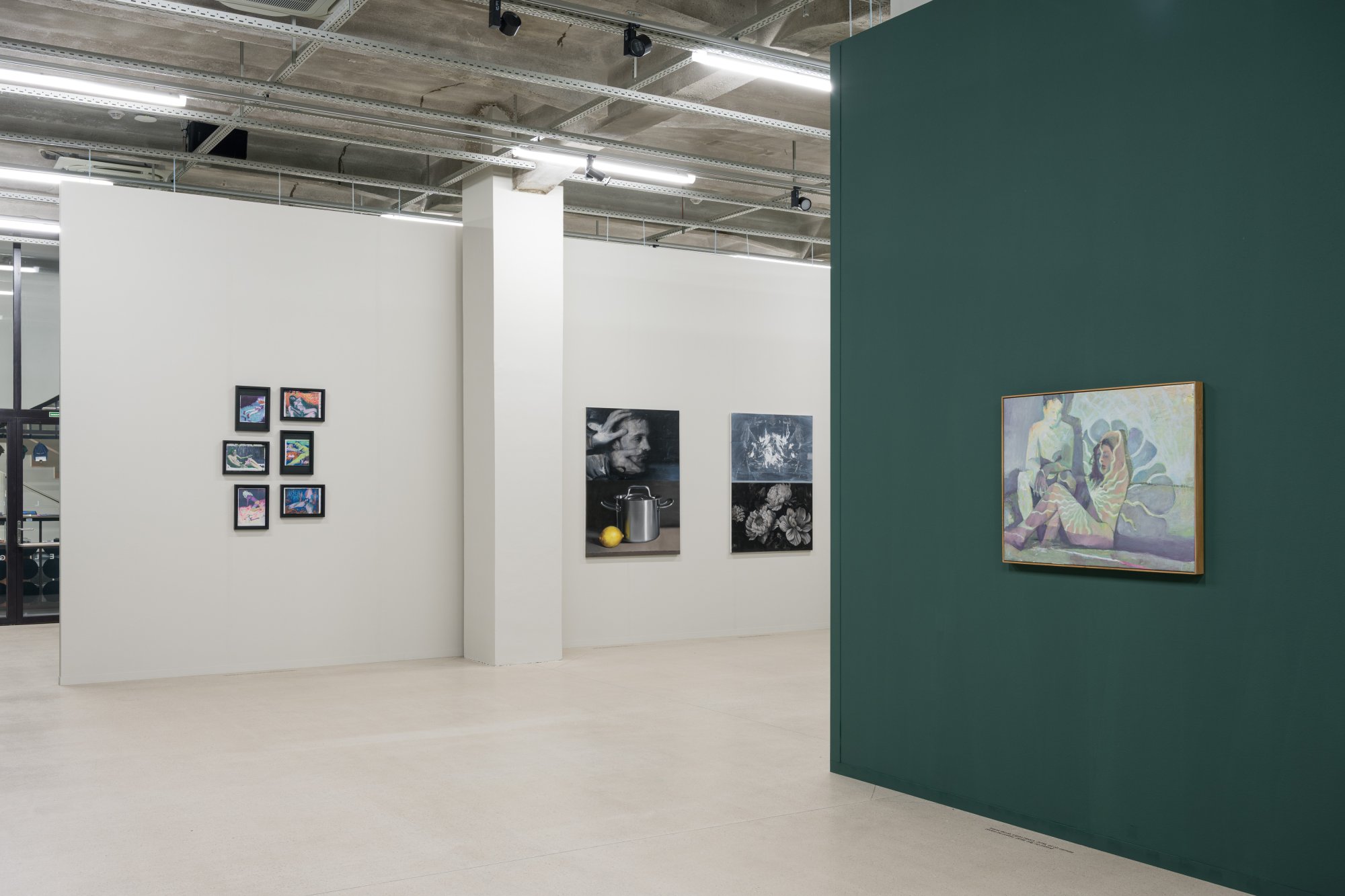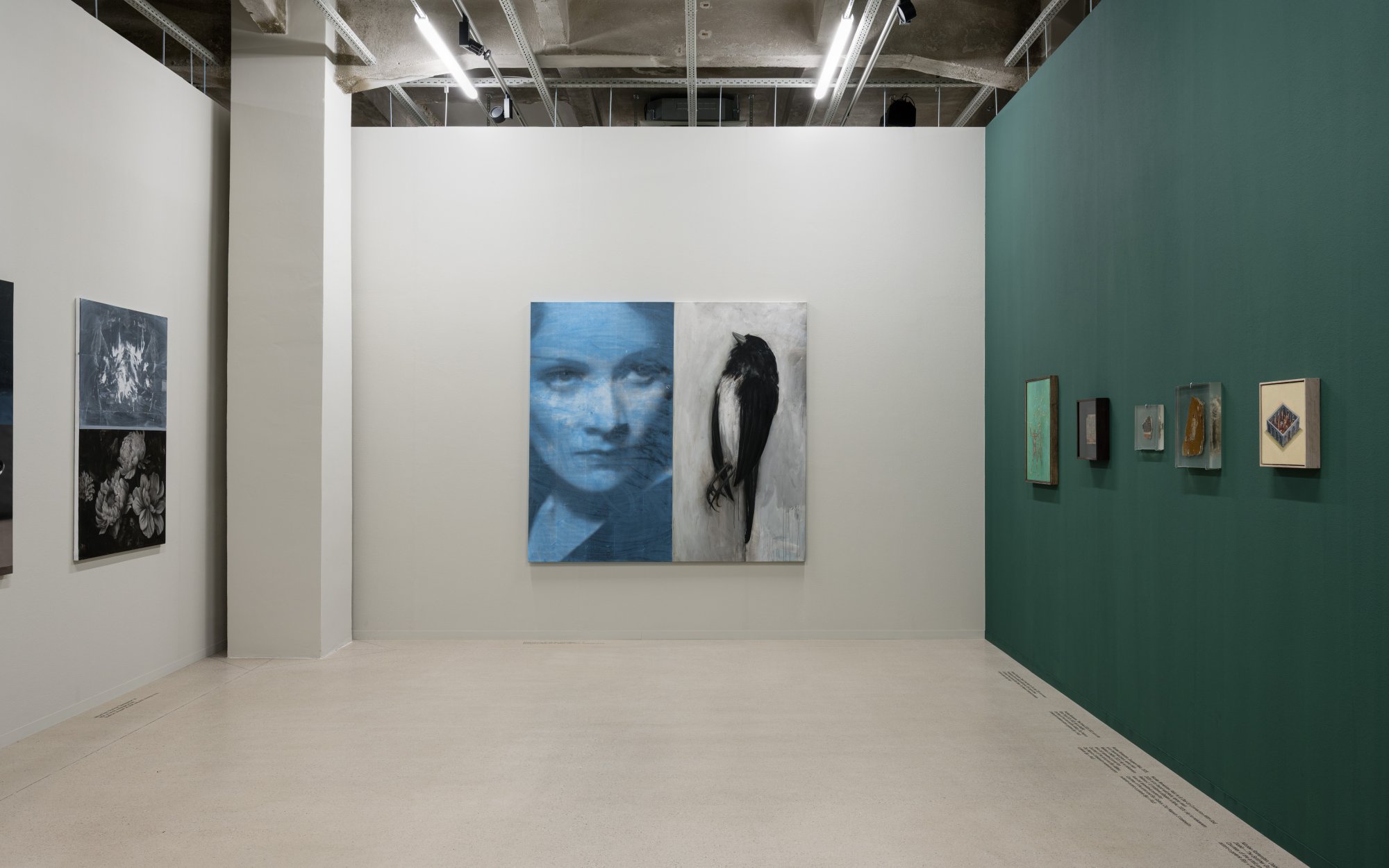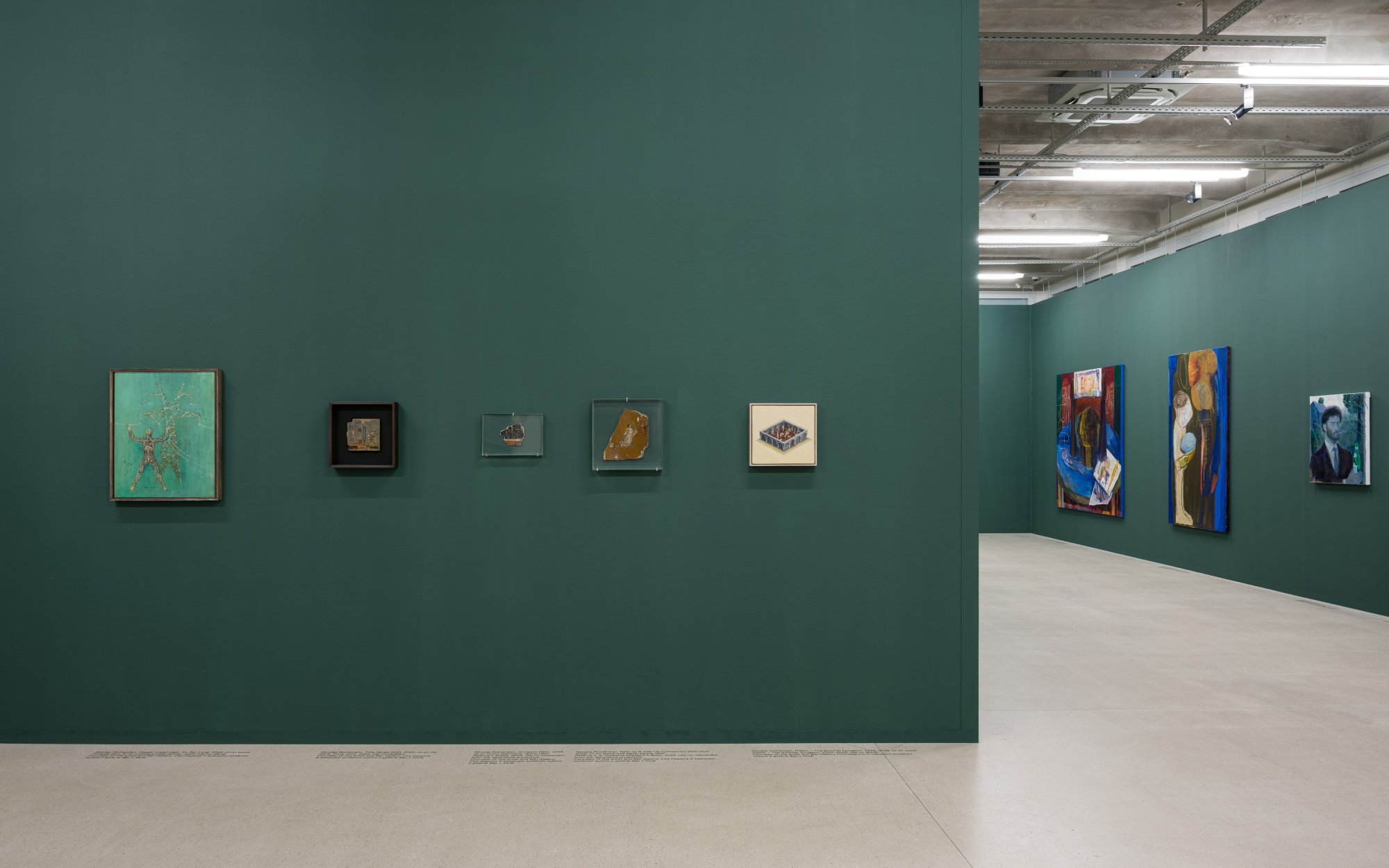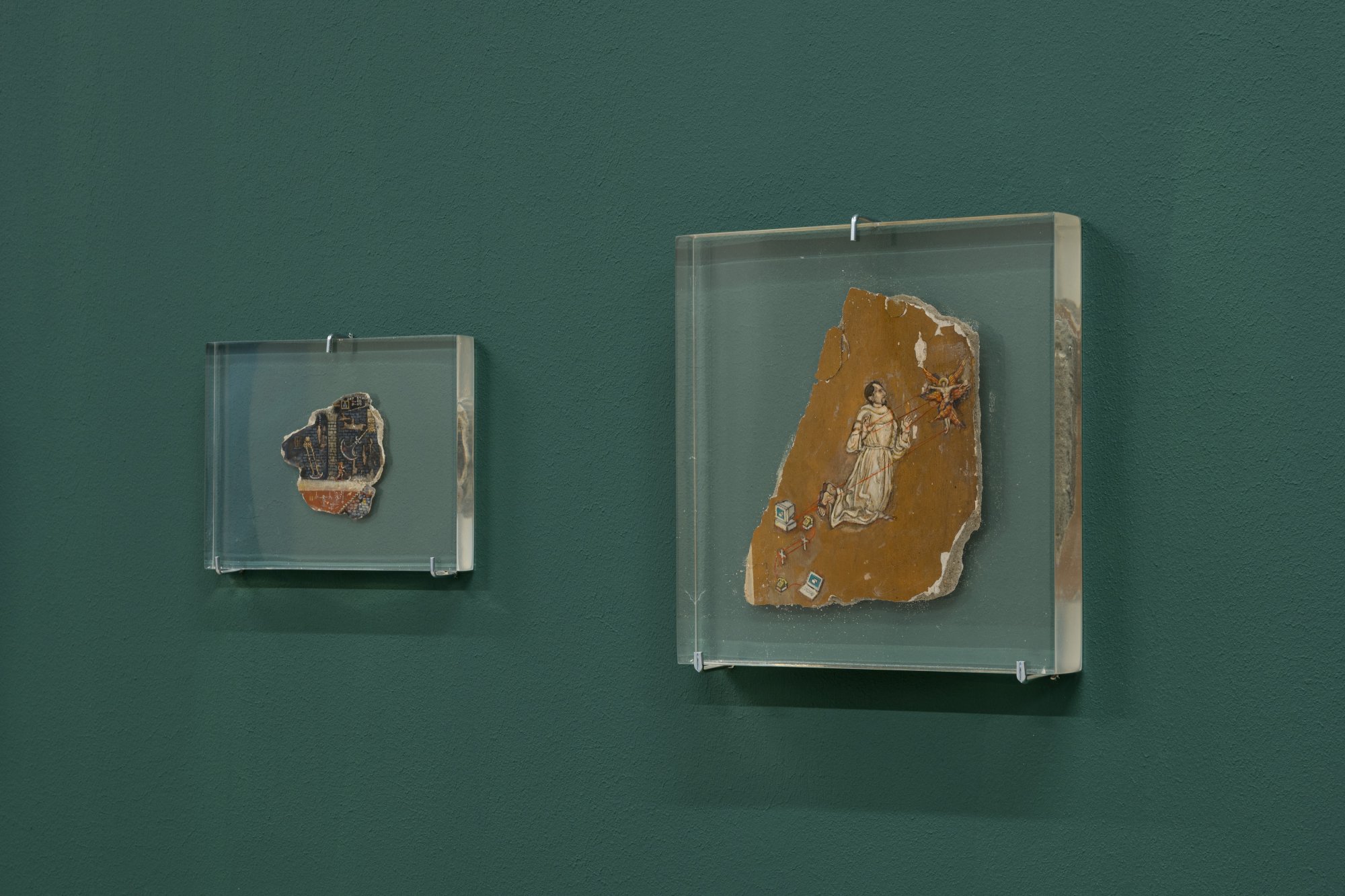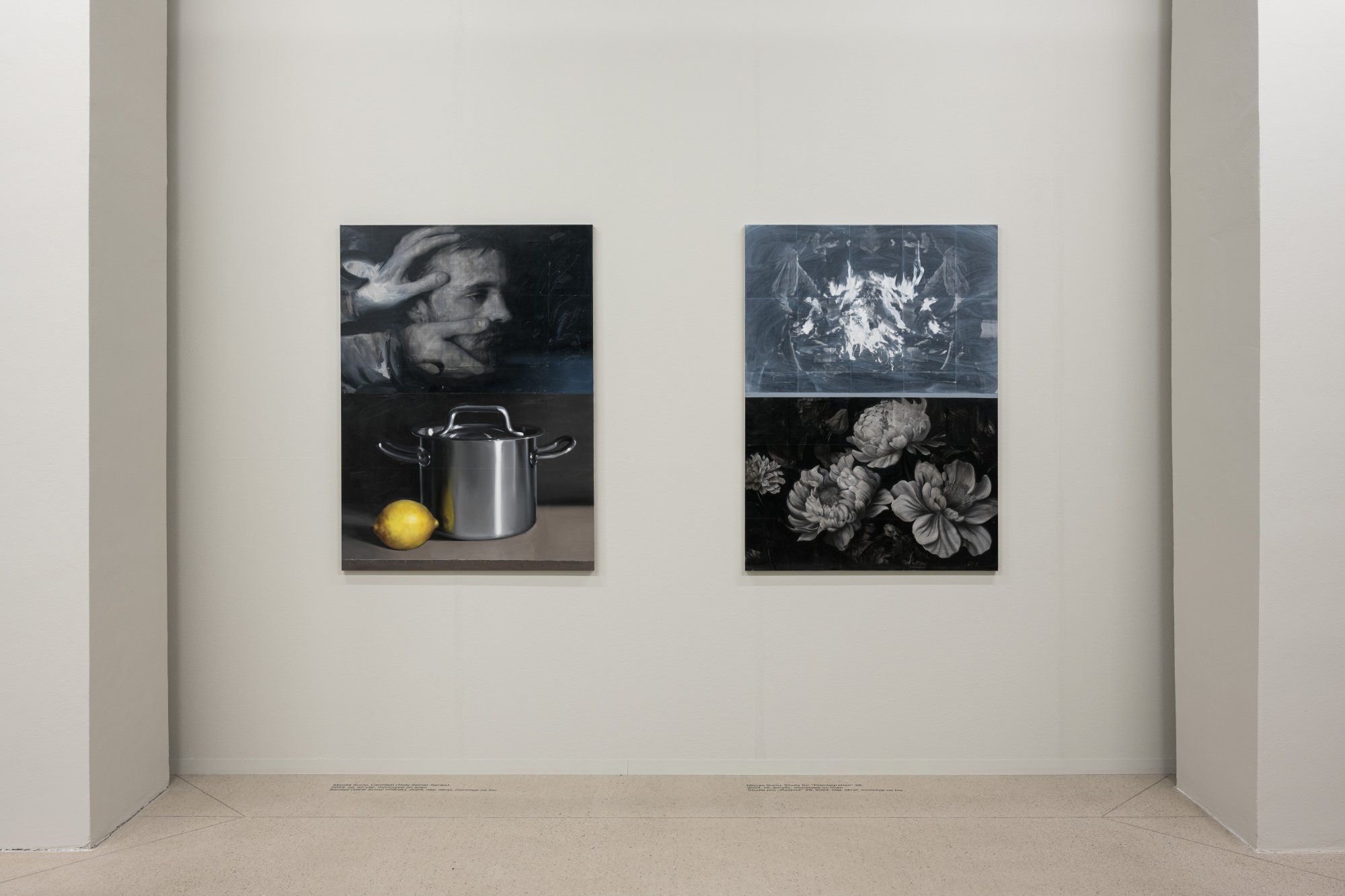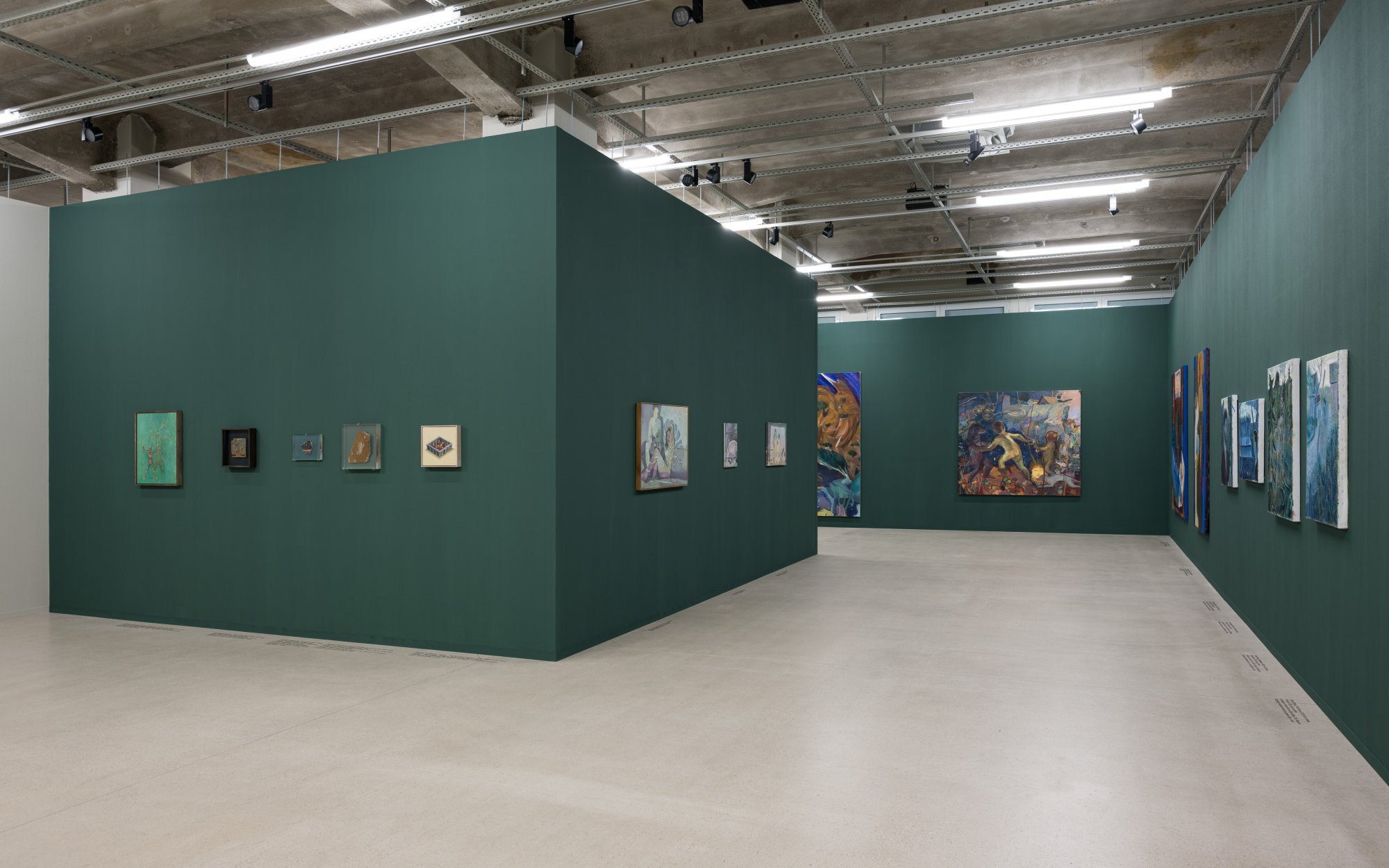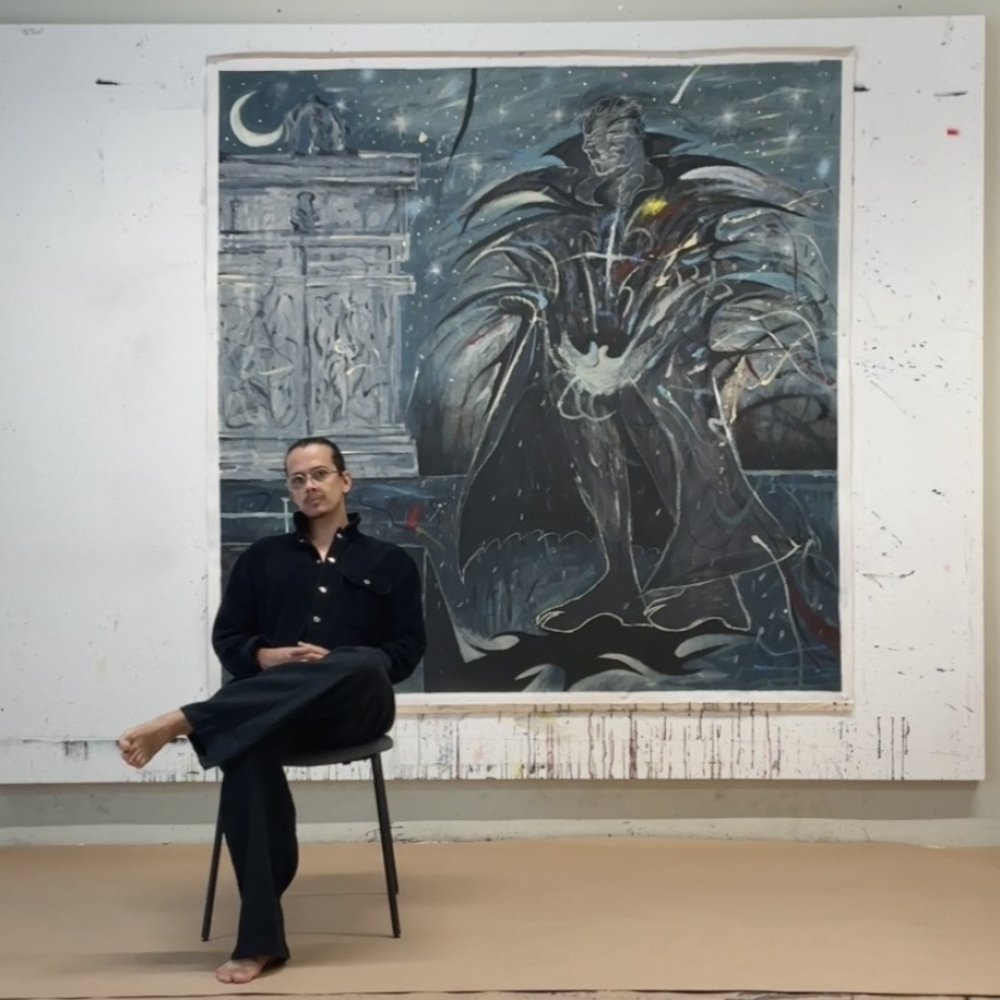
Adrian Ghenie (*1977) is probably the best known and most successful representative of contemporary Romanian painting. A 2001 graduate of the University of Art and Design in Cluj, he has managed to completely transform the perception of figurative painting in the twenty-first century in just two decades. Ghenie, whose personal and creative life today oscillates between Berlin and Cluj, has from the beginning redefined the very relationship between history, memory and the mass of colour. Moreover, as co-founder of Plan B Gallery, he has become a key bridge connecting the local Romanian art scene with the international market.
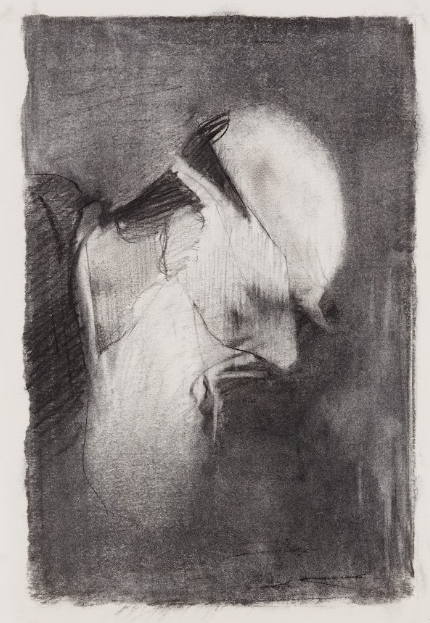
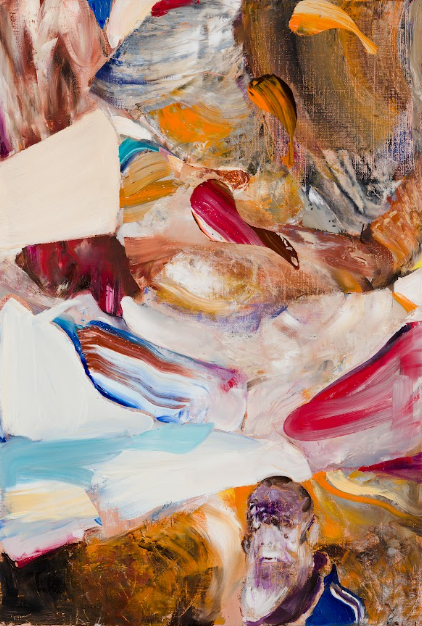
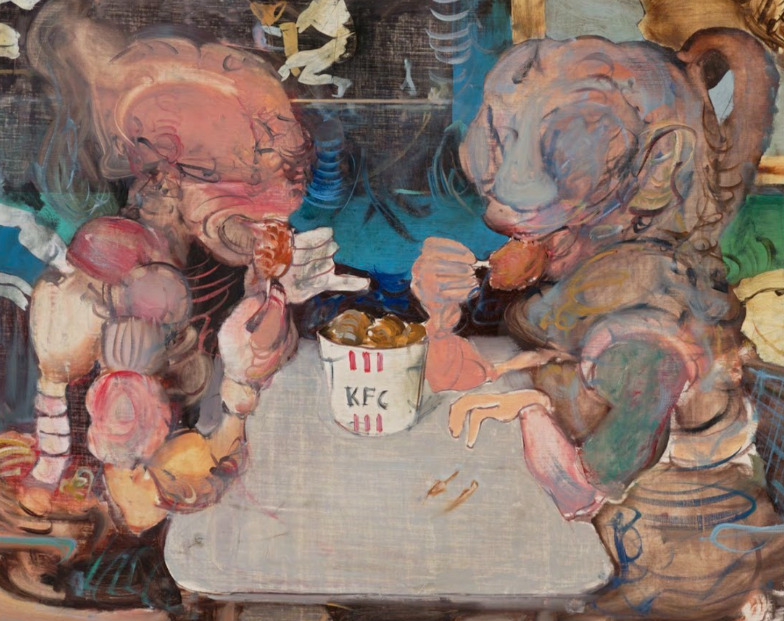
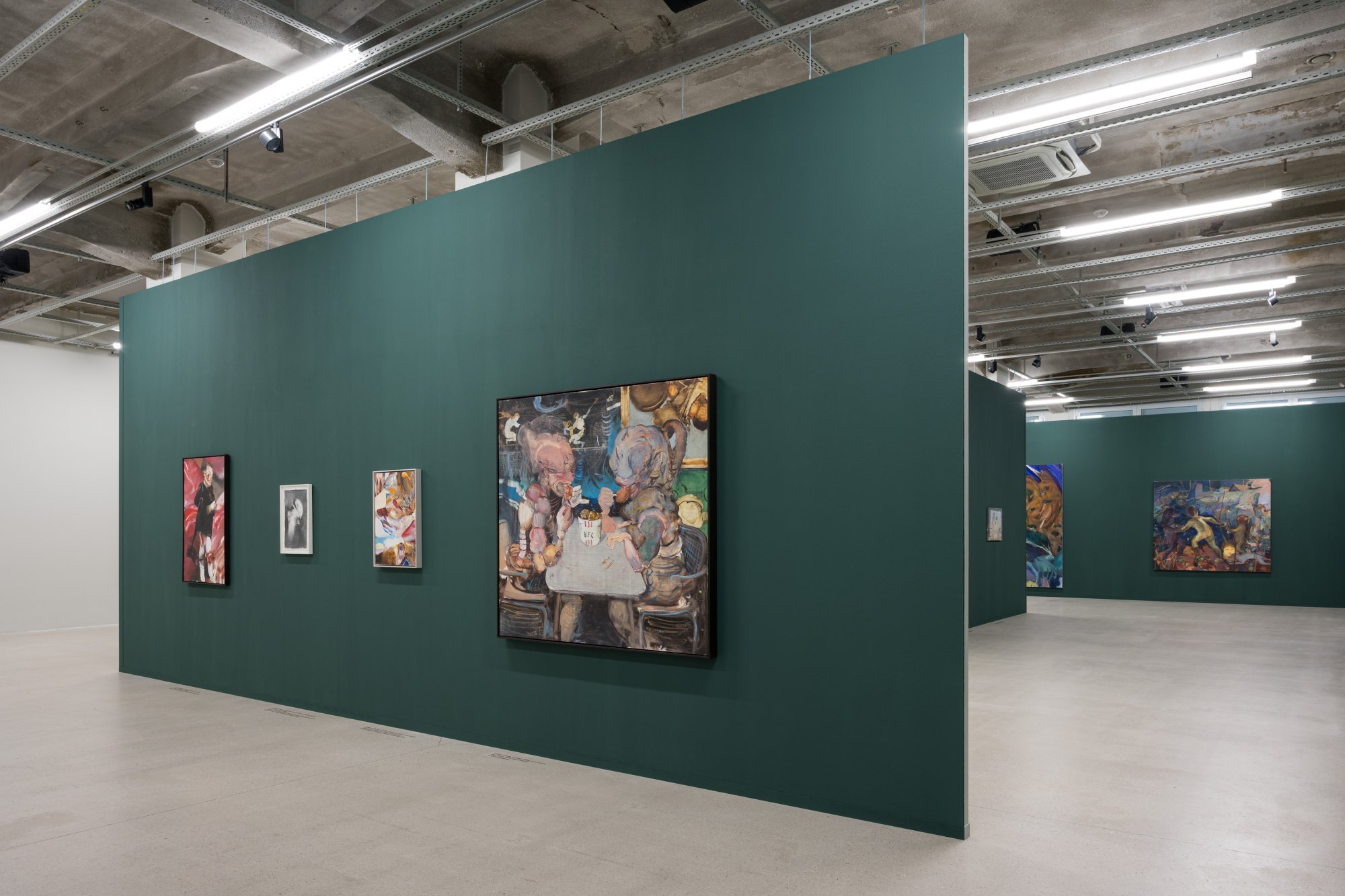
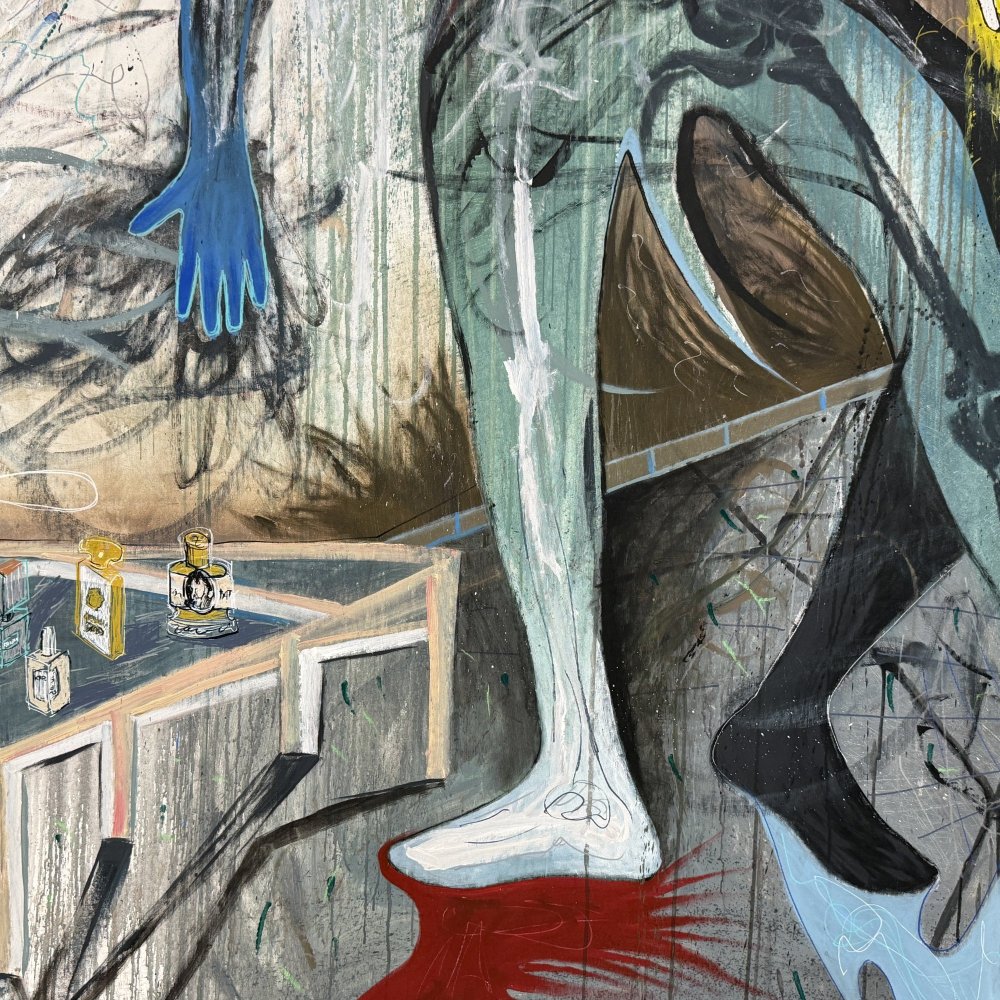
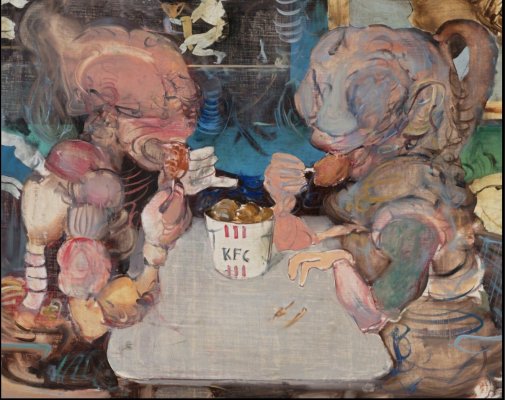
For Ghenie, painting is not just a tool to depict a particular subject, but a profound exploration of the possibilities of the medium itself. His visual language draws on cinema, archival photographs and art history, subjecting these sources to radical deconstruction. The resulting works bear traces of the tension between the clarity of the figure and its disintegration into abstract structures. He is often compared to Francis Bacon for his ability to capture the distortion of the human face and to the Baroque masters for his precise work with contrasting light and shadow. Technically, the artist has undergone a fascinating evolution. Whereas previously the application of paint with a palette knife dominated, creating haptic surfaces, in recent years he has experimented with innovative approaches to drawing and angle. He then brings his multi-layered studies to the canvas with a new sensibility, exploring the instability of collective memory and the traumatic aspects of European history through blurred portraits.
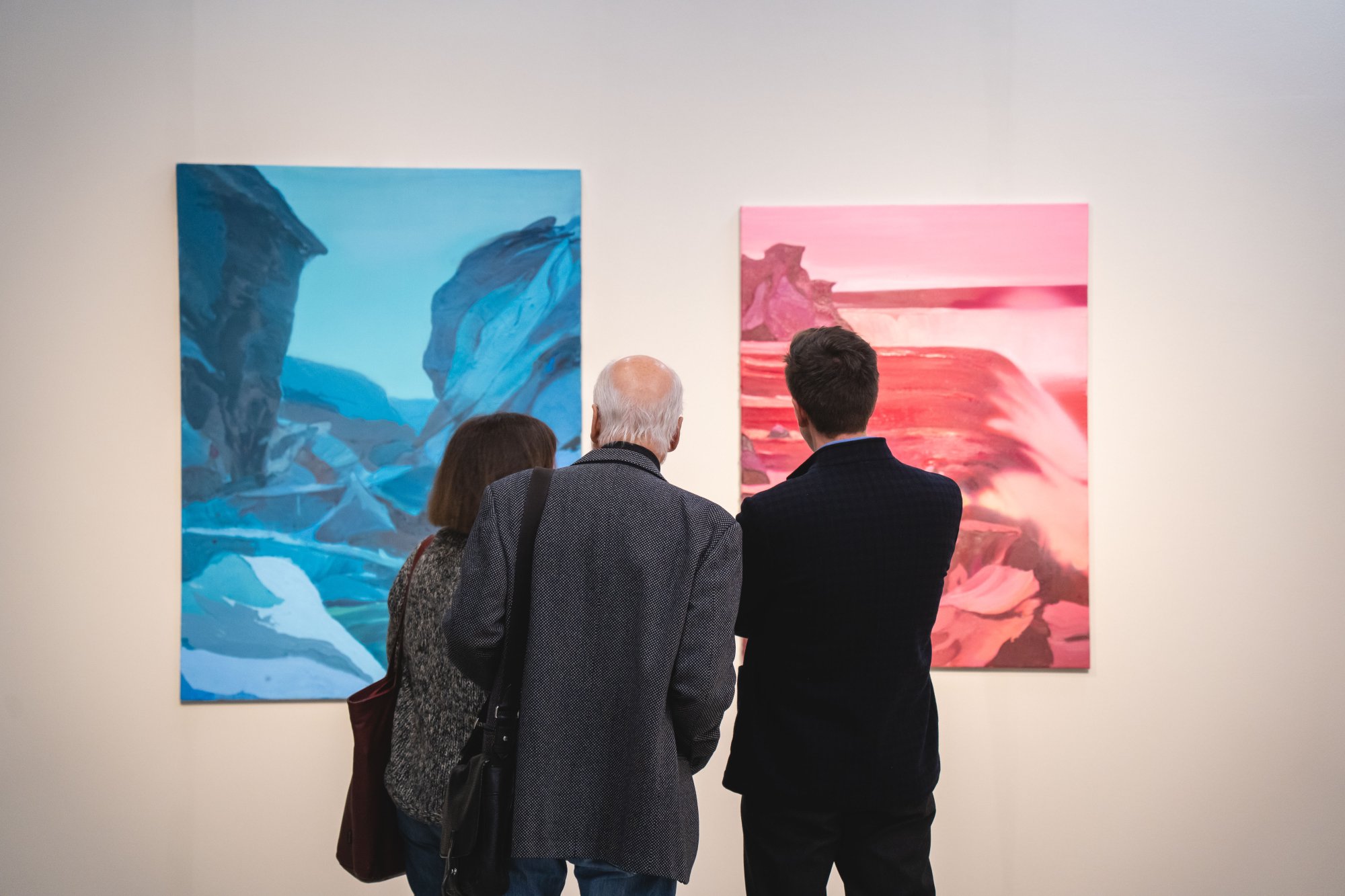
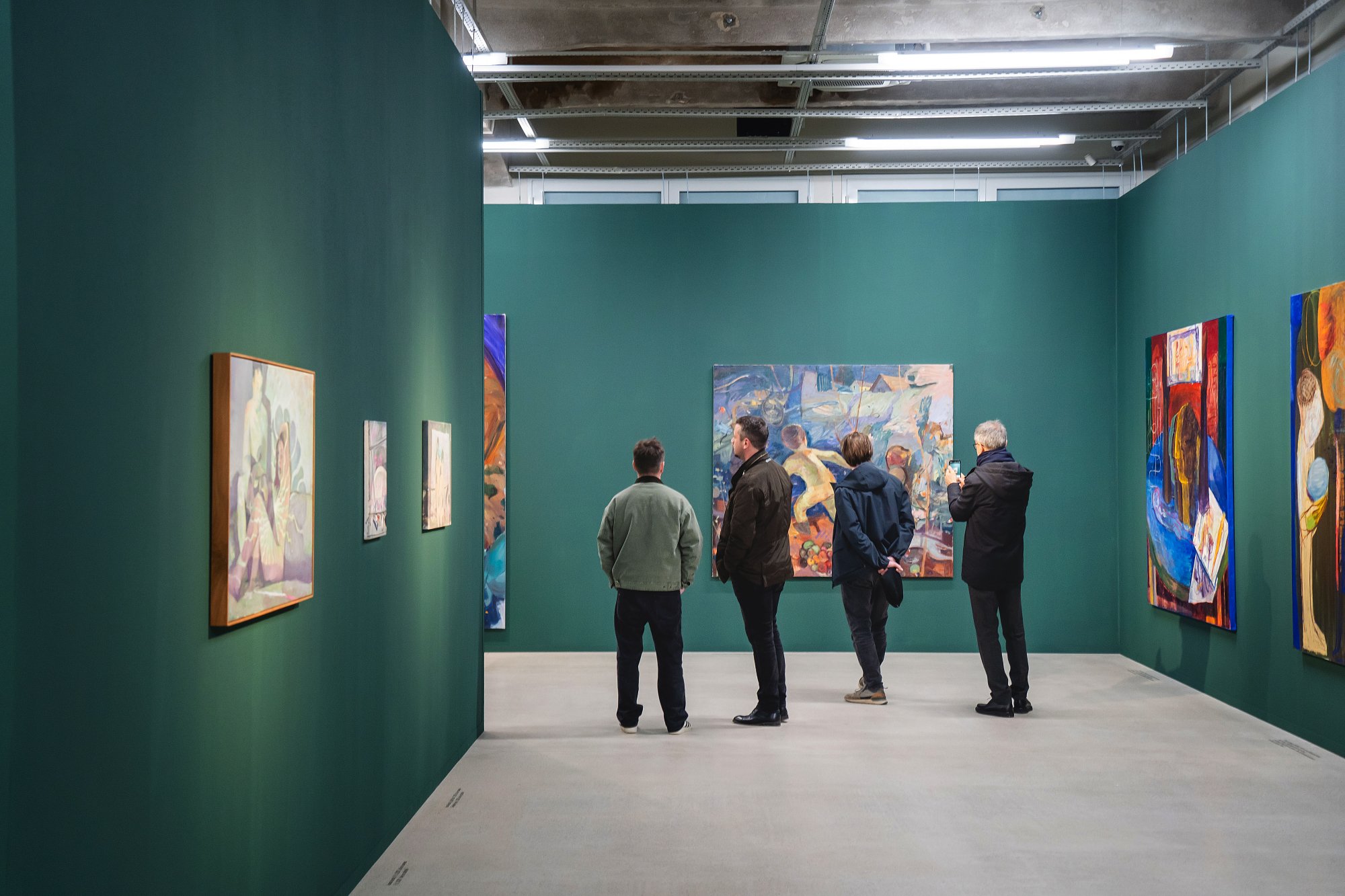
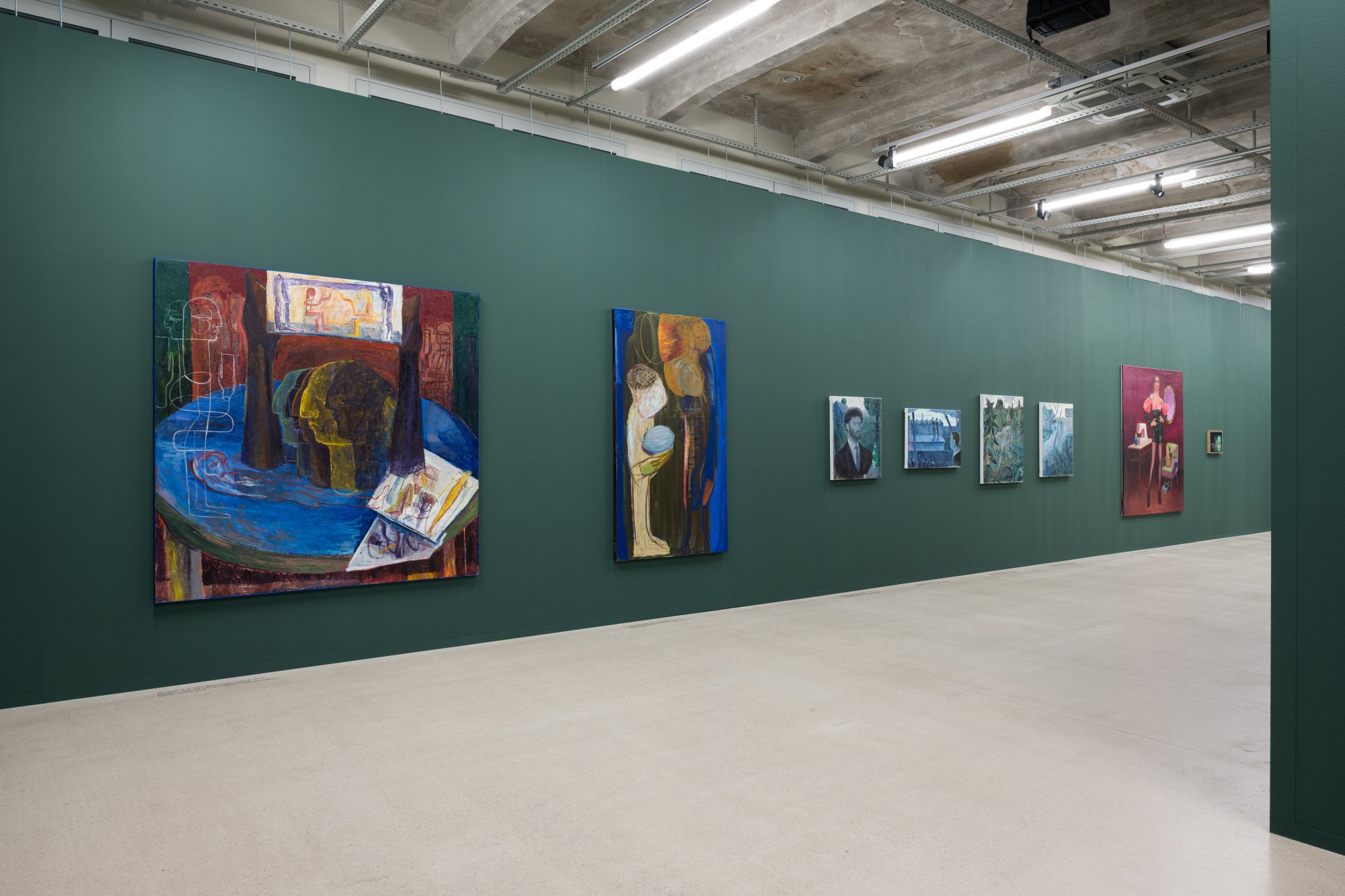
Ghenie's global attention was definitively confirmed in 2015 when he represented Romania at the Venice Biennale with the installation Darwin Room. In fact, alongside classical painting, he also creates complex installations conceived as a room within a room, where a dark and ritualistic atmosphere engulfs the viewer. Today he is represented in the world's most important collections, such as the Centre Pompidou in Paris, the Tate Modern in London and the Metropolitan Museum of Art in New York, and his works fetch record amounts at auction. In the context of the exhibition Transylvanian Painting Today at the Telegraph Gallery, his legacy represents the absolute pinnacle of the Glaswegian scene. Ghenie has not only become an artistic phenomenon, but has profoundly influenced the prestige of the entire Central and Eastern European region on a global level.