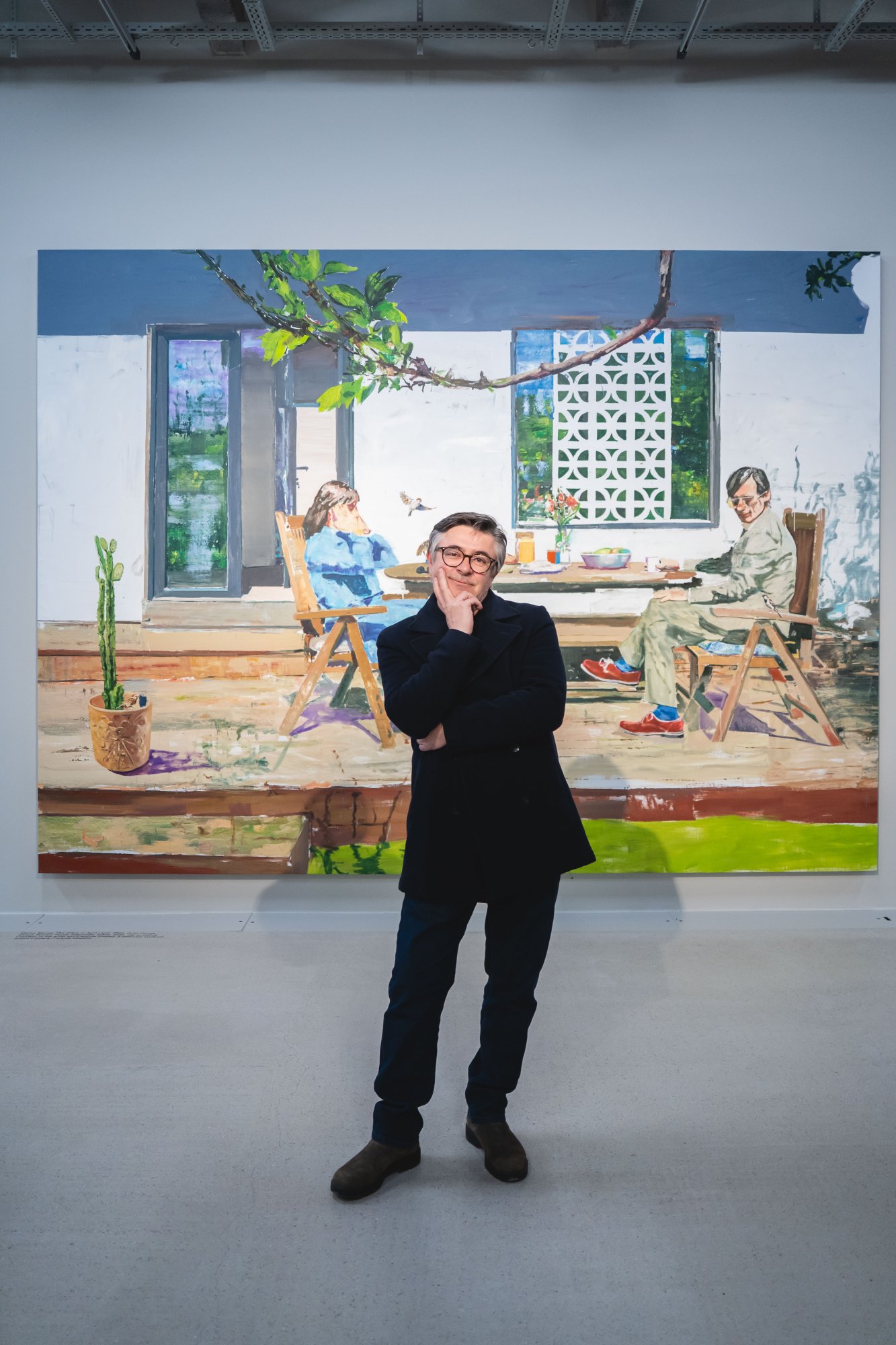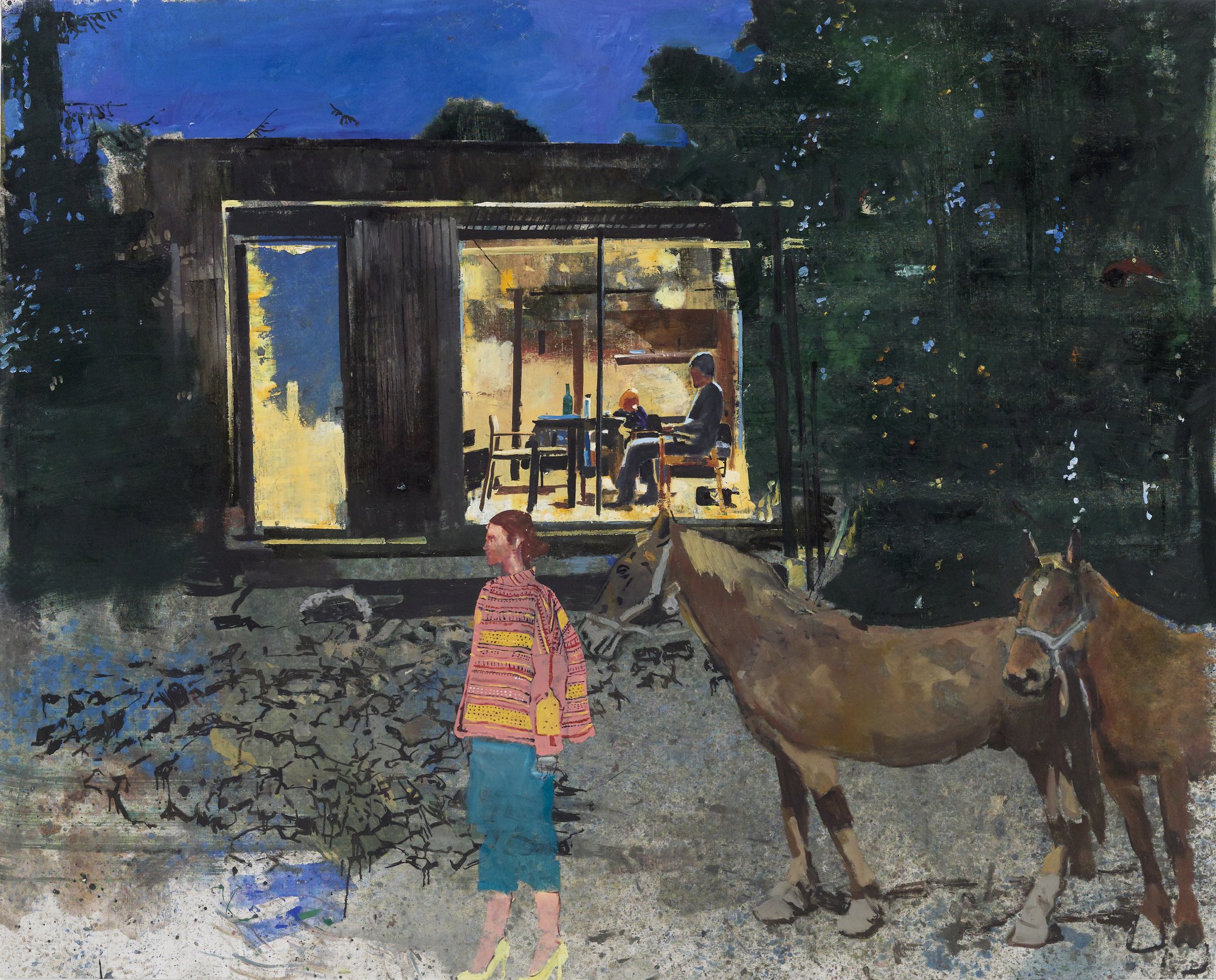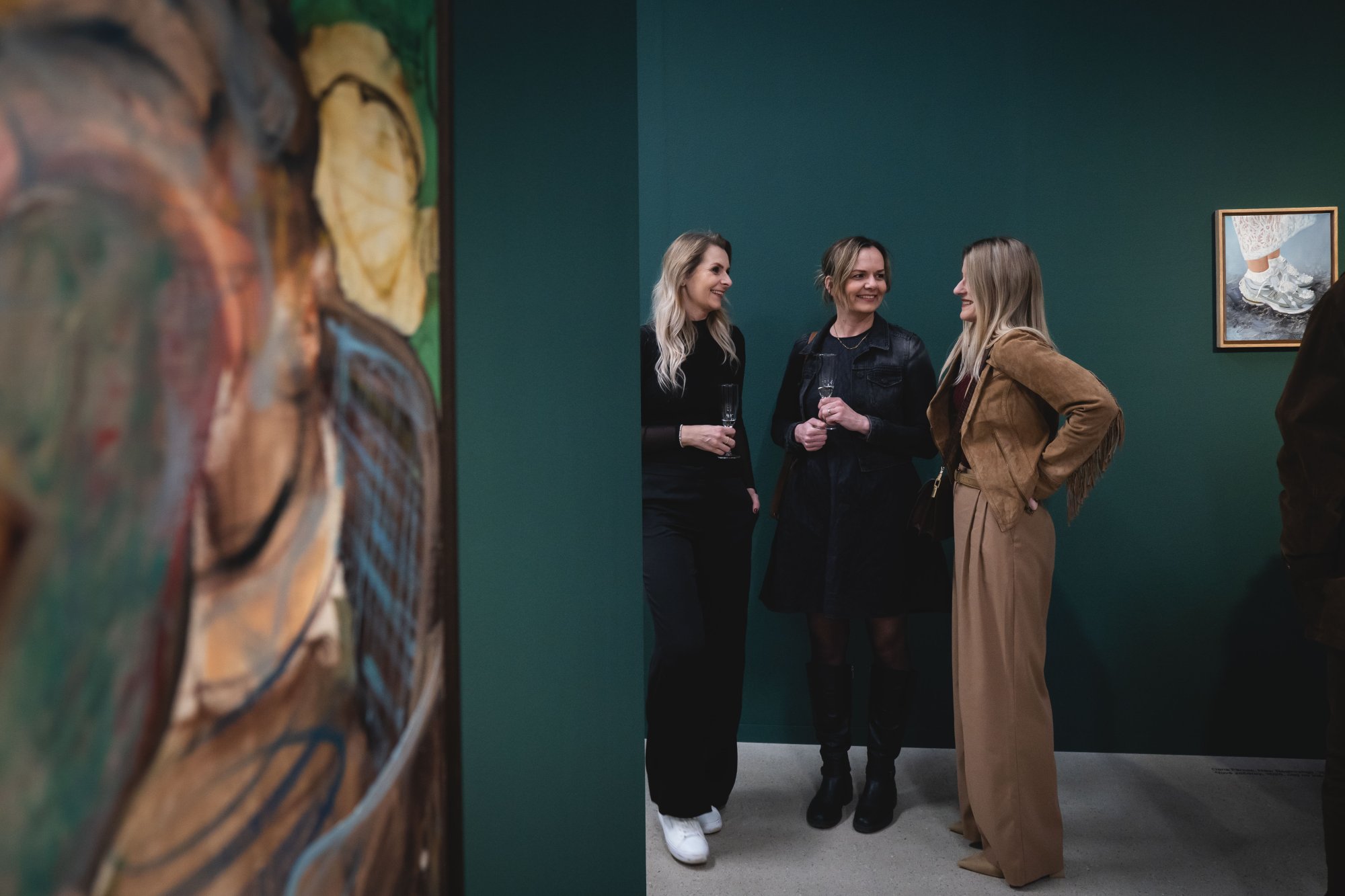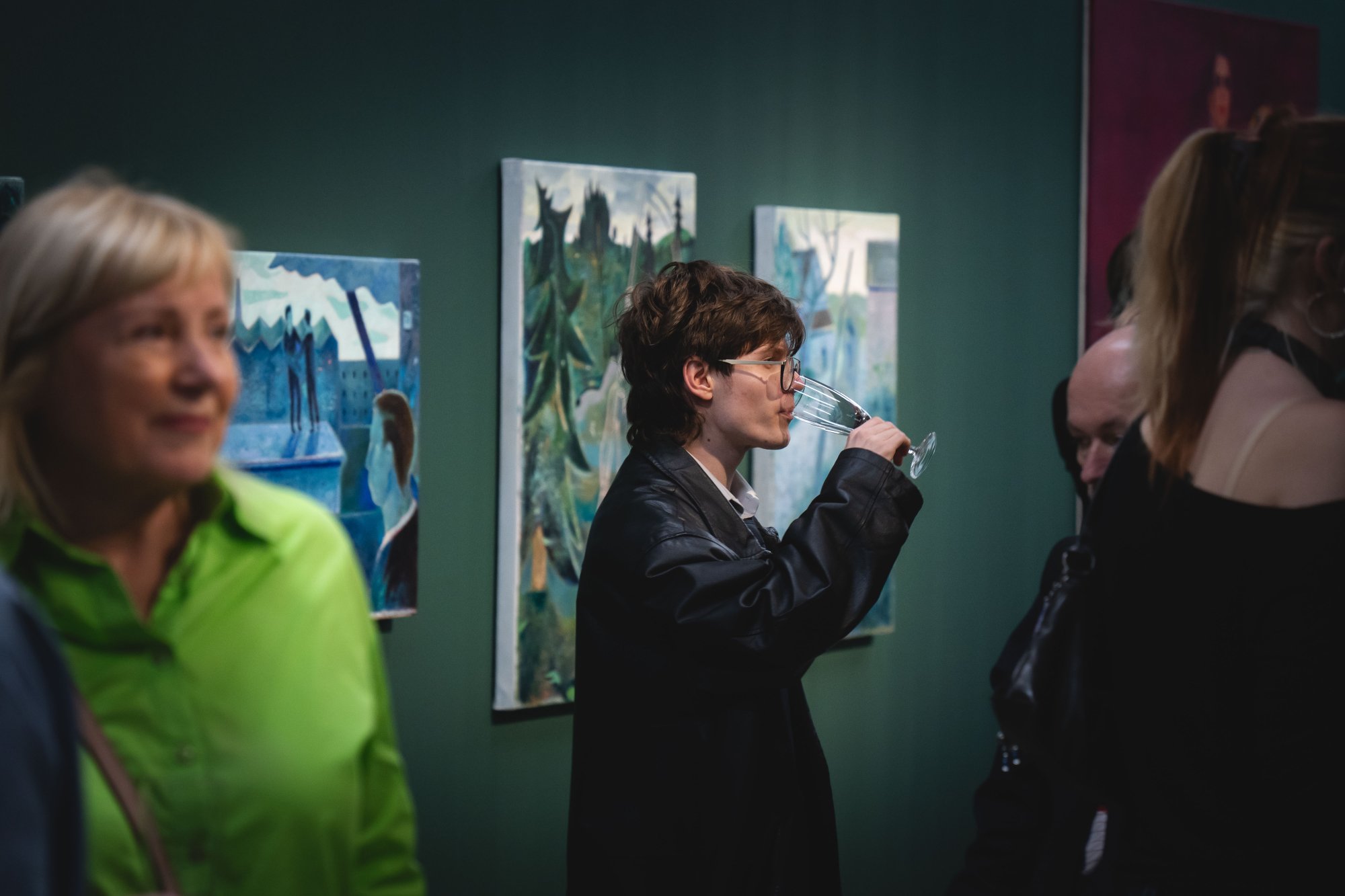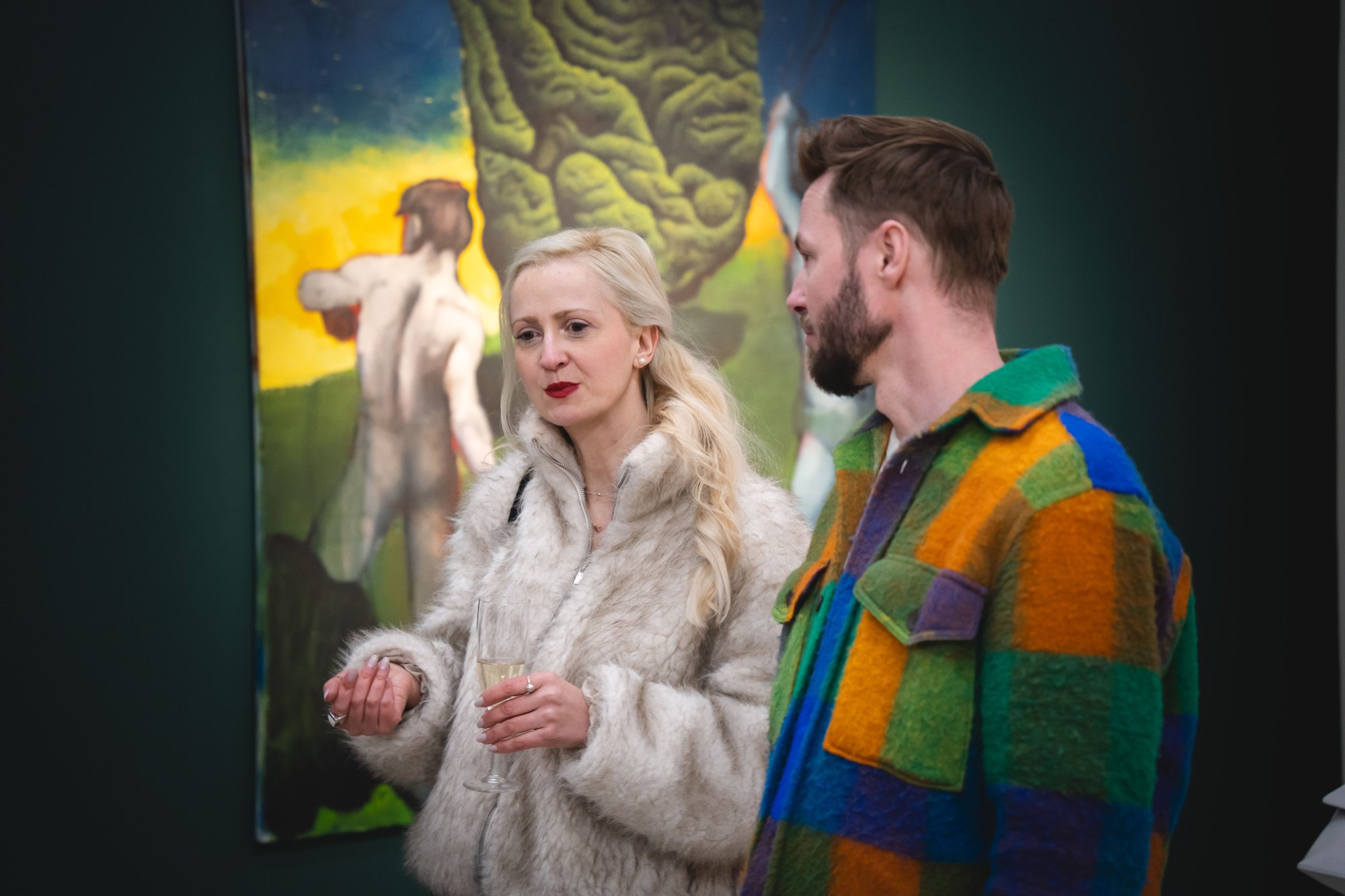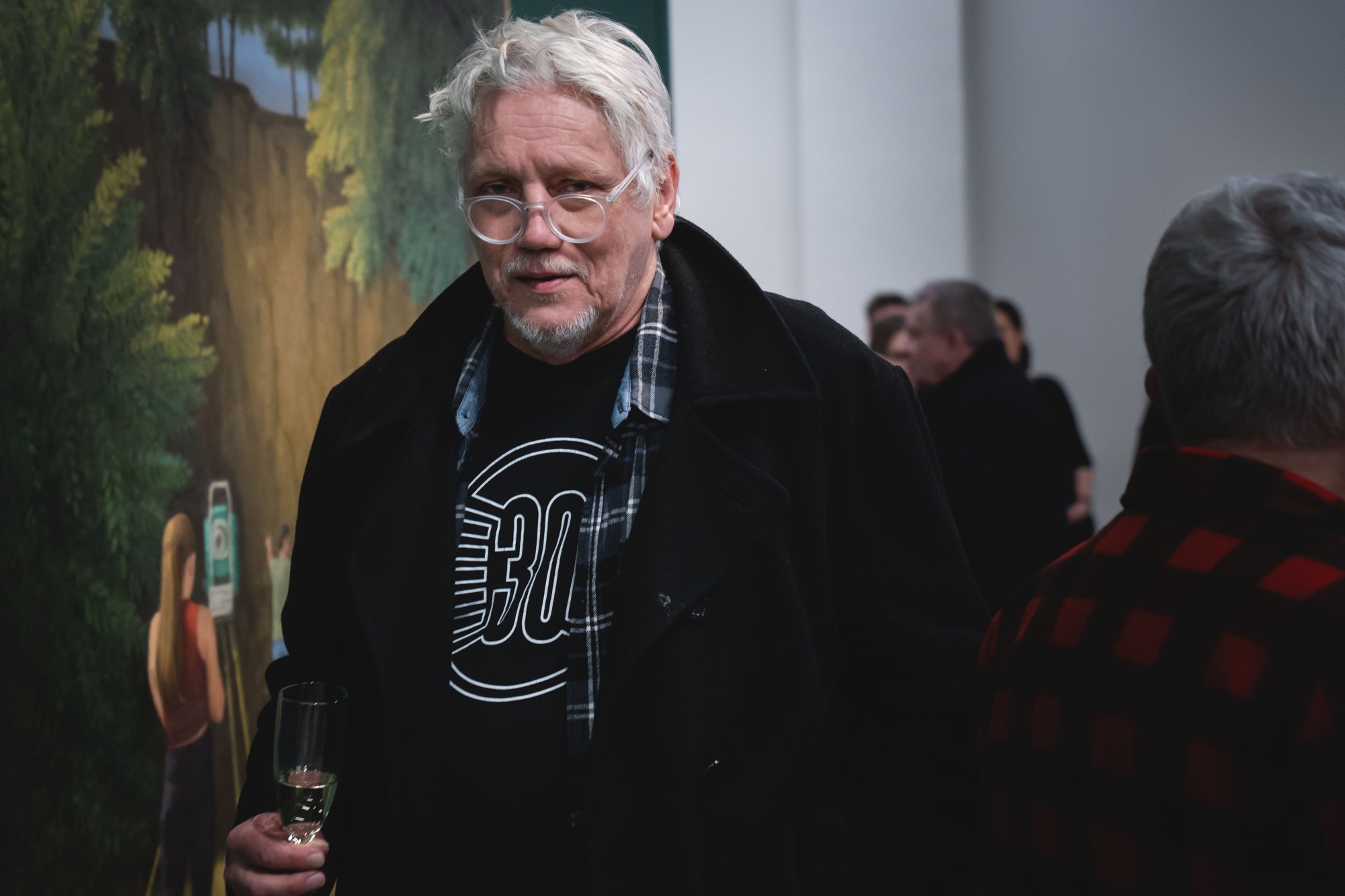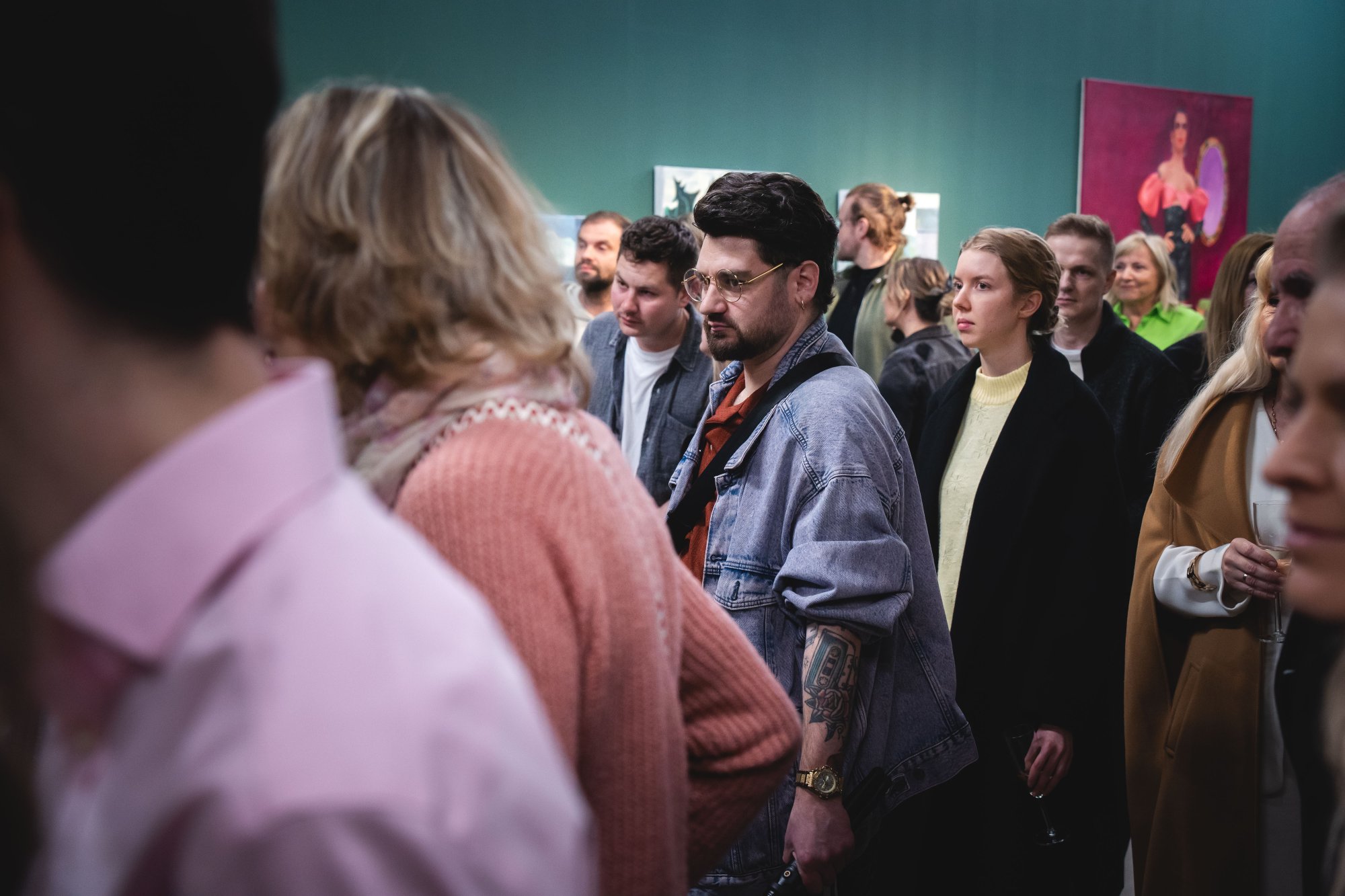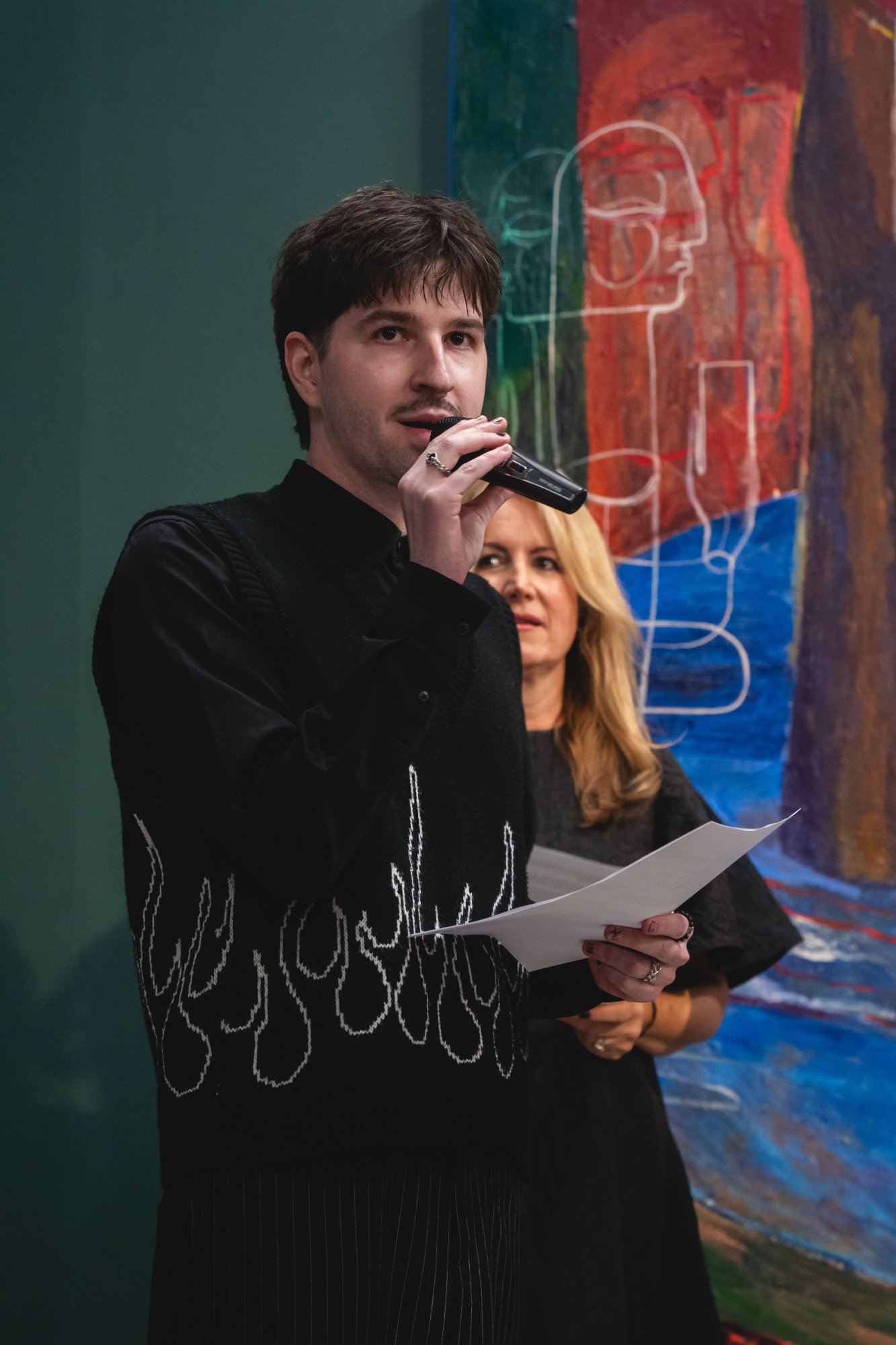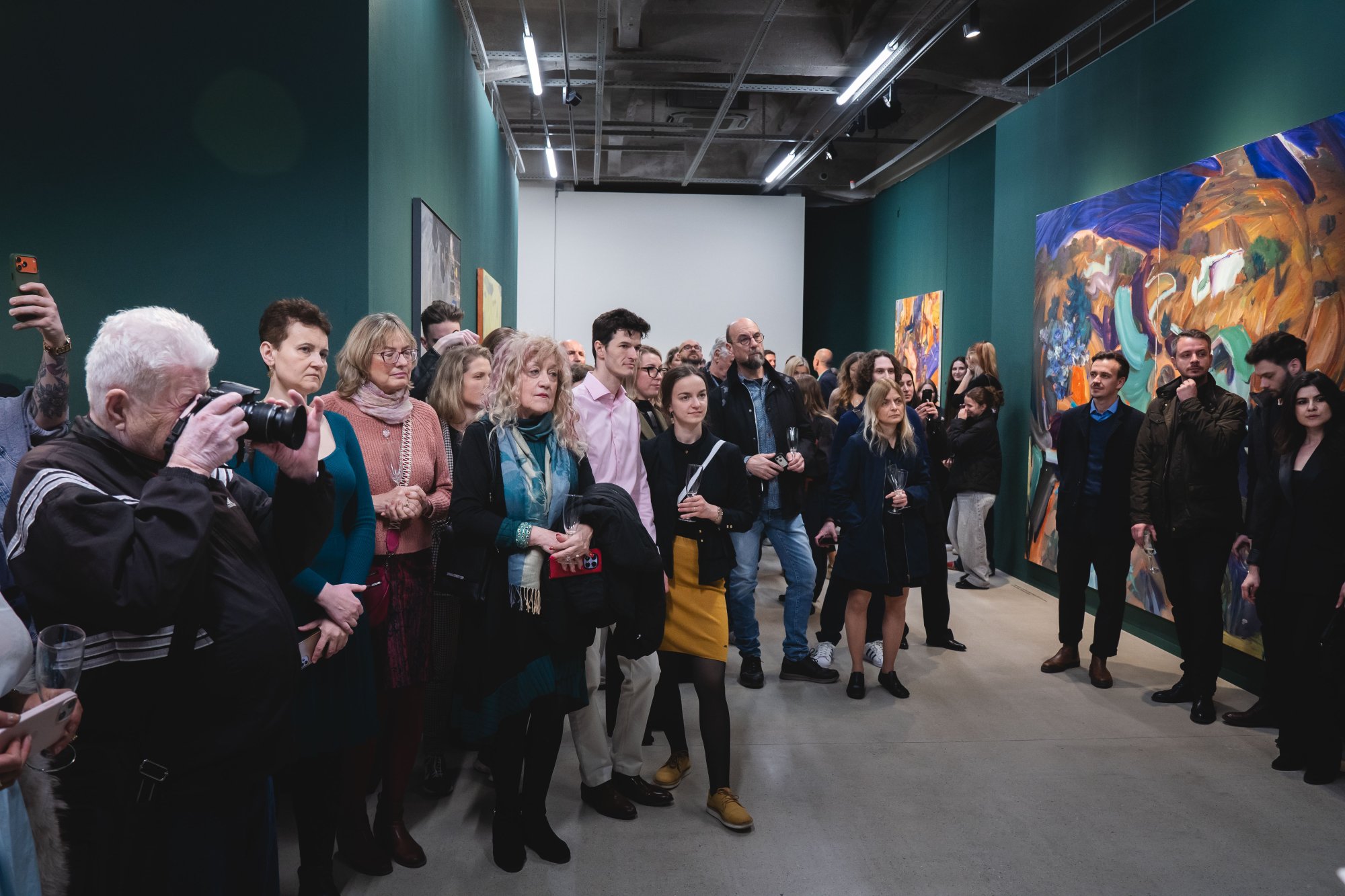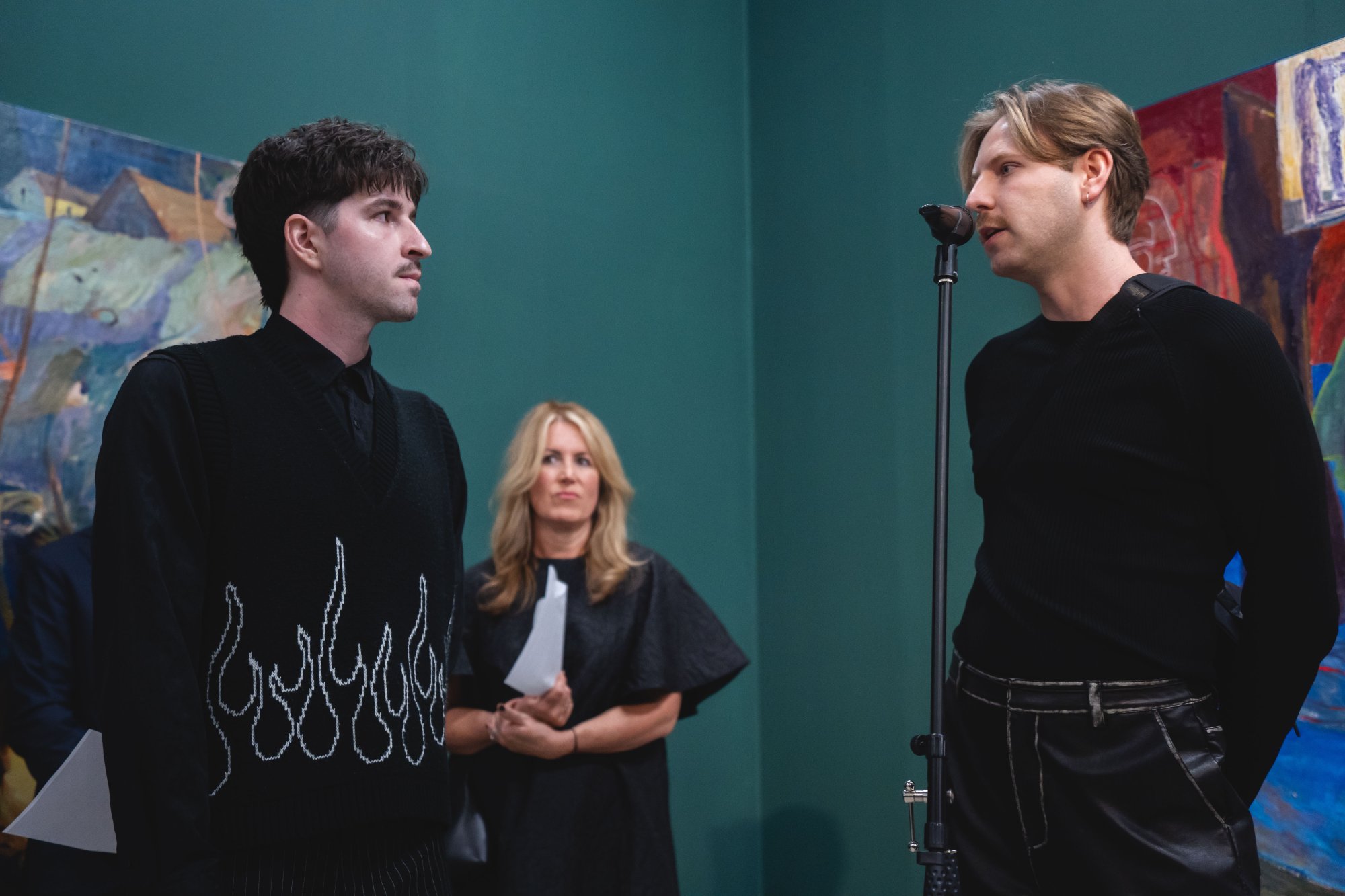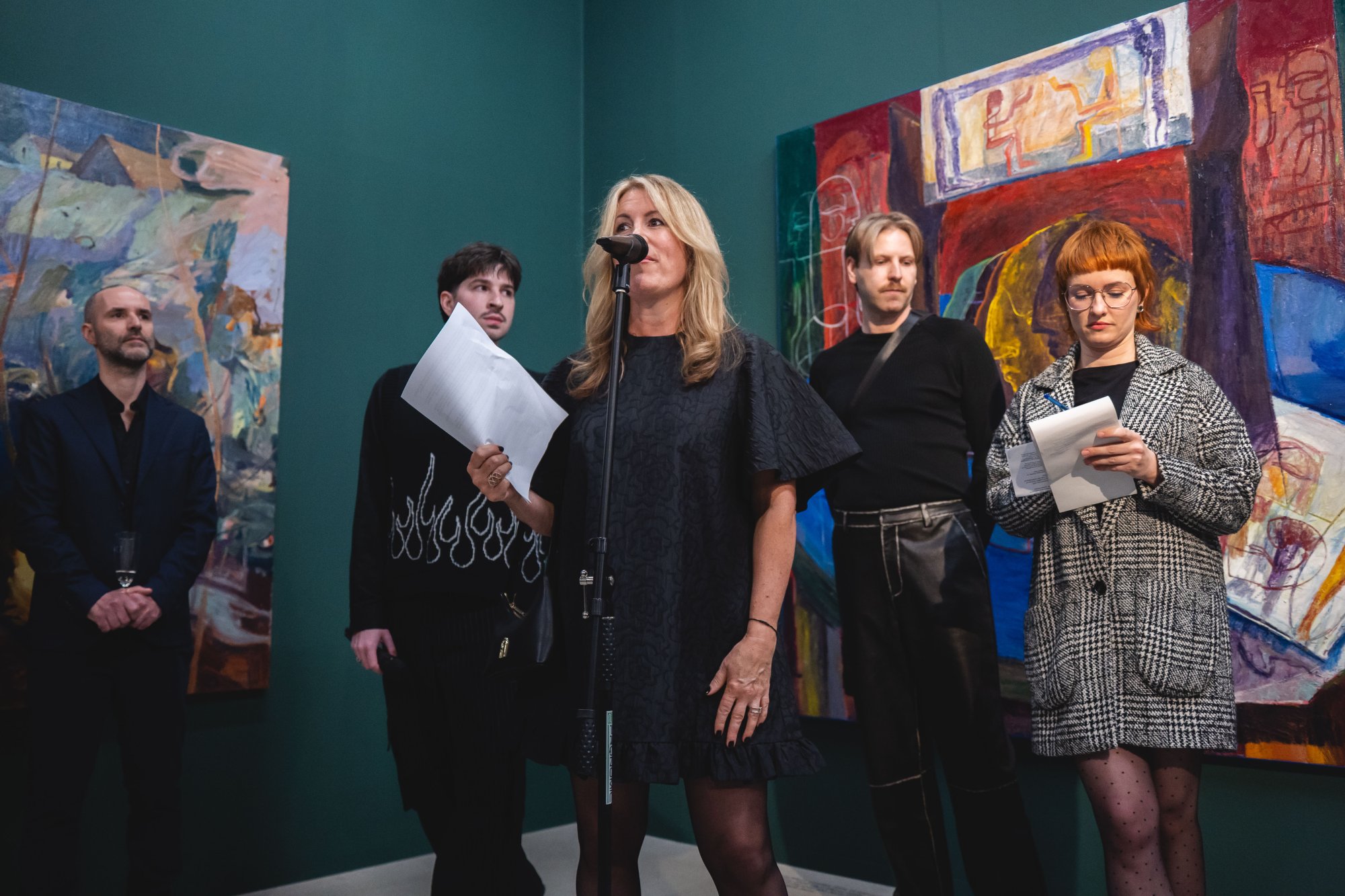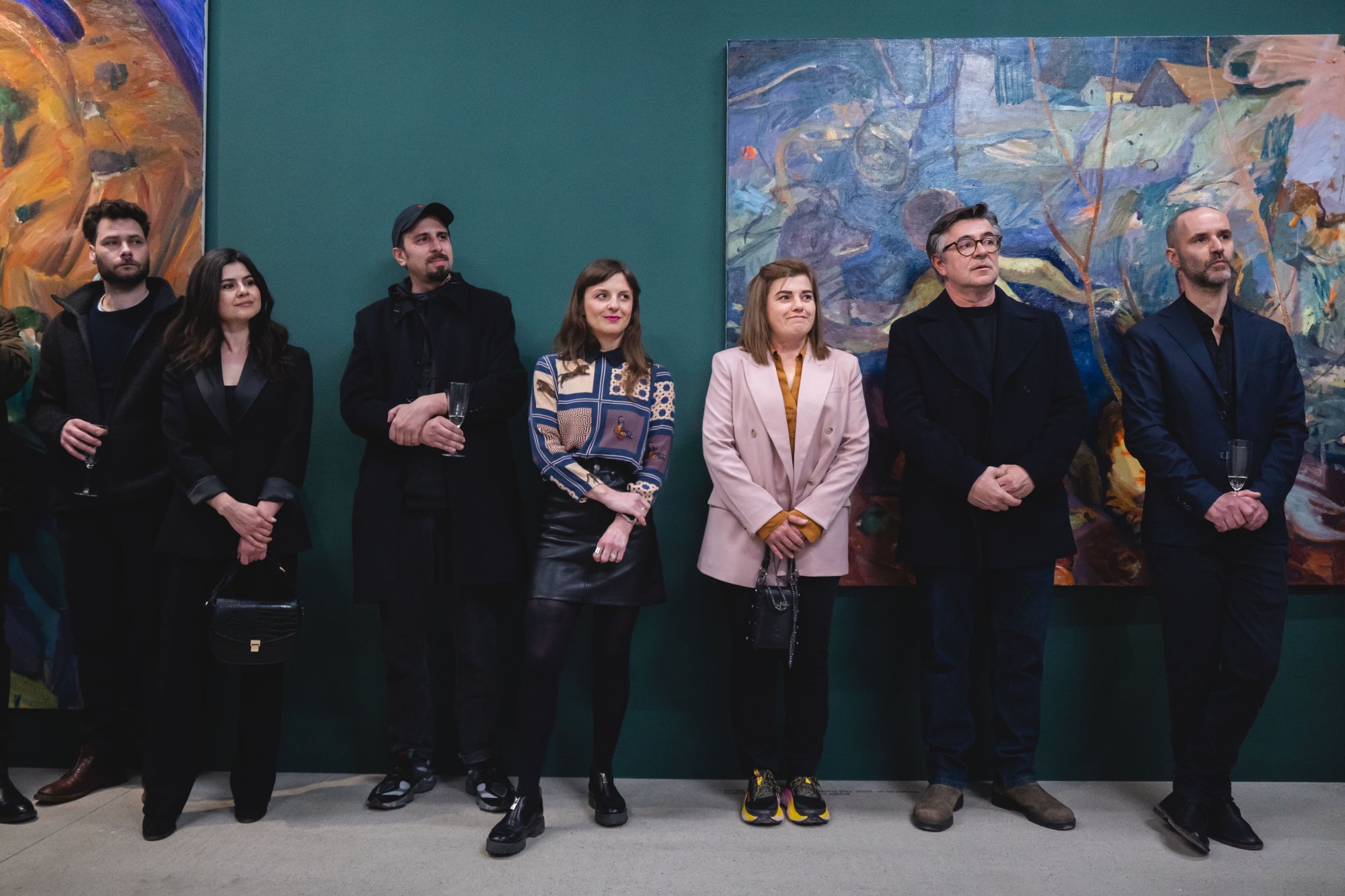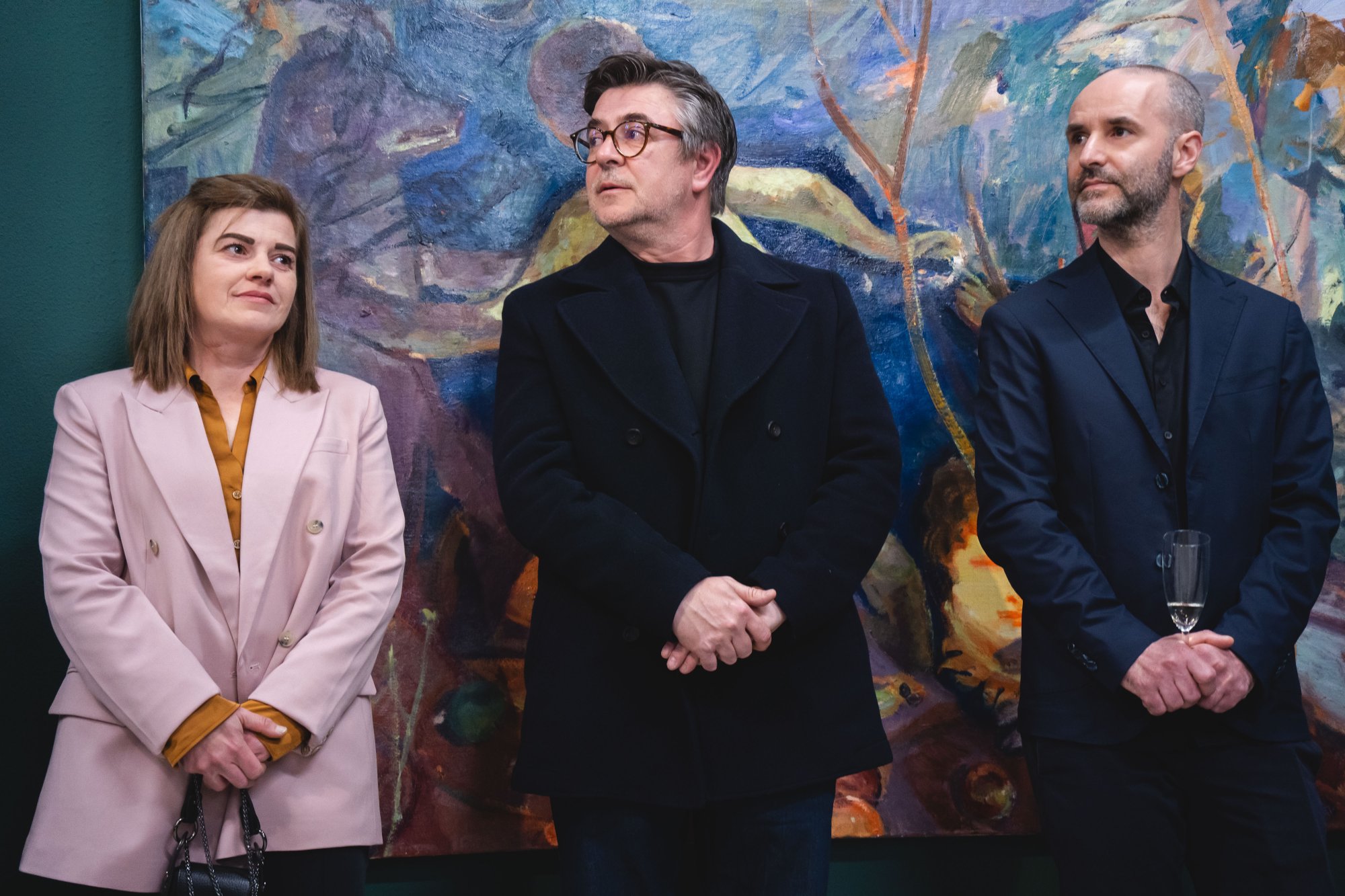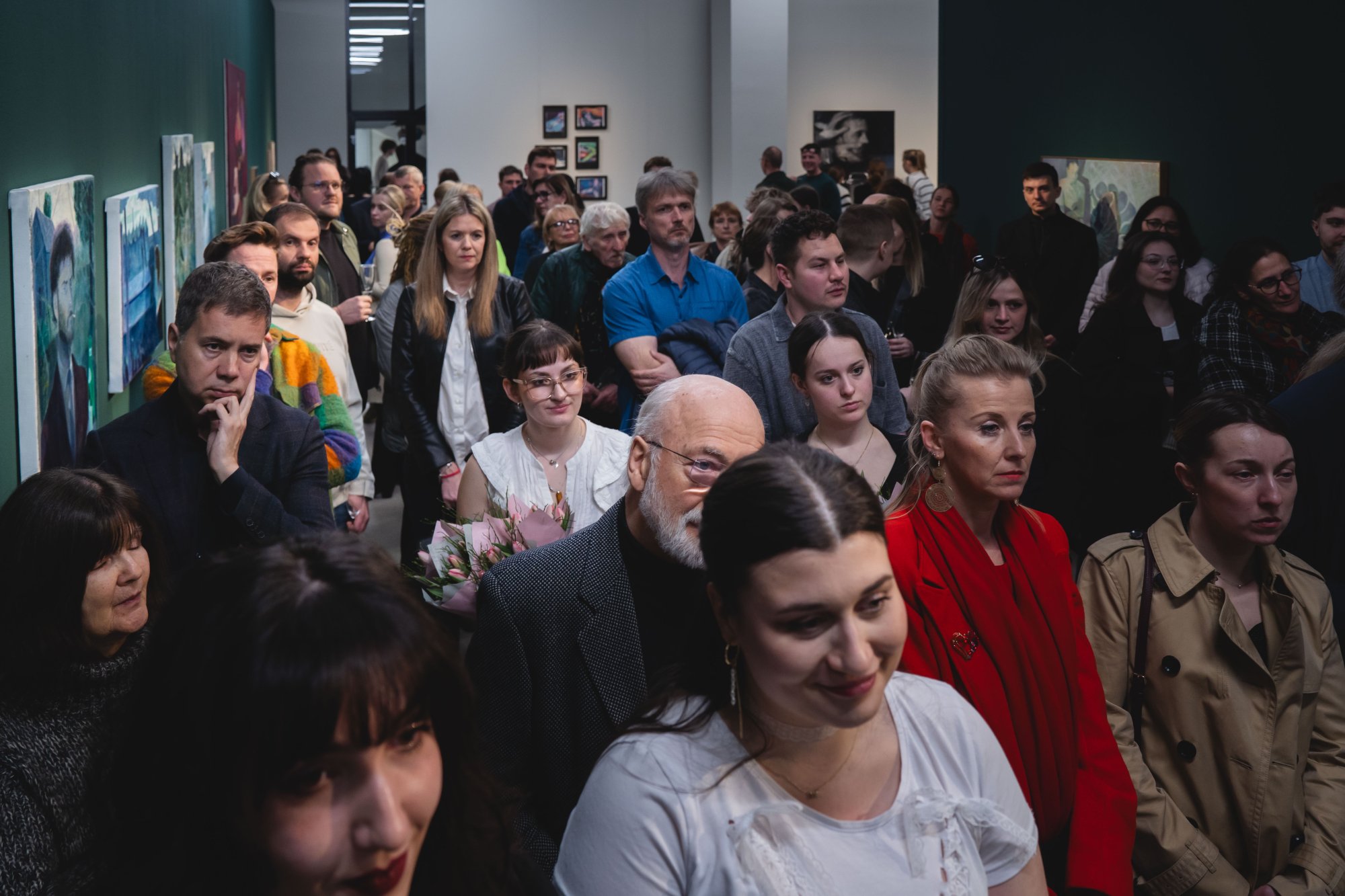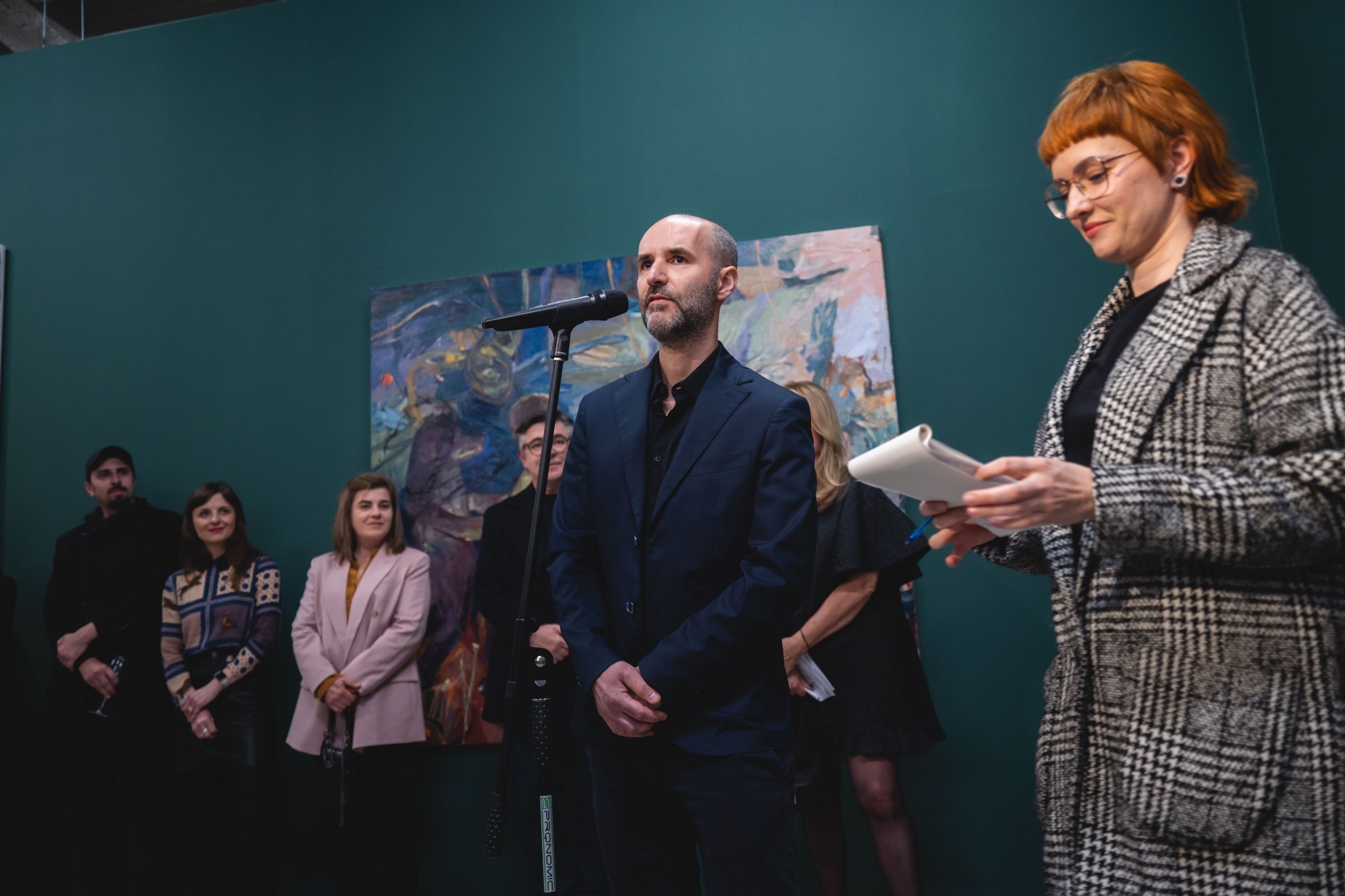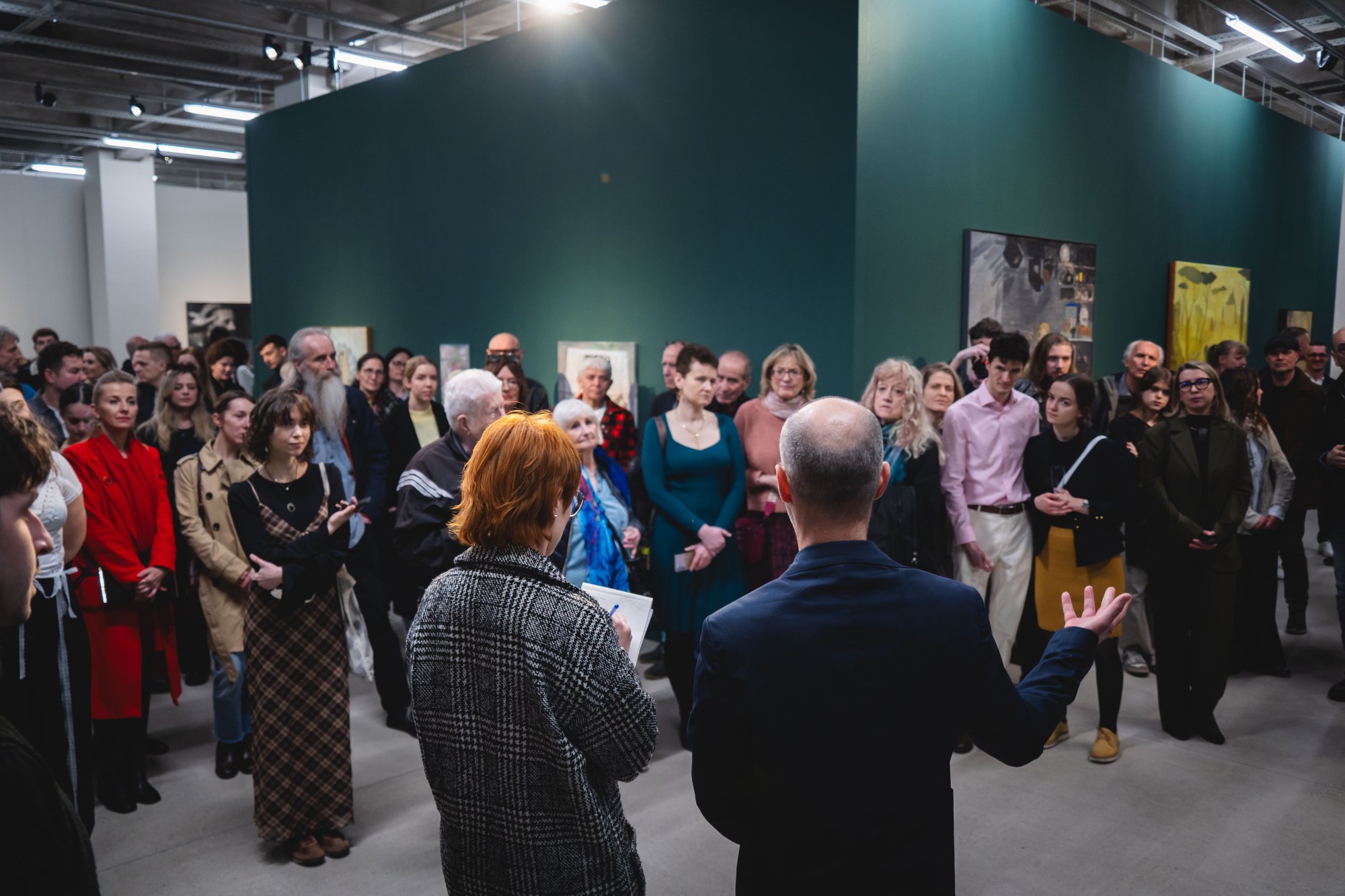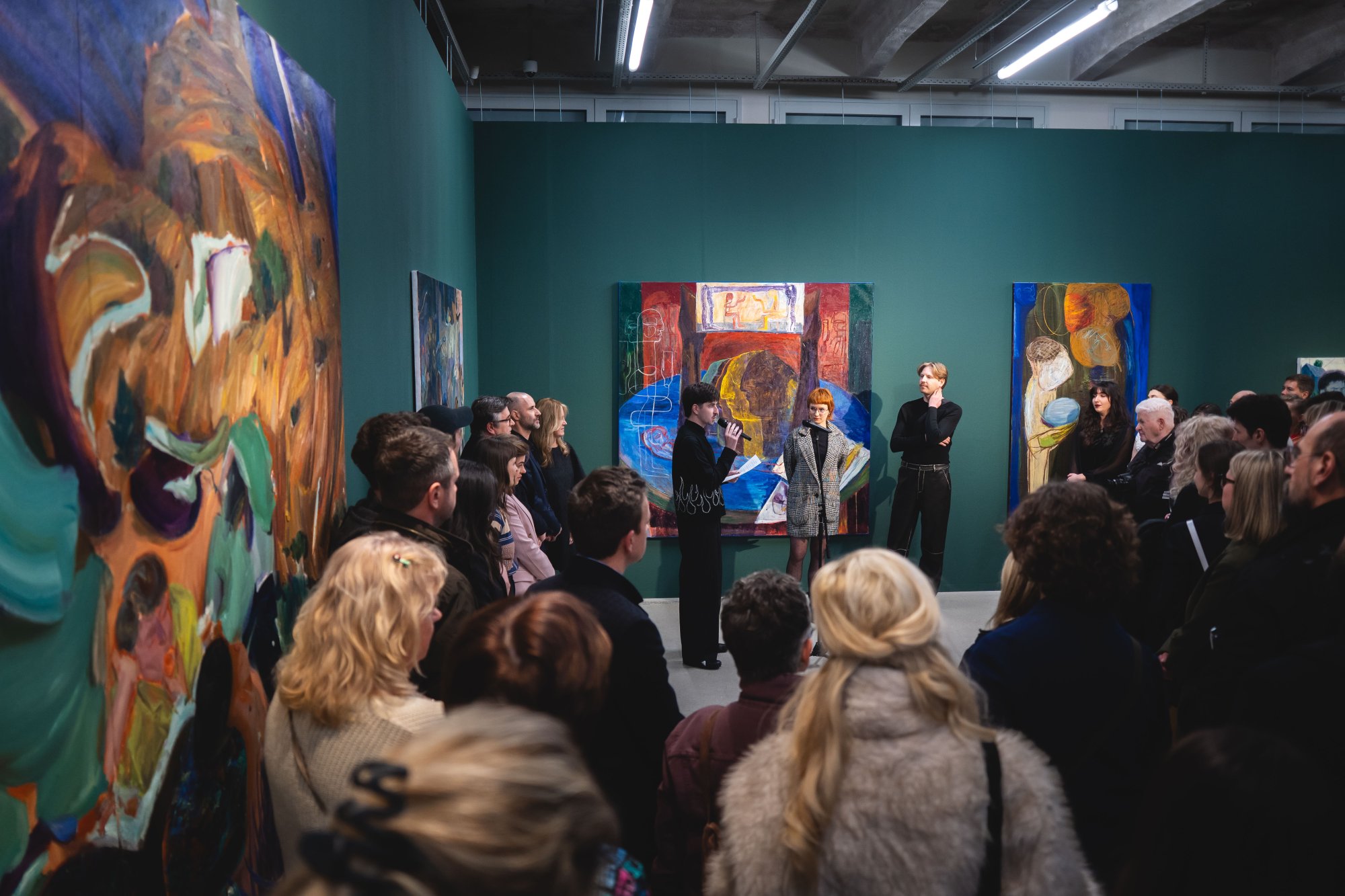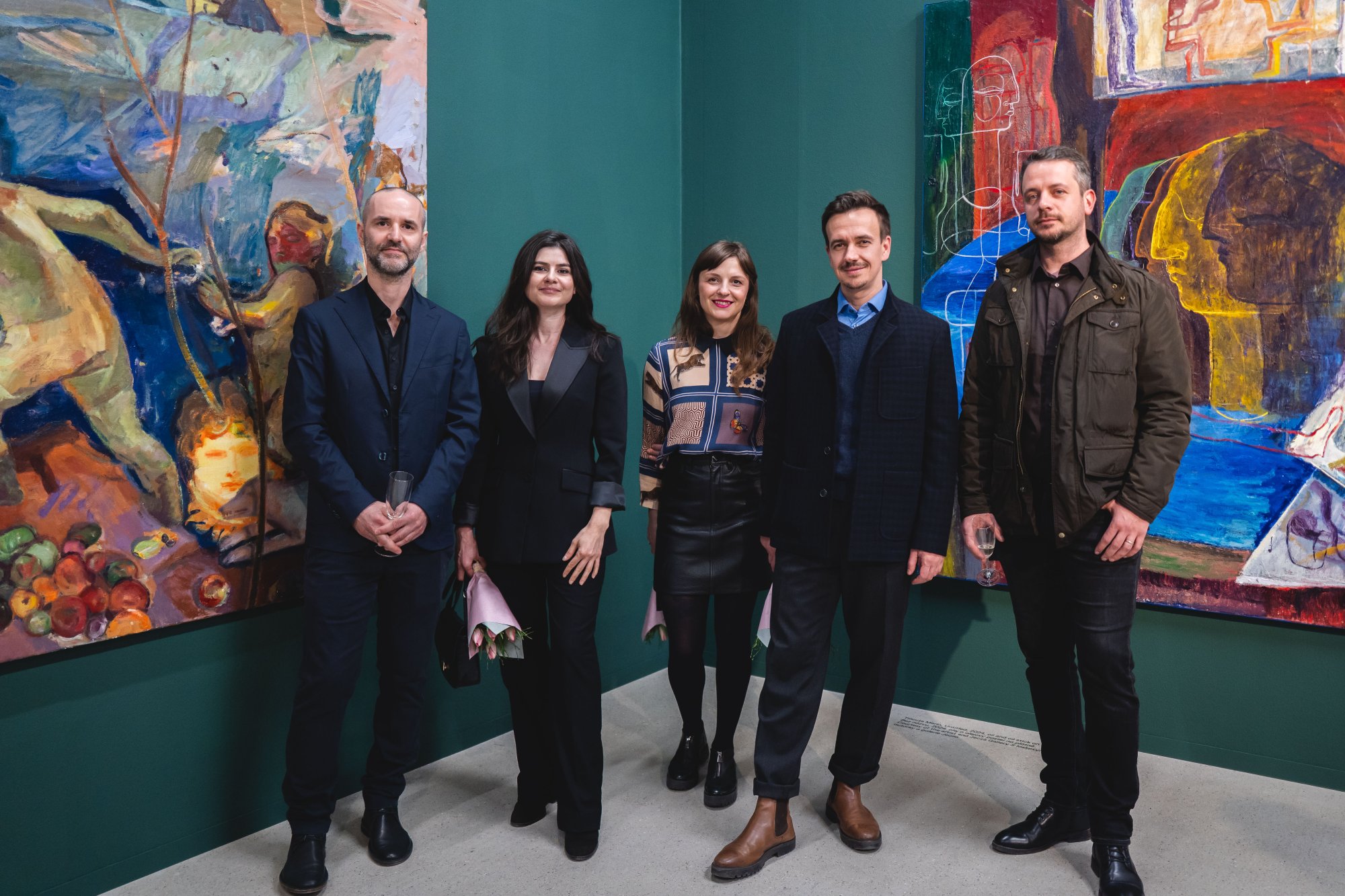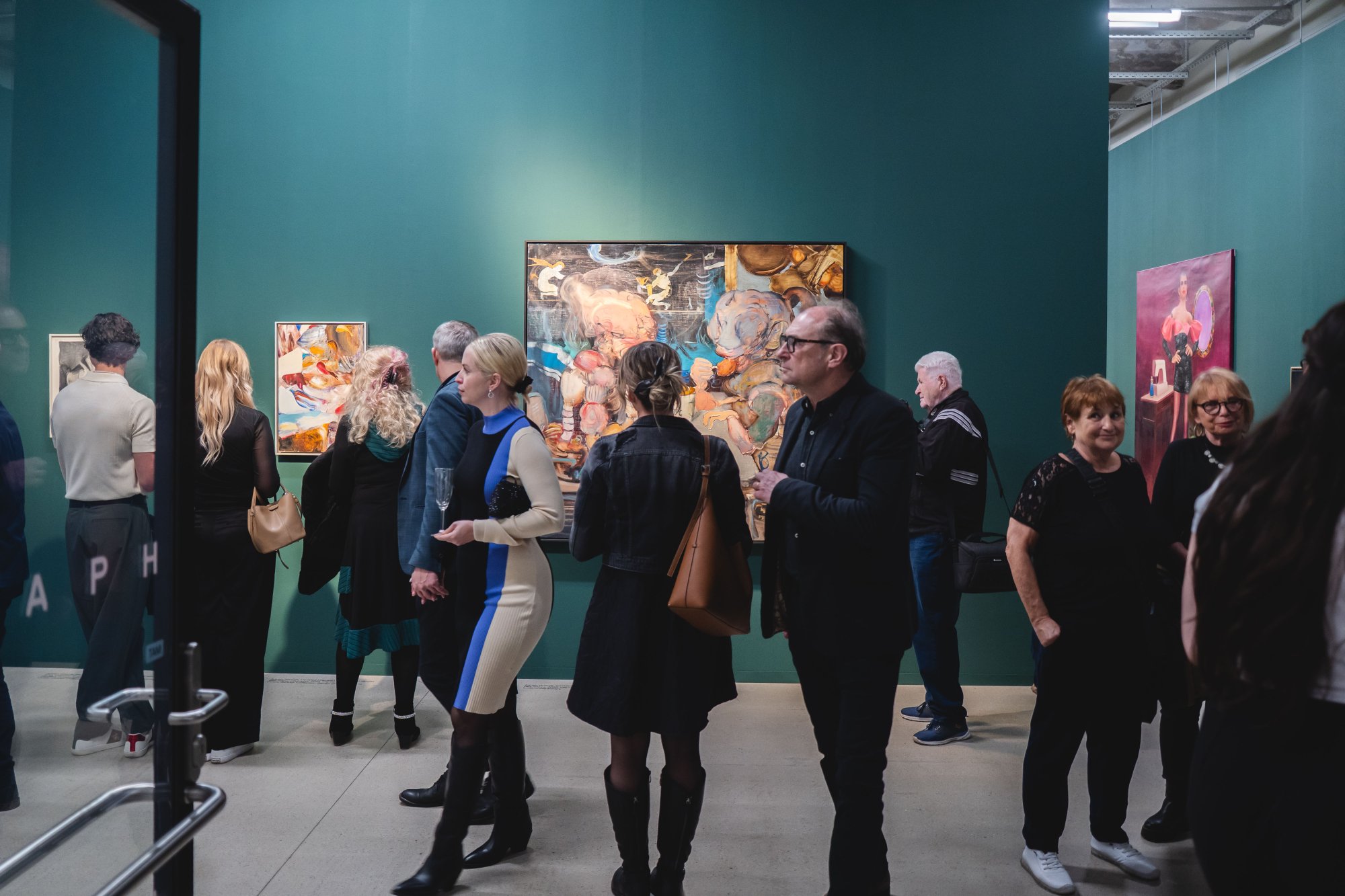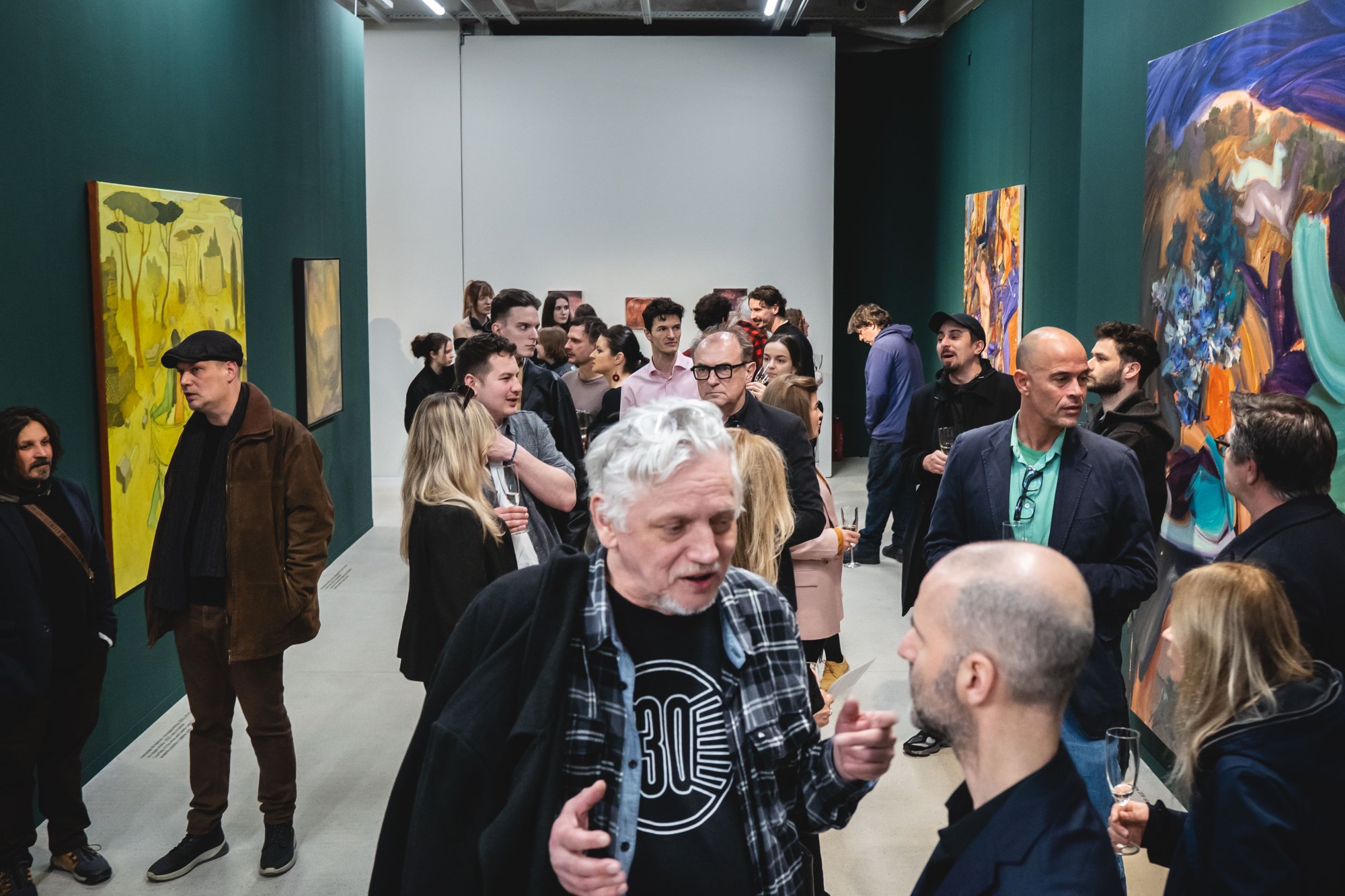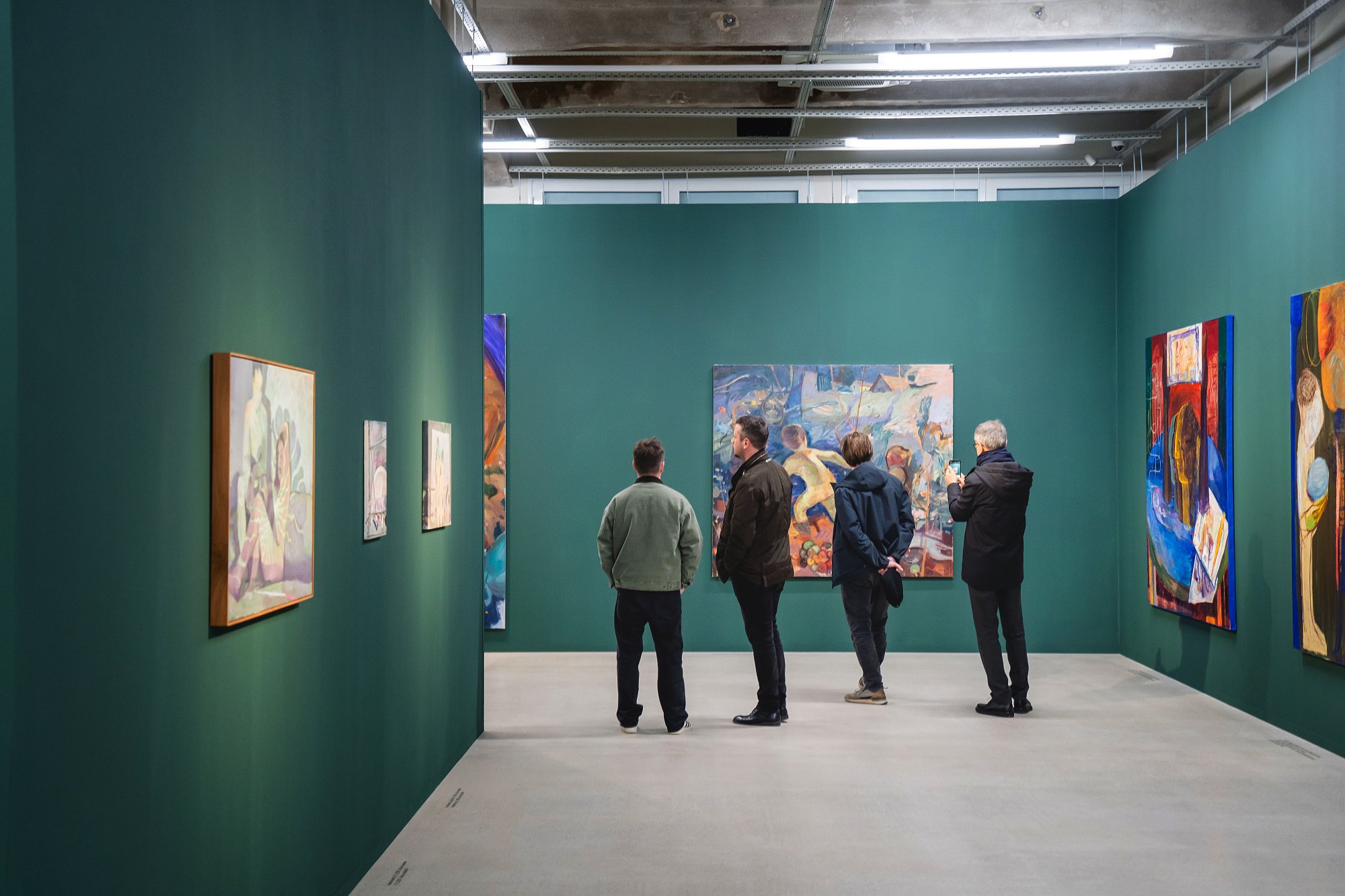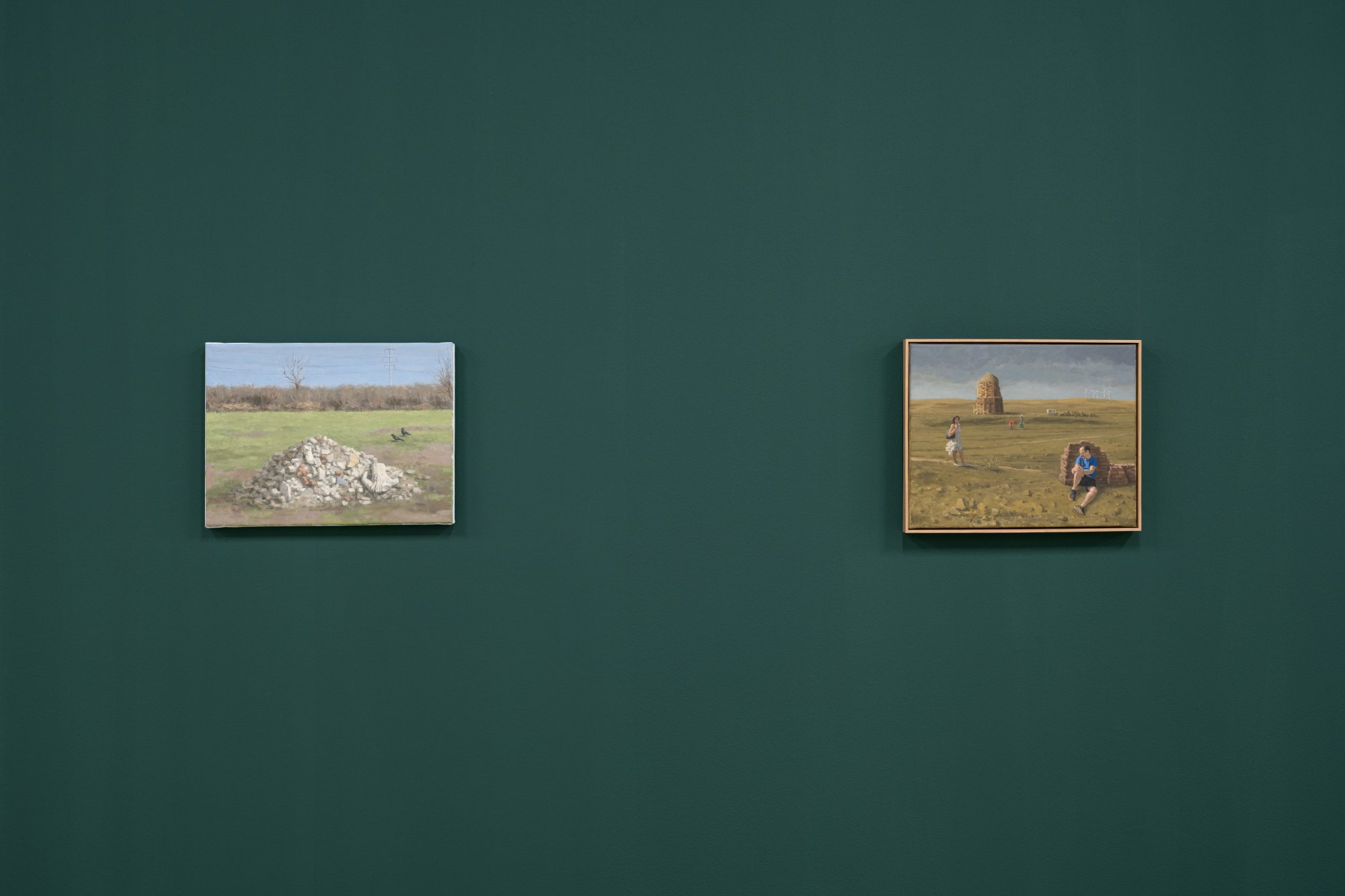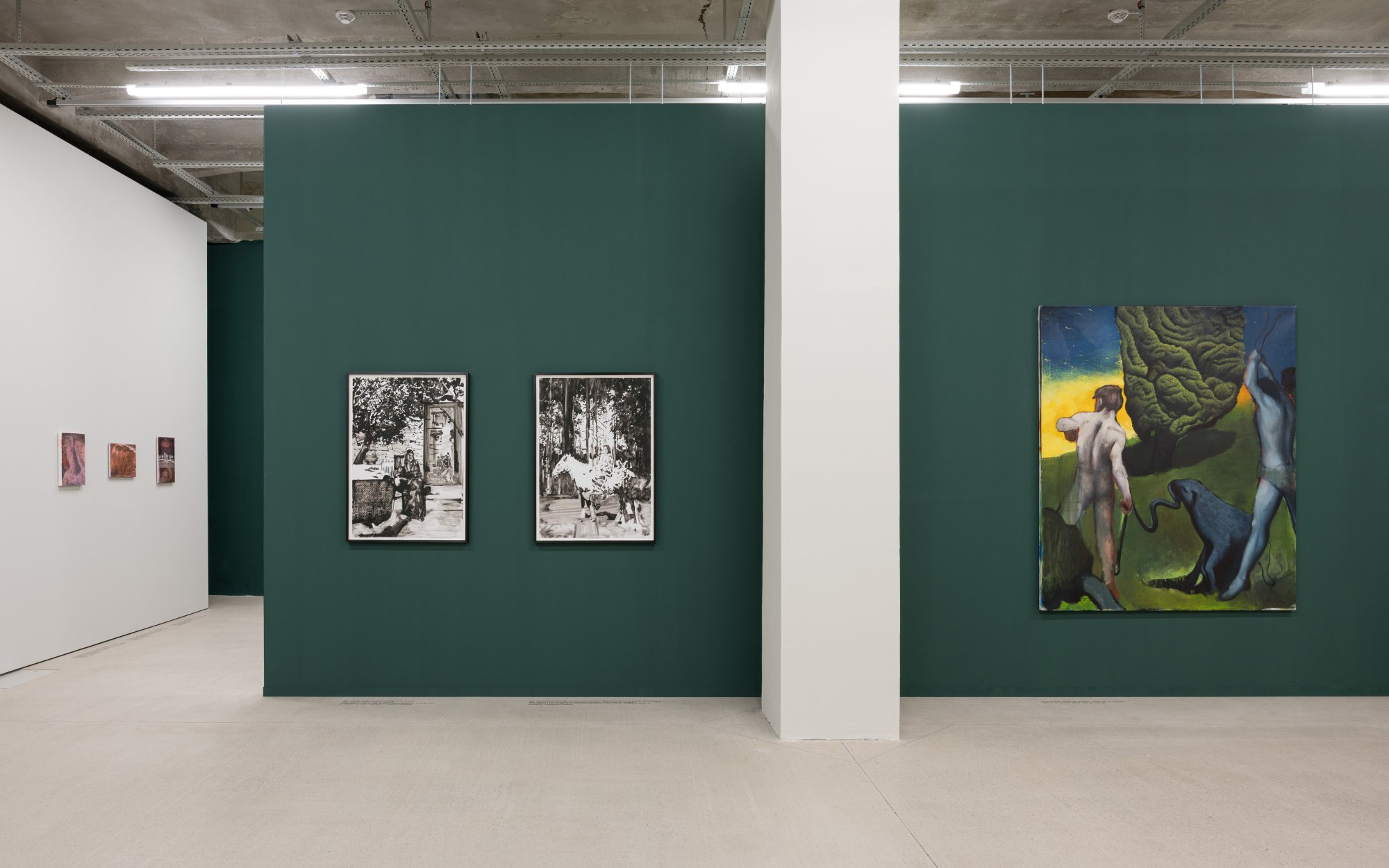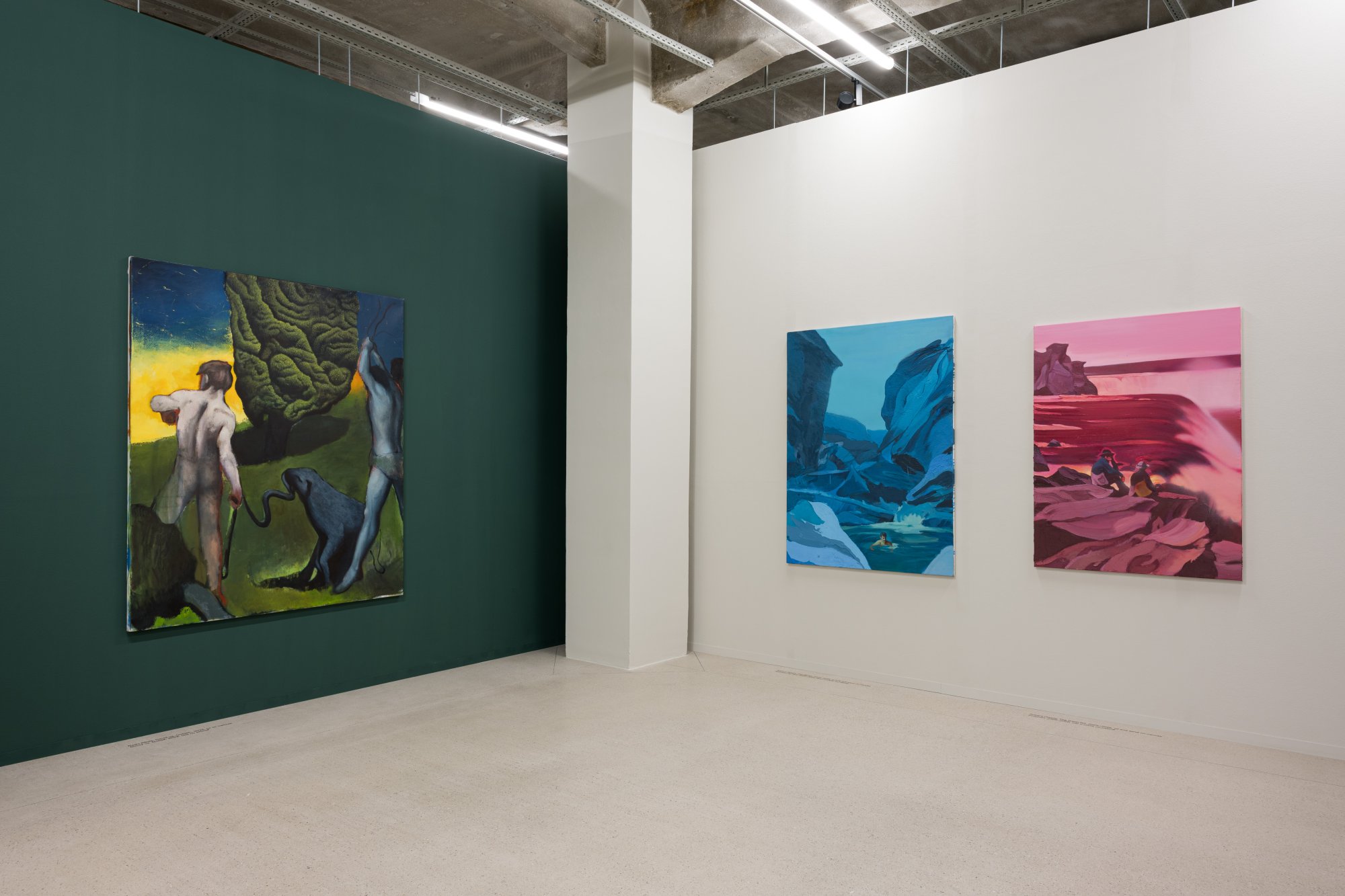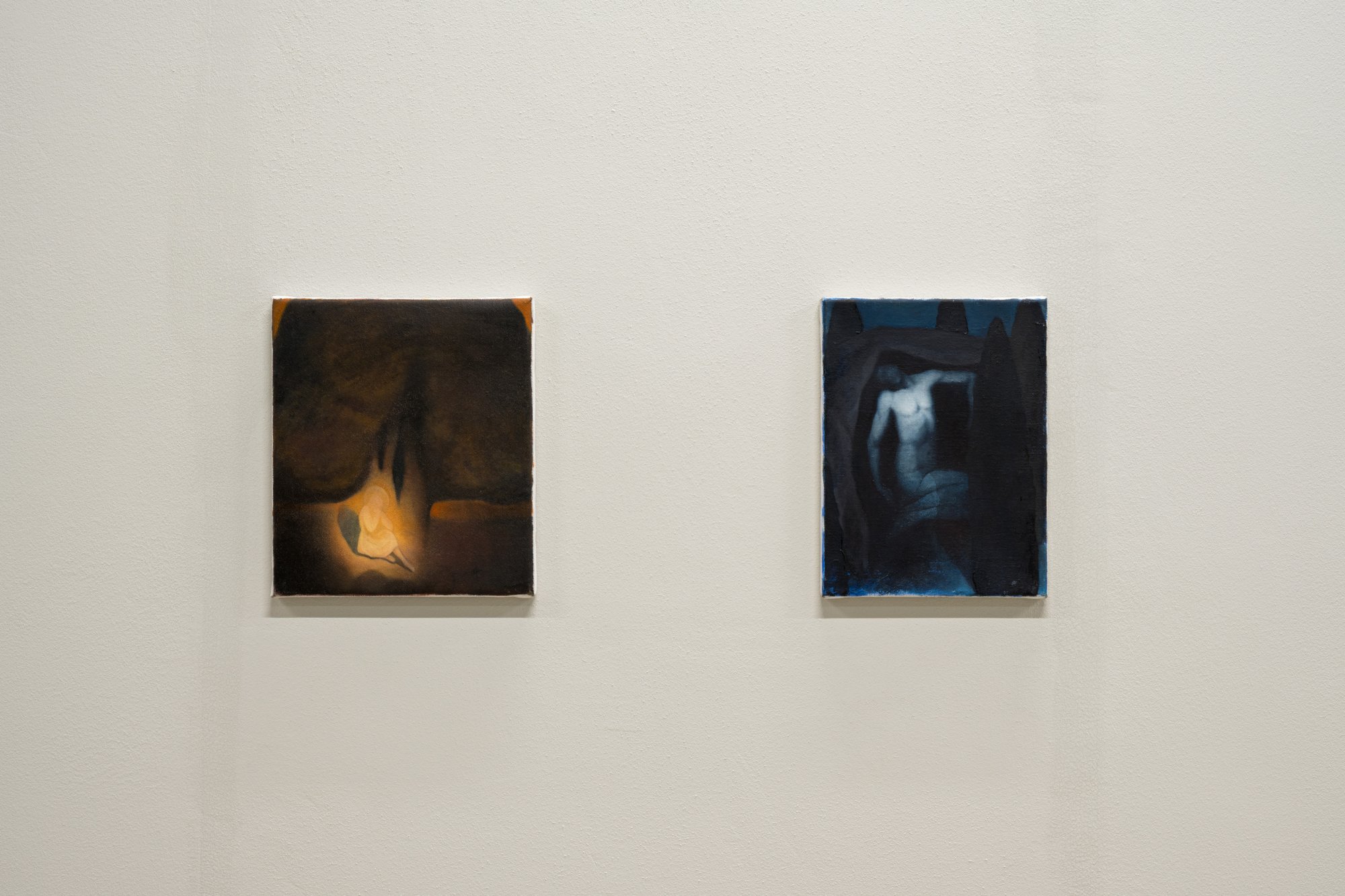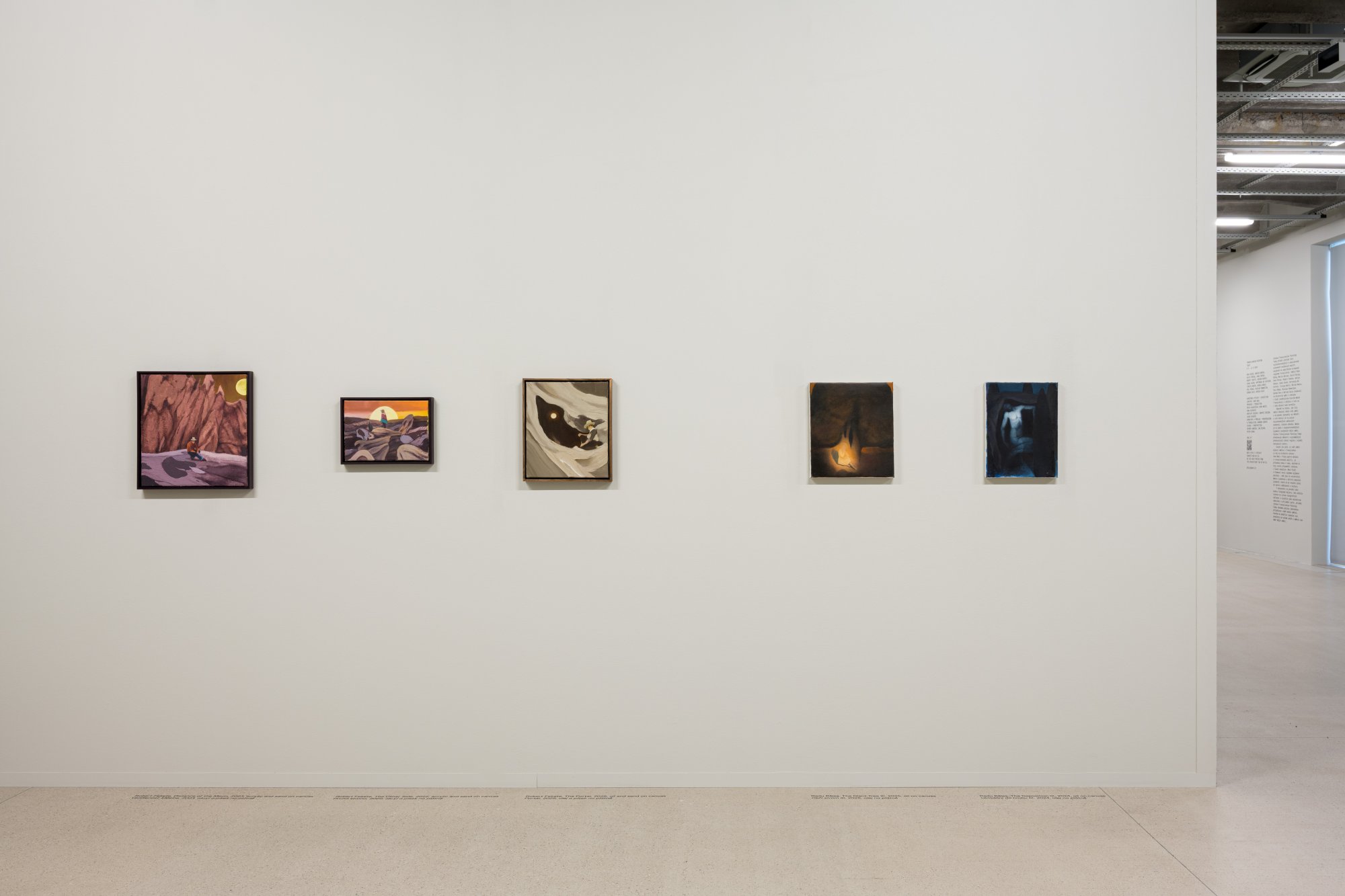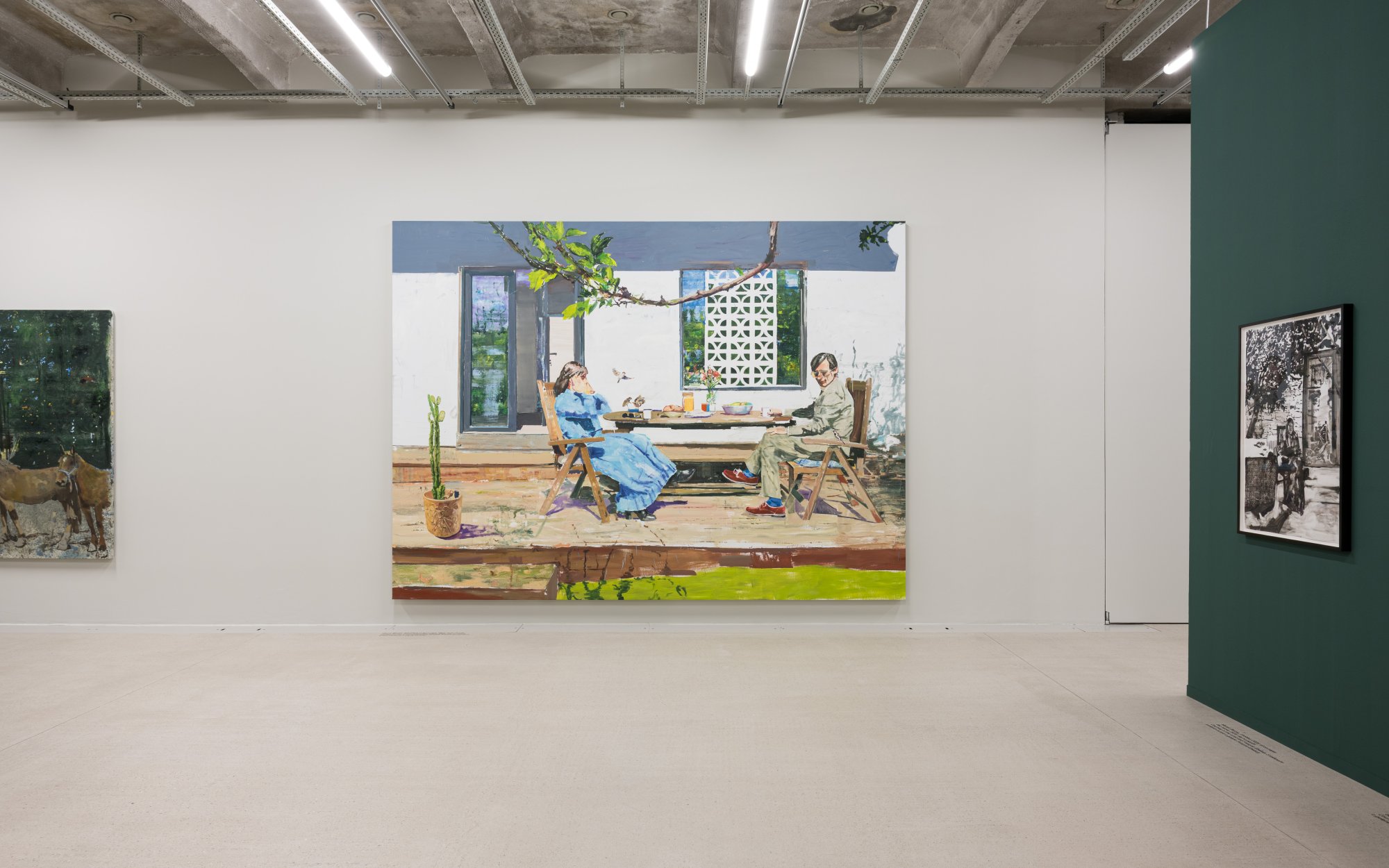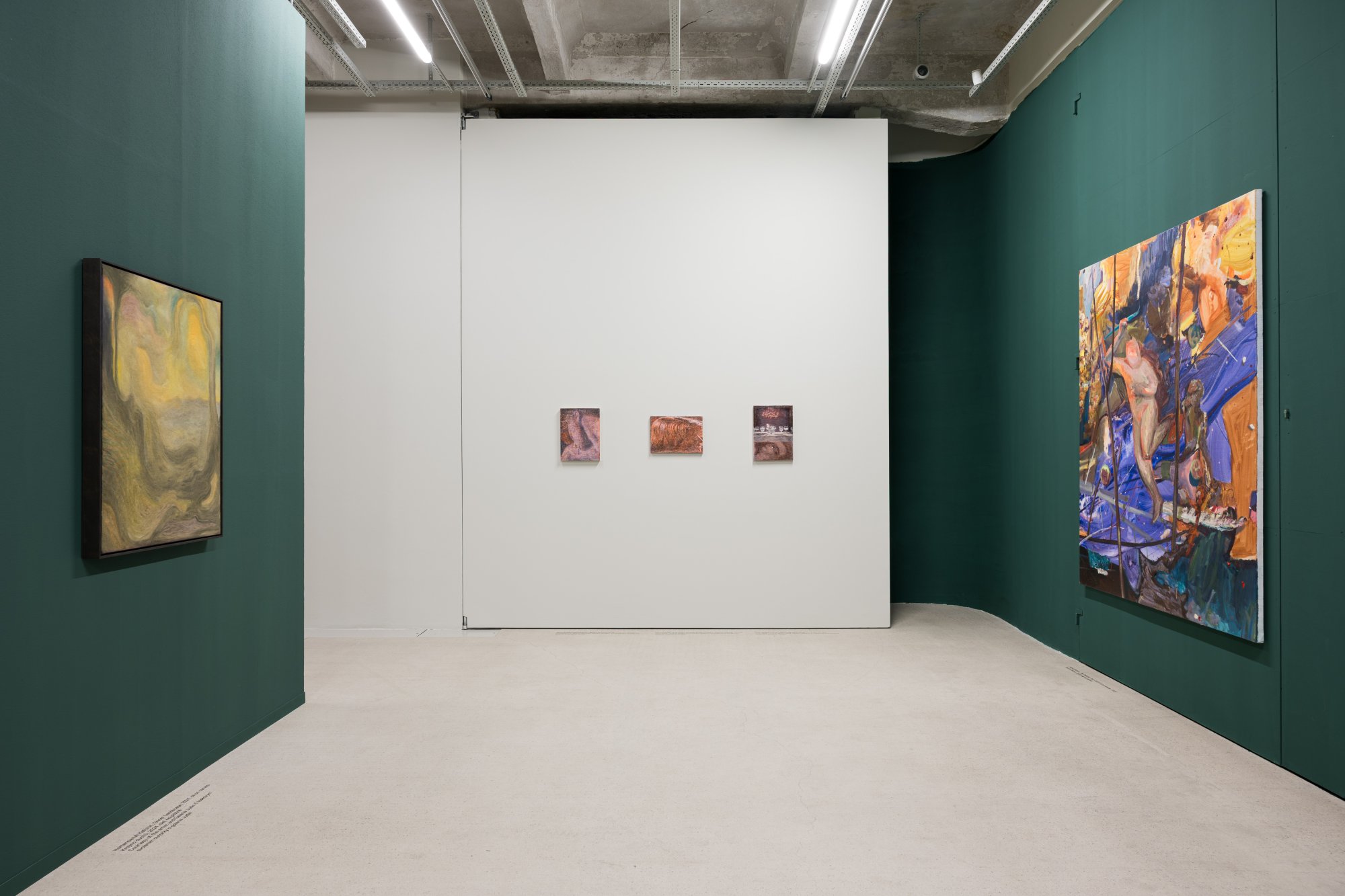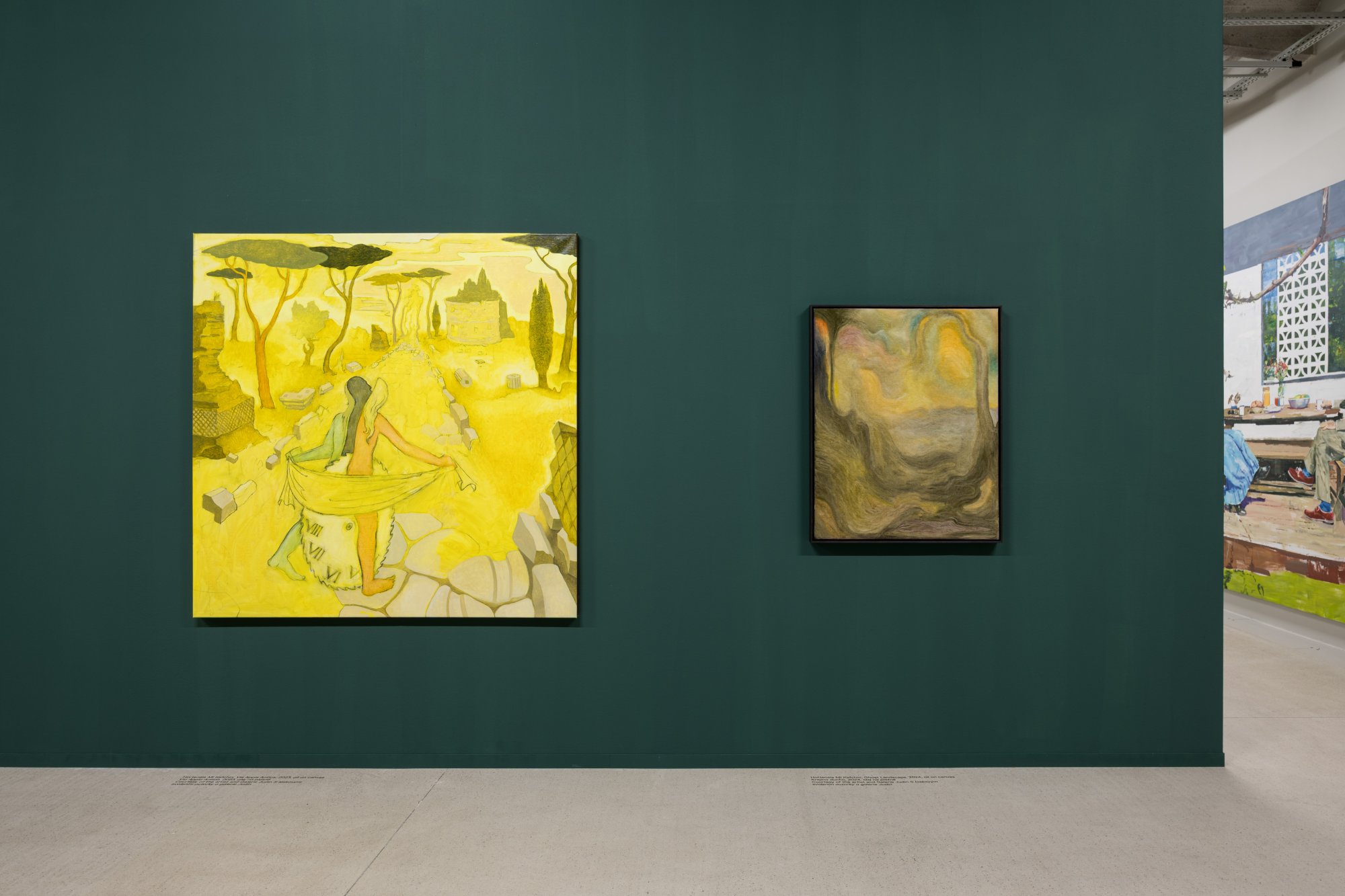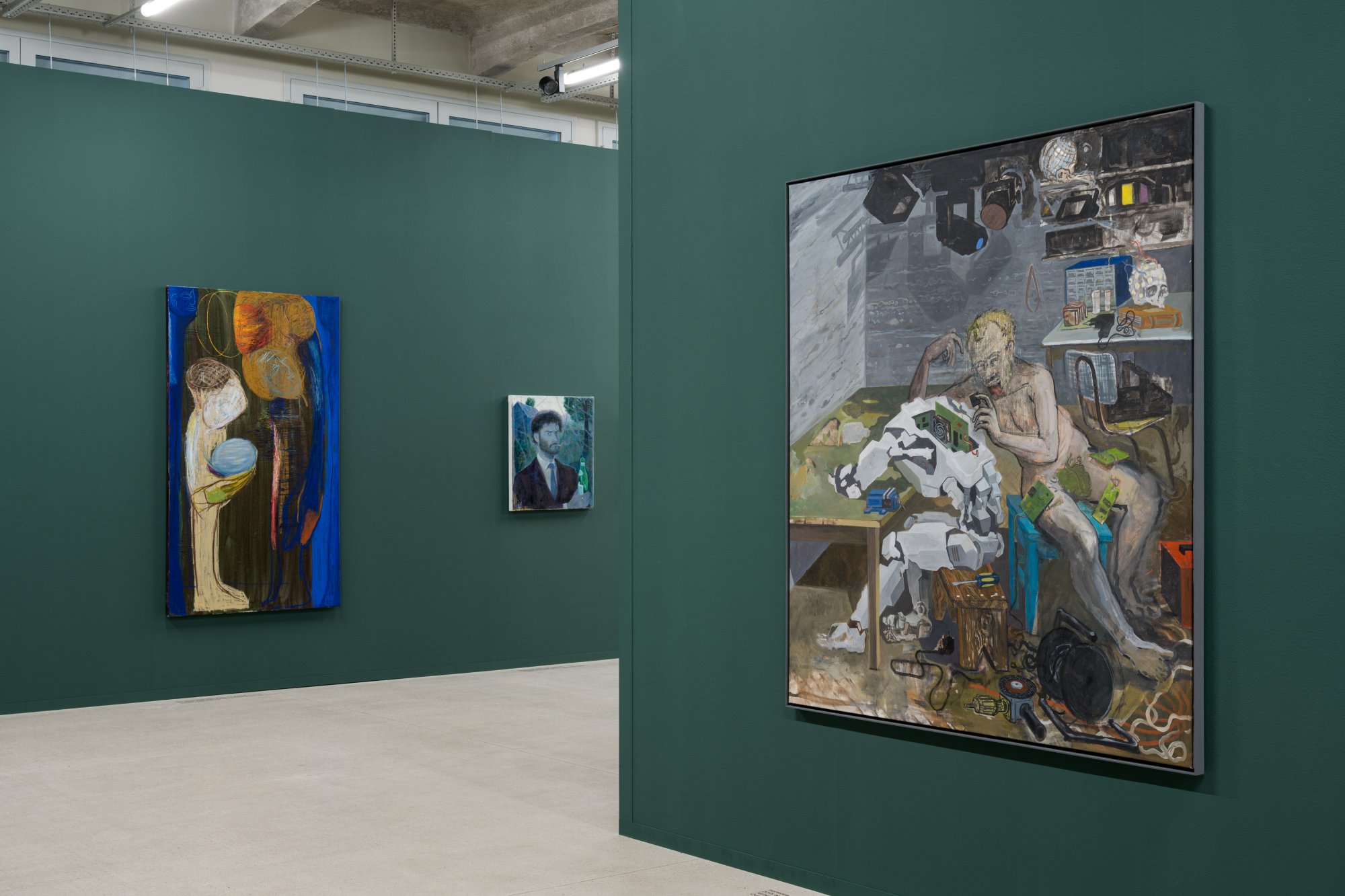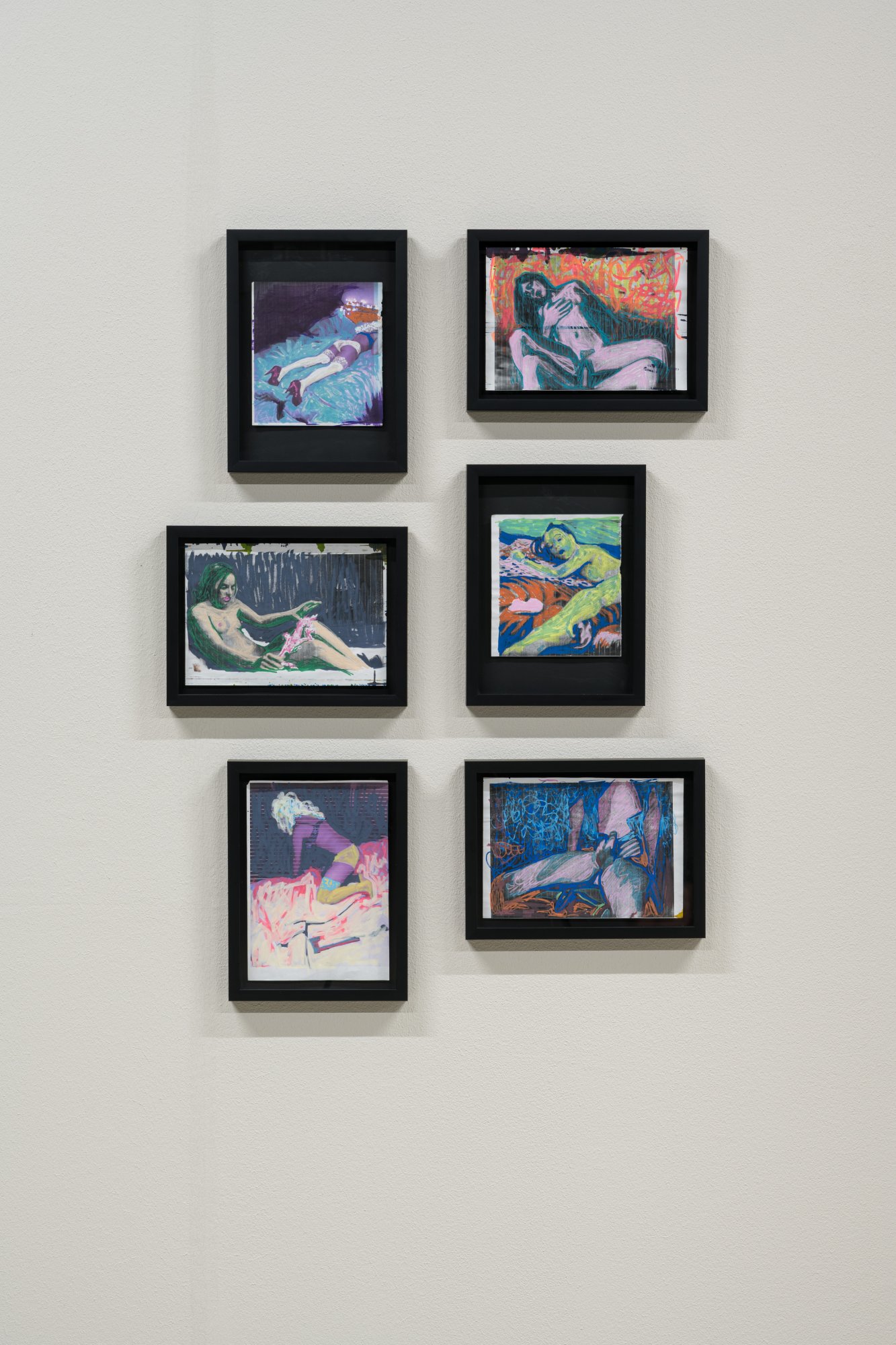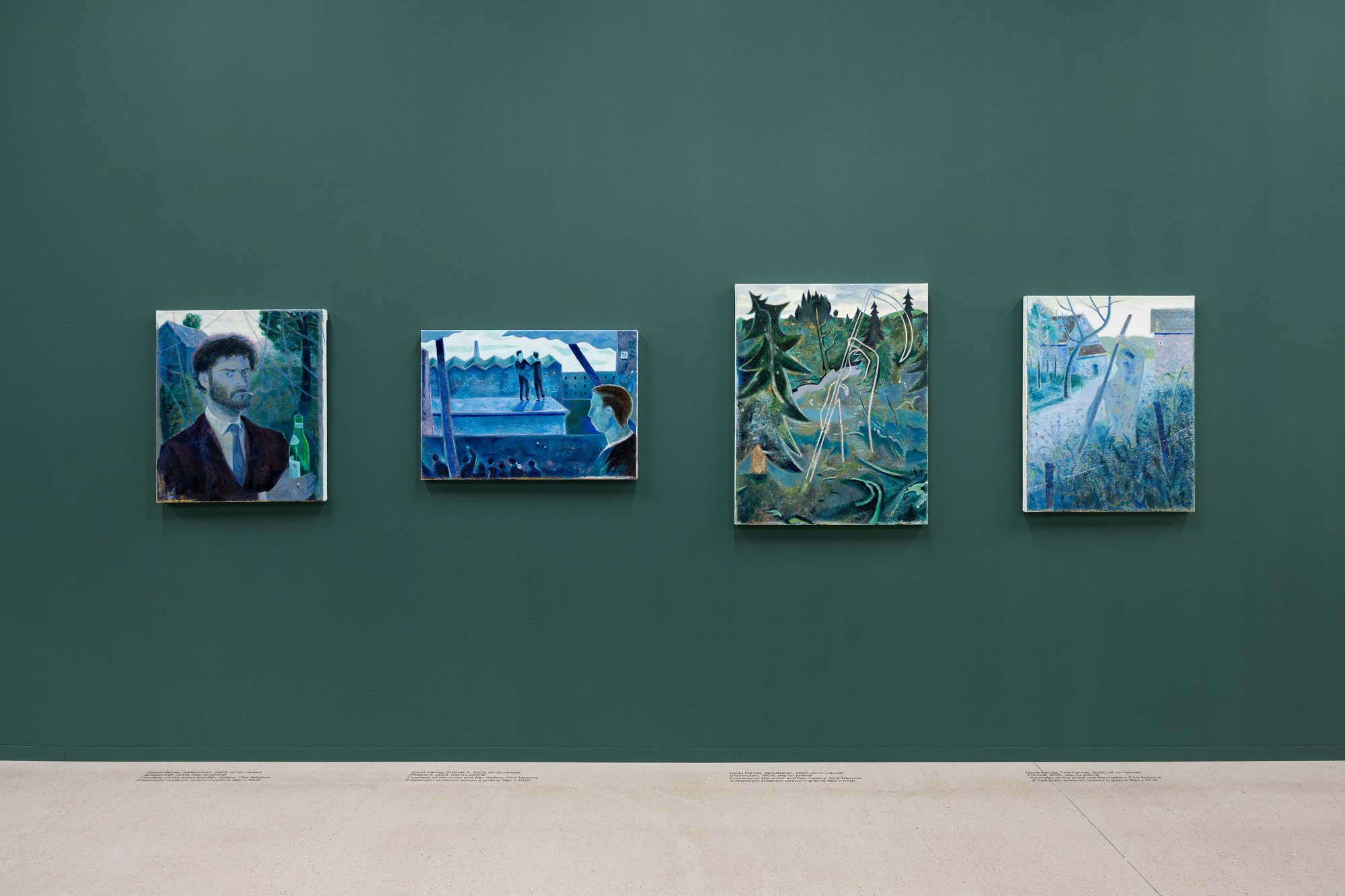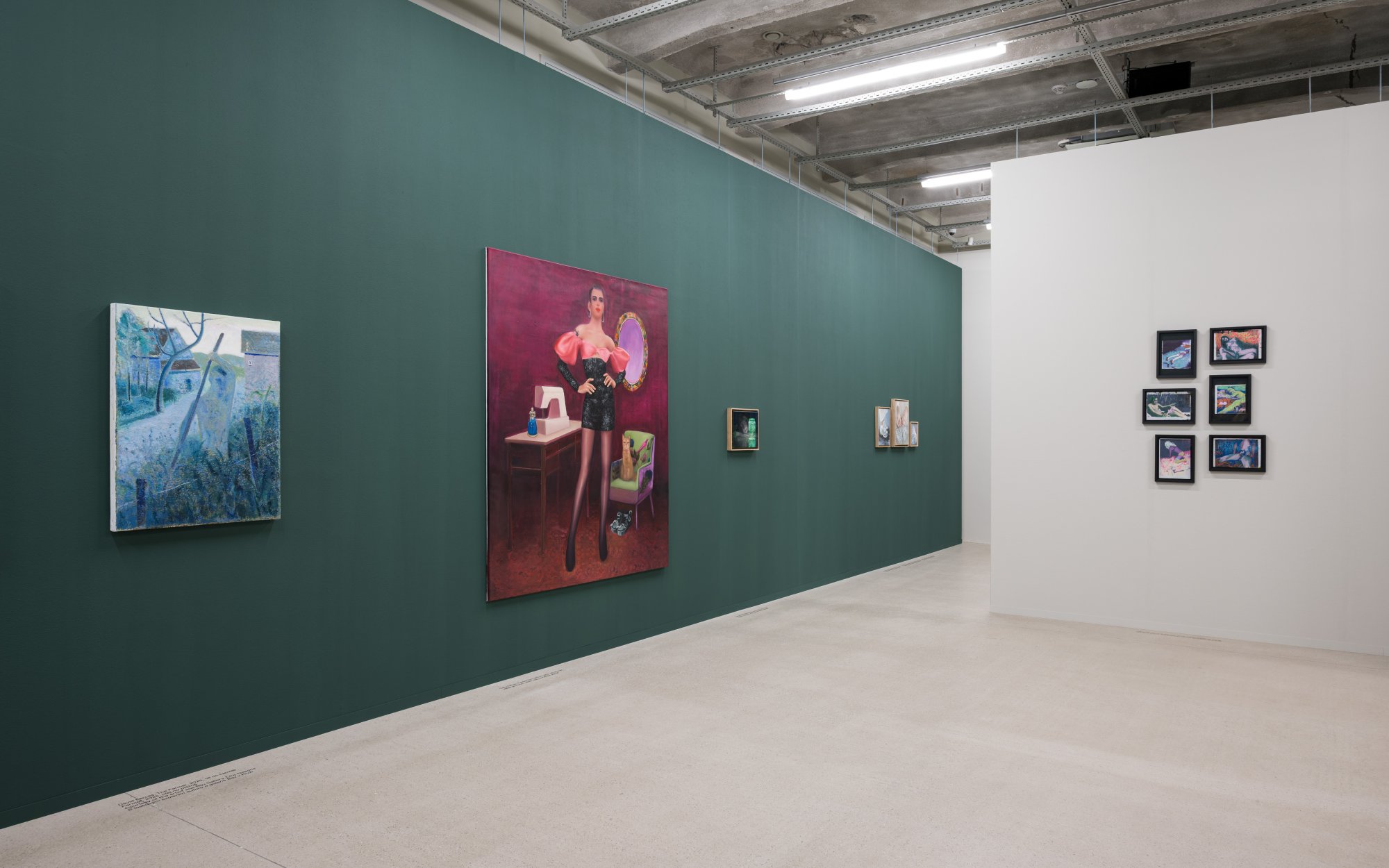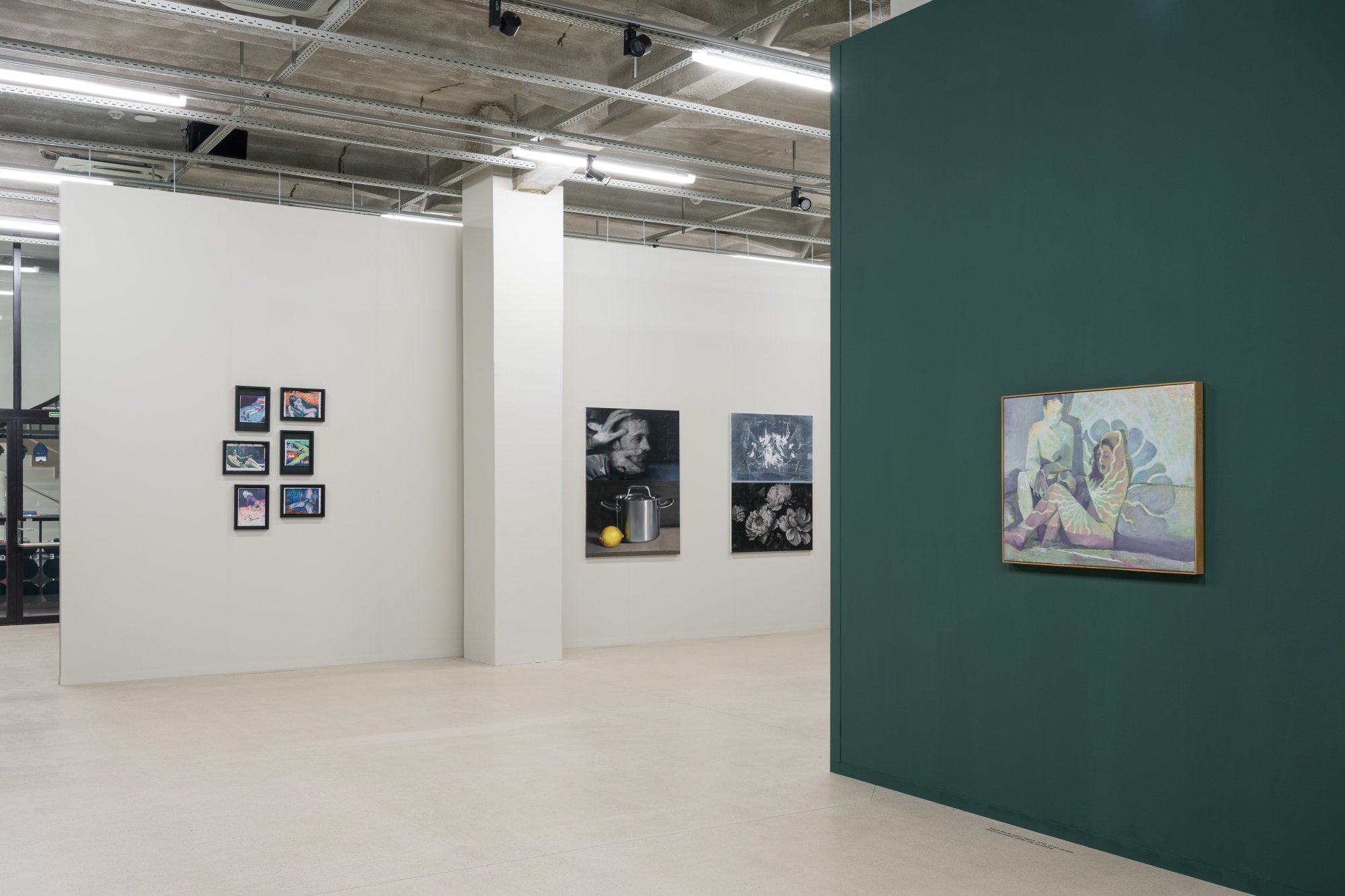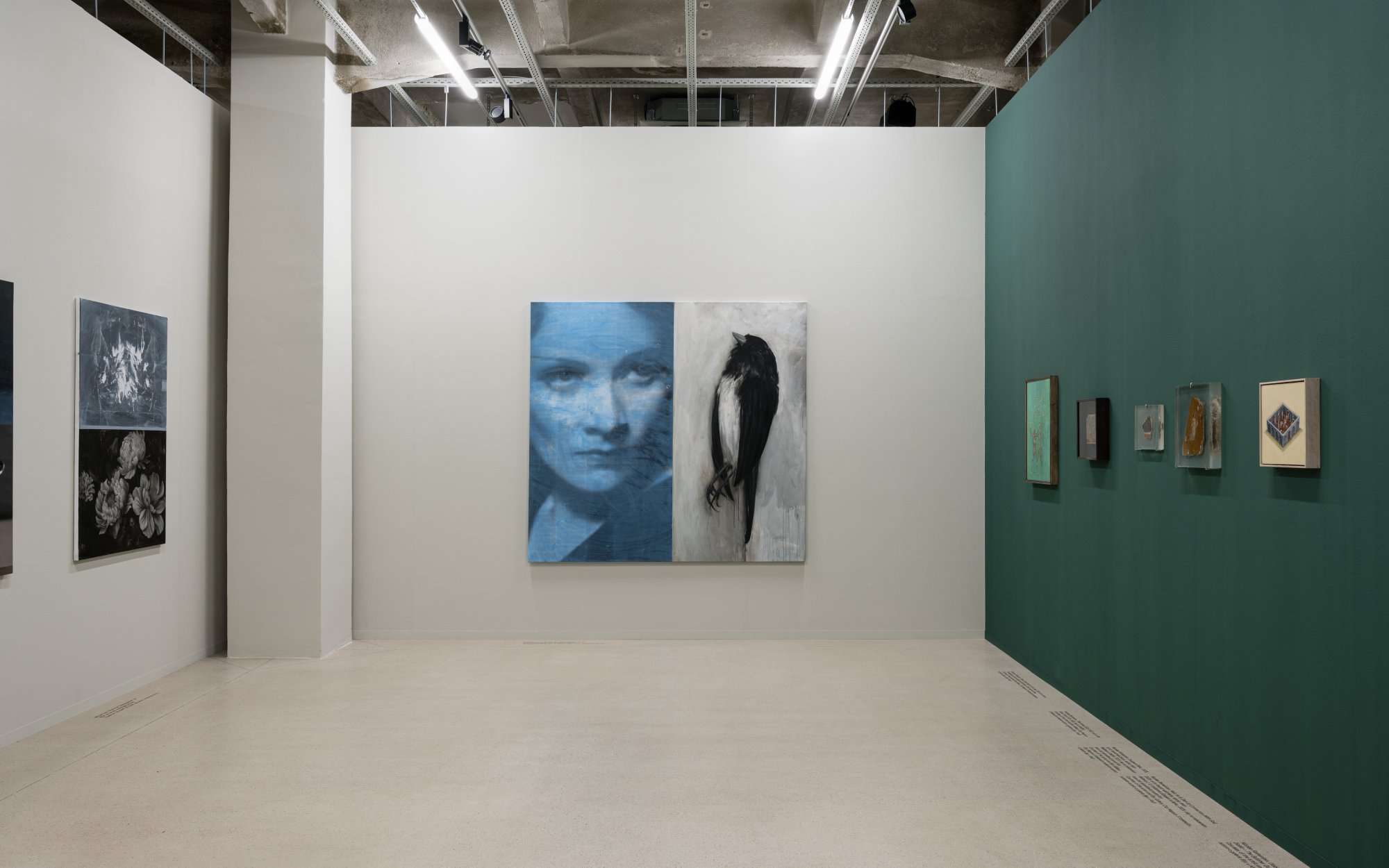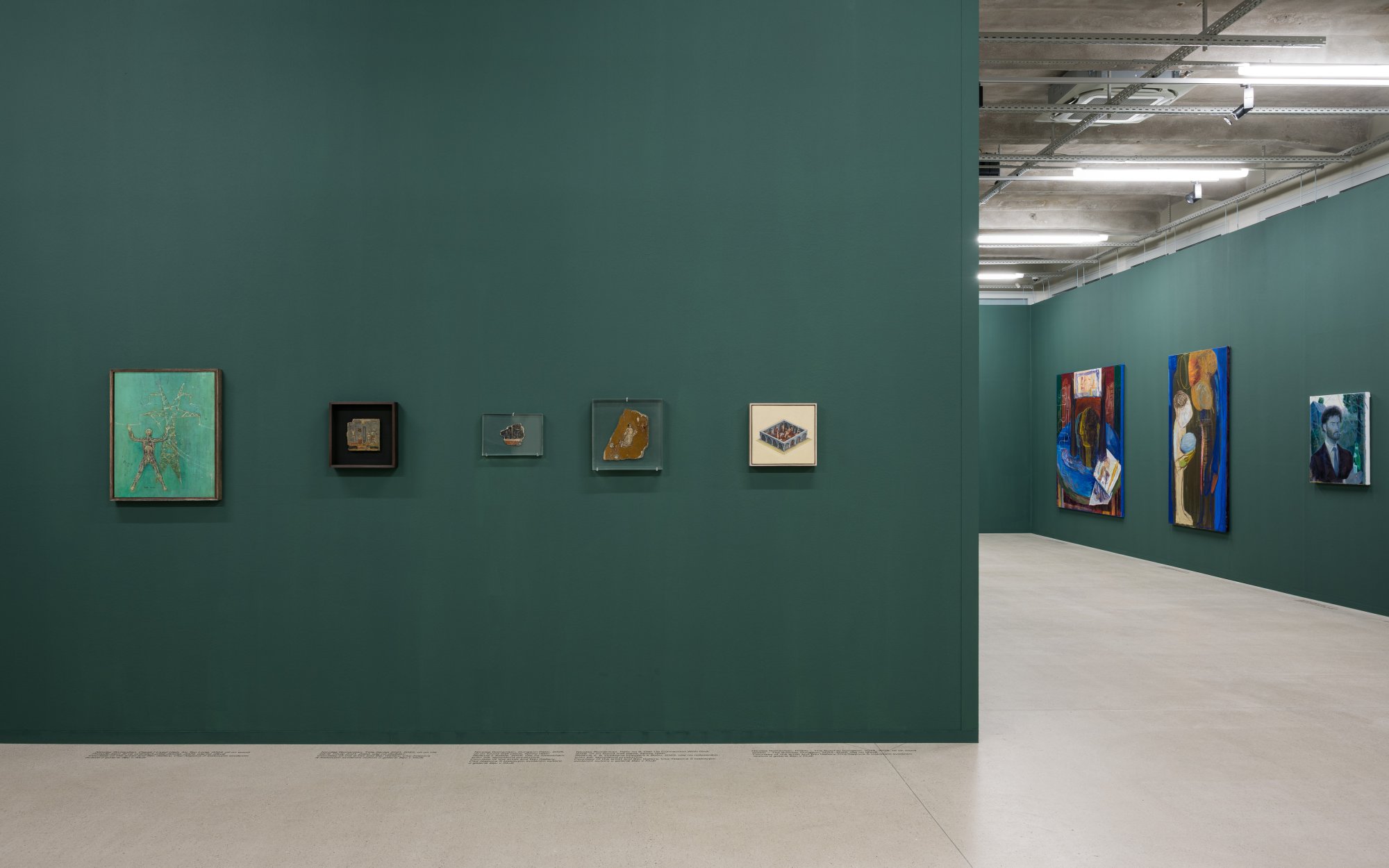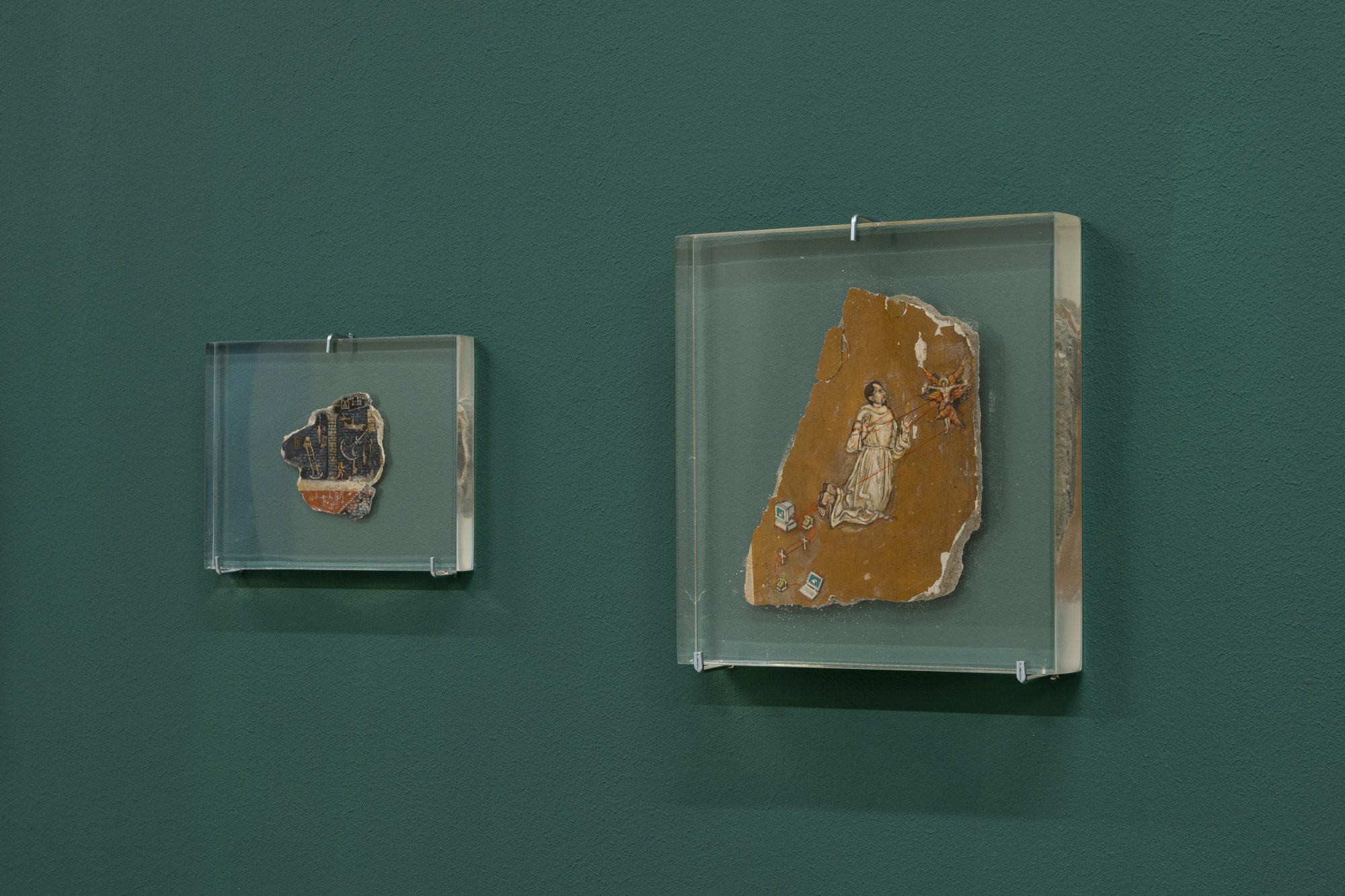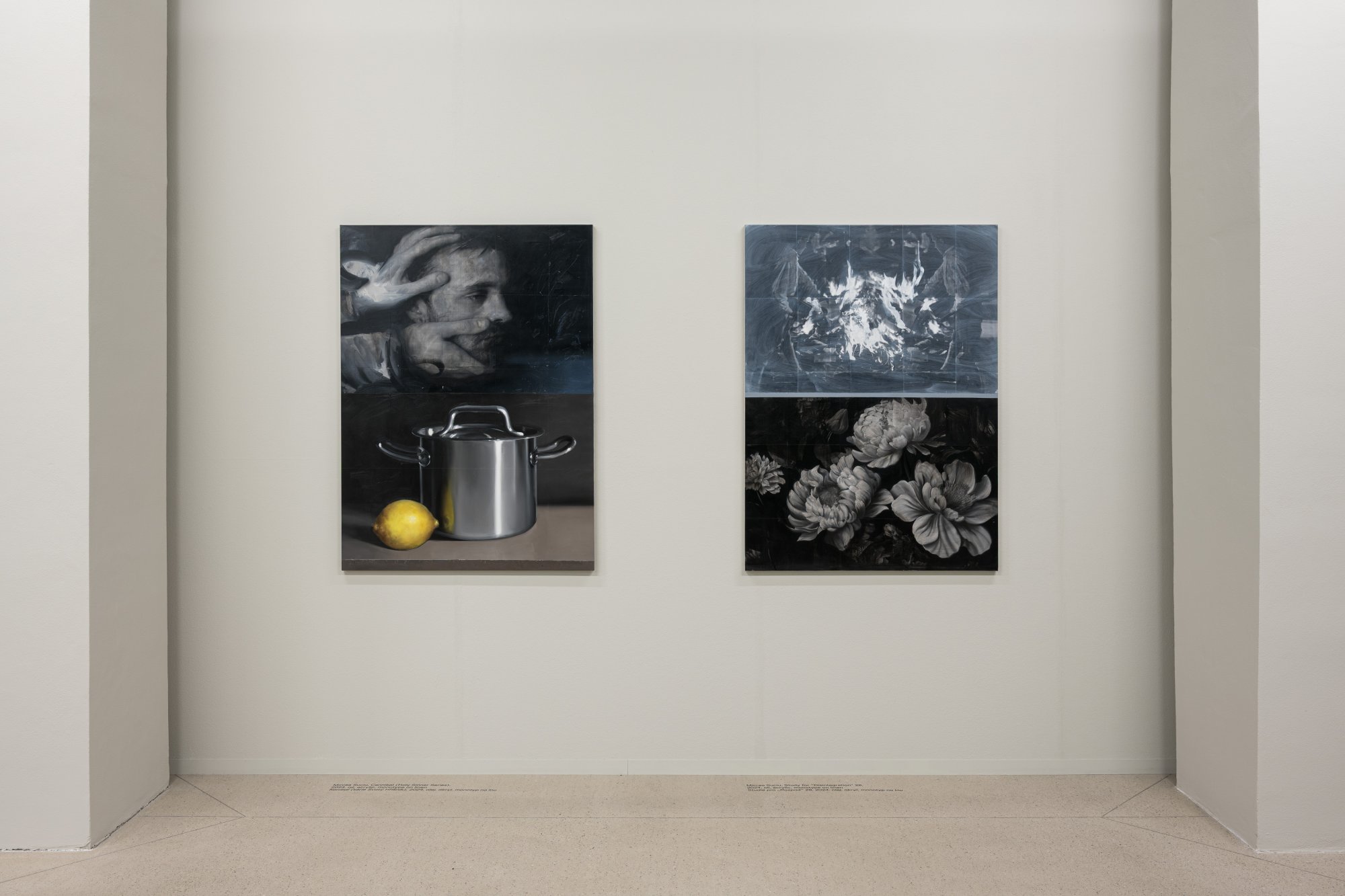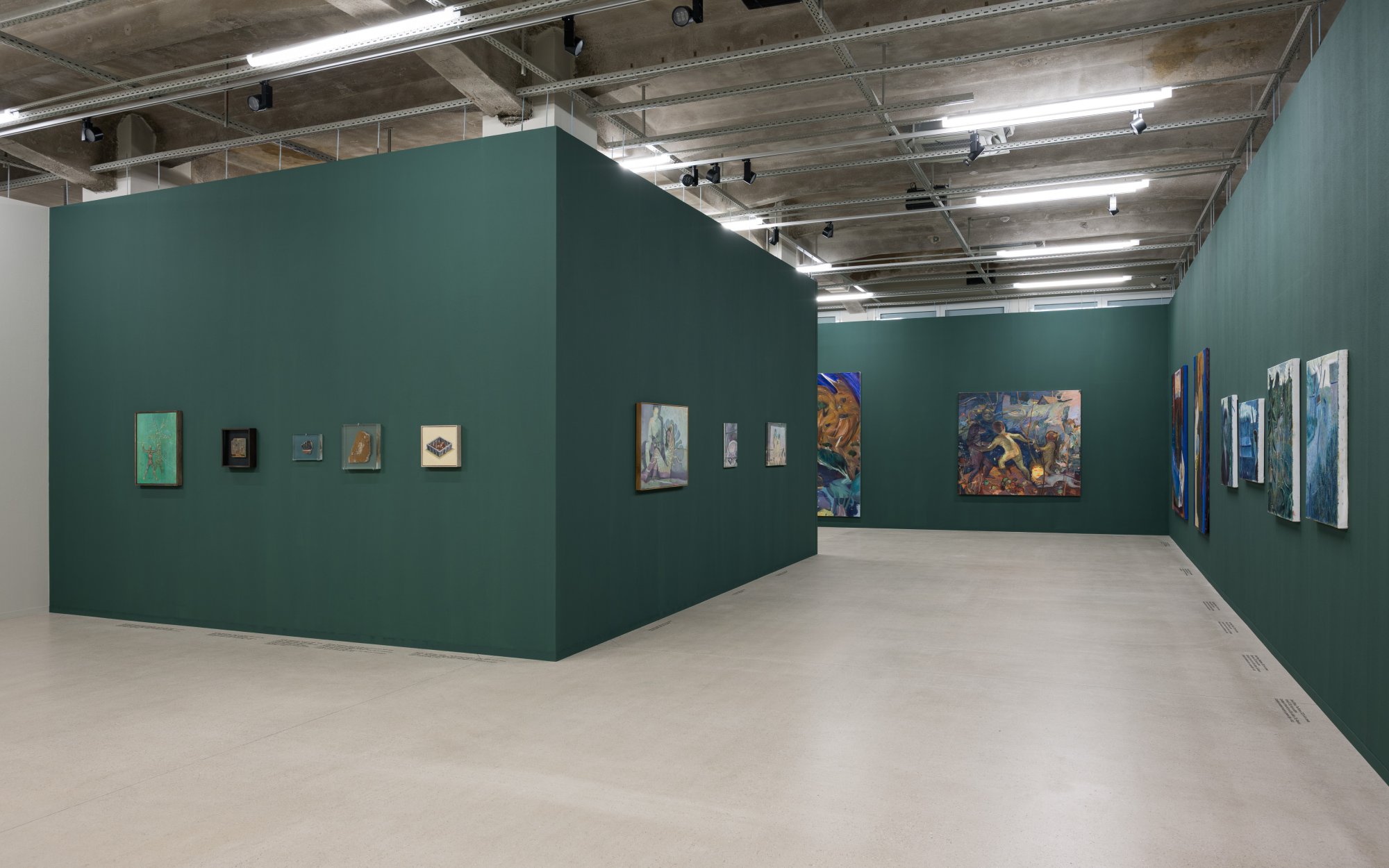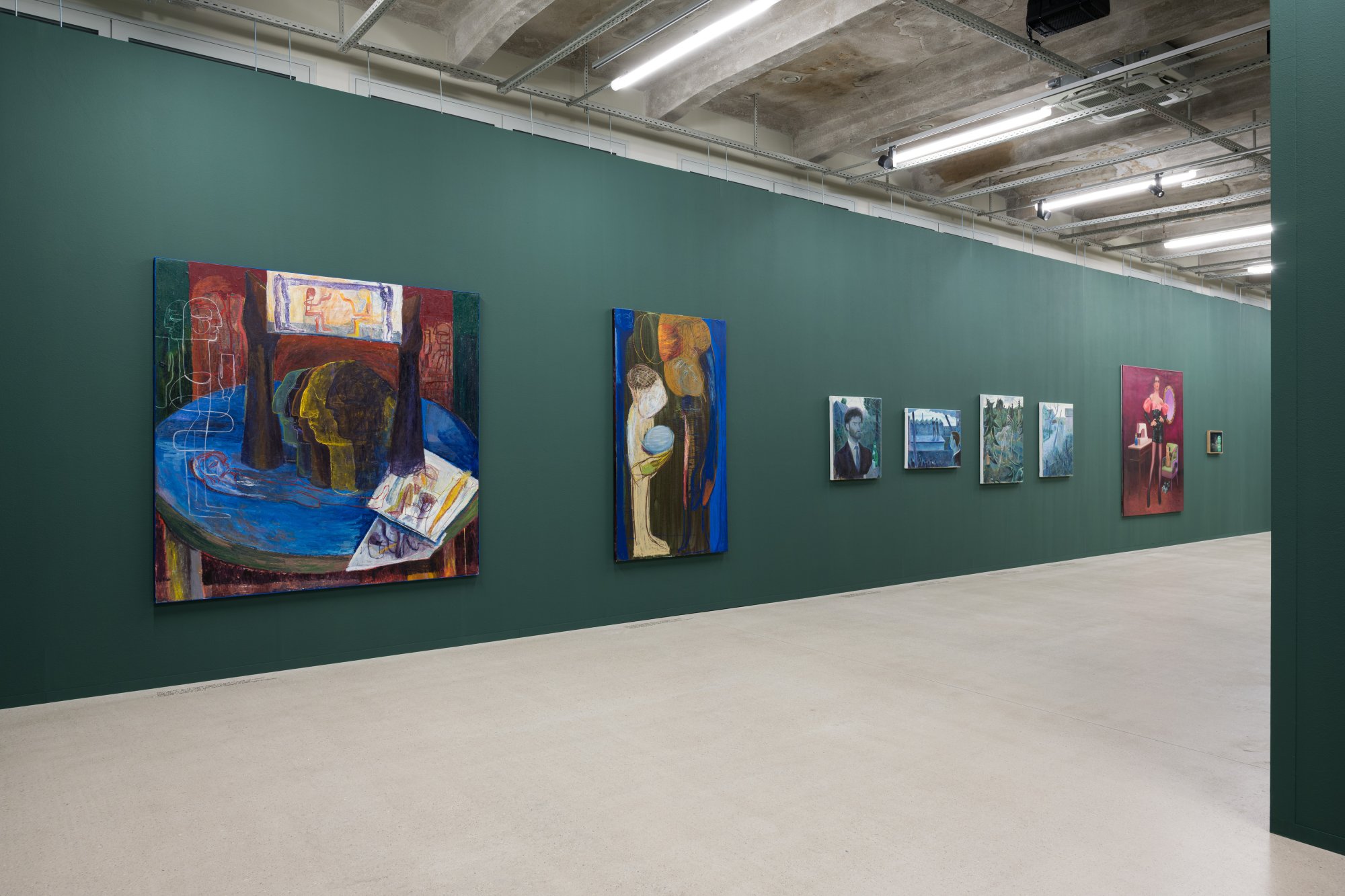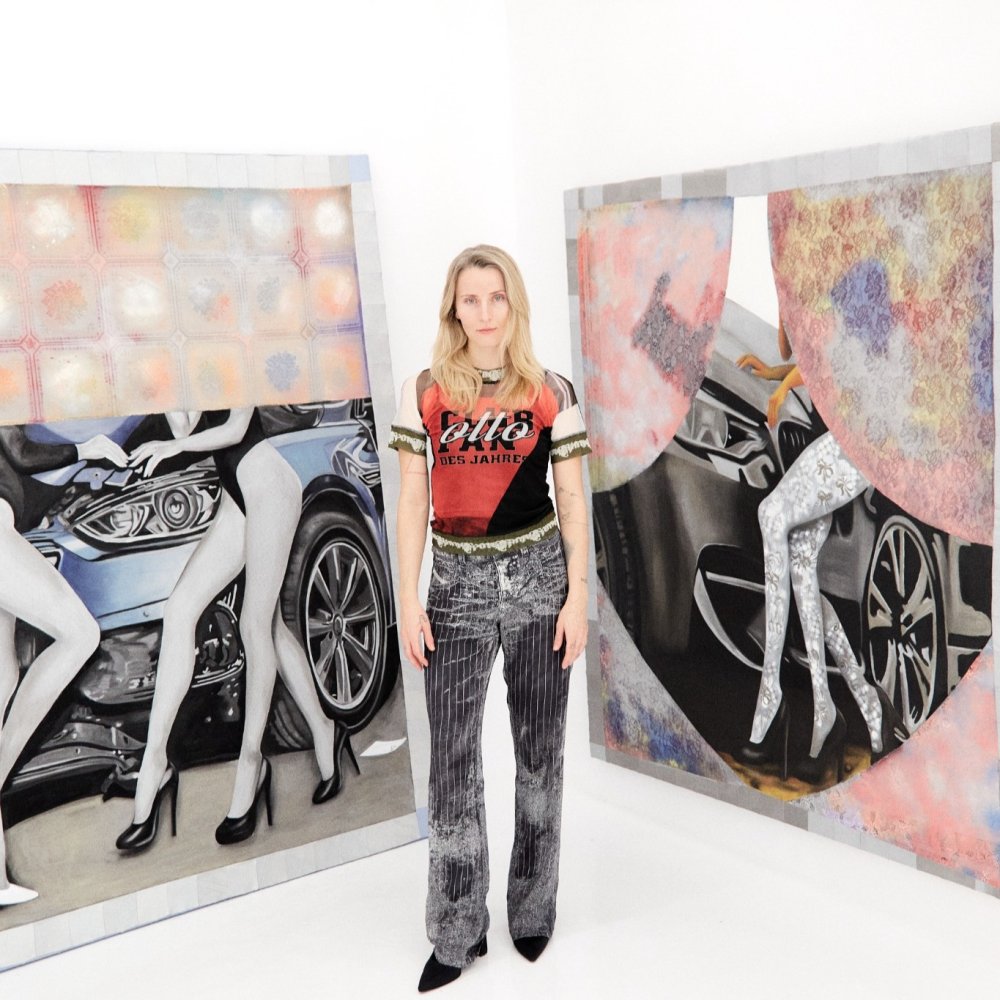
Marius Bercea (*1979) is one of the central figures of the generation that shaped the phenomenon of the Cluj School. Thanks to his work, contemporary Romanian painting has become known in galleries and institutions worldwide. In his works, he functions as a visual archivist of the memory of a generation growing up at the turn of two epochs. However, the abrupt transition from the grey reality of late socialism to the predatory aesthetics of emerging capitalism does not result in a mere documentary record. It is this formative experience and memories of his Transylvanian childhood that have become the absolute foundation for his artistic development.
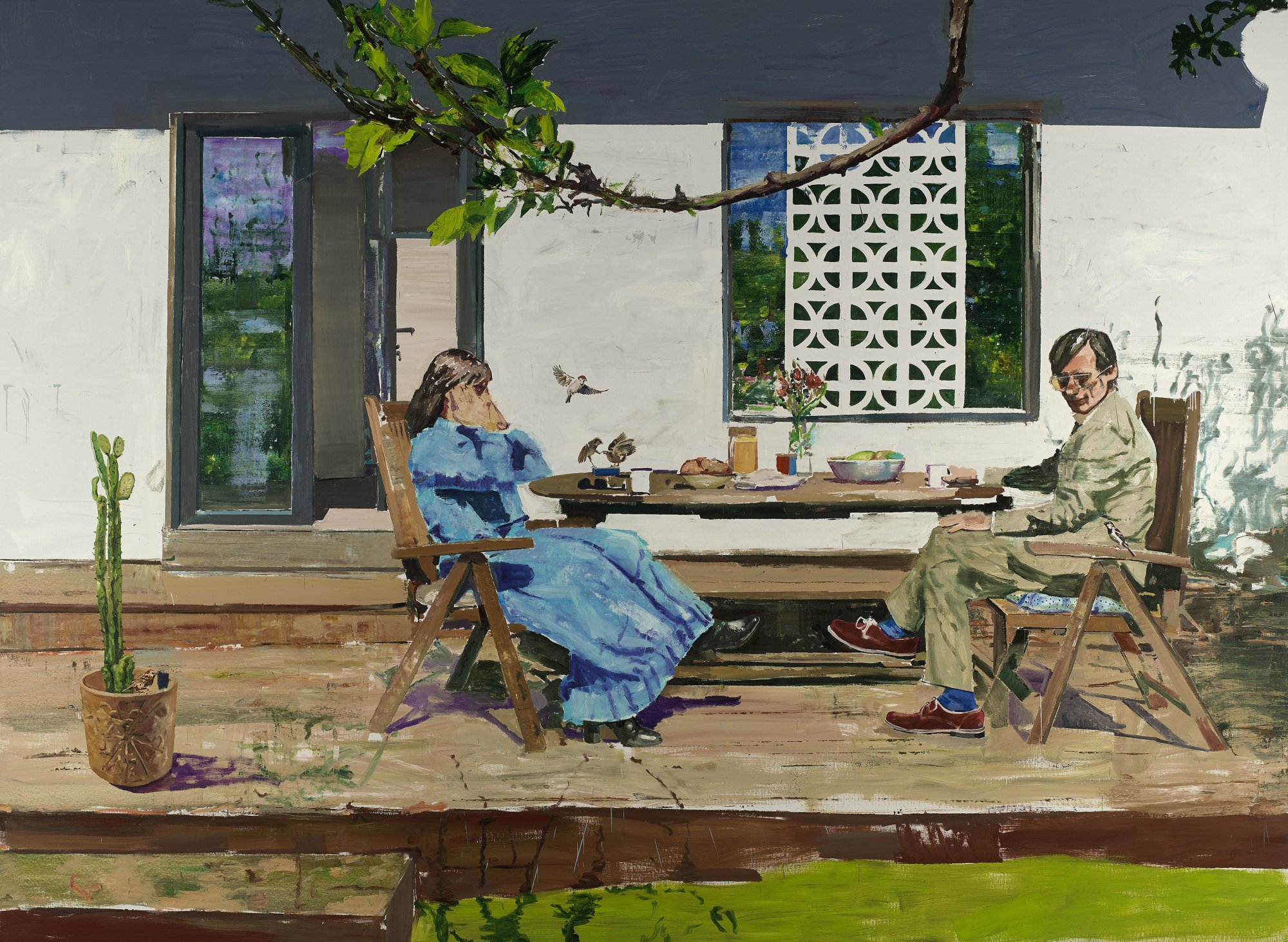
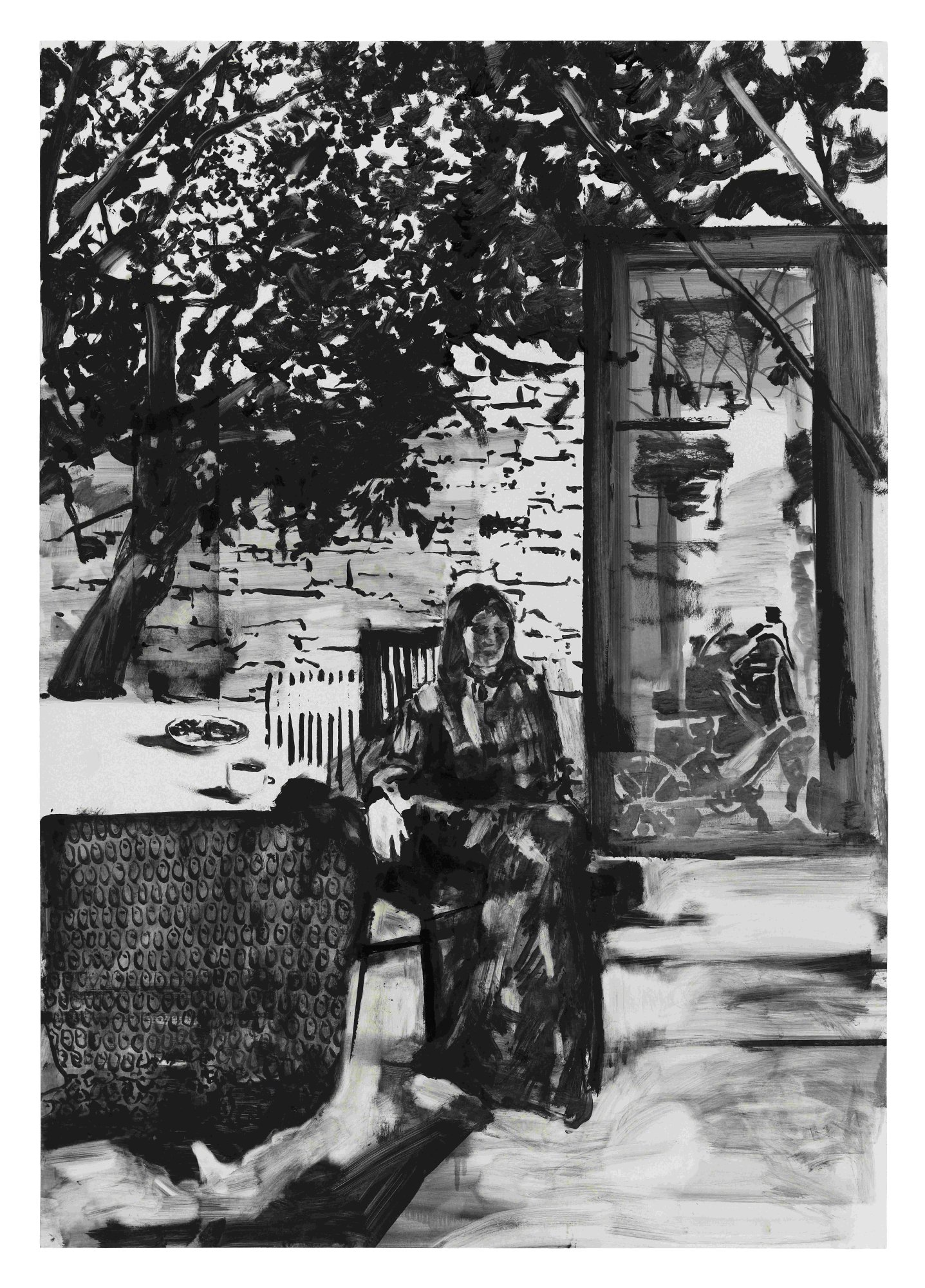
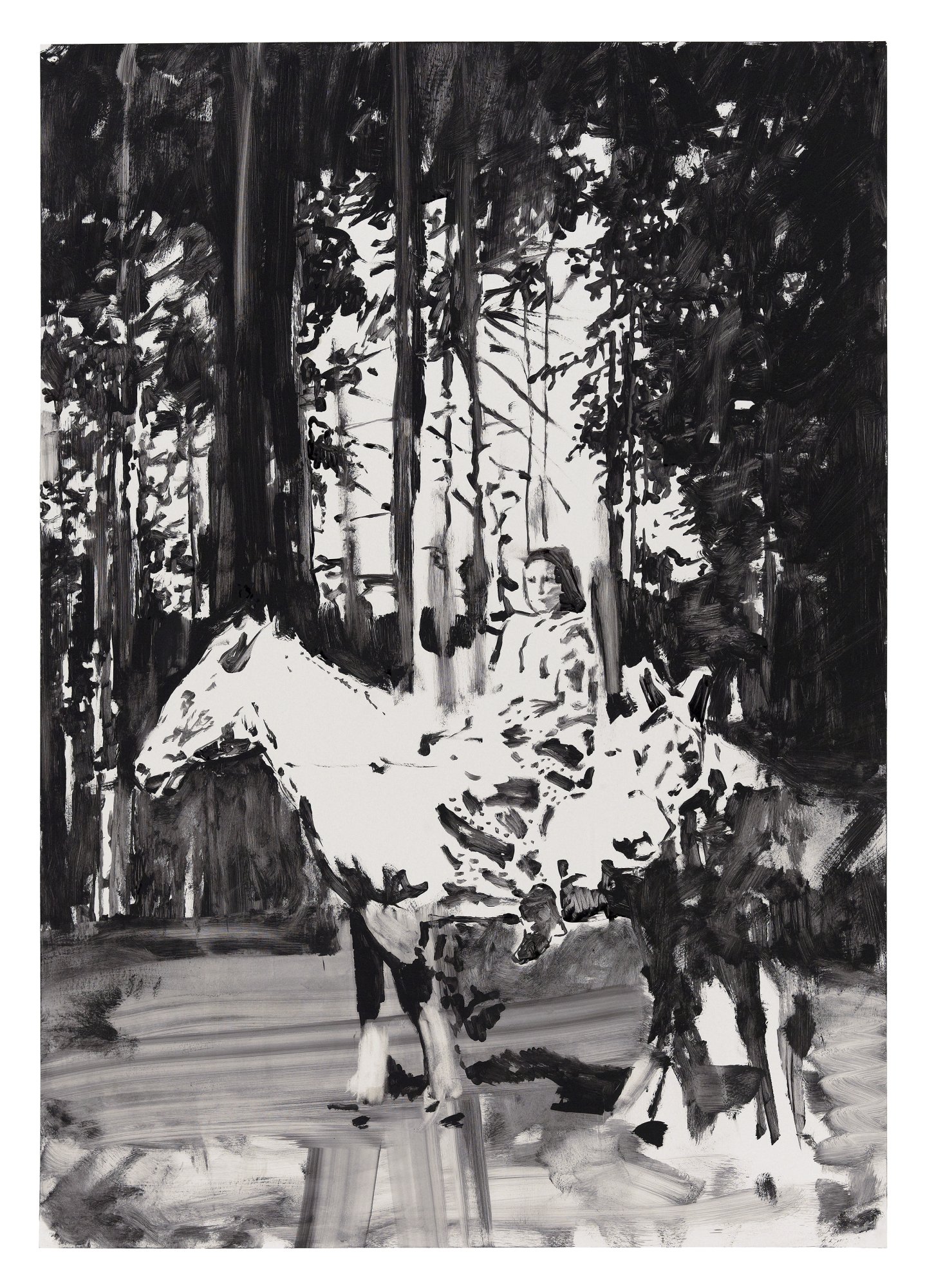
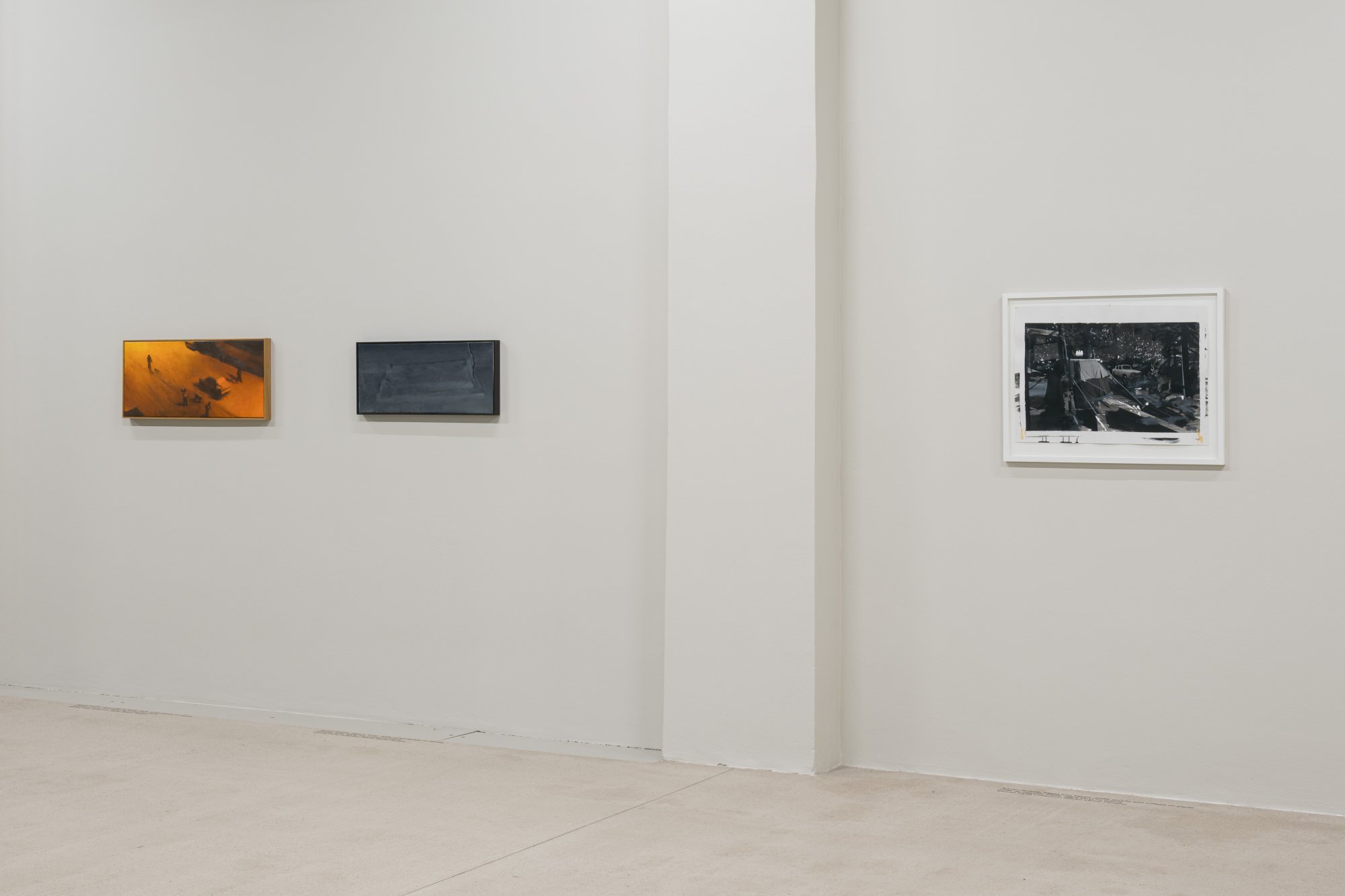
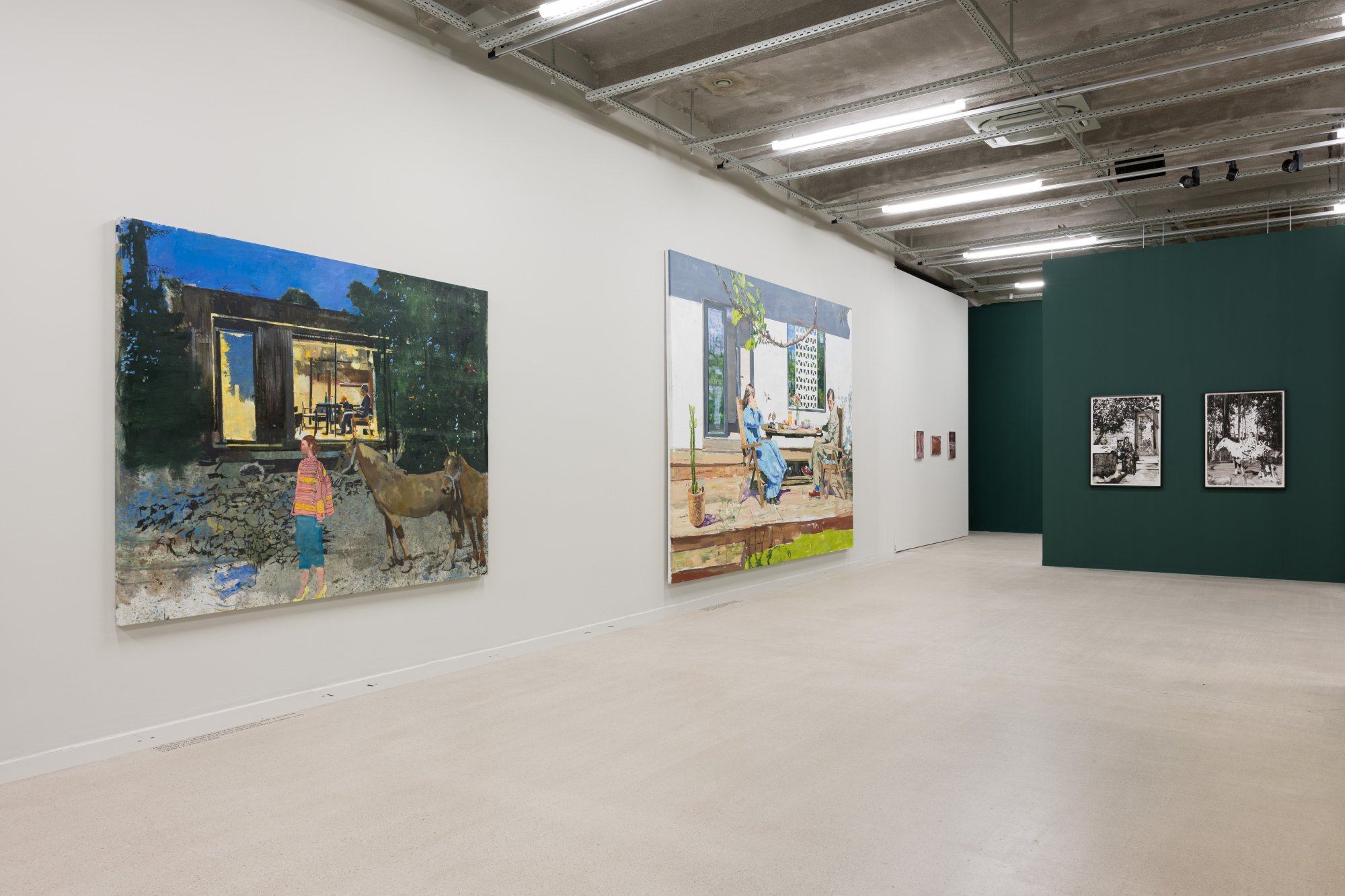
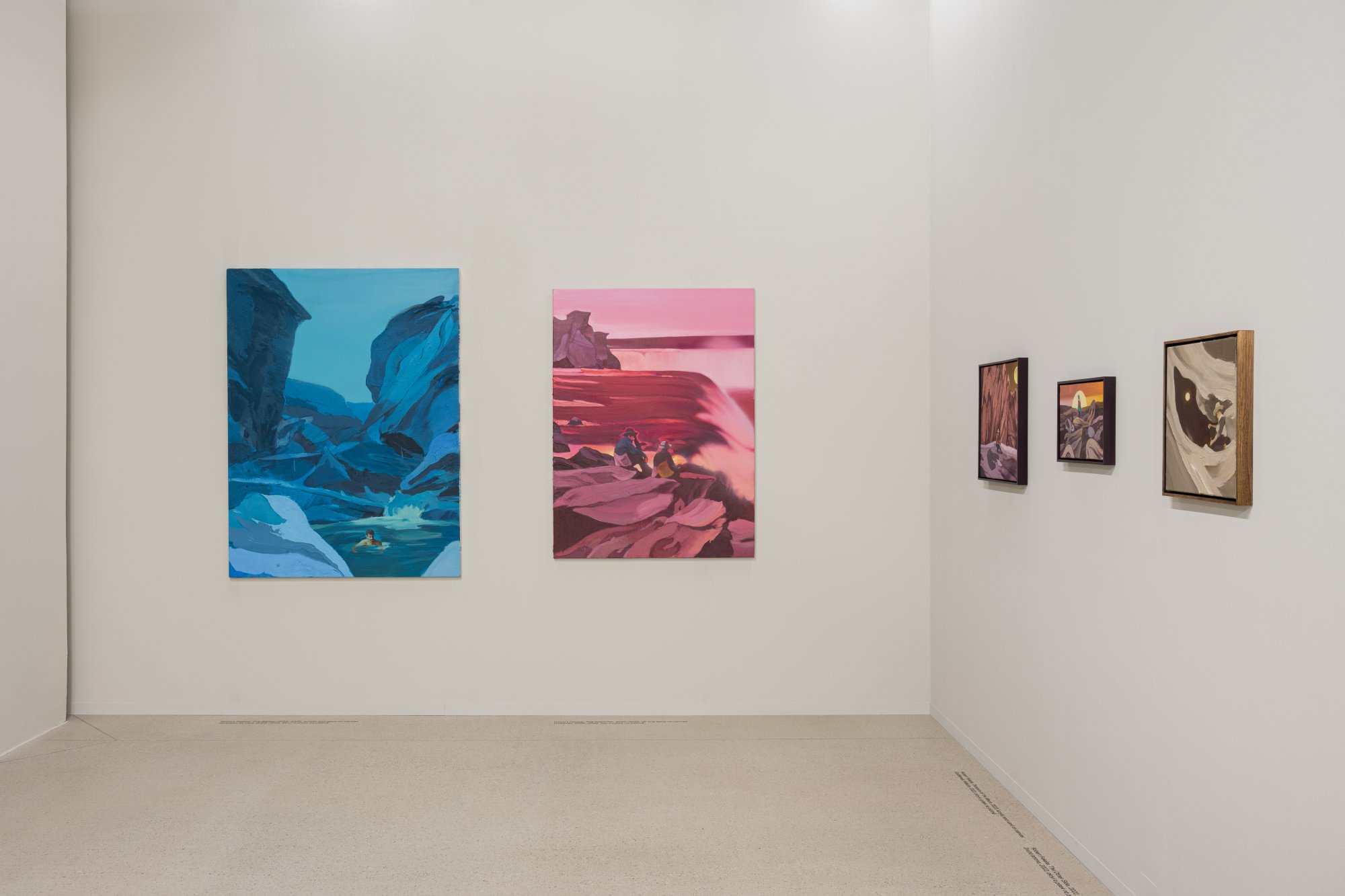
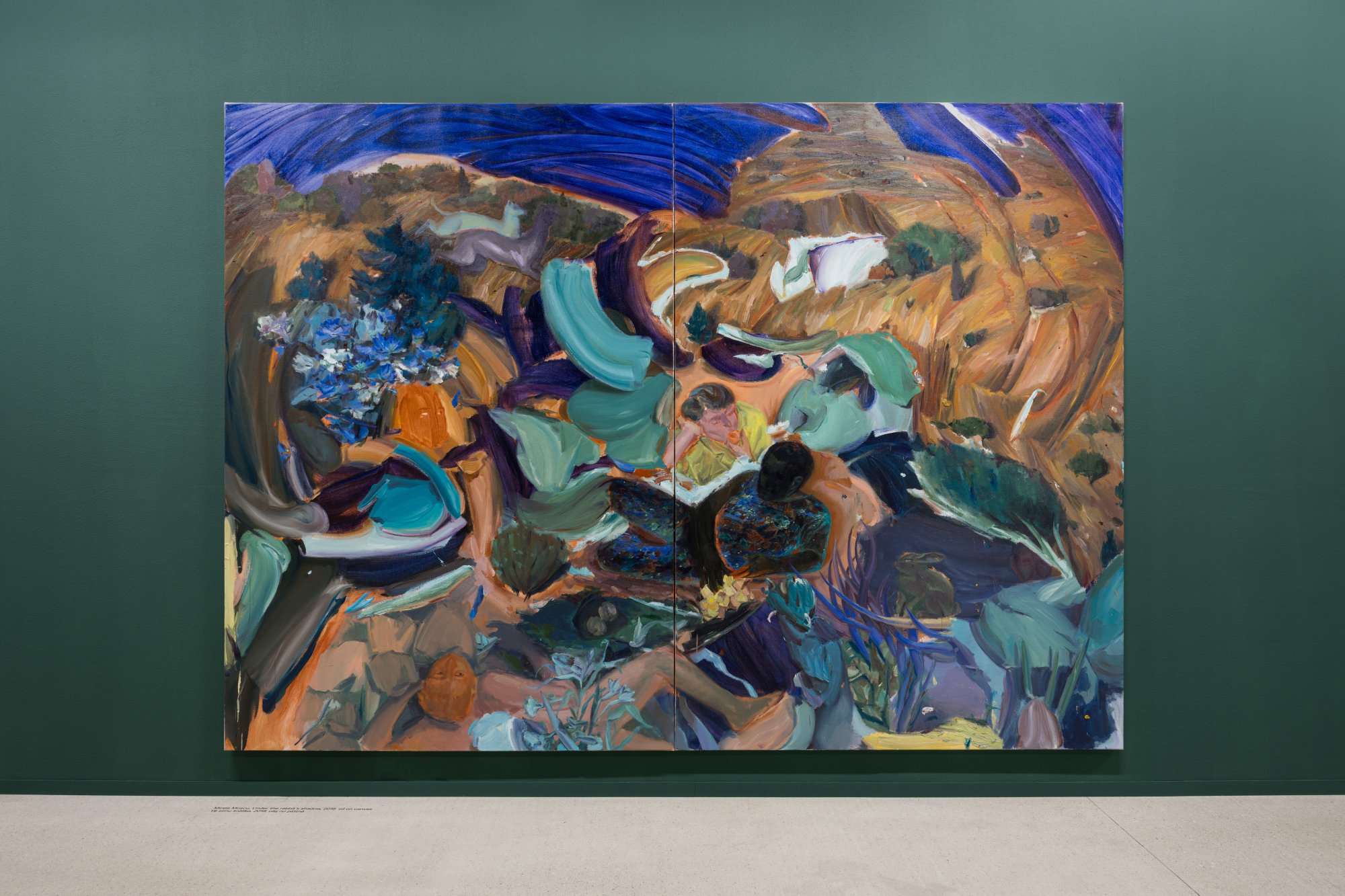
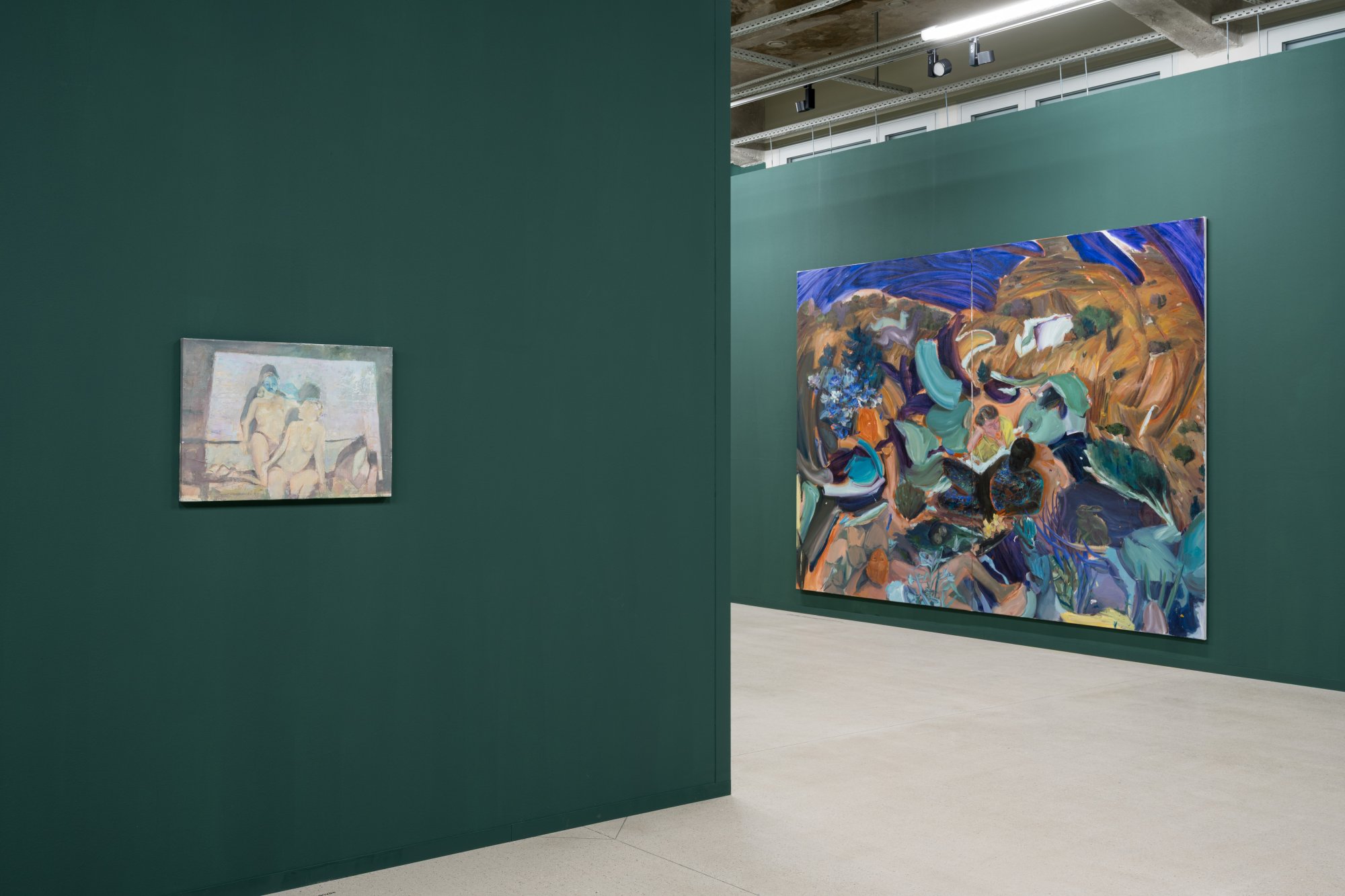
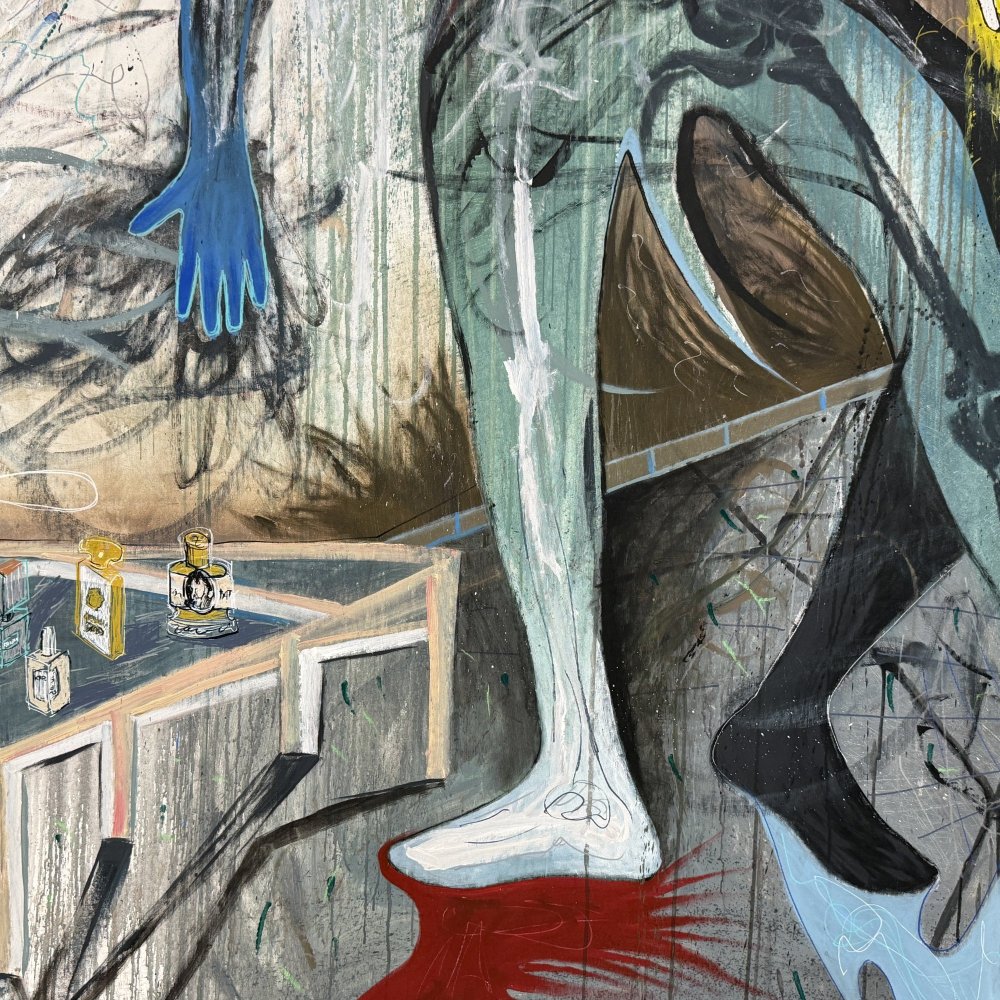
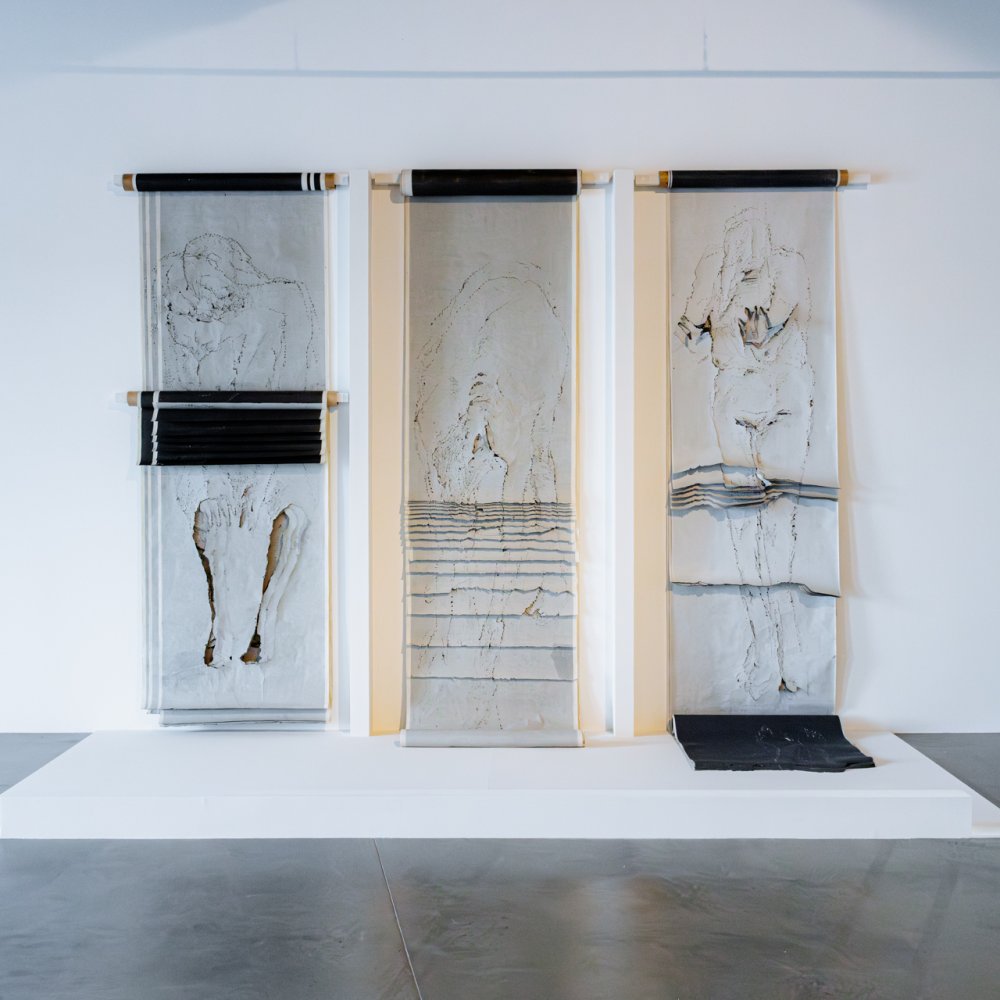
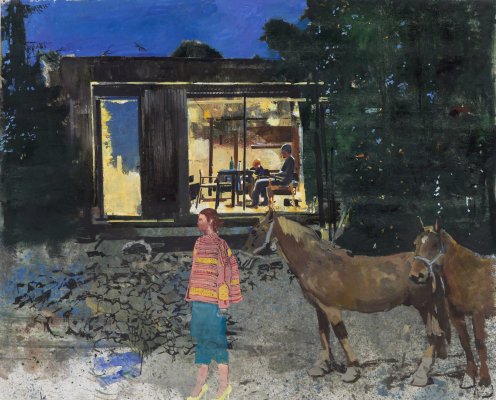
In the context of contemporary painting, Bercea has developed an unmistakable signature, constructing hybrid dreamscapes on canvas. In these, local history naturally blends with the personal visual experience of his later travels through the American West. His bold and sensual use of colour is a defining characteristic of his expression. The subjects depicted often stand in stark contrast to the colour palette used. Concrete structures of Brutalist architecture, uniform prefabricated housing estates and industrial ruins are bathed in neon light and engulfed in lush vegetation. While the scenes on canvas are composed of very bold and expressive colours, his works on paper are often the exact visual opposite, using mostly muted shades of grey and black. This visual clash creates a sense of strictly analytical nostalgia in the viewer, through which the artist explores the way in which global consumer culture is inexorably layered on top of the local environment.
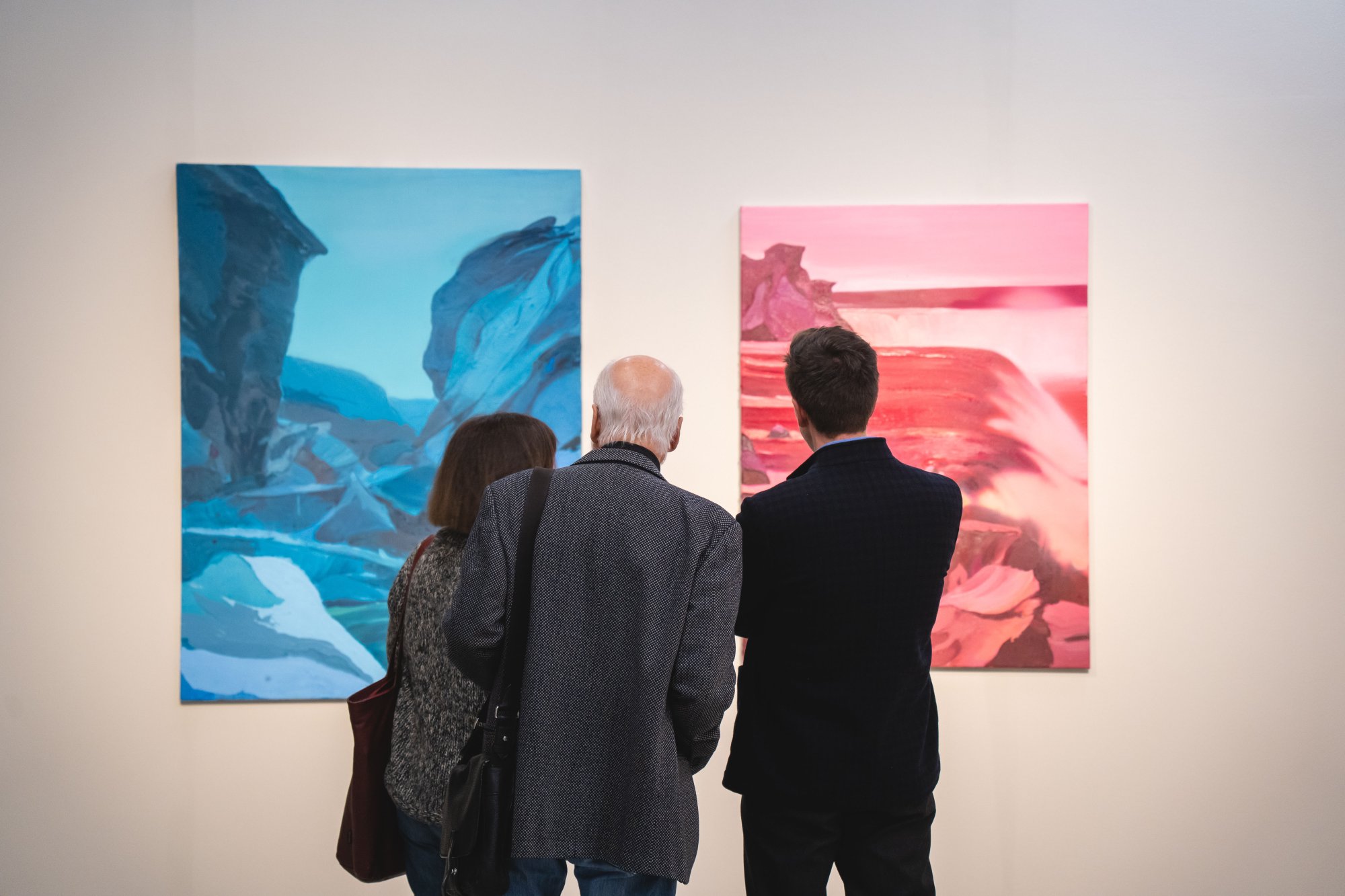
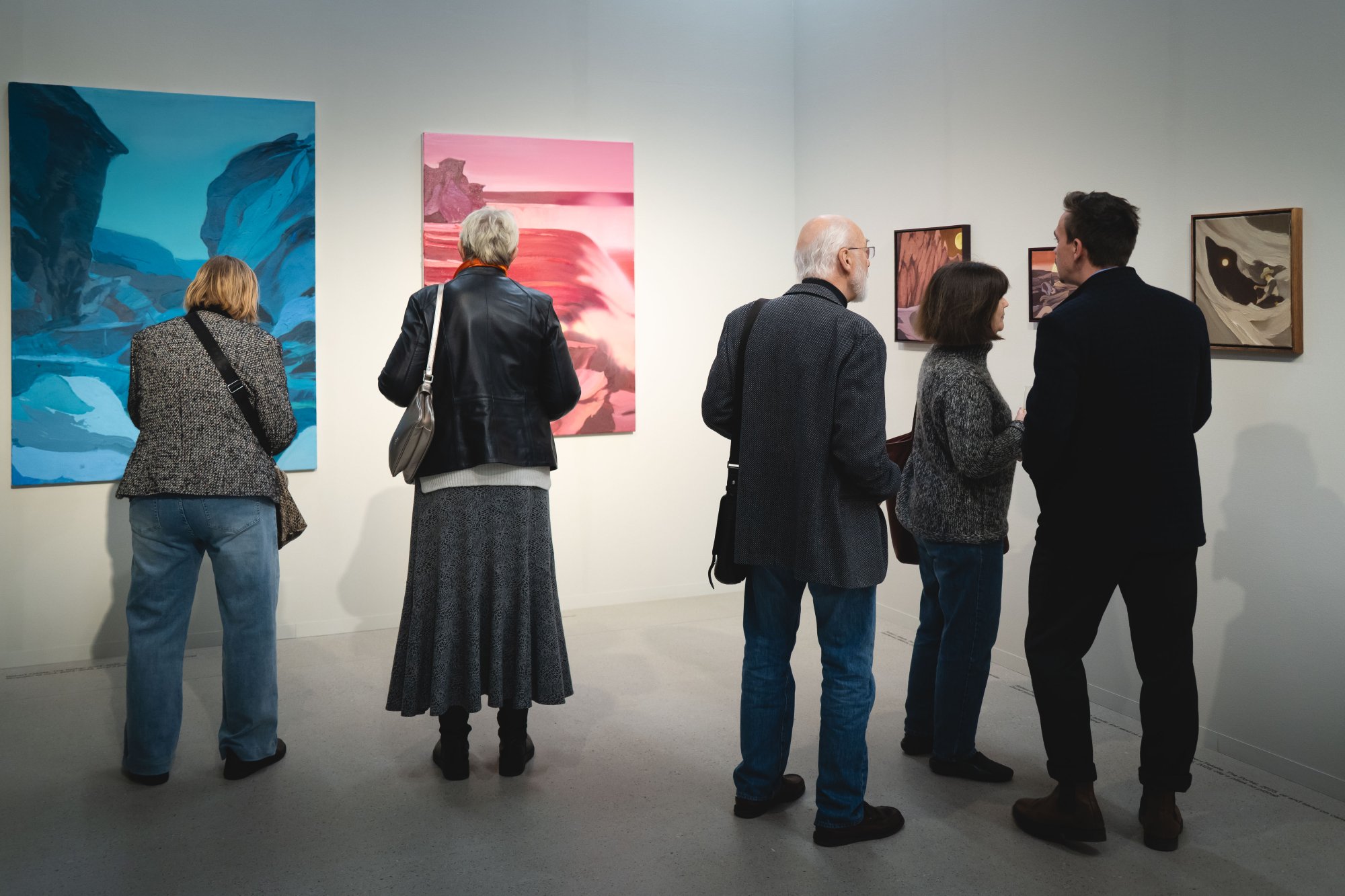
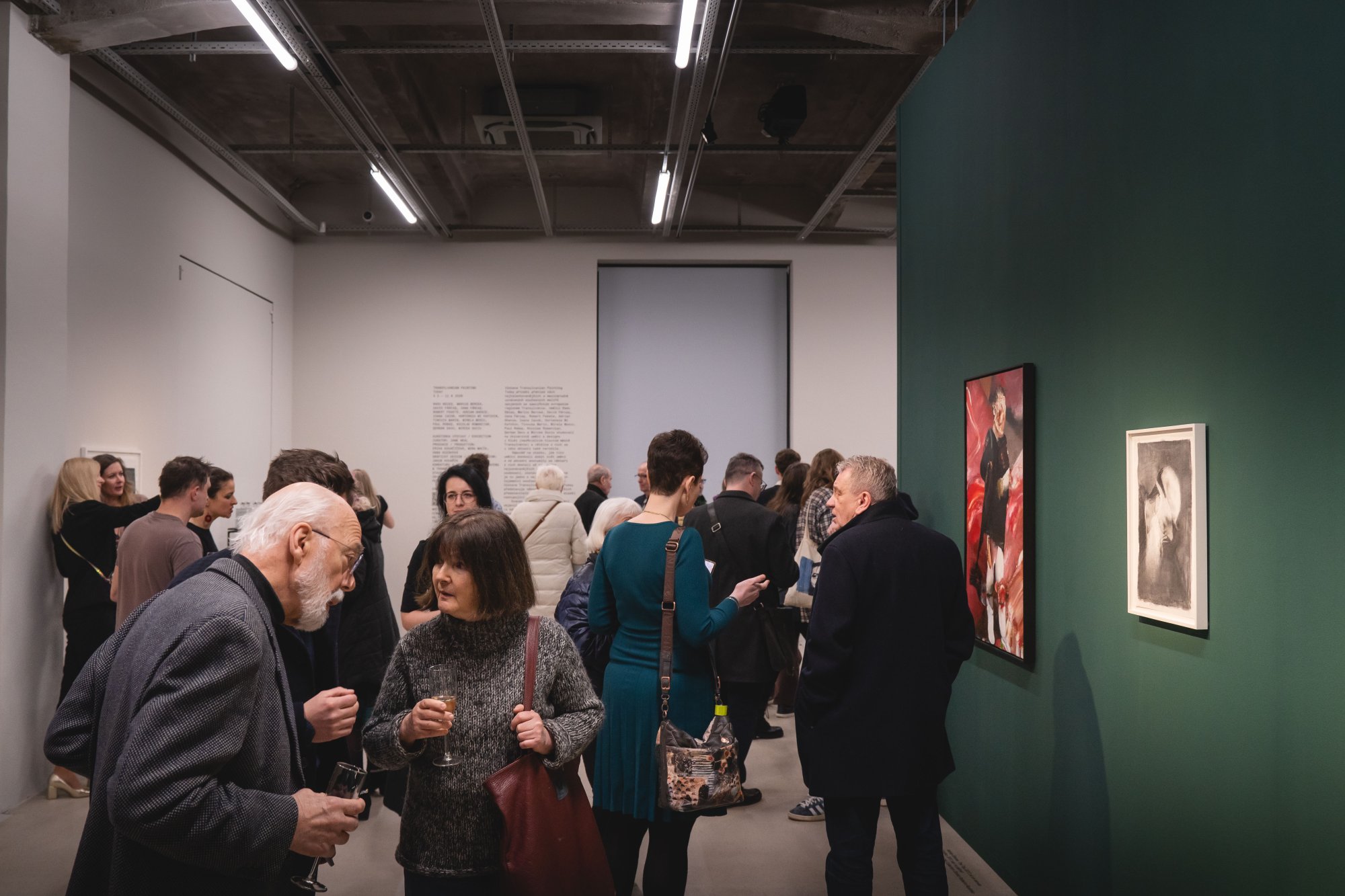
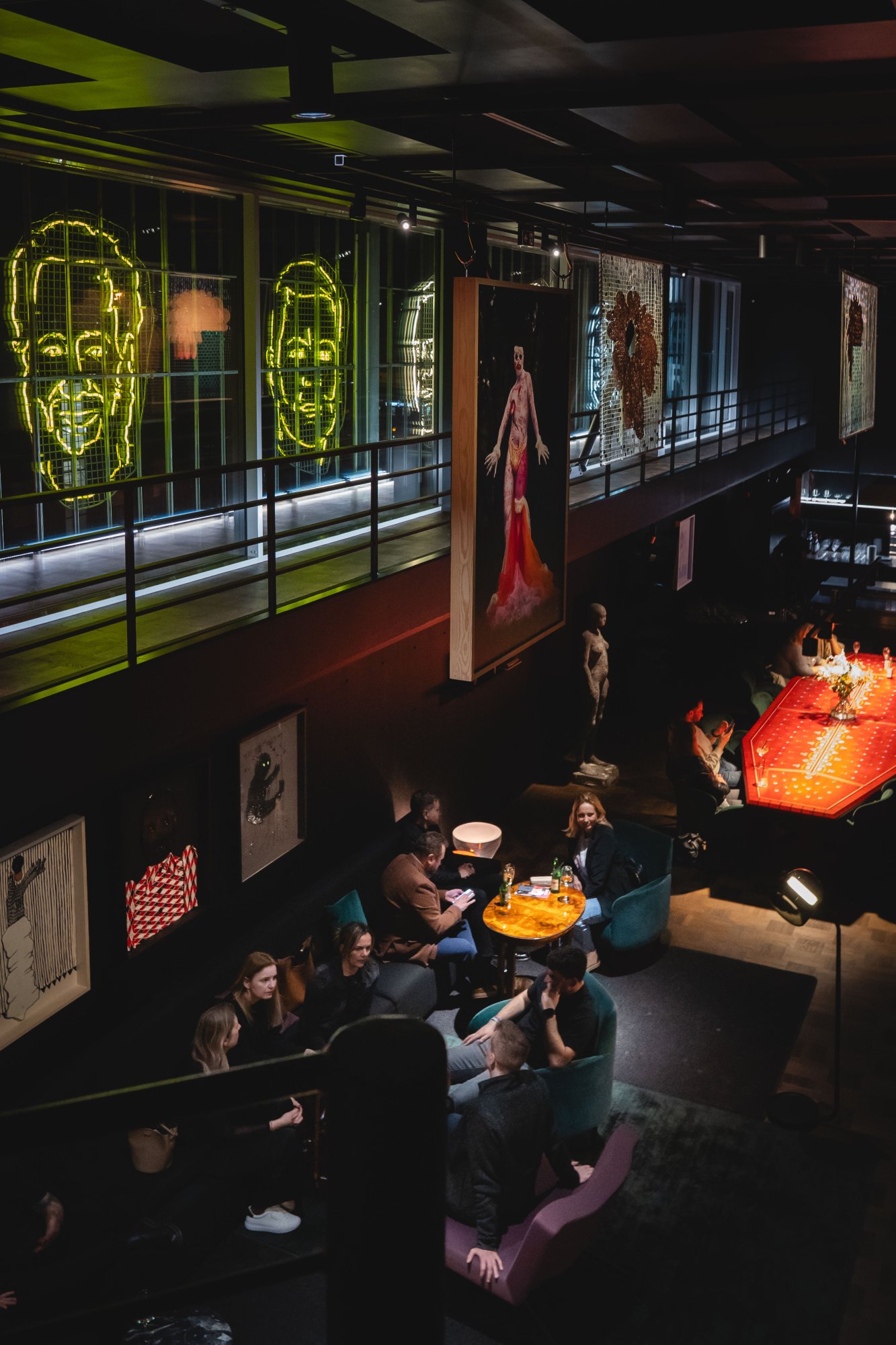
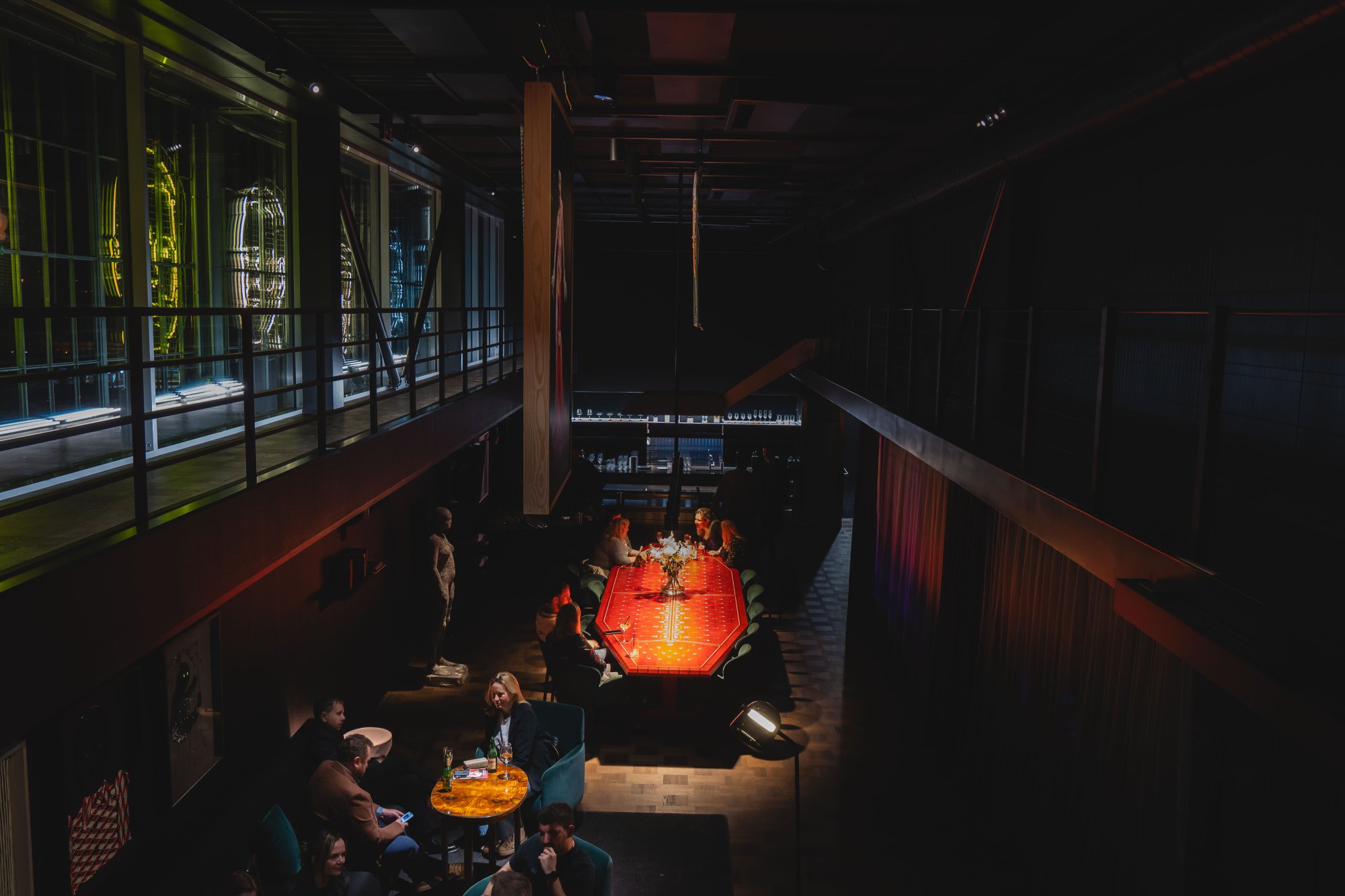
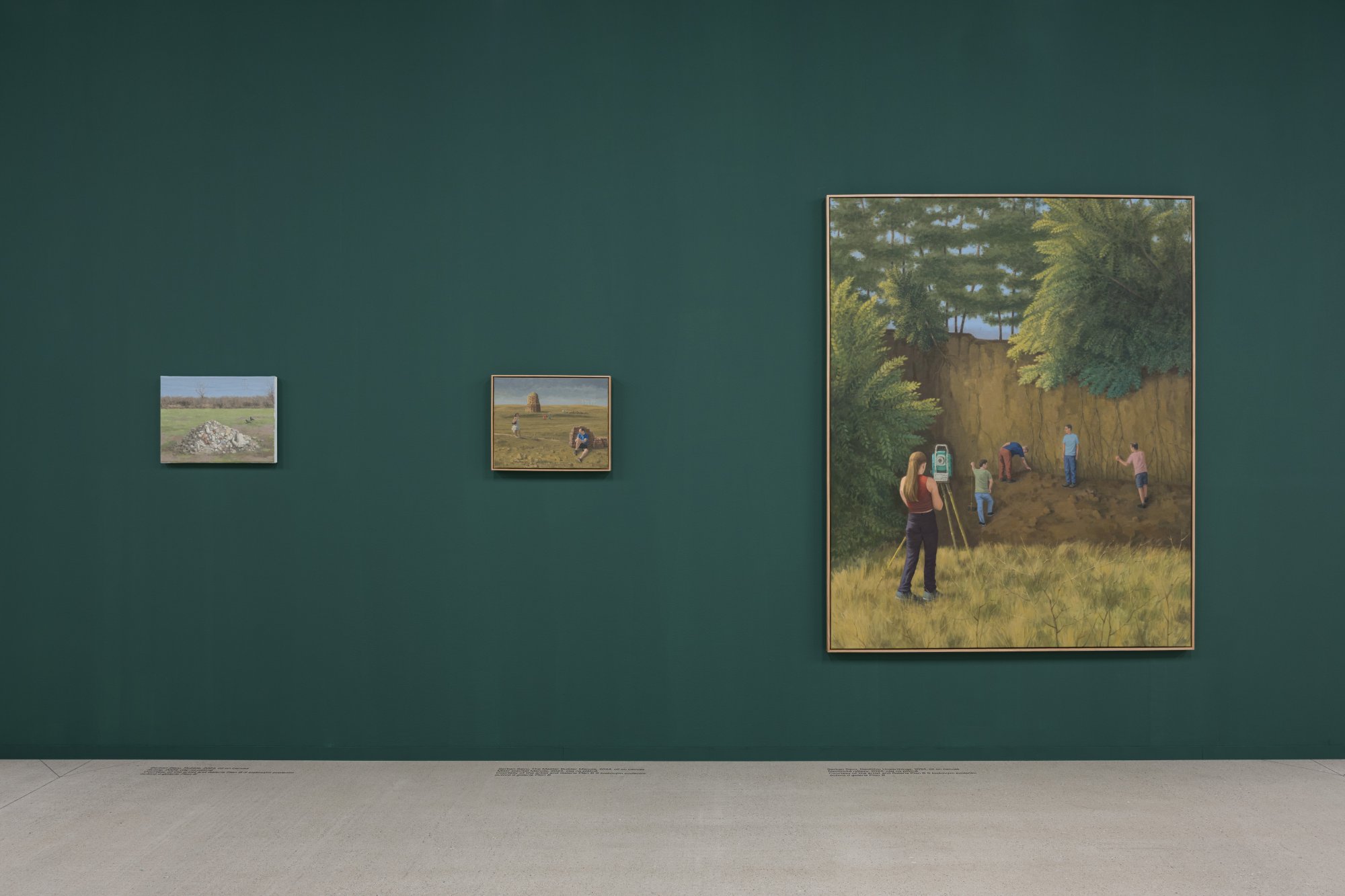
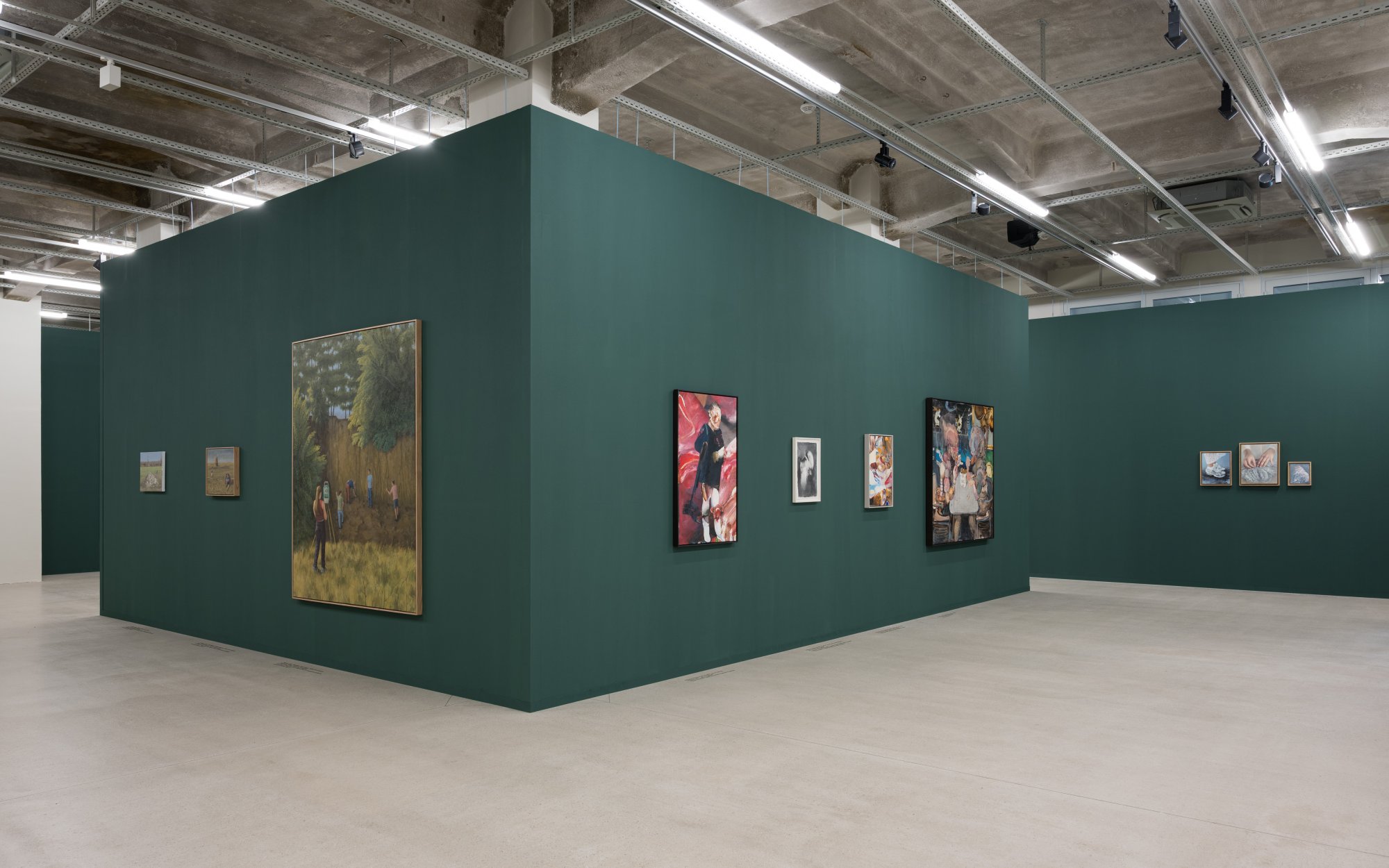
The human figure plays a specific role in these monumental backdrops, and its depiction is another crucial element of the artist's work. The figures often appear as mere staffage wandering through a new and unknown world. They are captured in leisure activities, on picnics or wandering aimlessly, giving the impression of detachment from their surroundings. In this way, Bercea comments on the state of modern society struggling to find its footing in a rapidly changing environment. His confident painterly gesture ranges from precise detail to relaxed abstraction. The inclusion of his work in the current exhibition Transylvanian Painting Today at the Telegraph Gallery space thus represents a position that demonstrates the maturity of the Cluj scene. Bercea's paintings clearly show that painting can be both local and universal, and through his masterful work with colour he can tell the most complex stories about the geopolitical fractures shaping the world today.