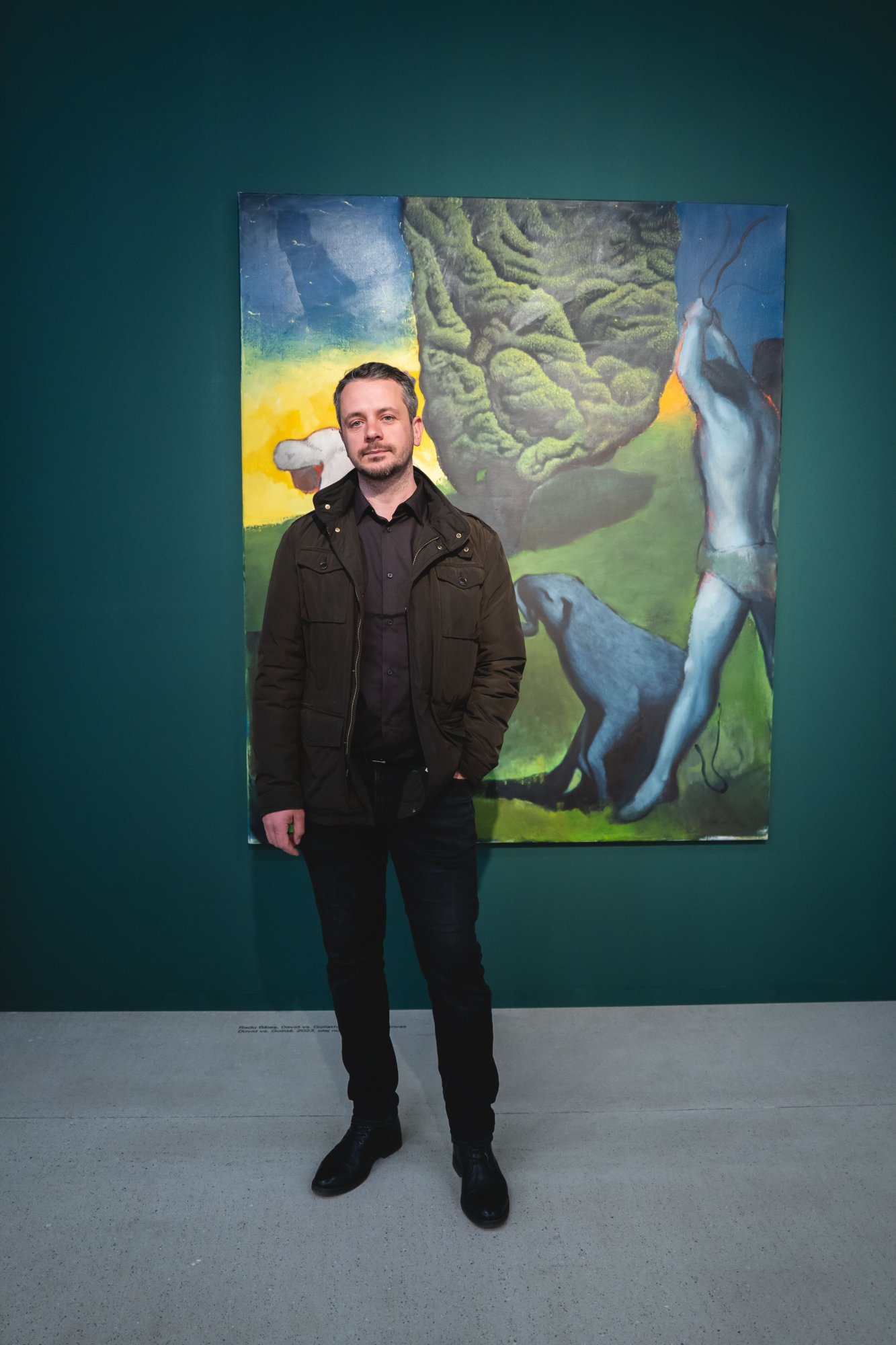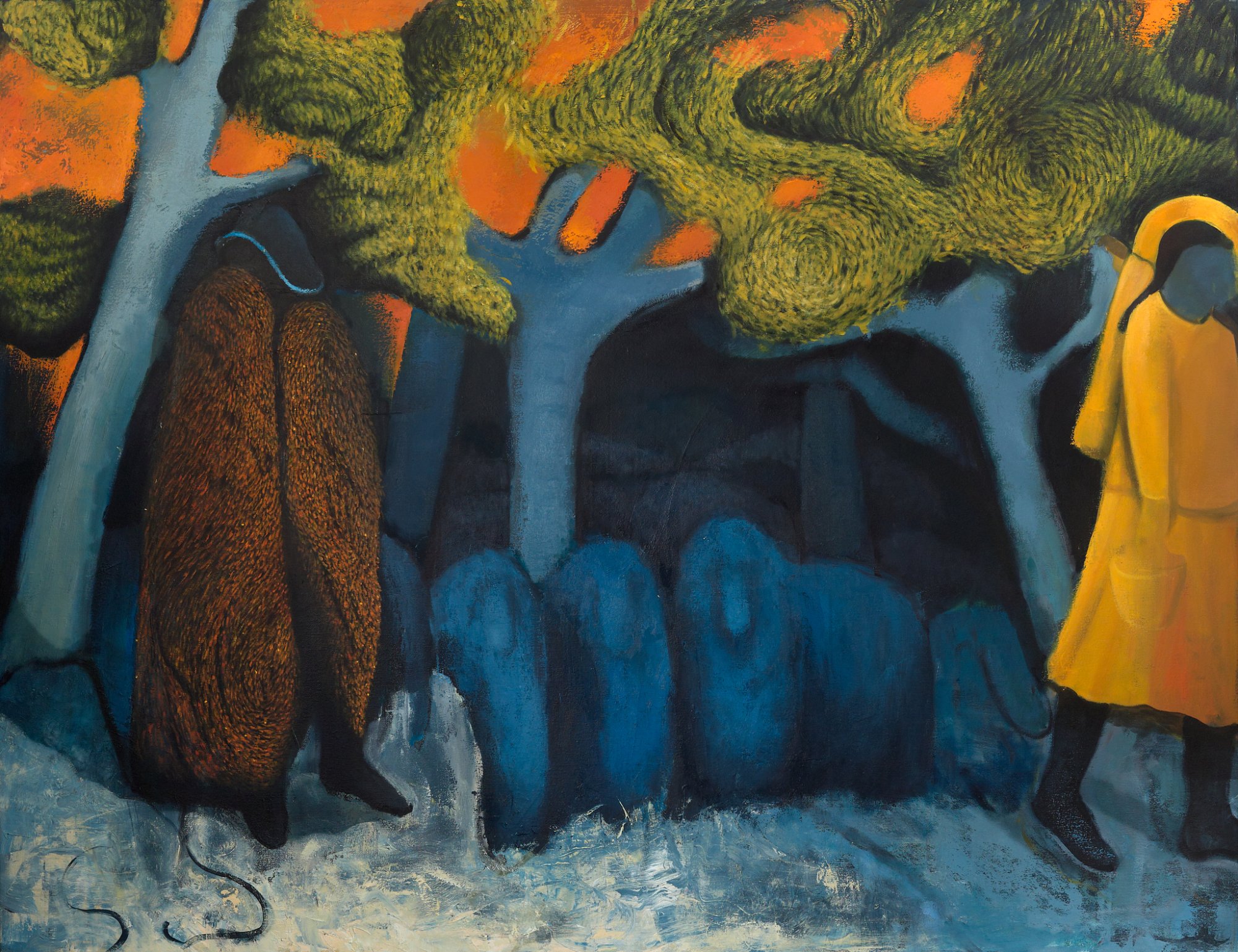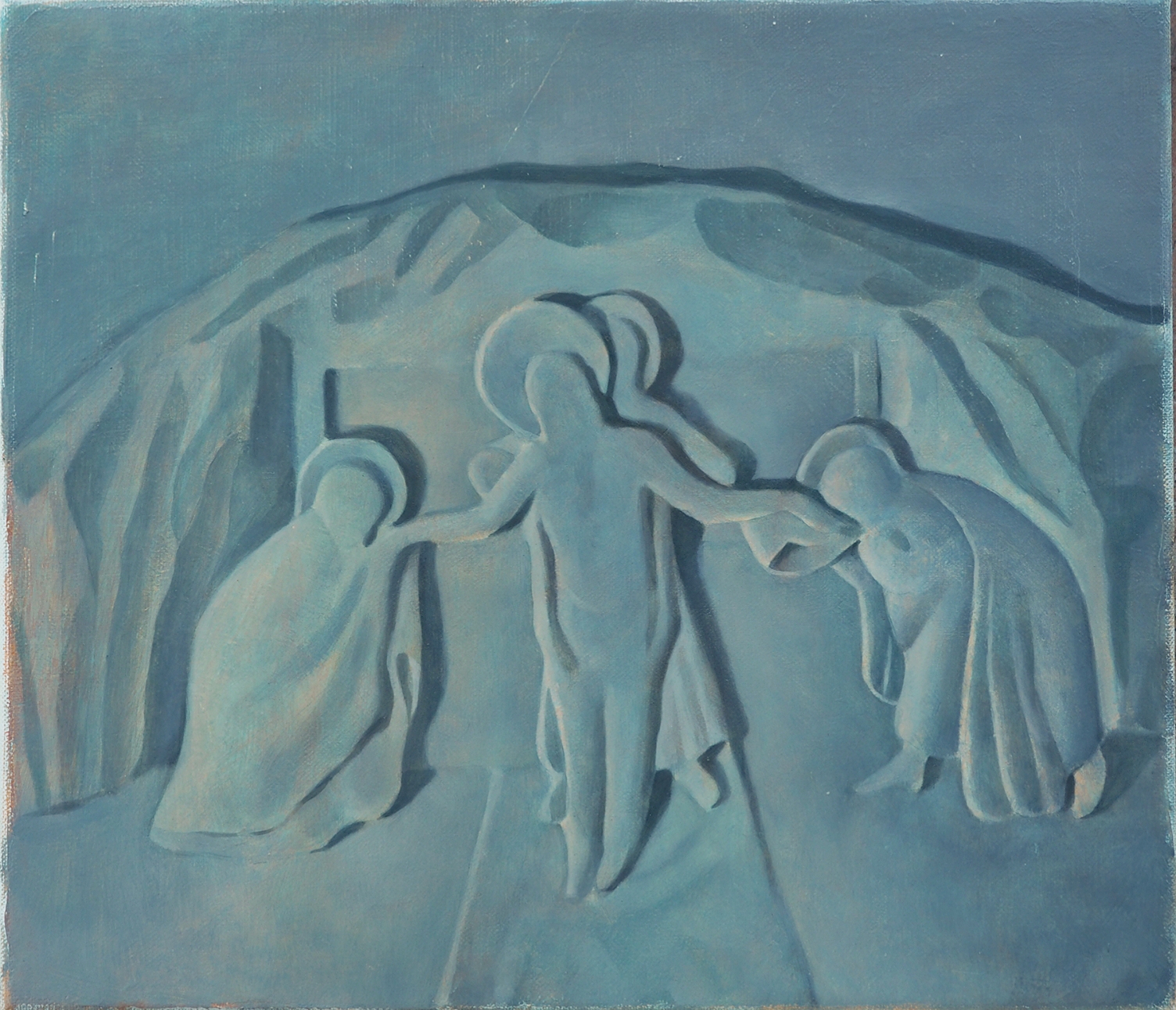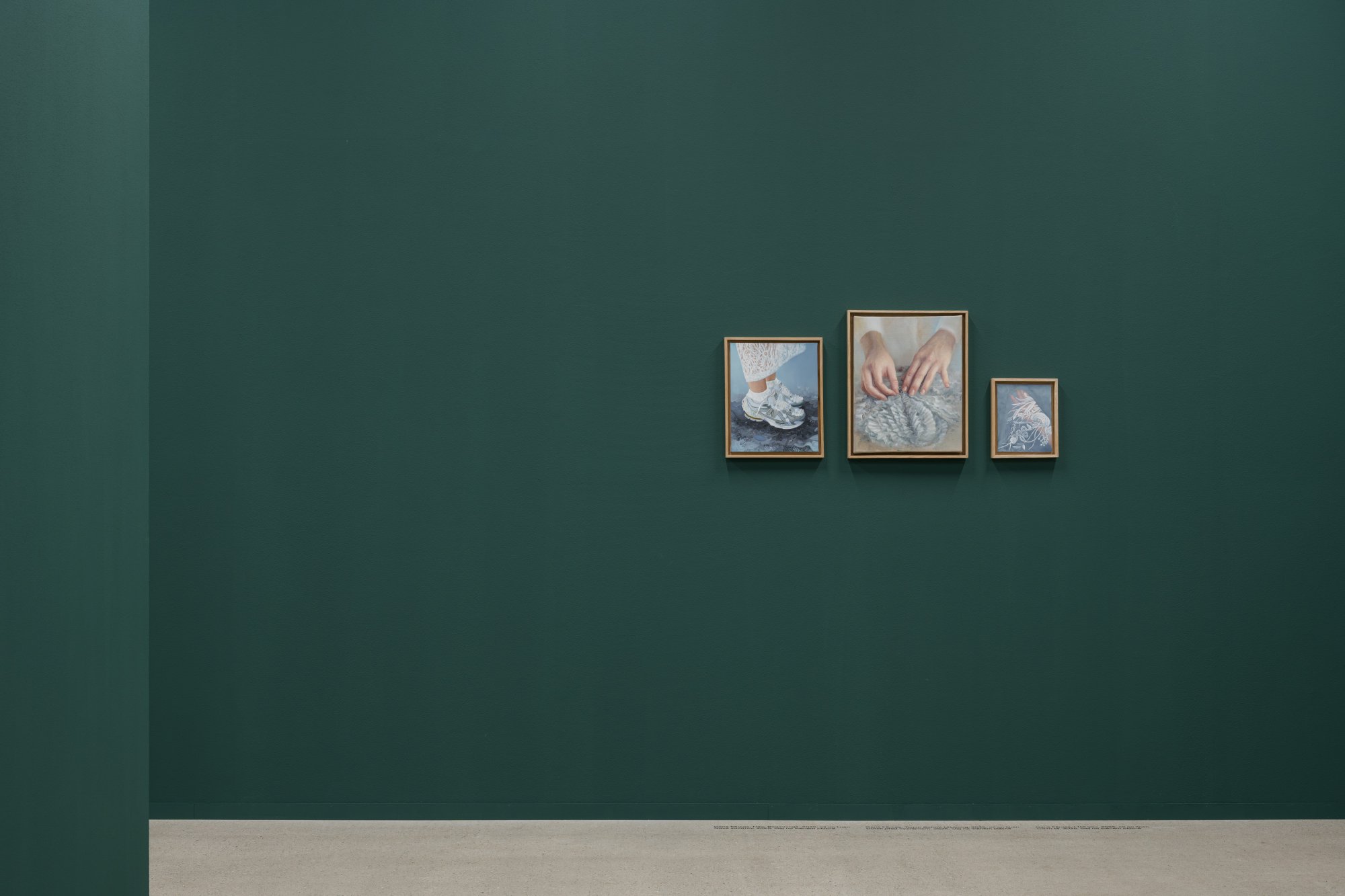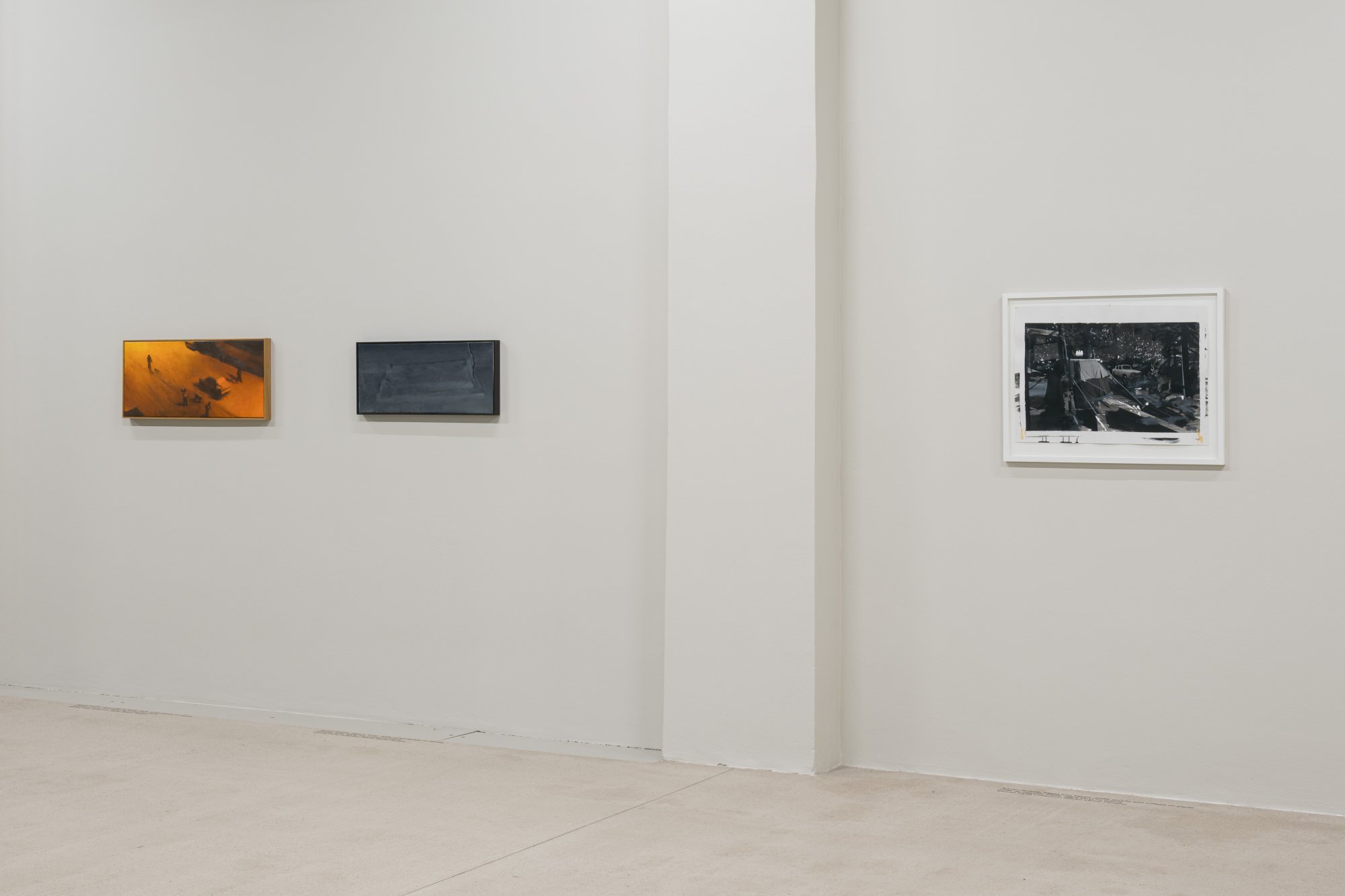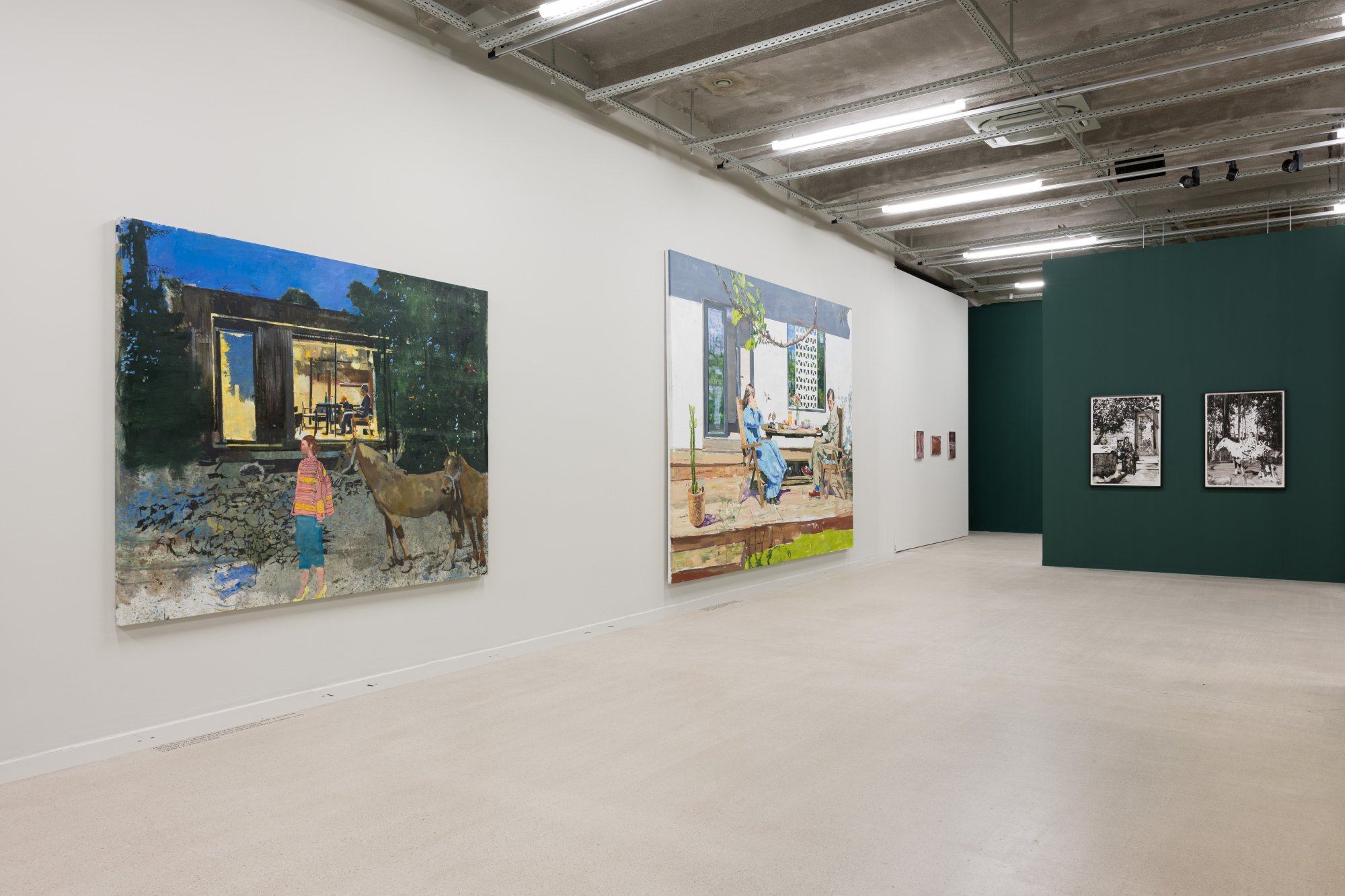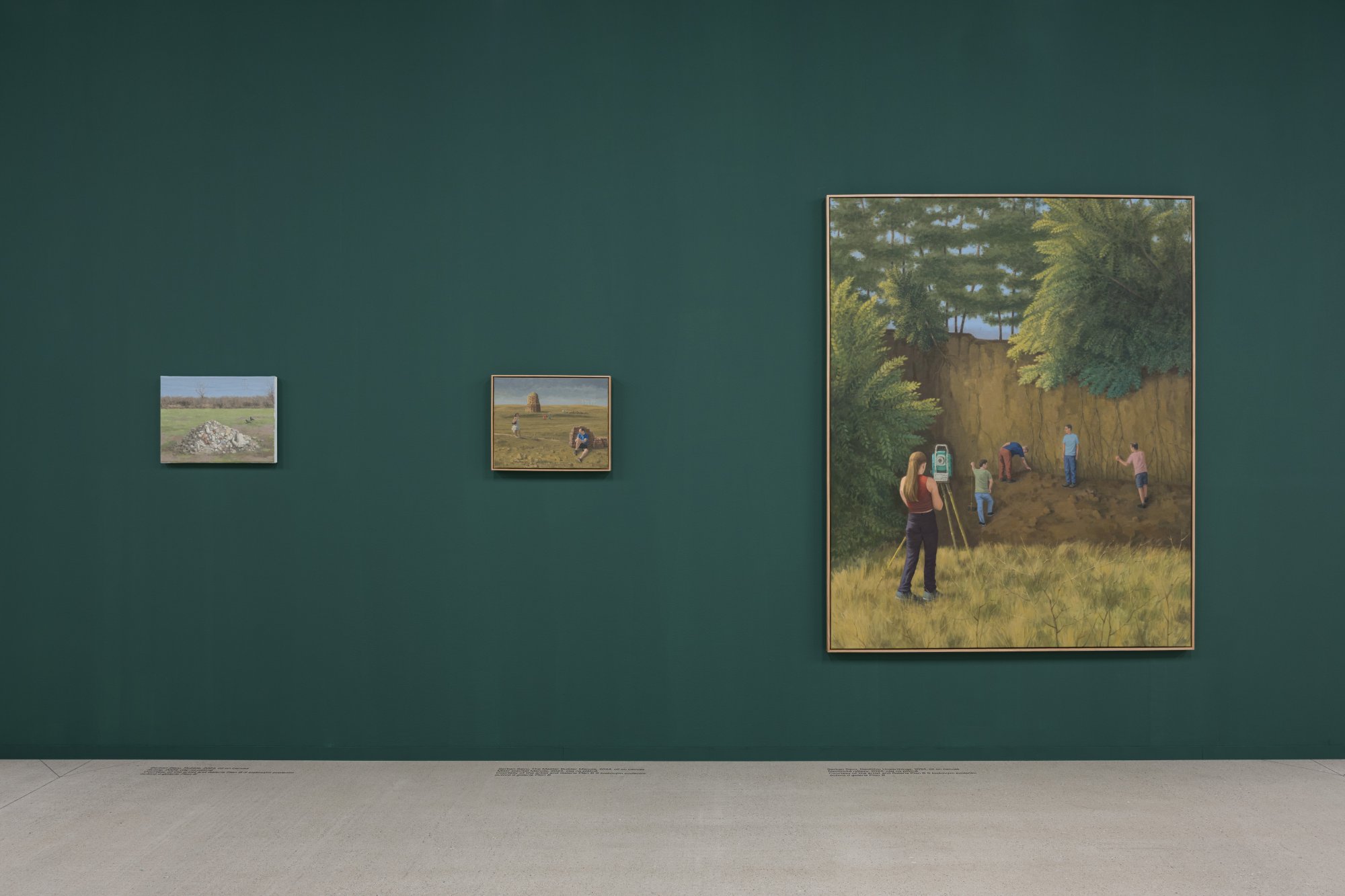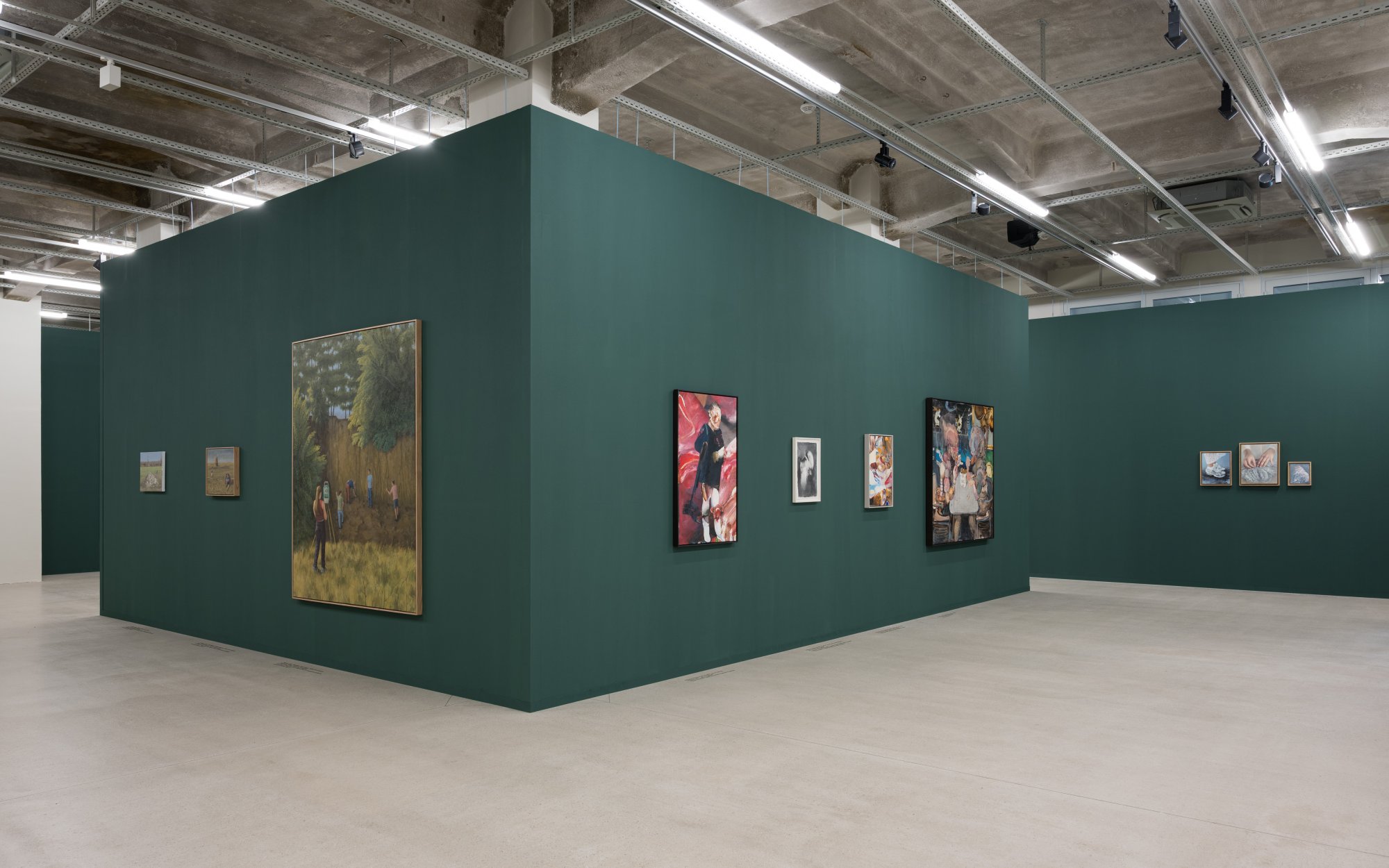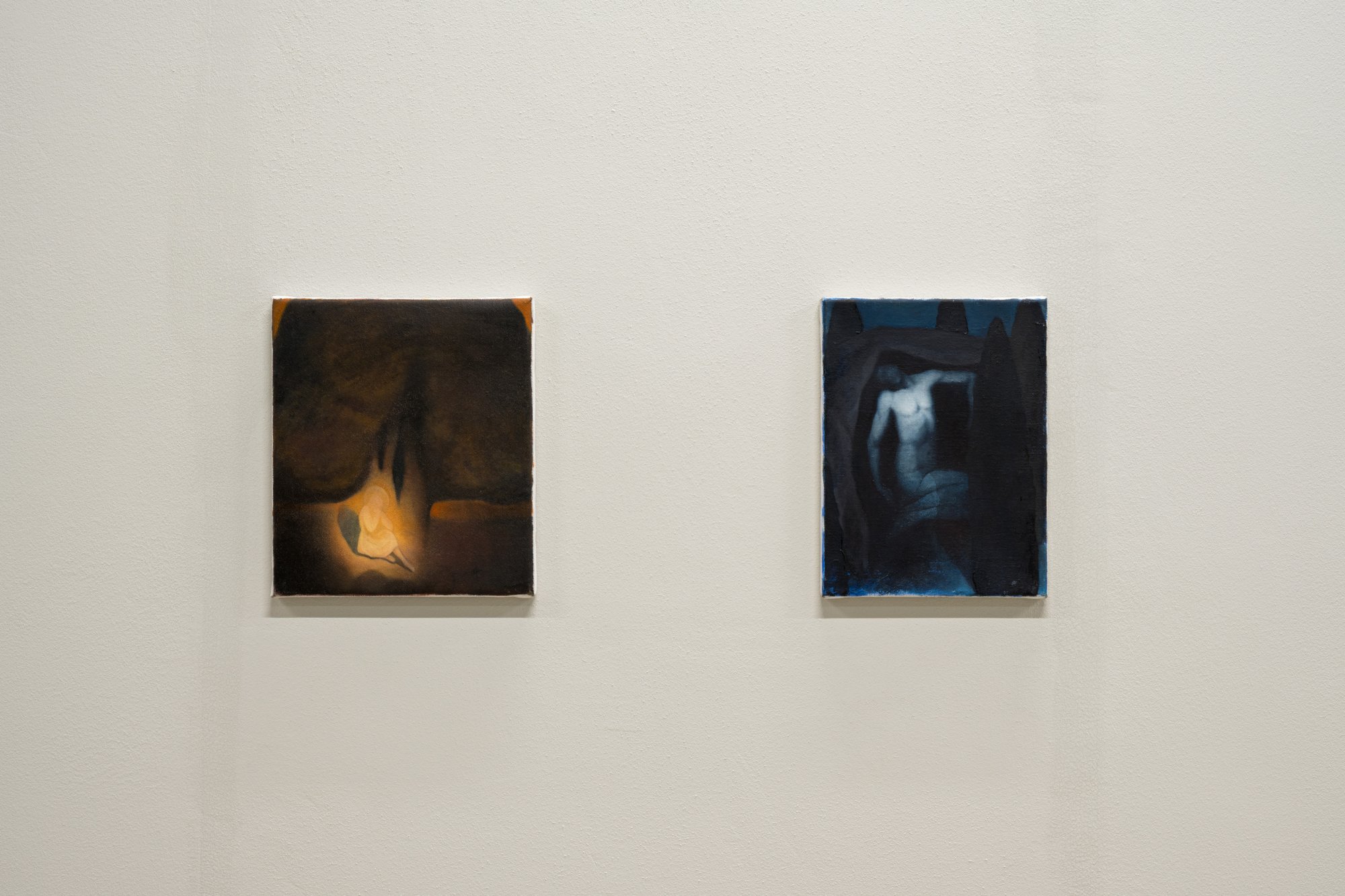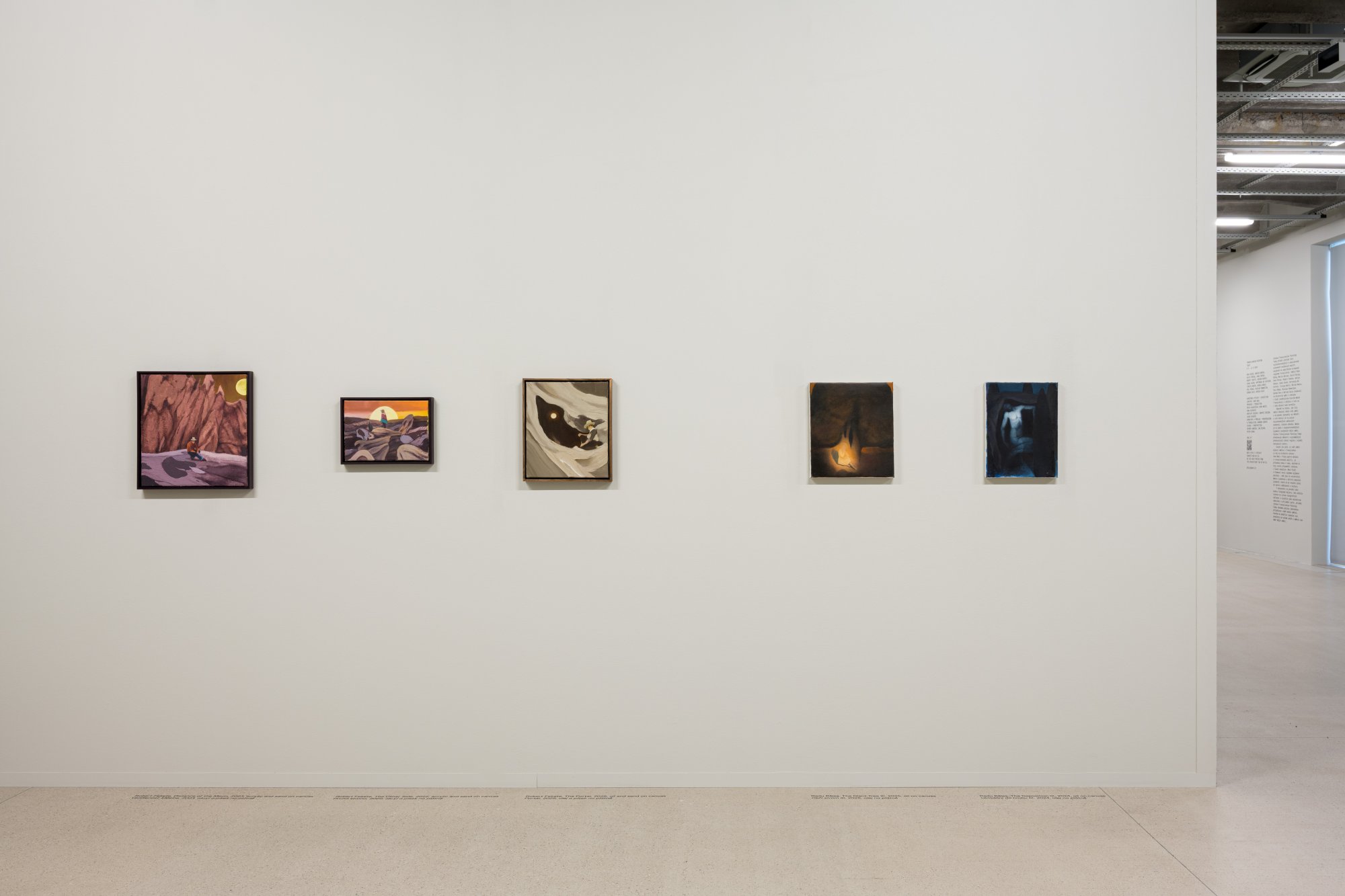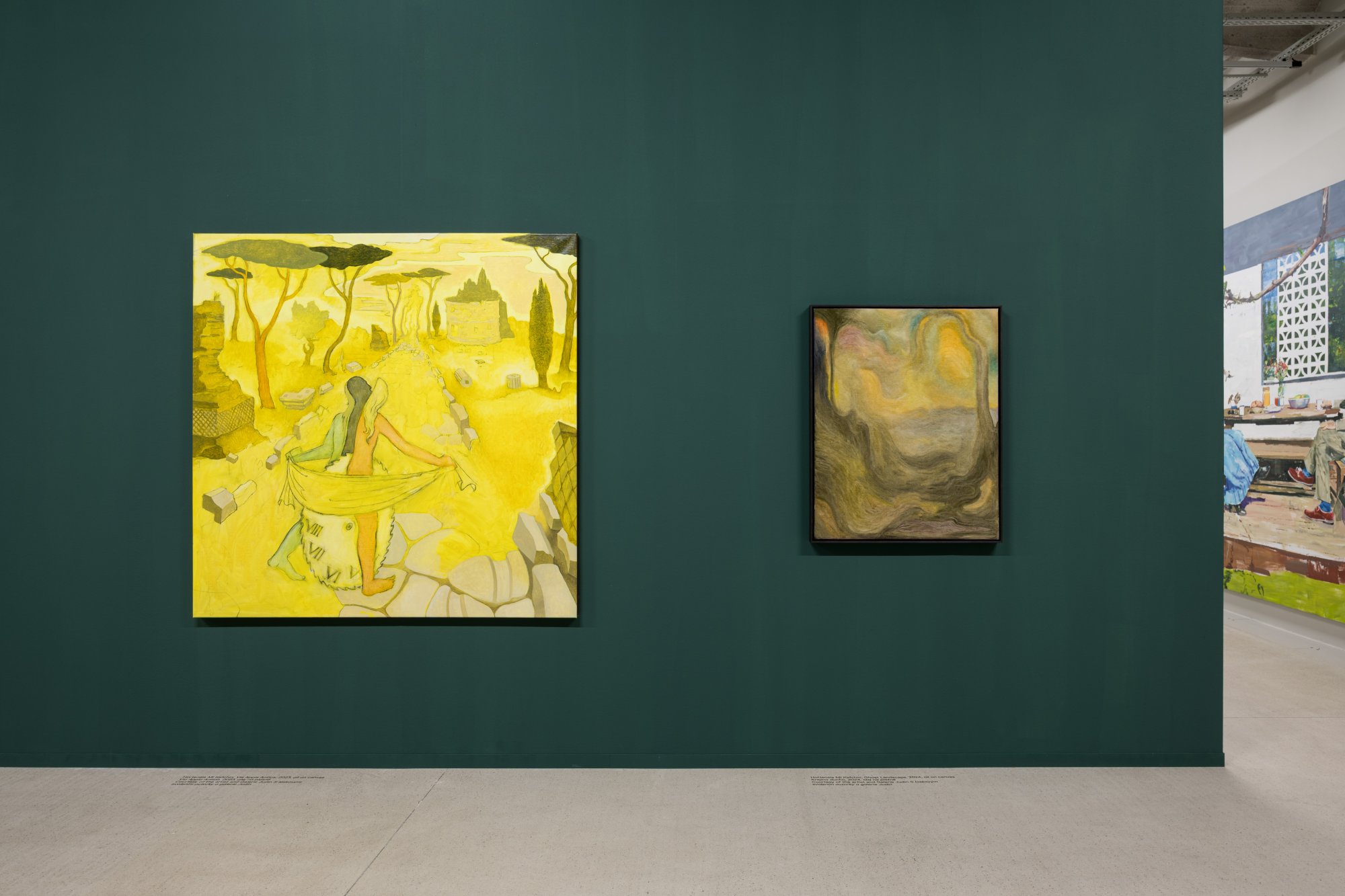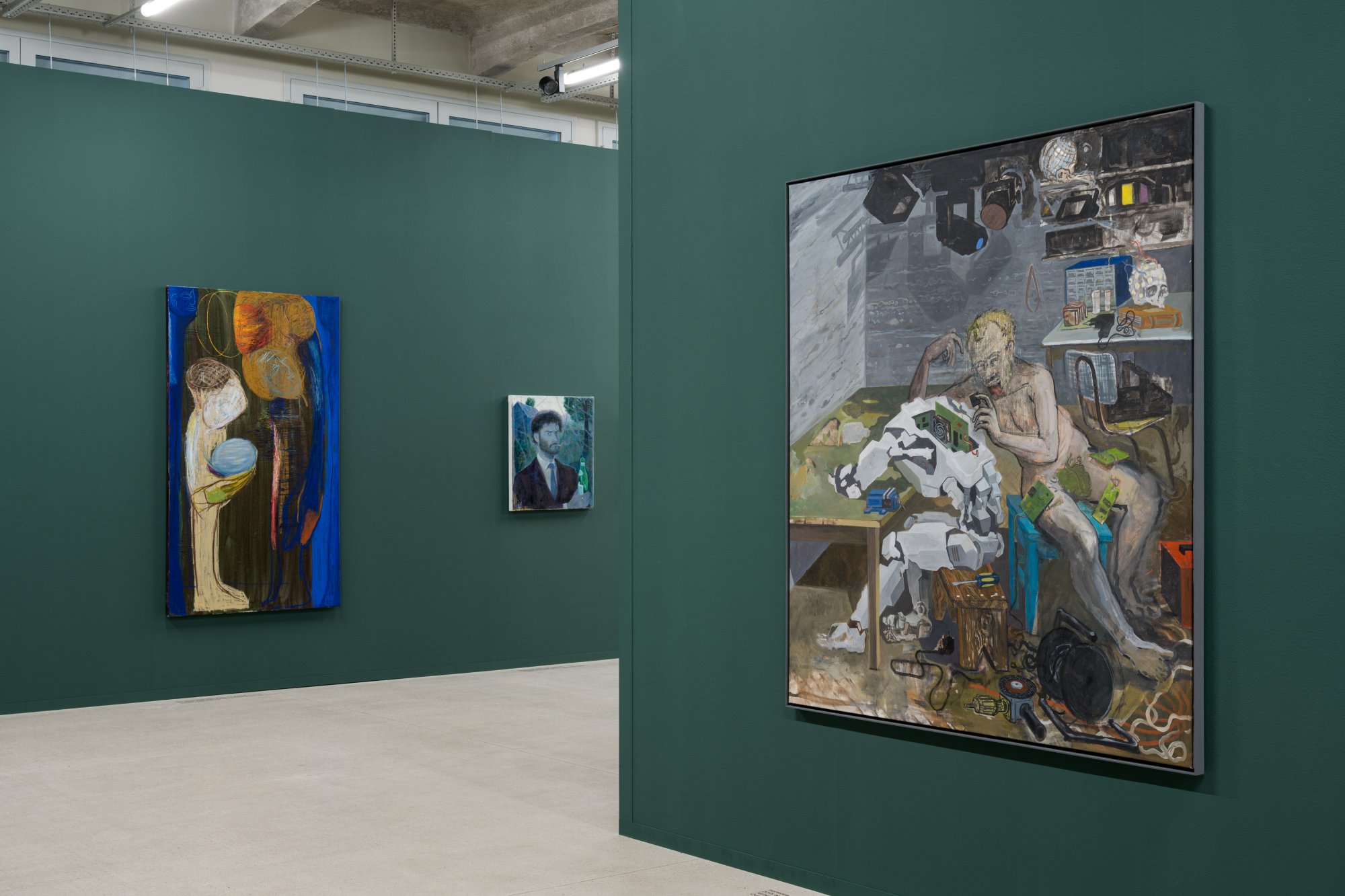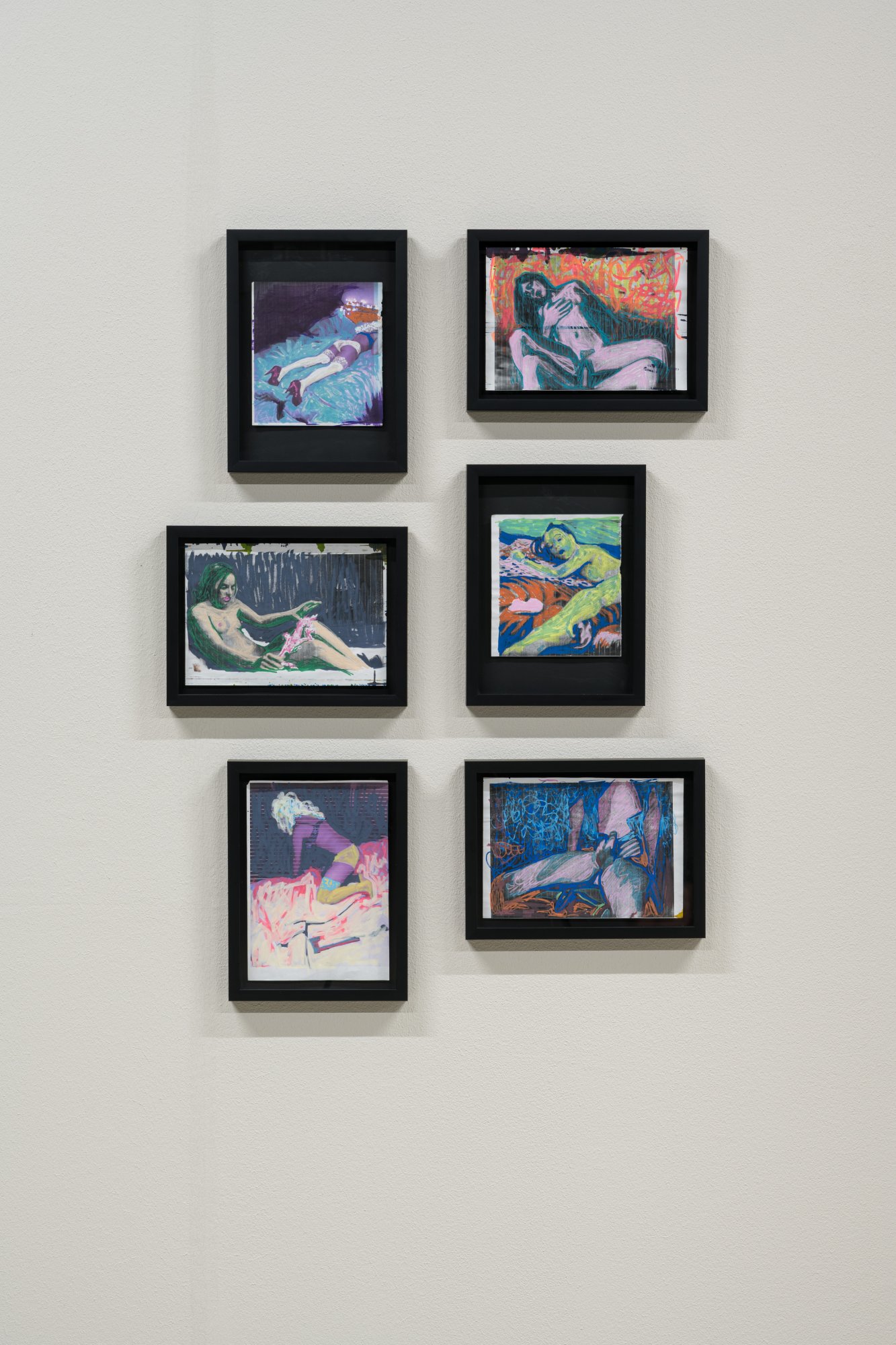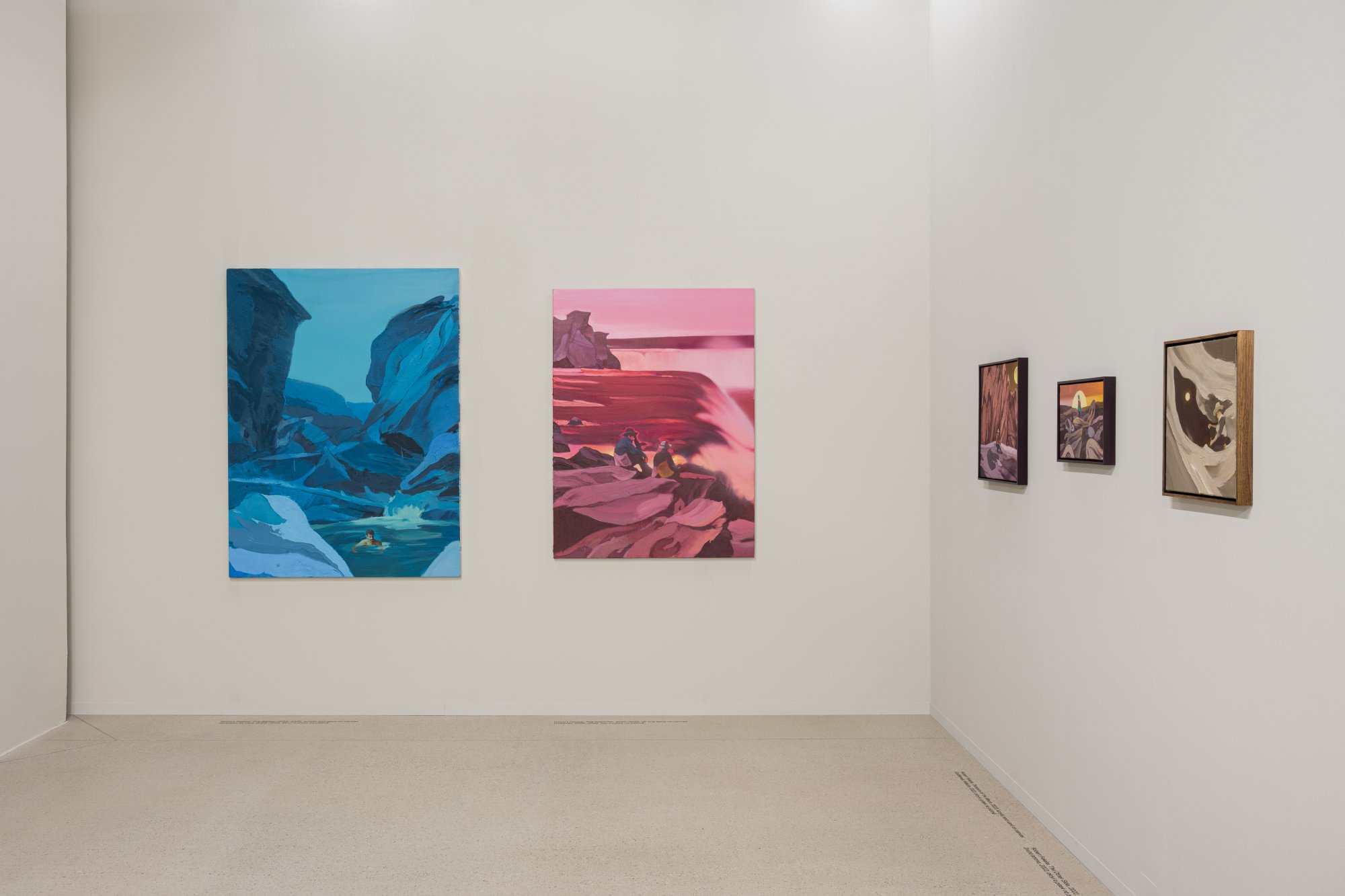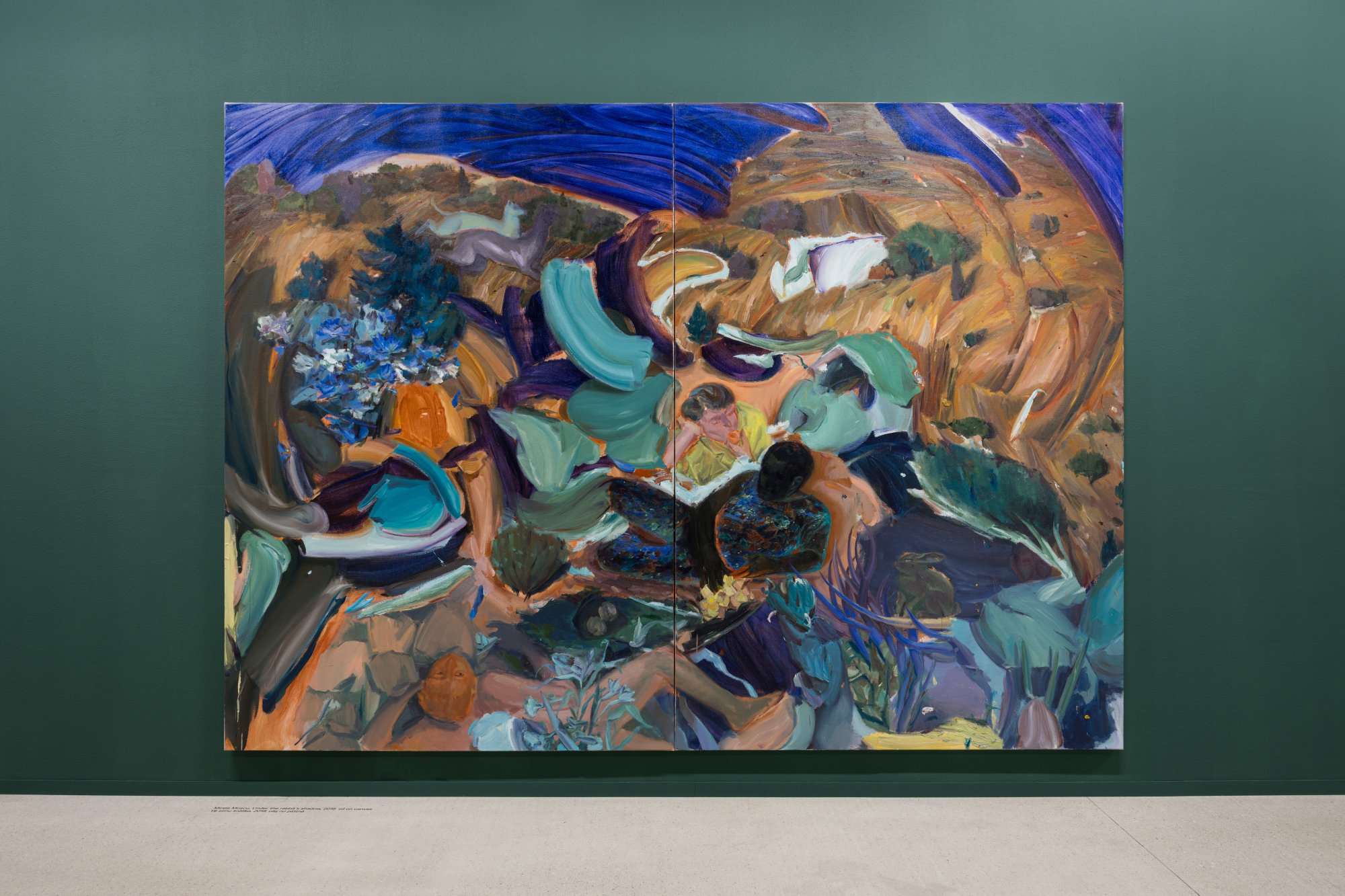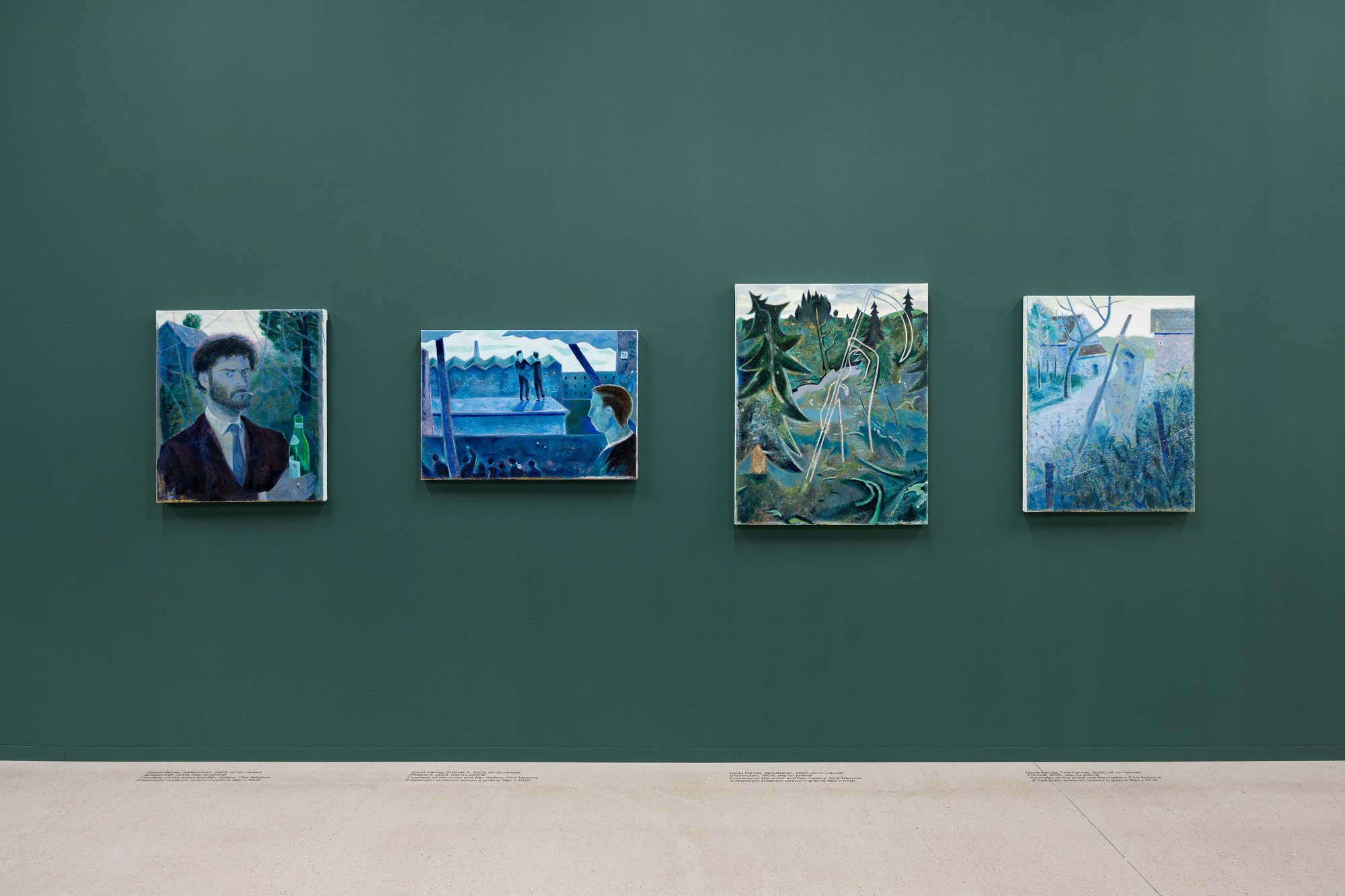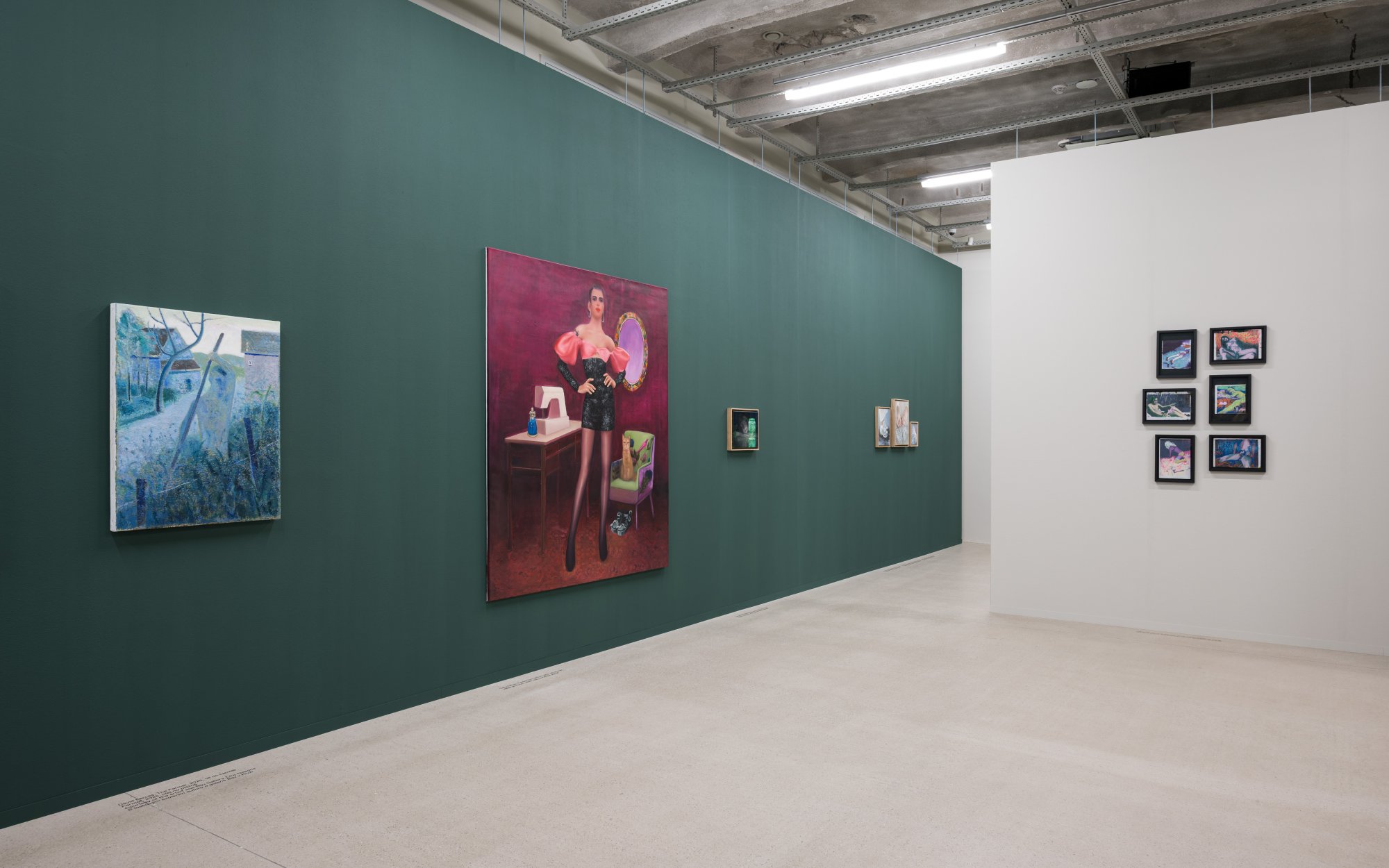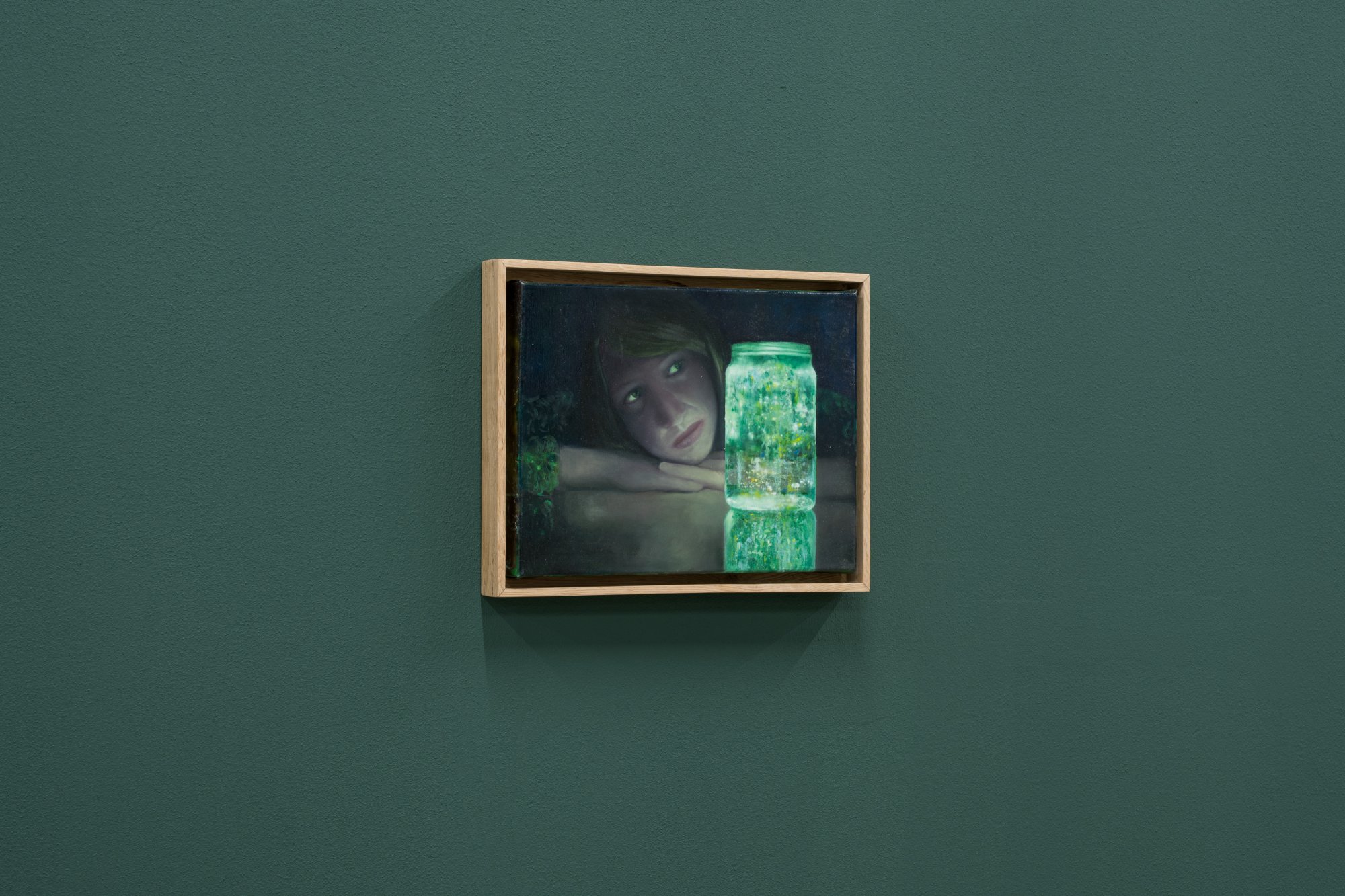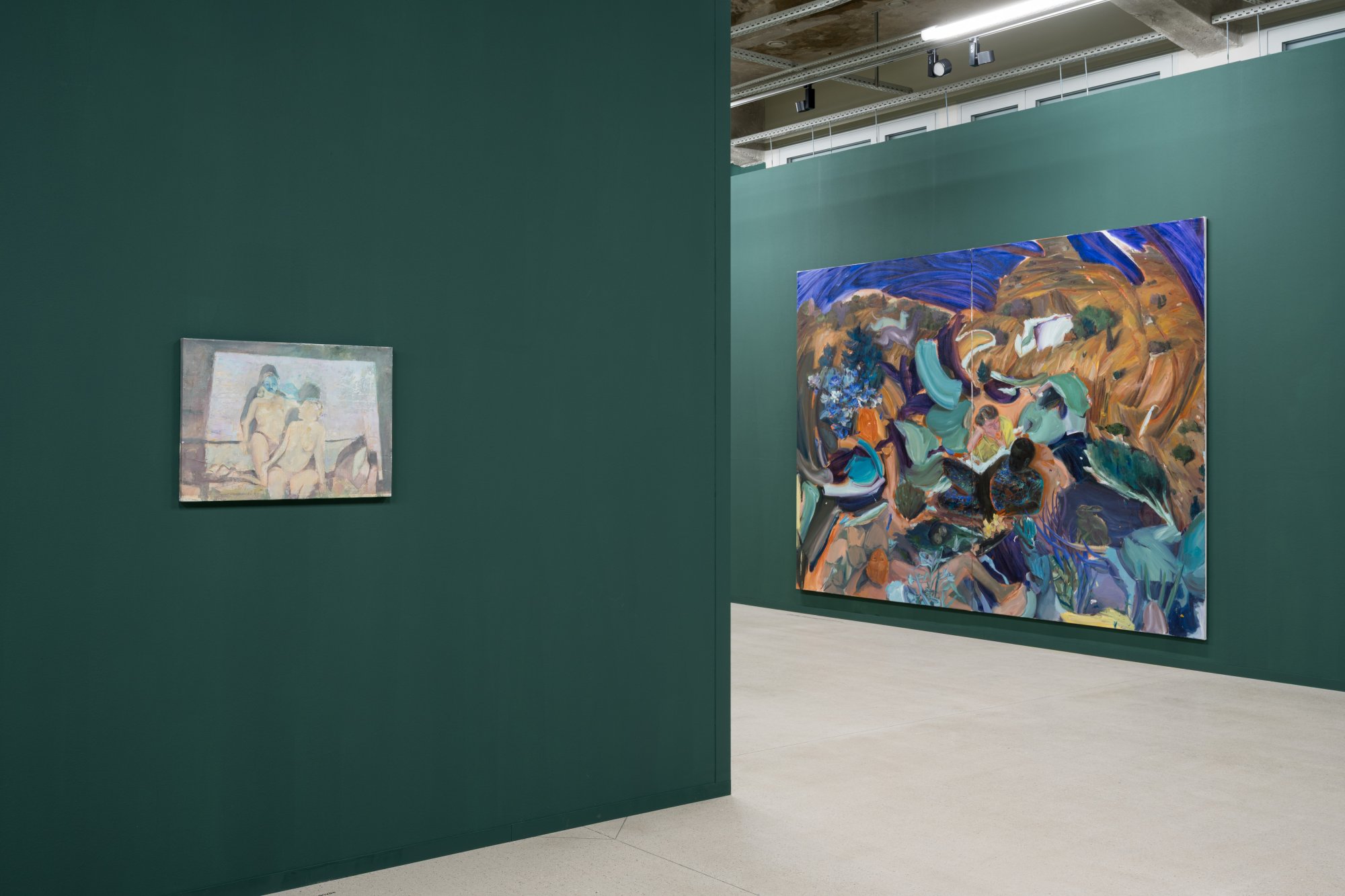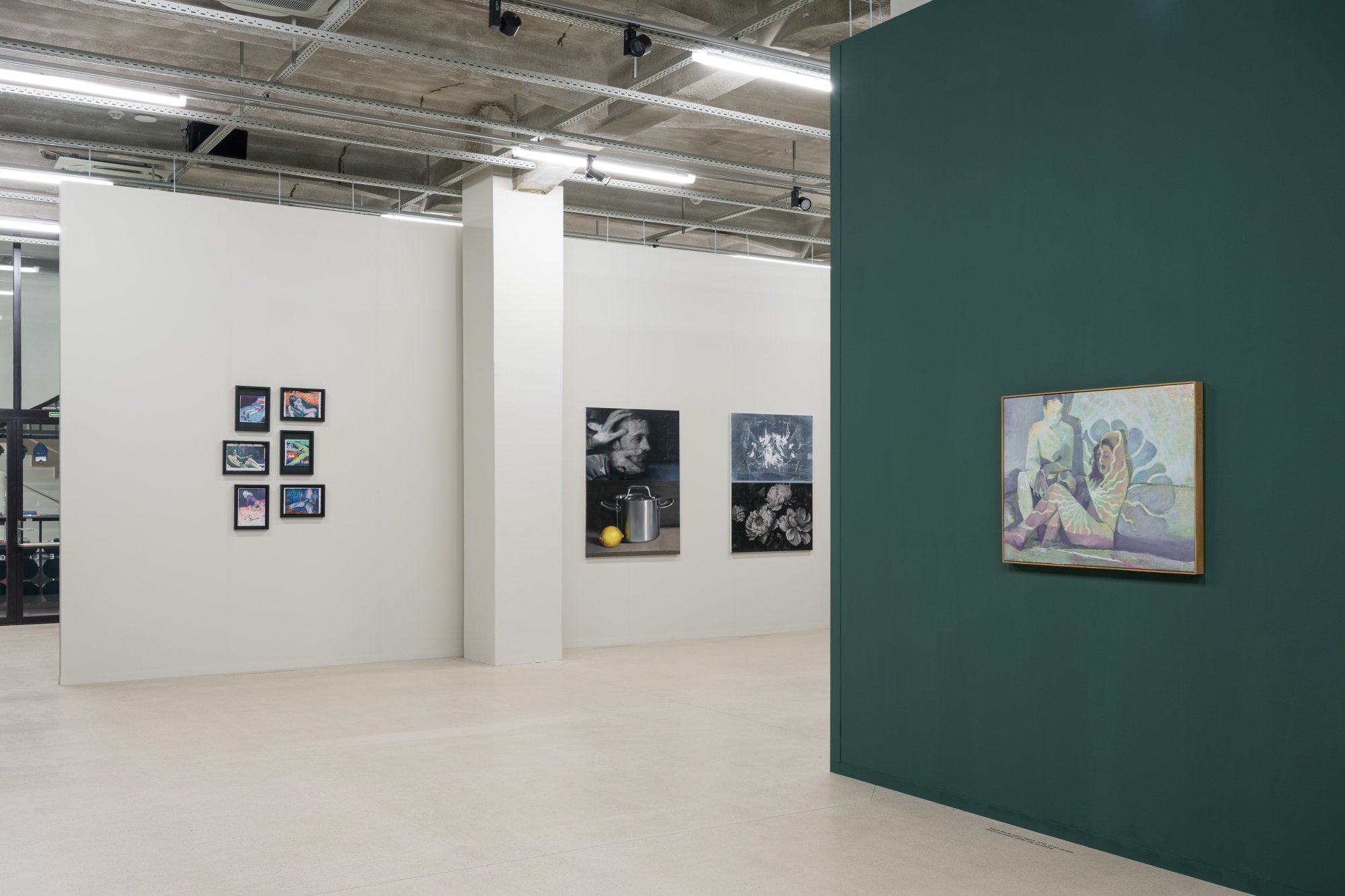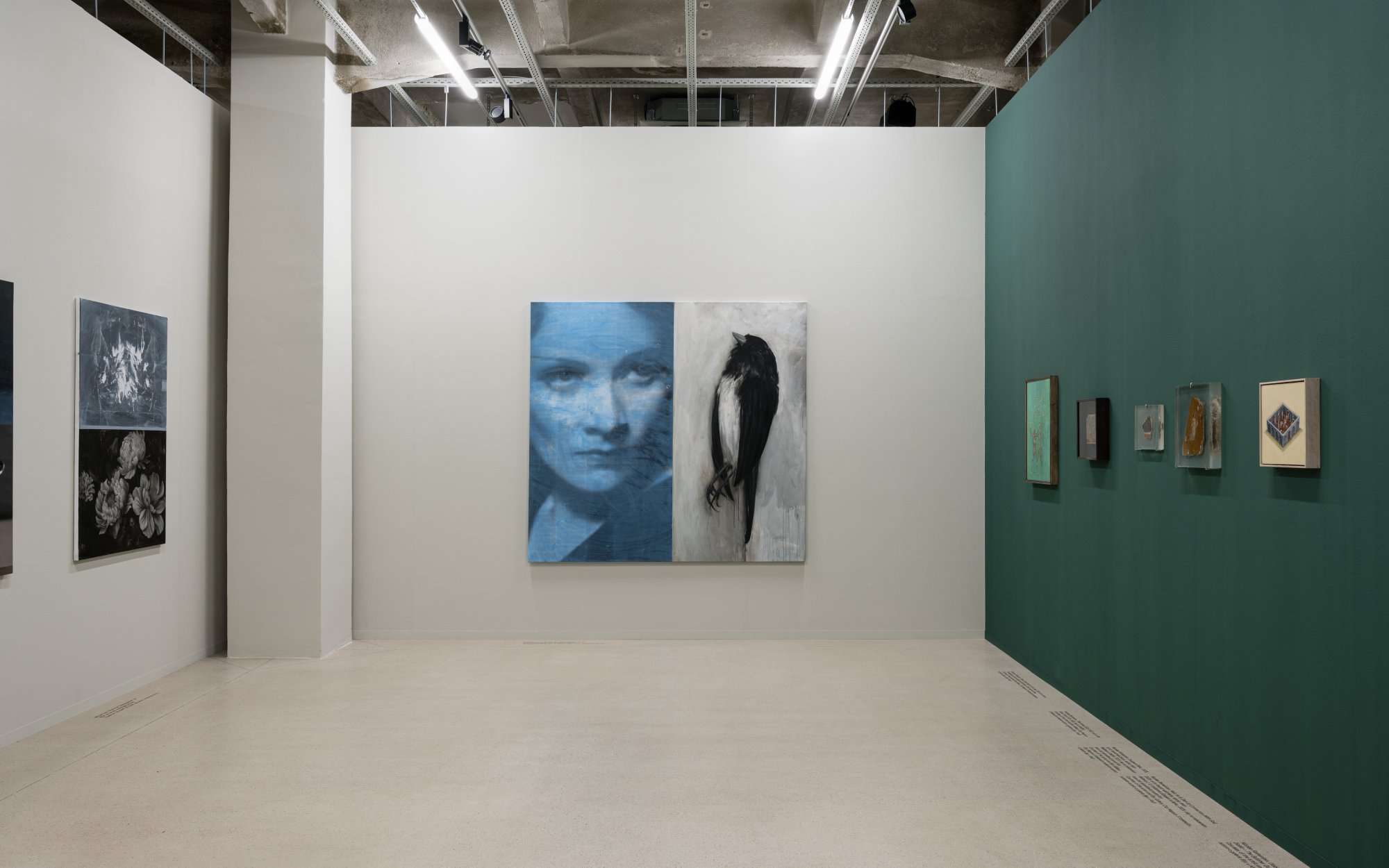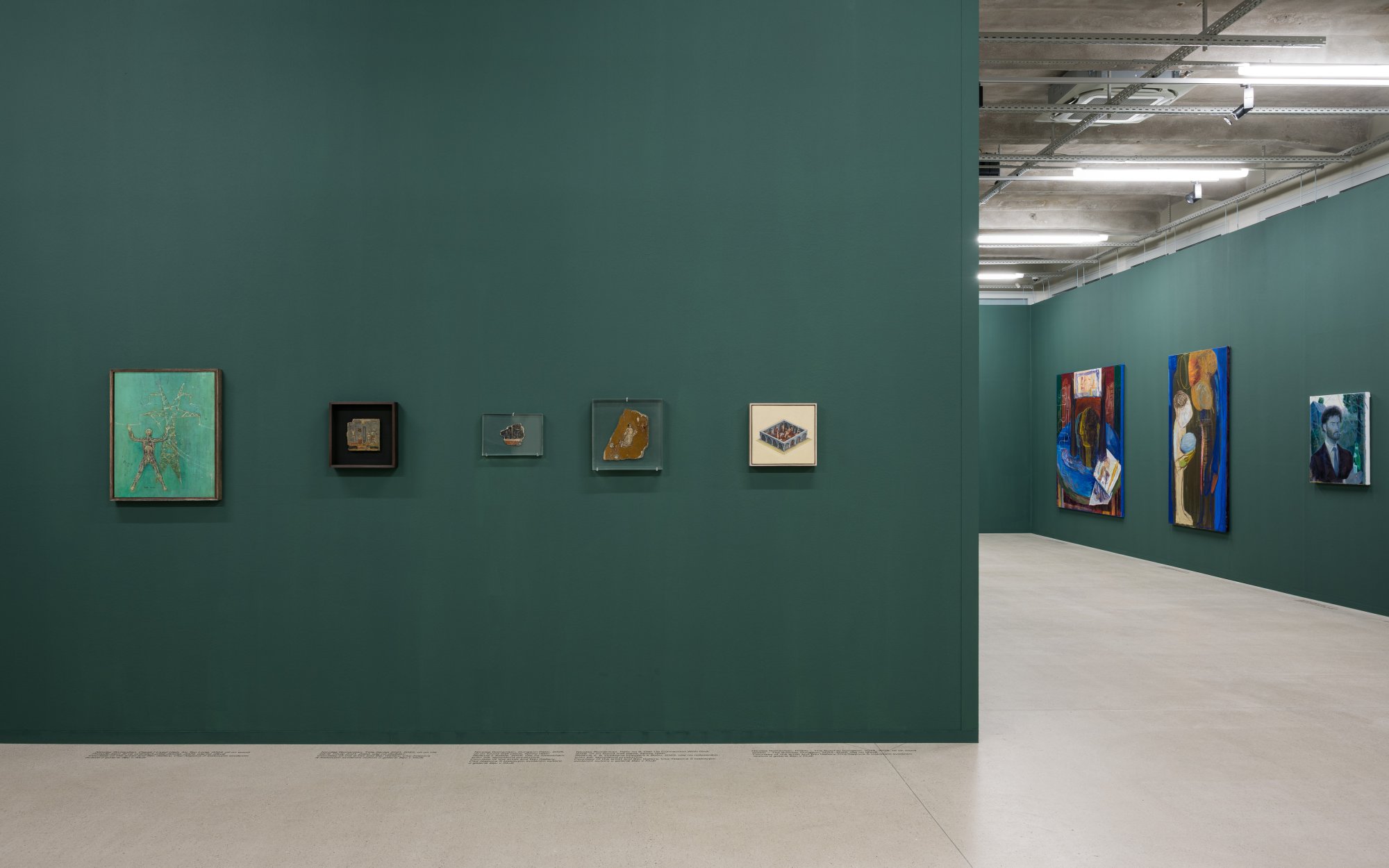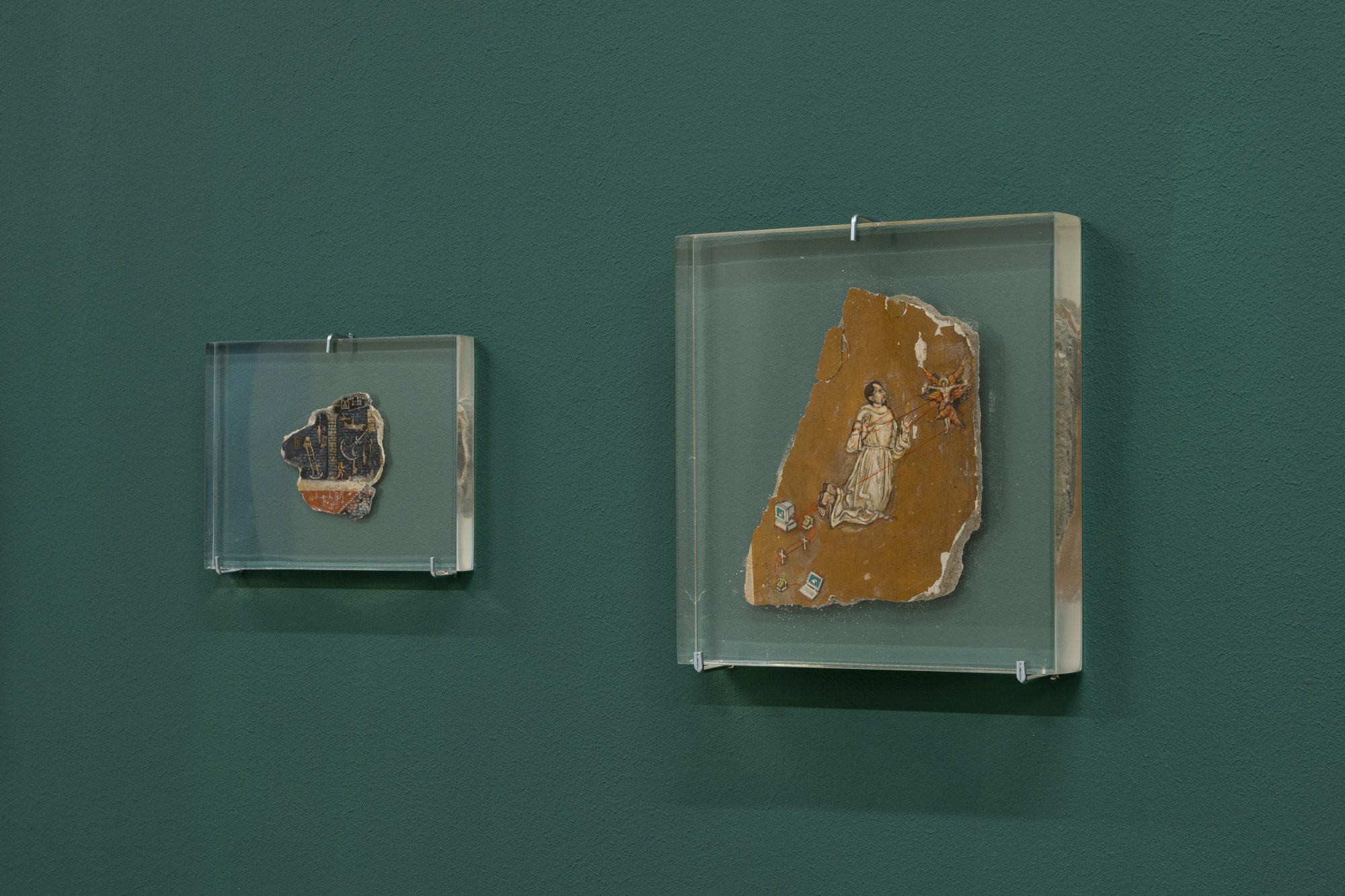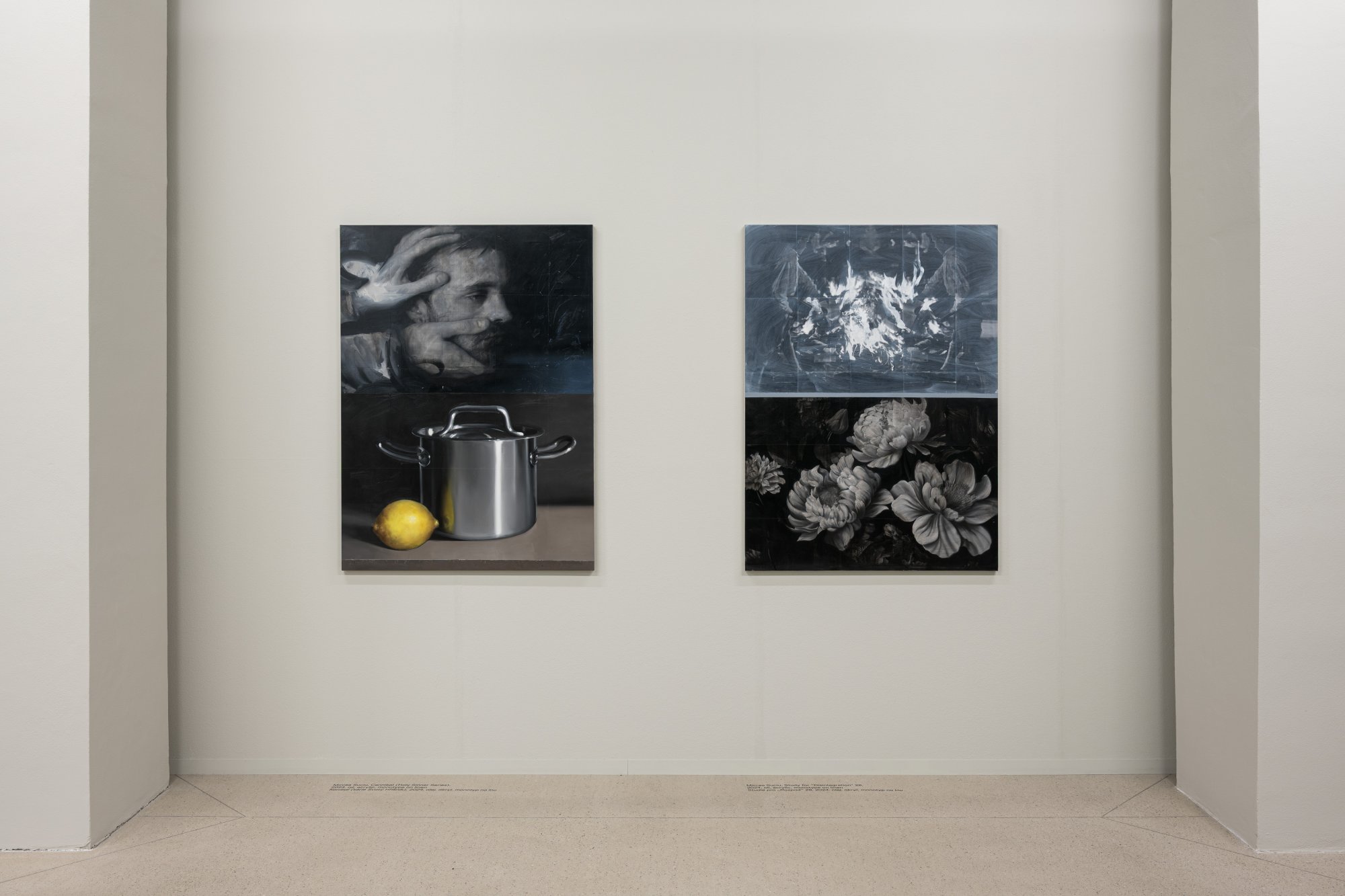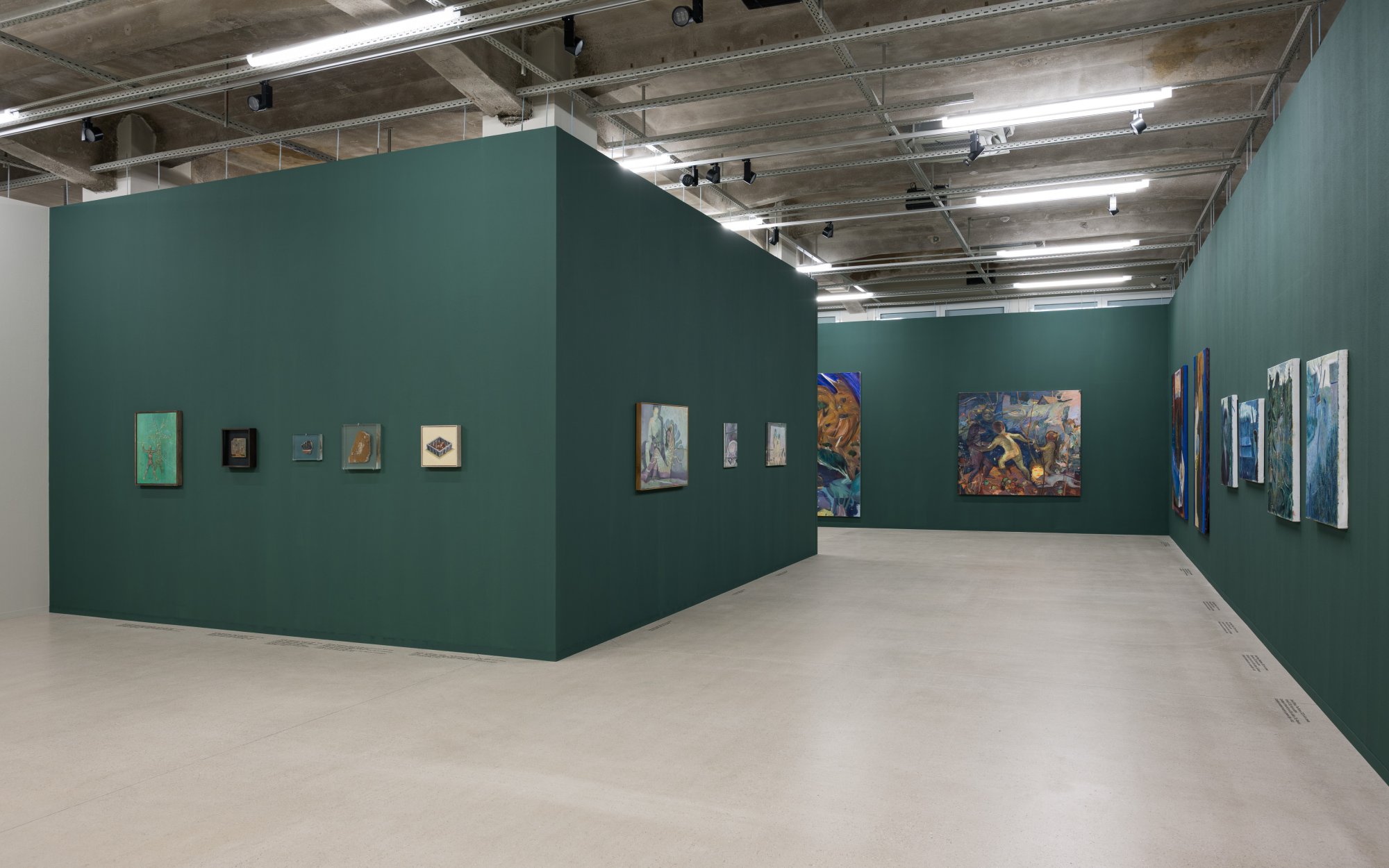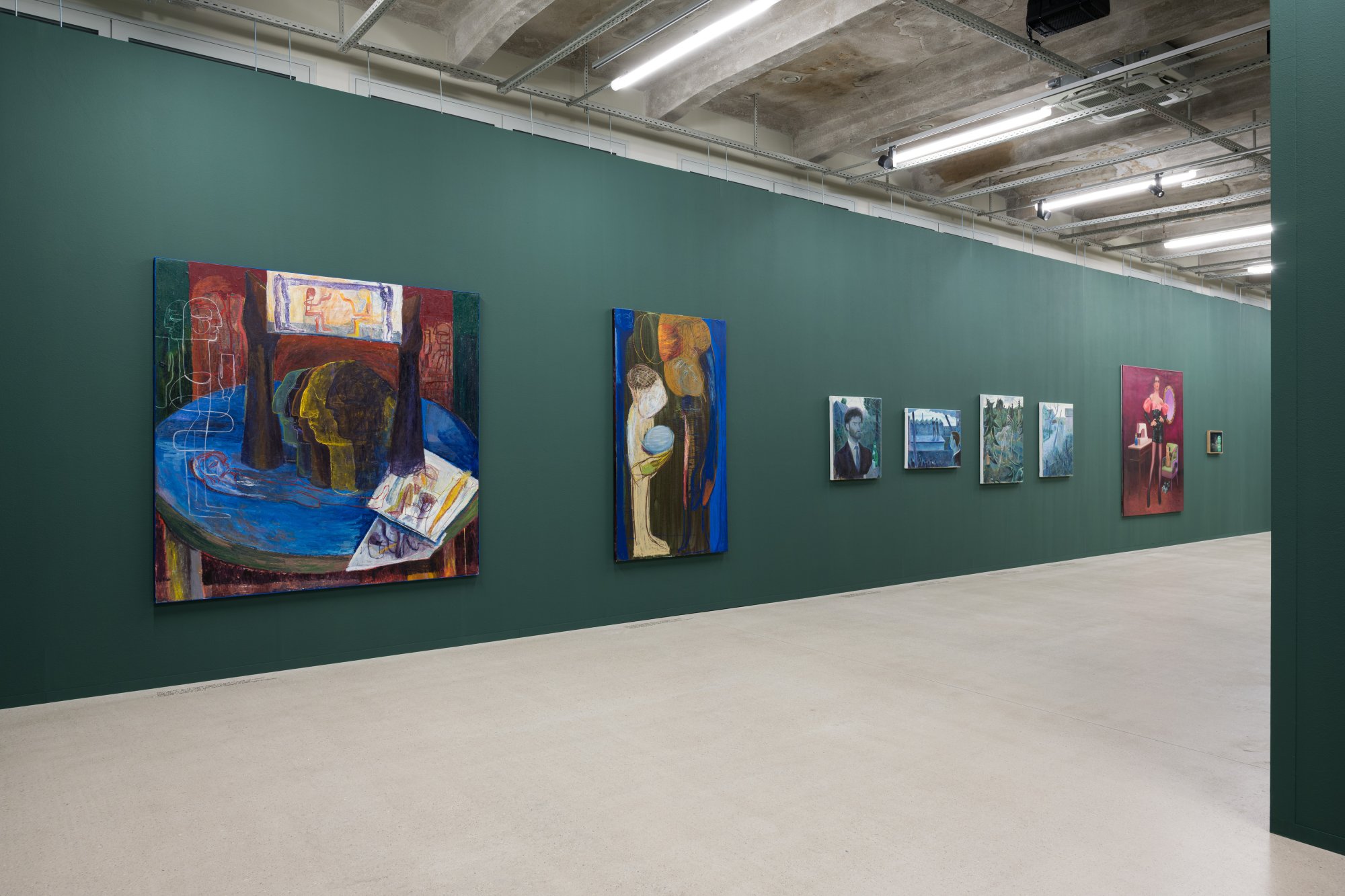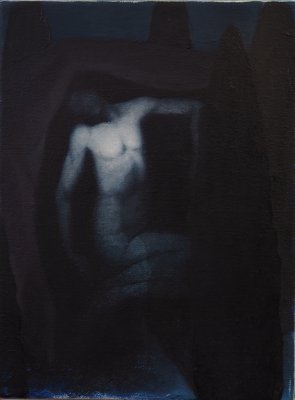
Radu Băieș (*1988) belongs to the generation of painters who grew up in the environment of Cluj. He studied painting at the University of Art and Design in Cluj Napoca, where he successfully completed his Bachelor's and Master's degrees while continuing his doctoral research. This strong academic context, however, does not appear to be a constraint in his work. For him, painting is not merely a craft or a visual medium, but a specific way of thinking and a tool for asking existential questions. Thus, from the very beginning of his career, he has profiled himself as an artist exploring the deeper layers of reality and human presence.
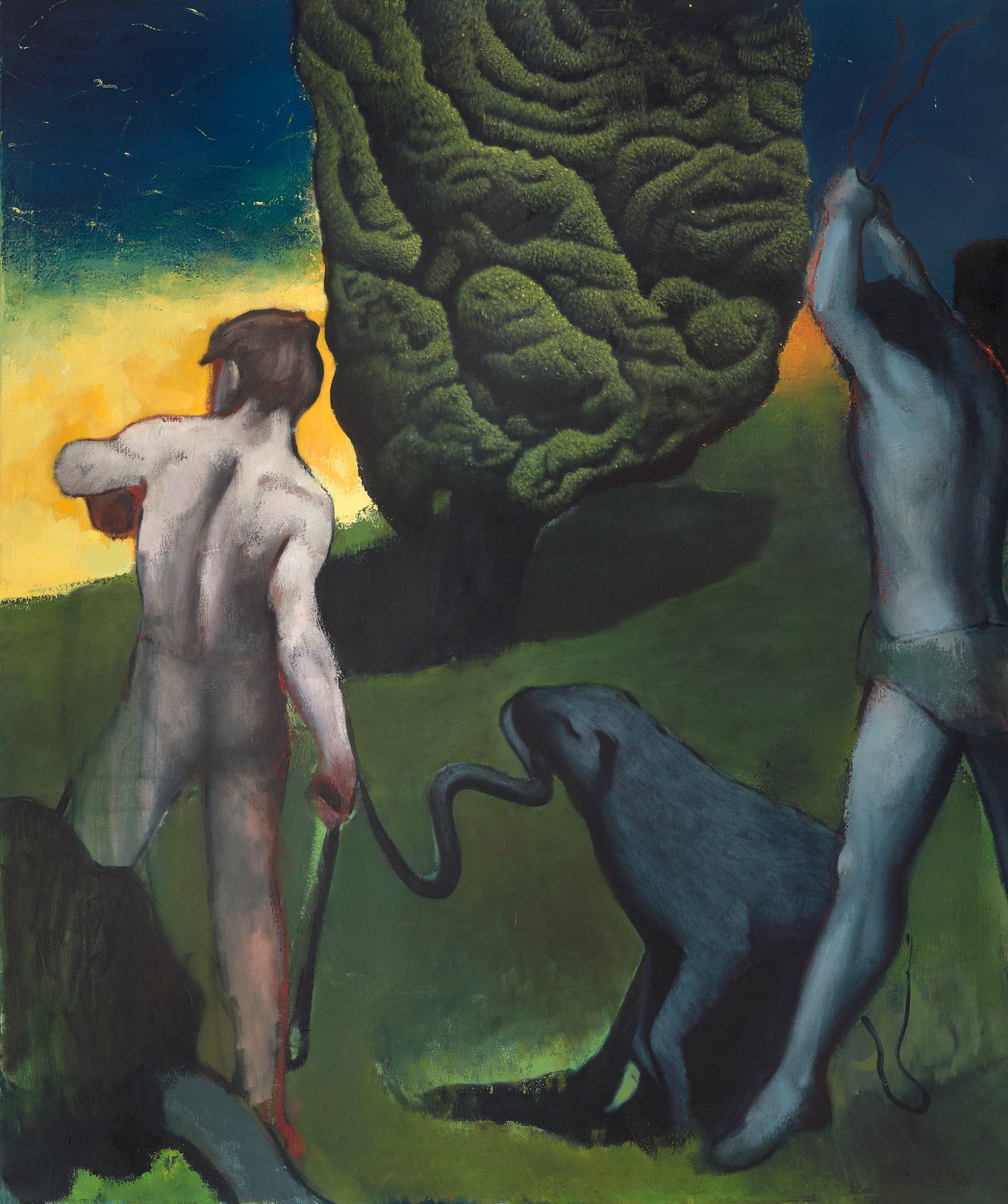
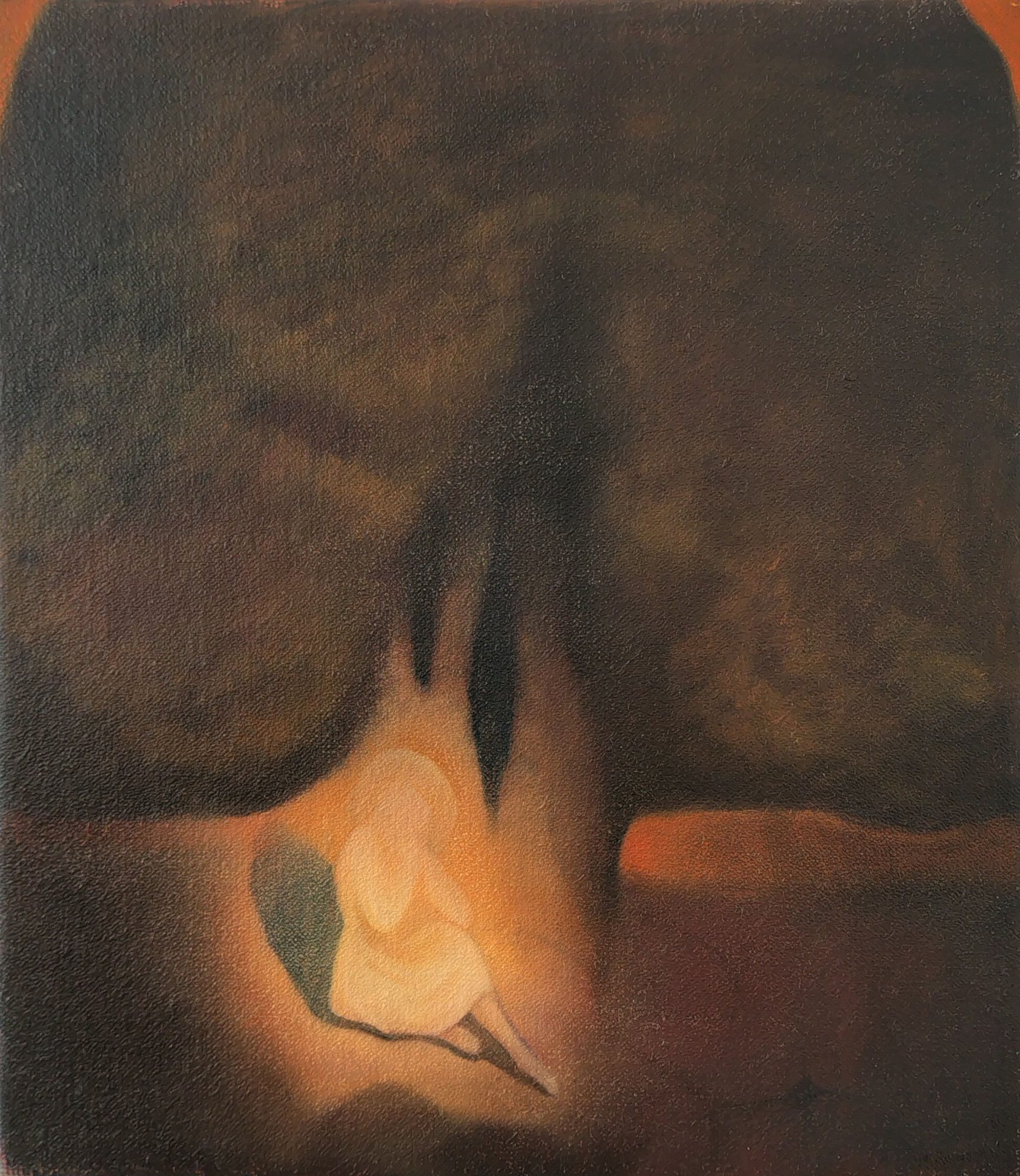
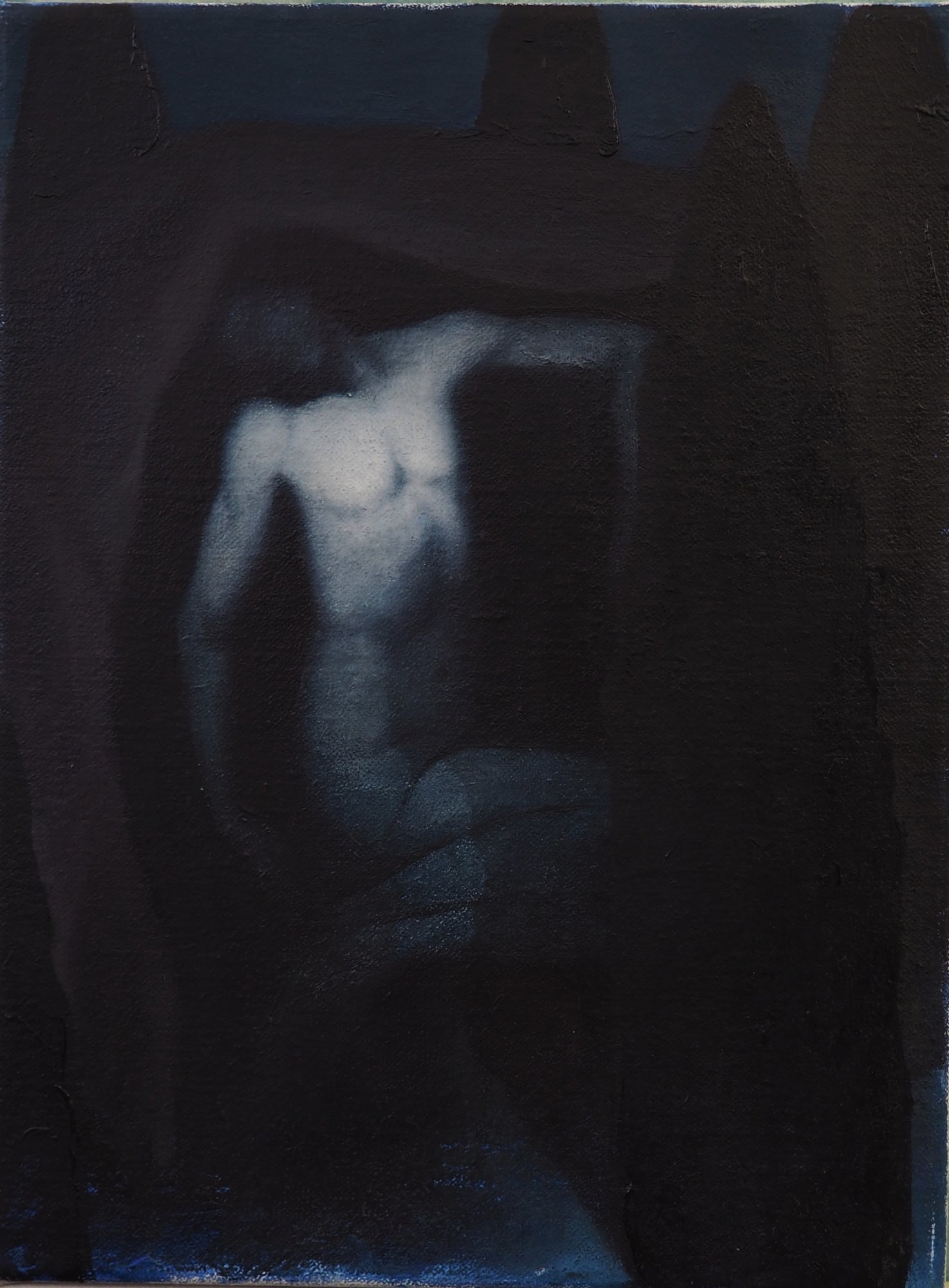
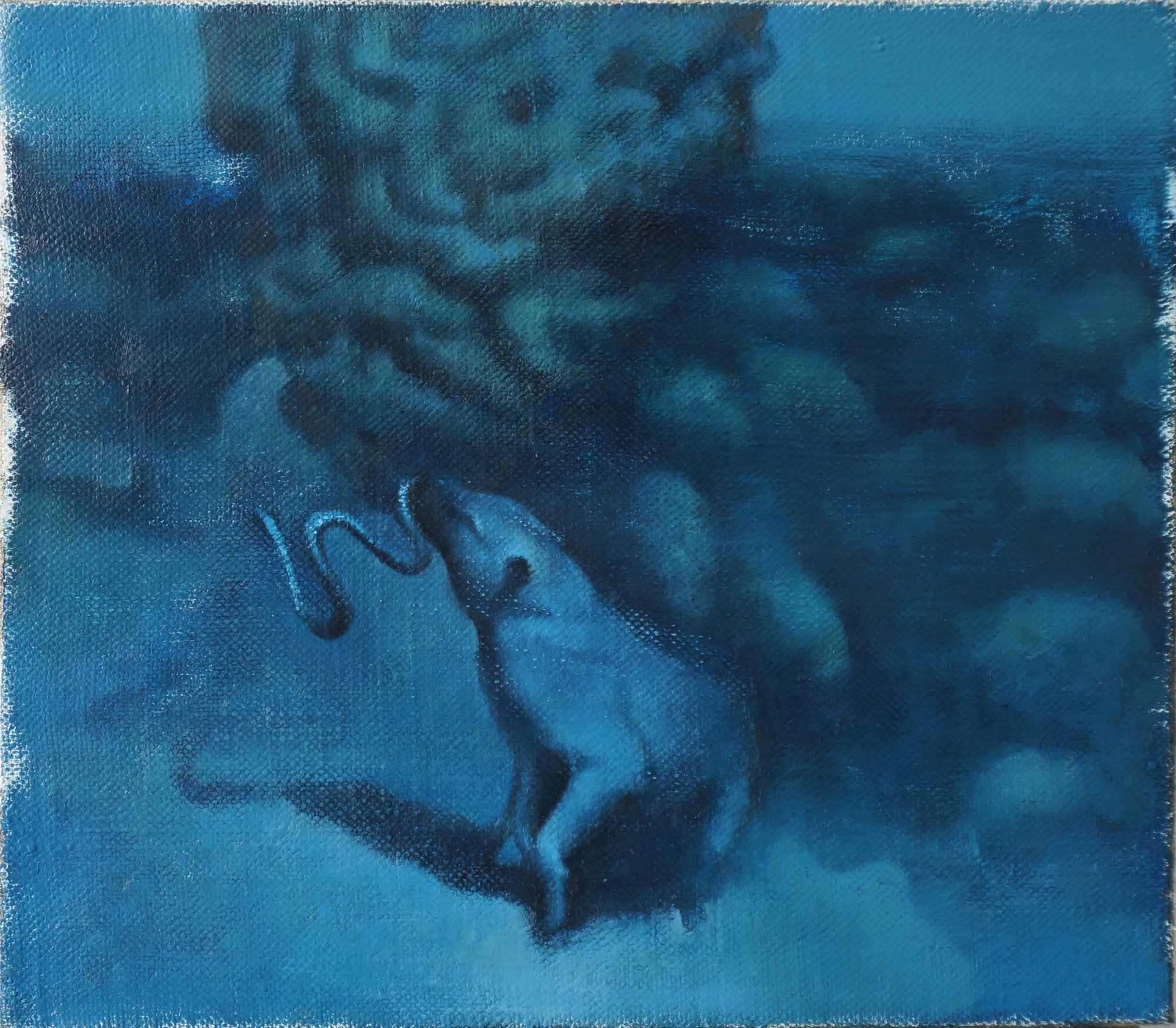
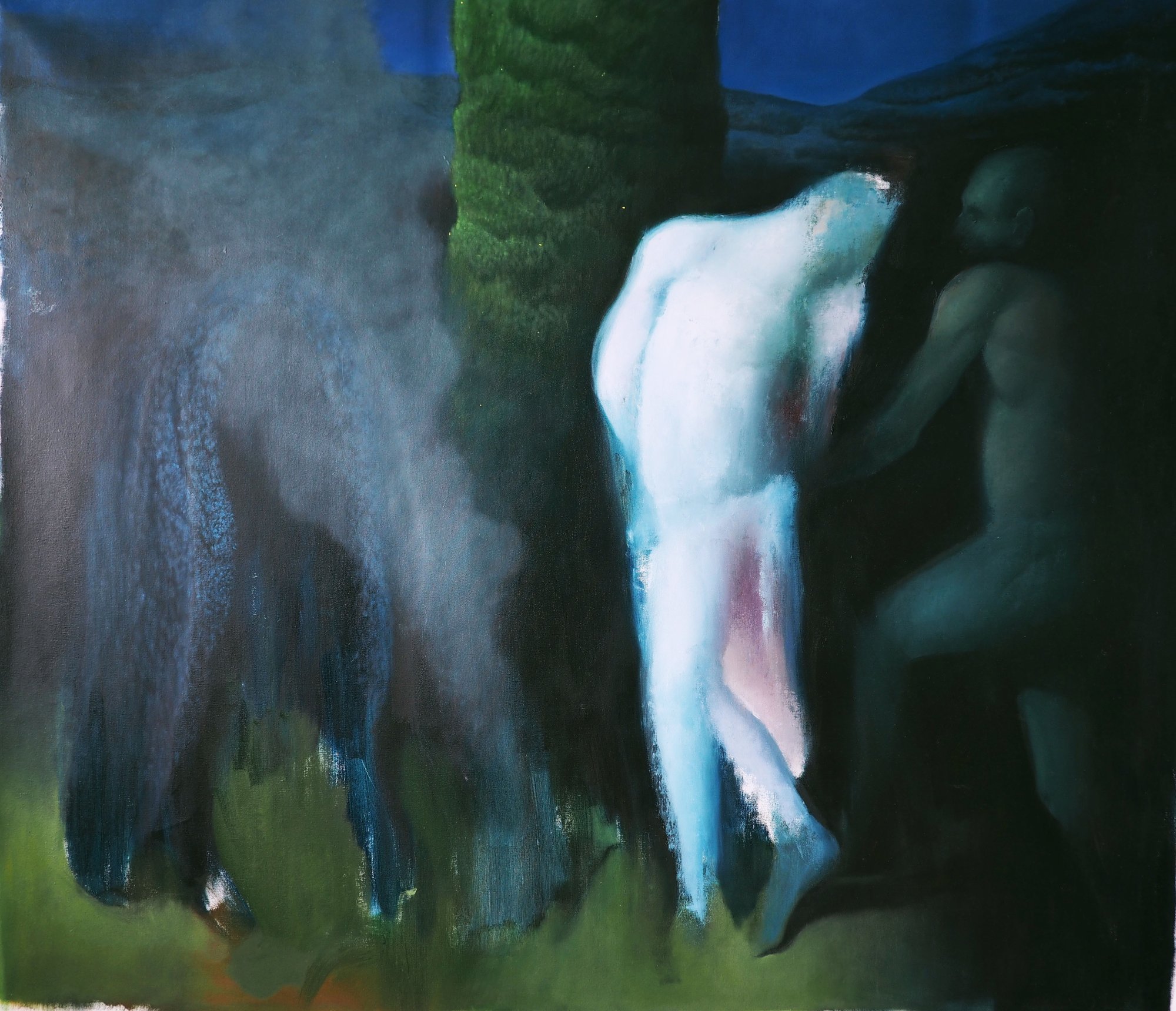
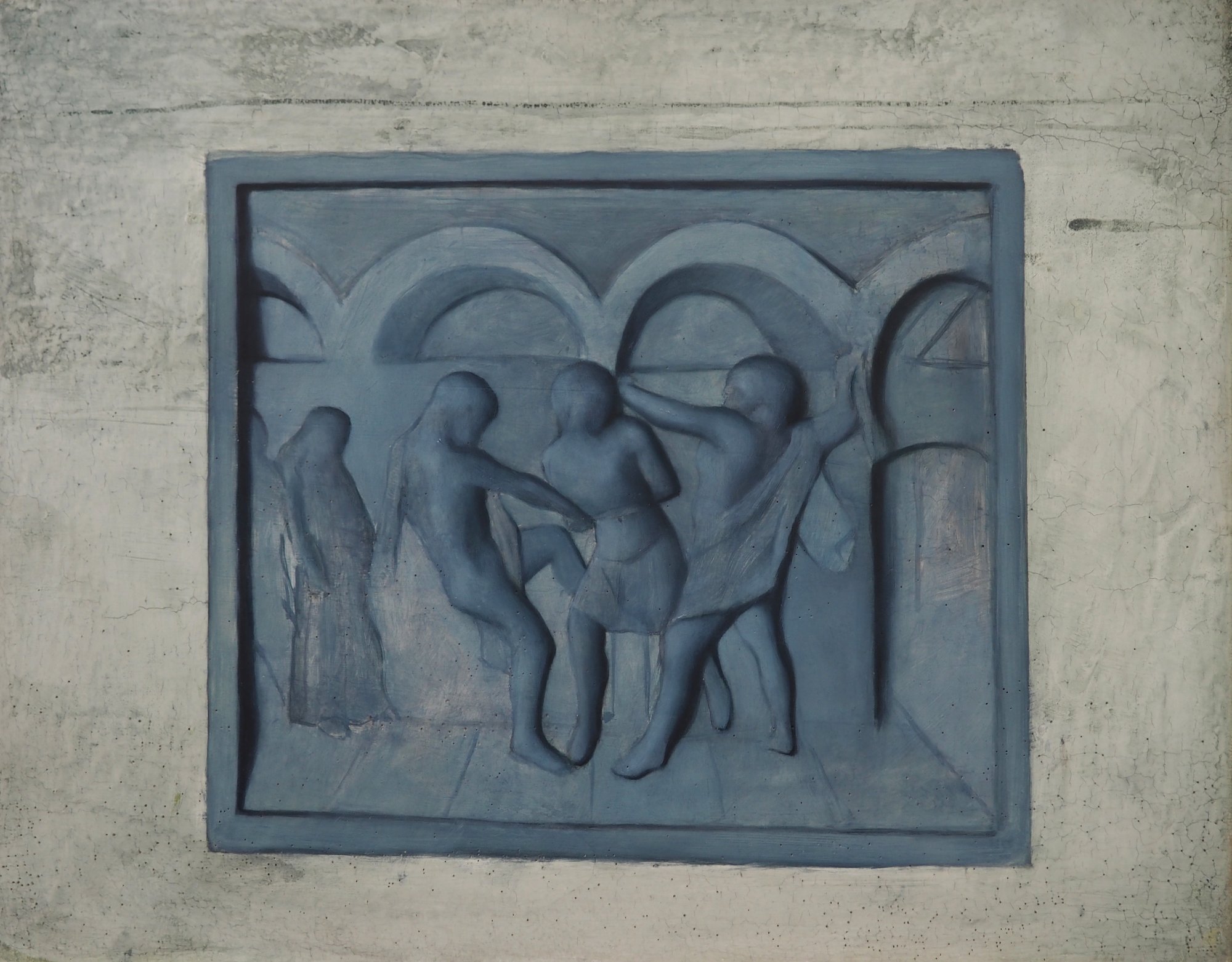
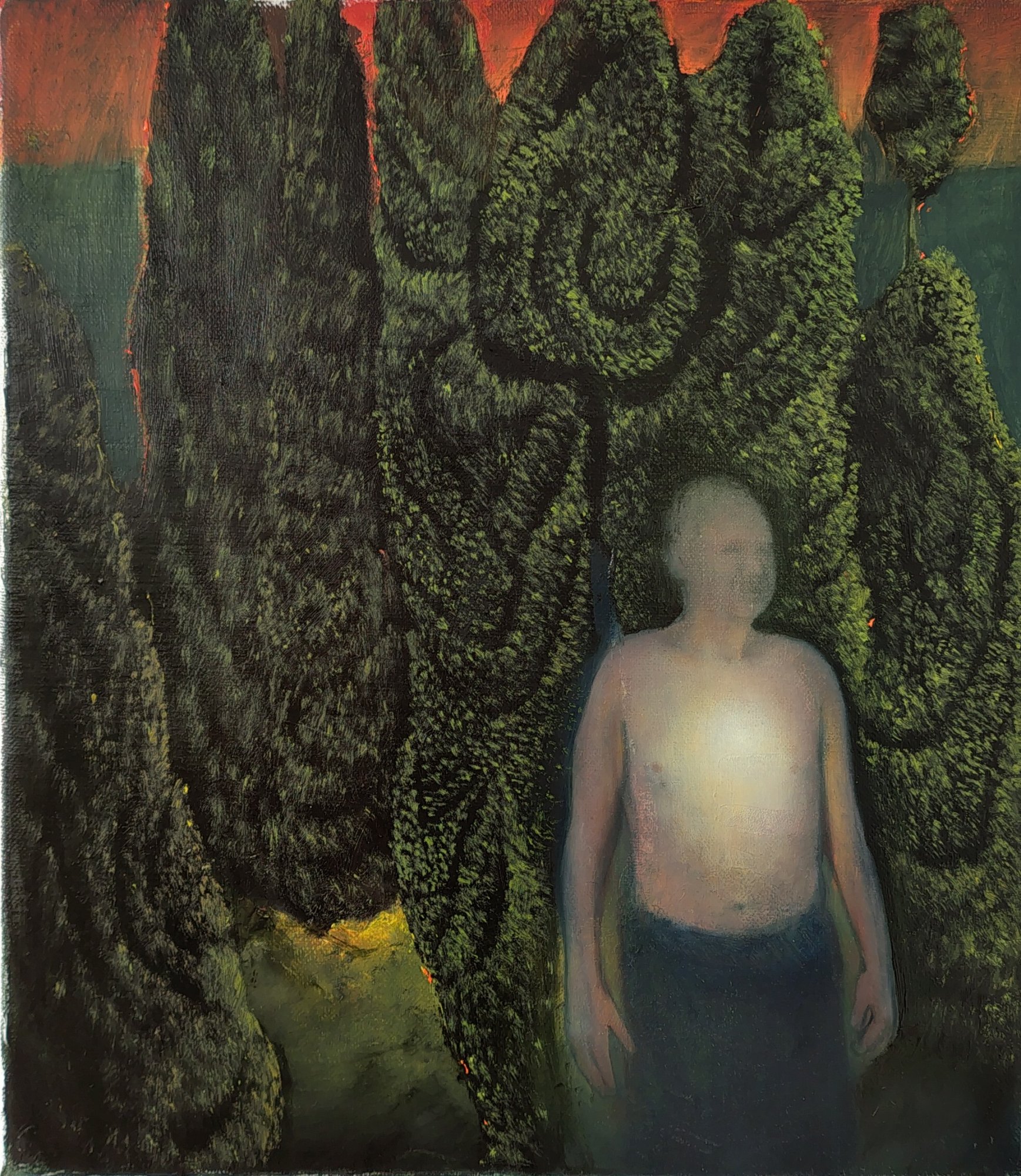
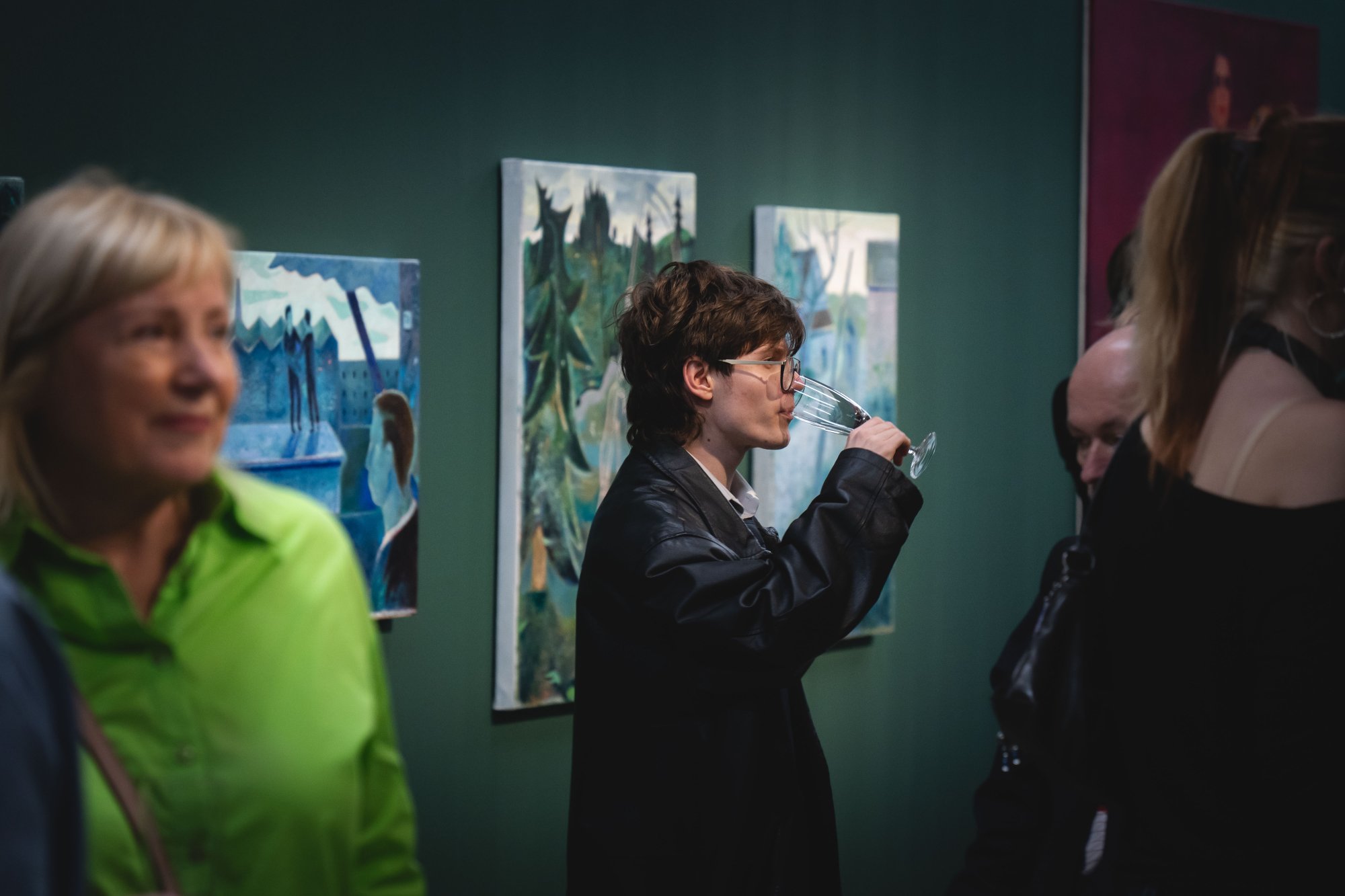
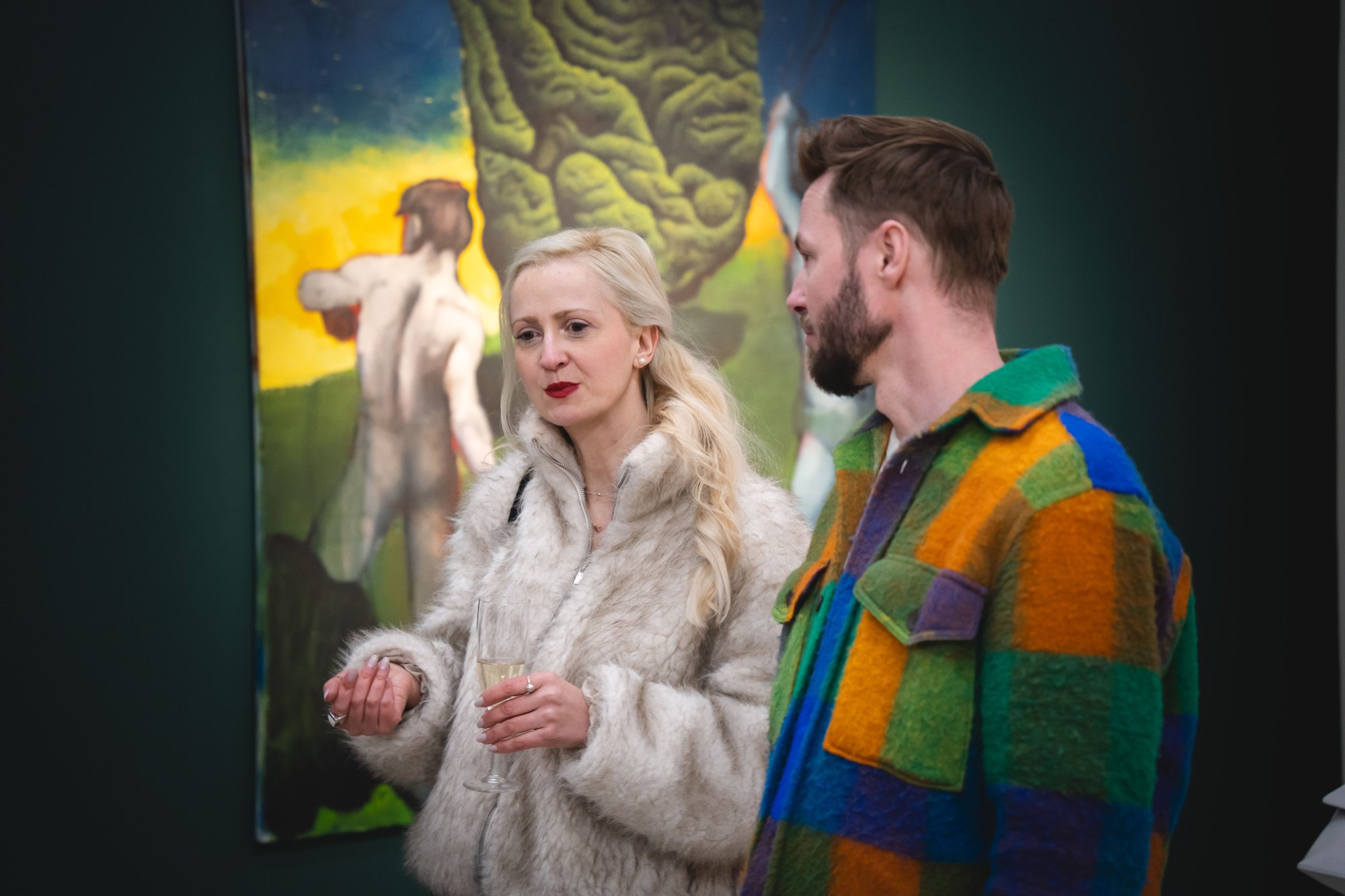
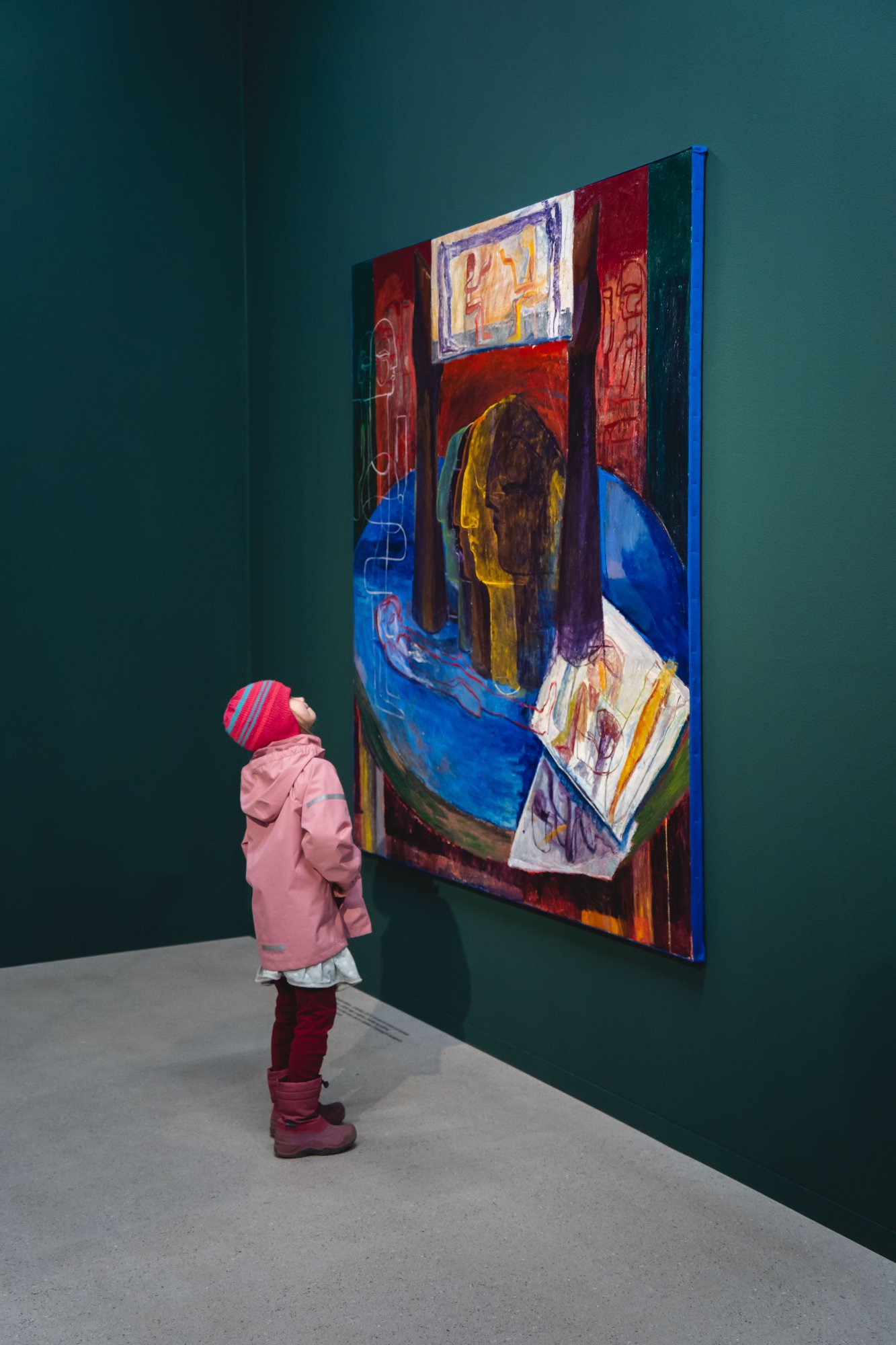
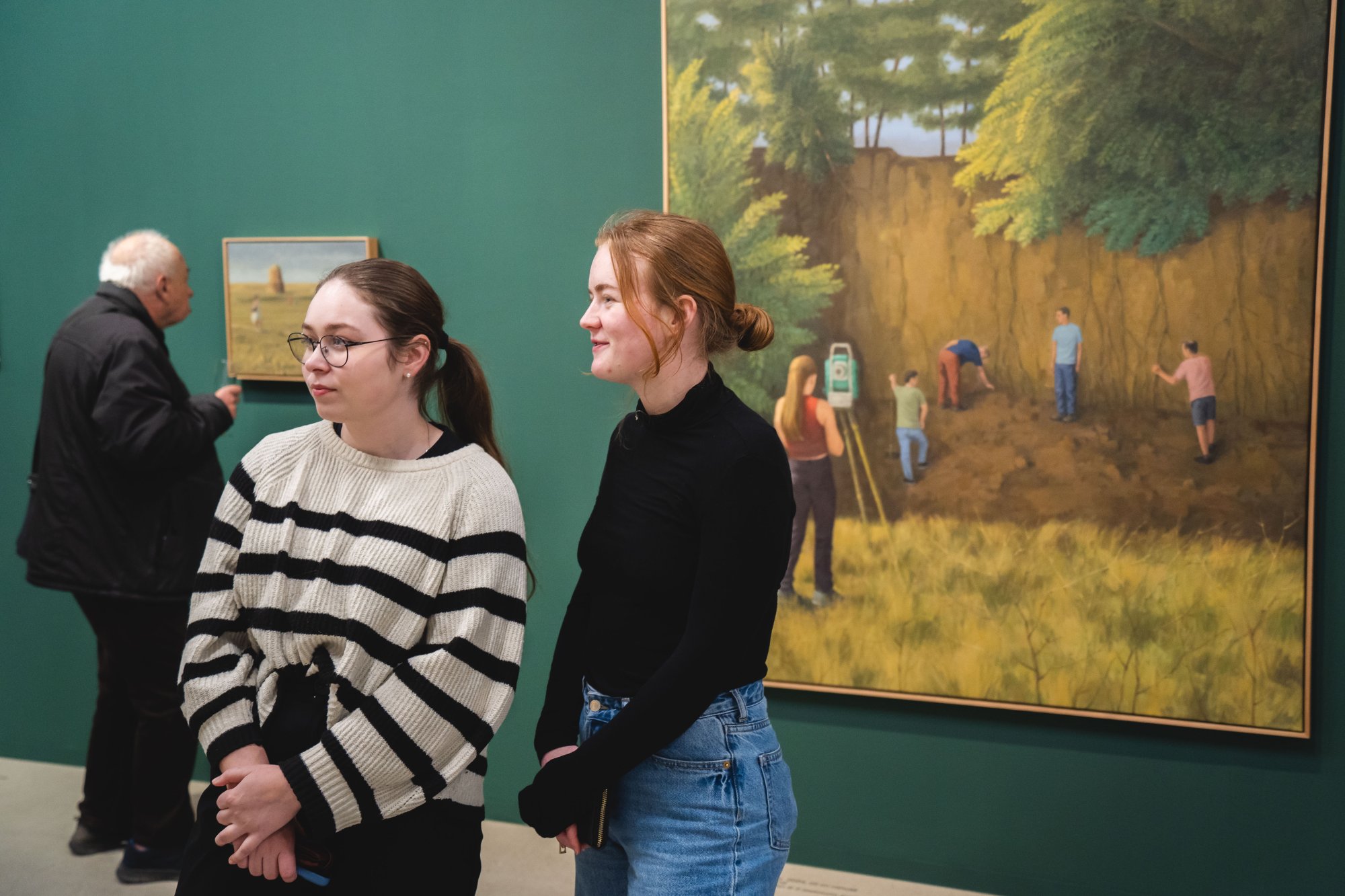
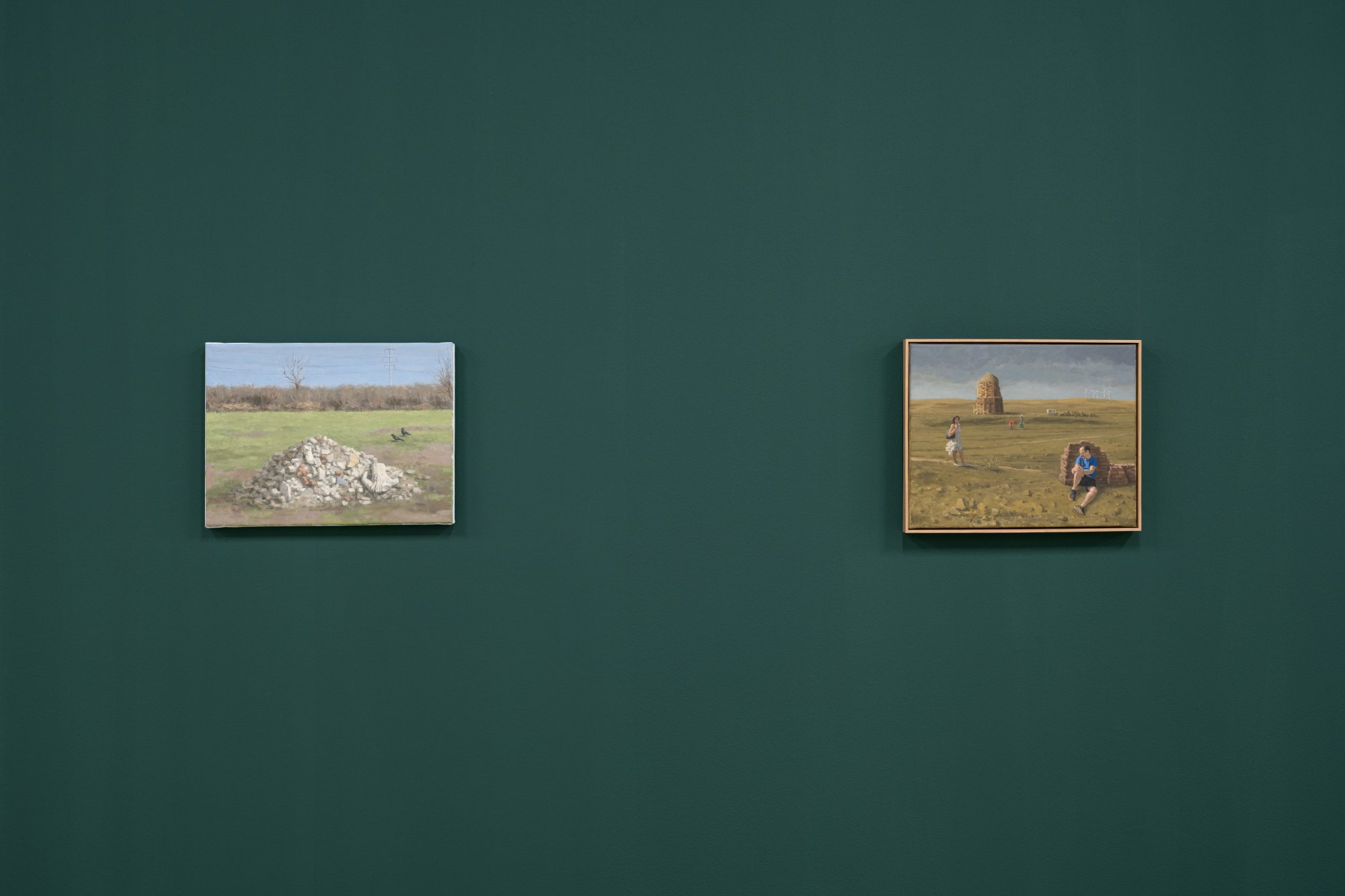
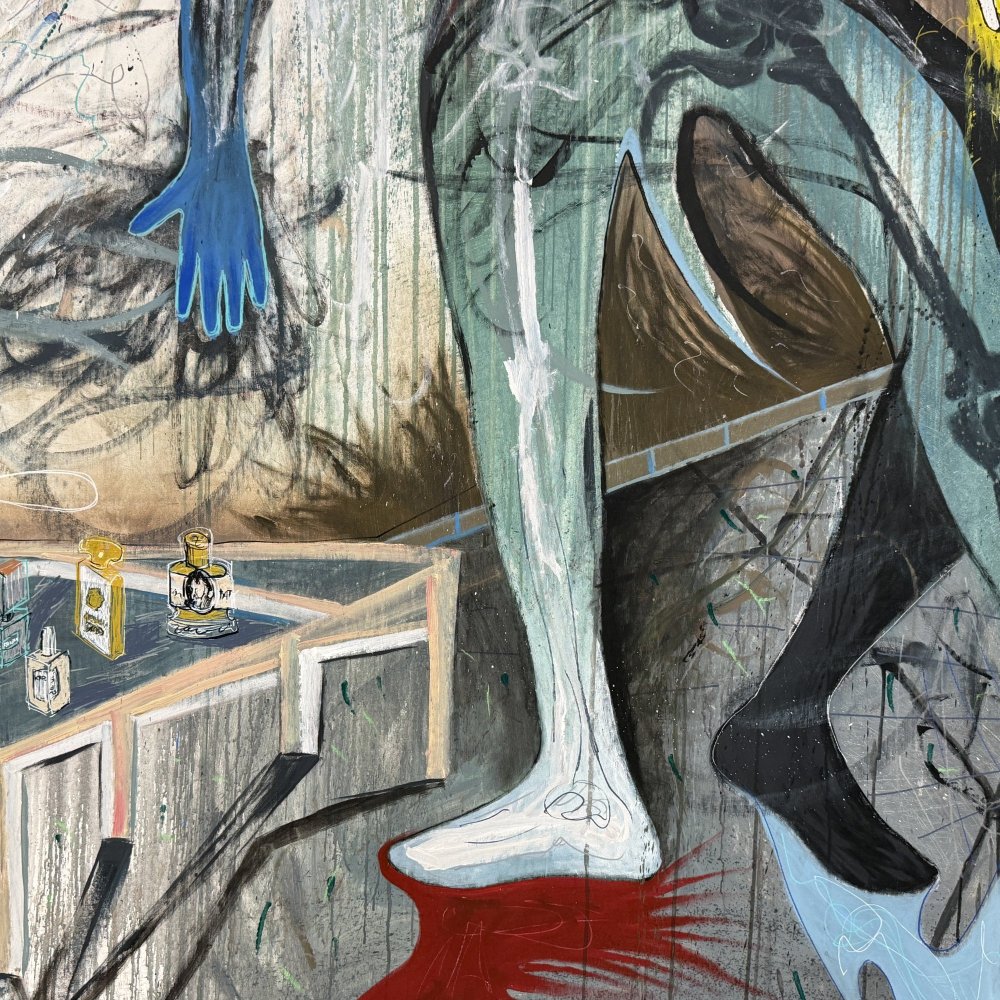
In the last two decades, Cluj has become one of the key centres of contemporary figurative painting in Central and Eastern Europe, and Băieș's work has emerged on this scene in a very specific way. His visual style hovers on the edge between concrete reality and inner image. Landscapes, pastoral motifs, trees and animals often appear on his canvases, but these are not idyllic scenes. Rather, these motifs function as carriers of meaning through which the artist speaks of memory, silence and the tension hidden beneath the surface of seemingly tranquil scenes. Light plays a crucial role here, not only as a realistic effect, but taking on almost metaphysical qualities. It enhances the selected objects and gives them a sense of disquiet. The human figure is not always directly present in these paintings, often represented only by a trace or a relationship to the landscape, leaving the viewer room for personal contemplation.
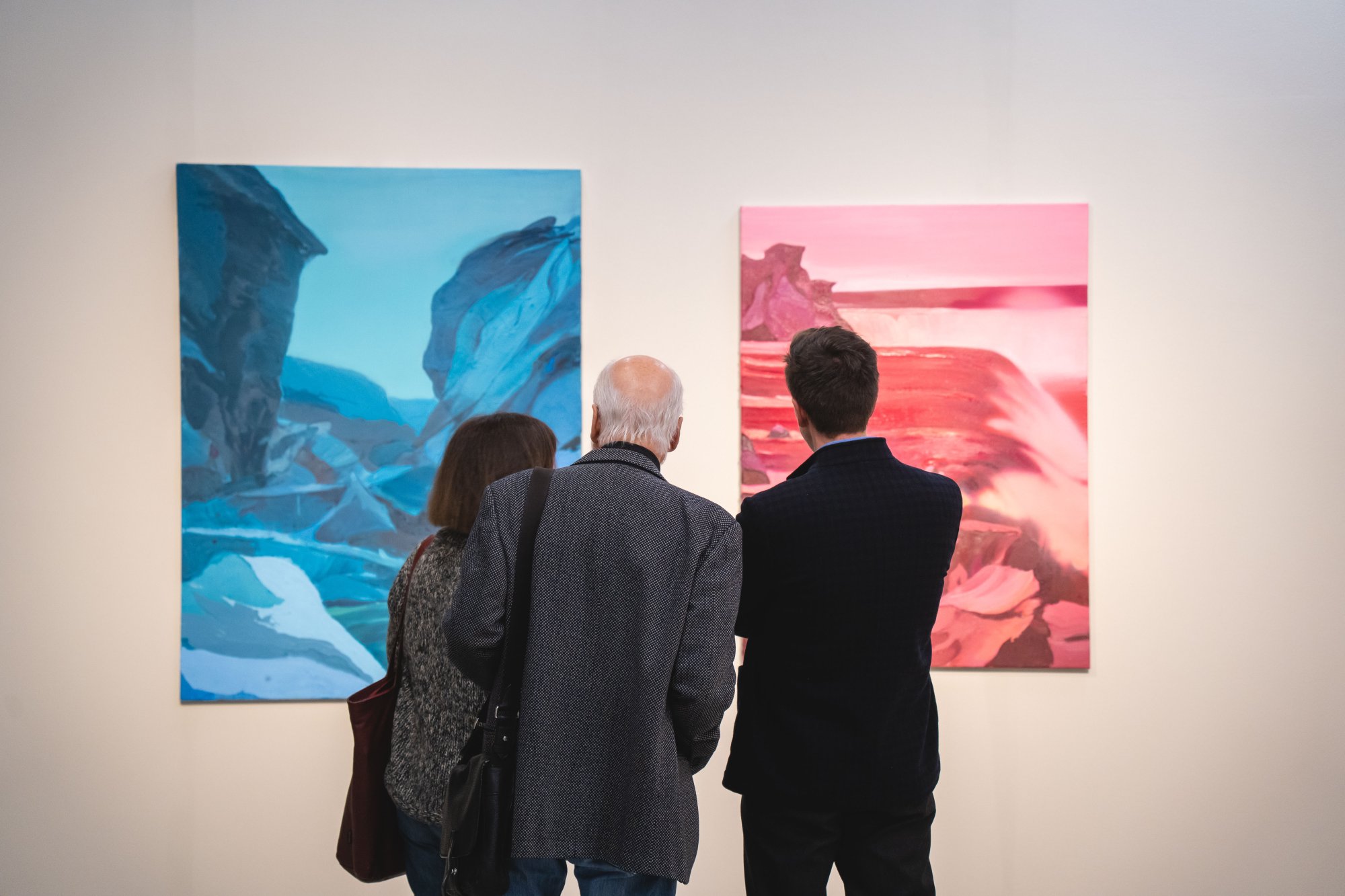
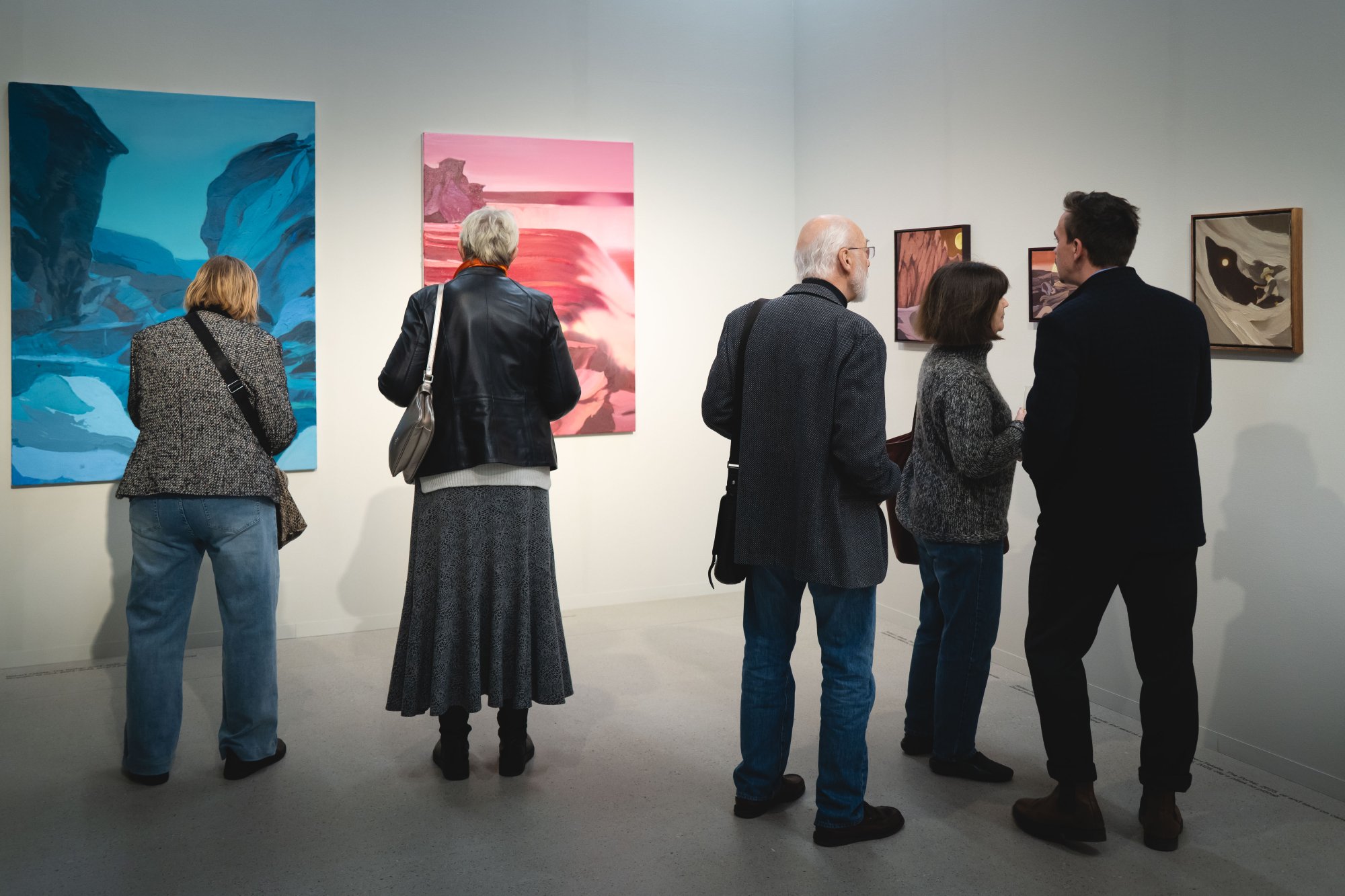
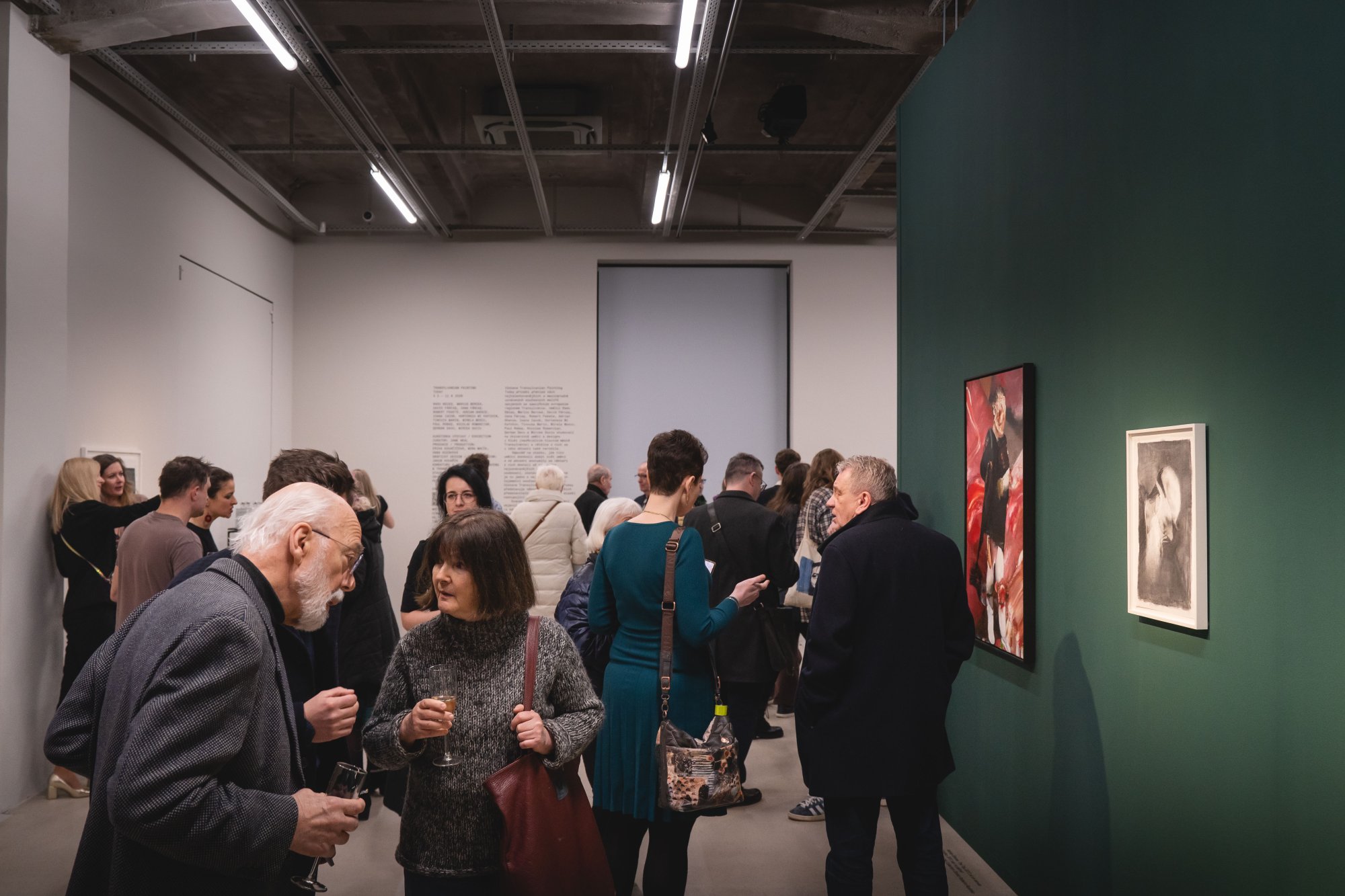
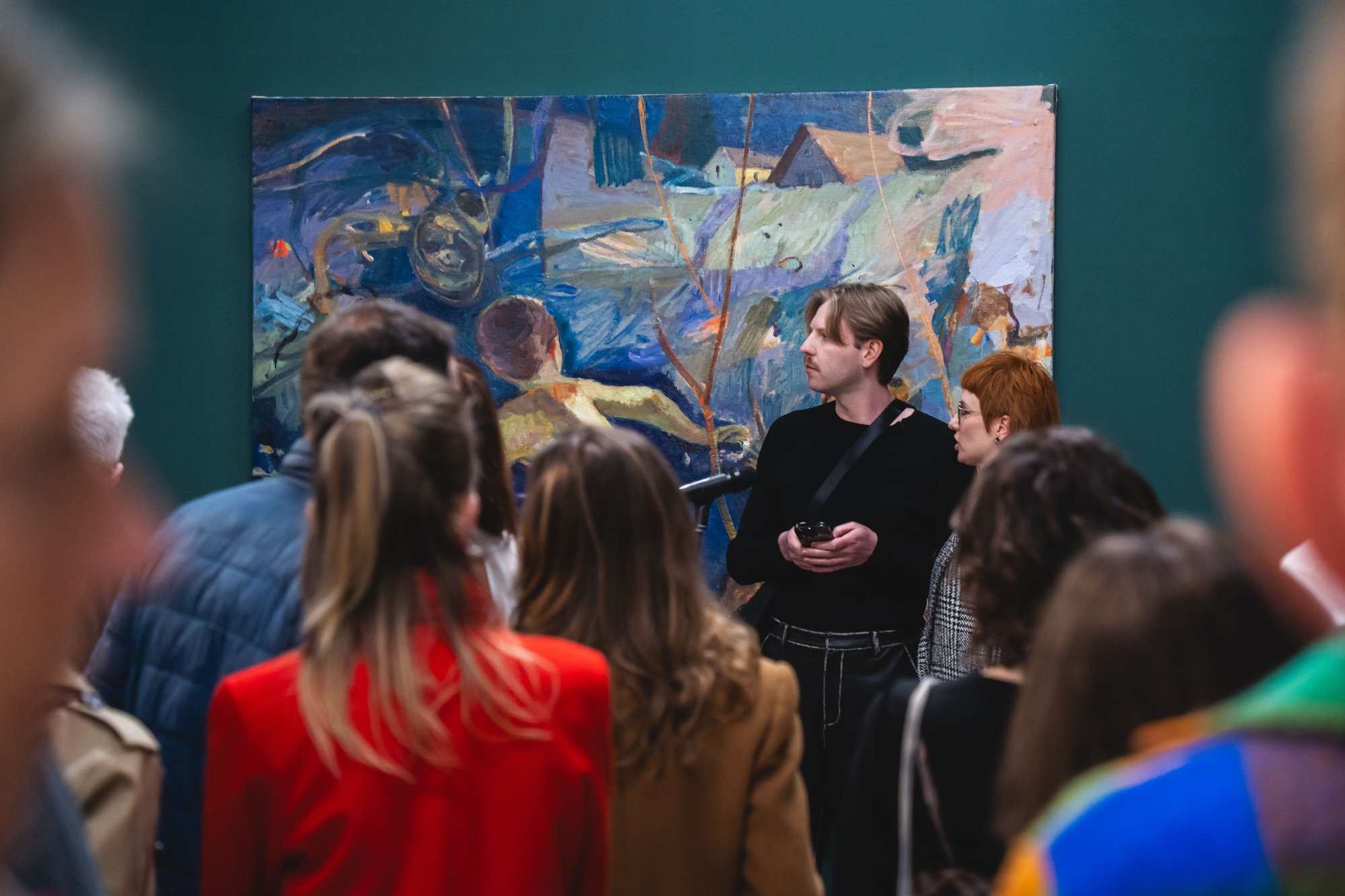
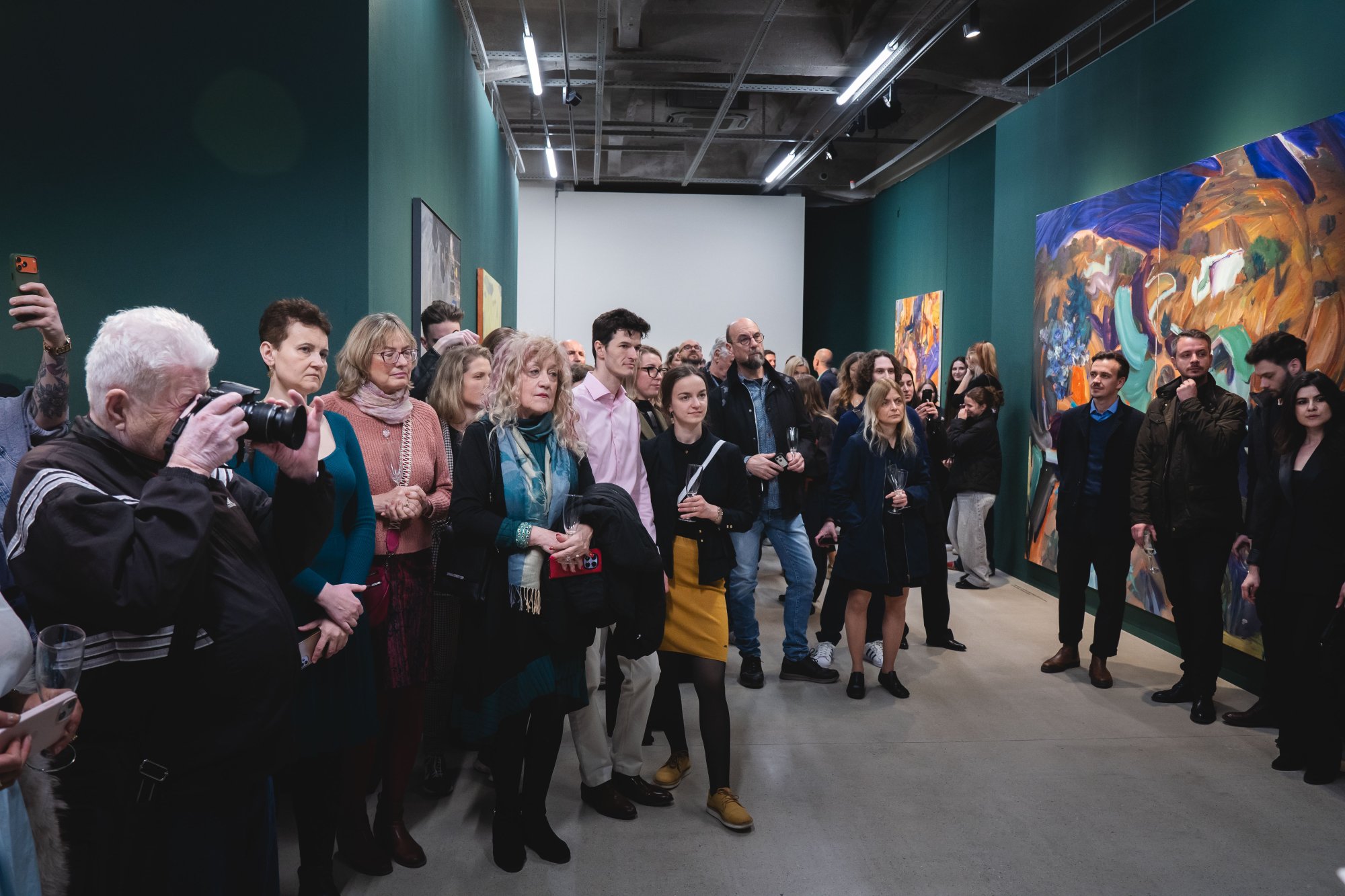
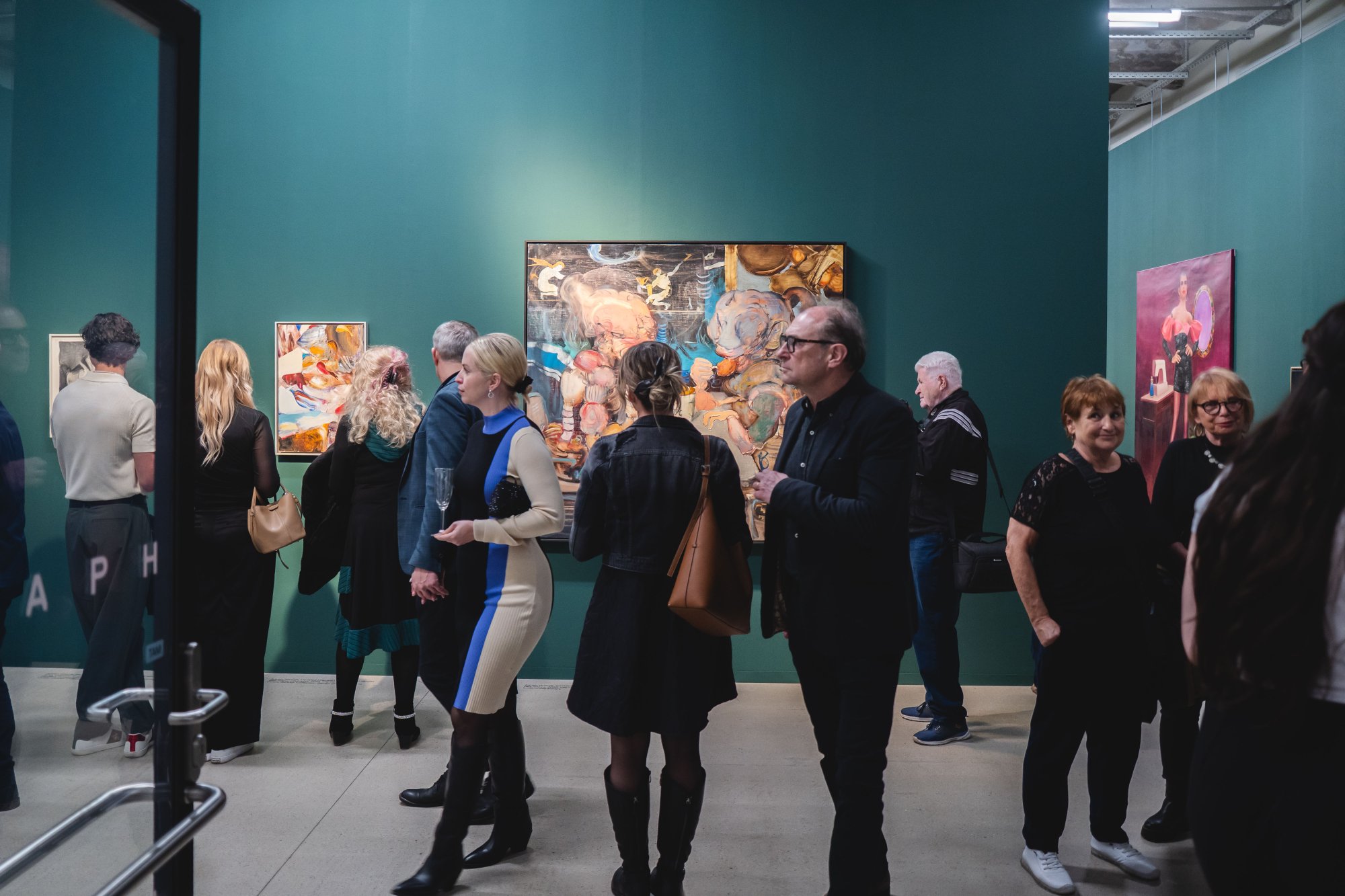
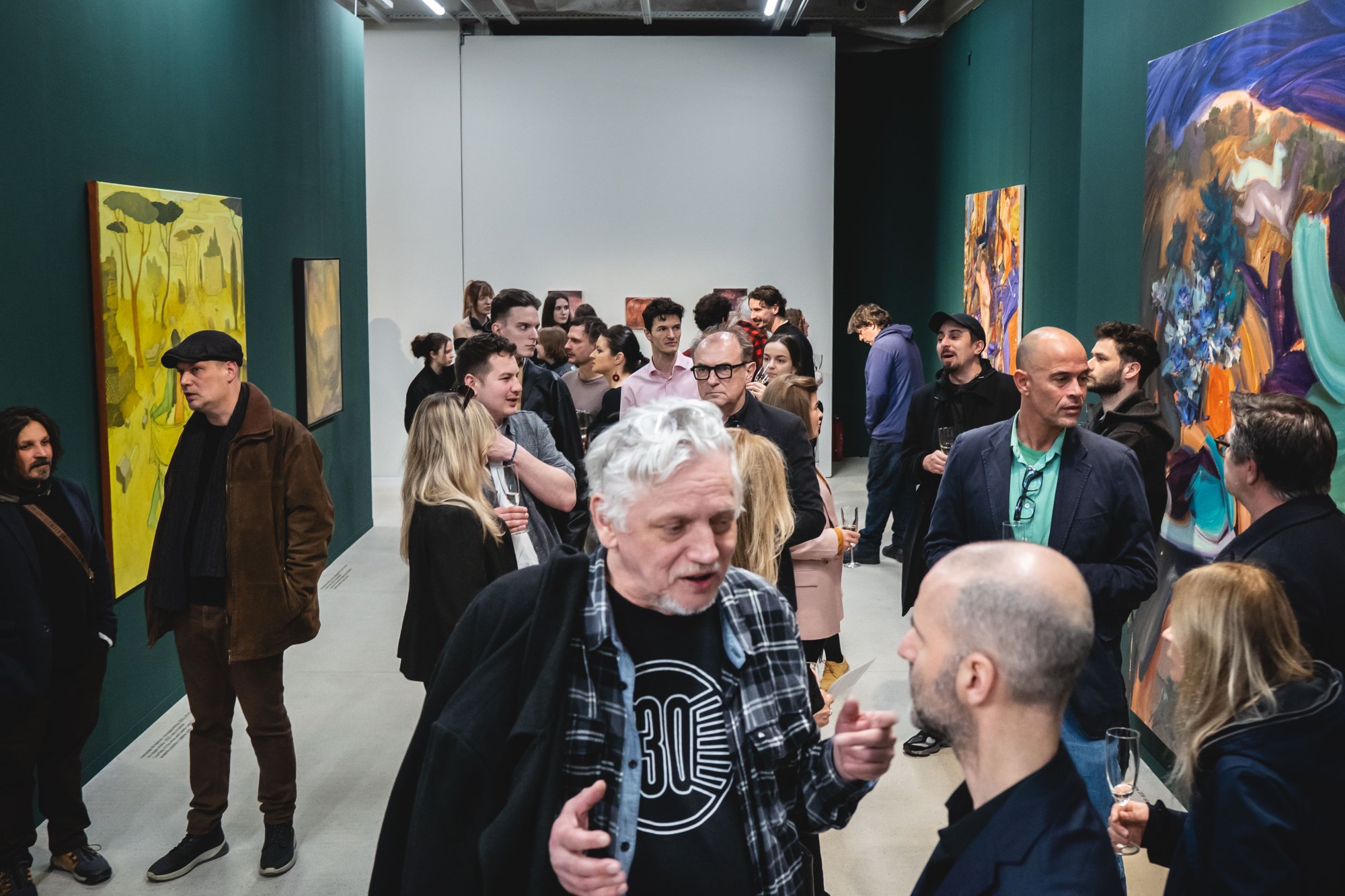
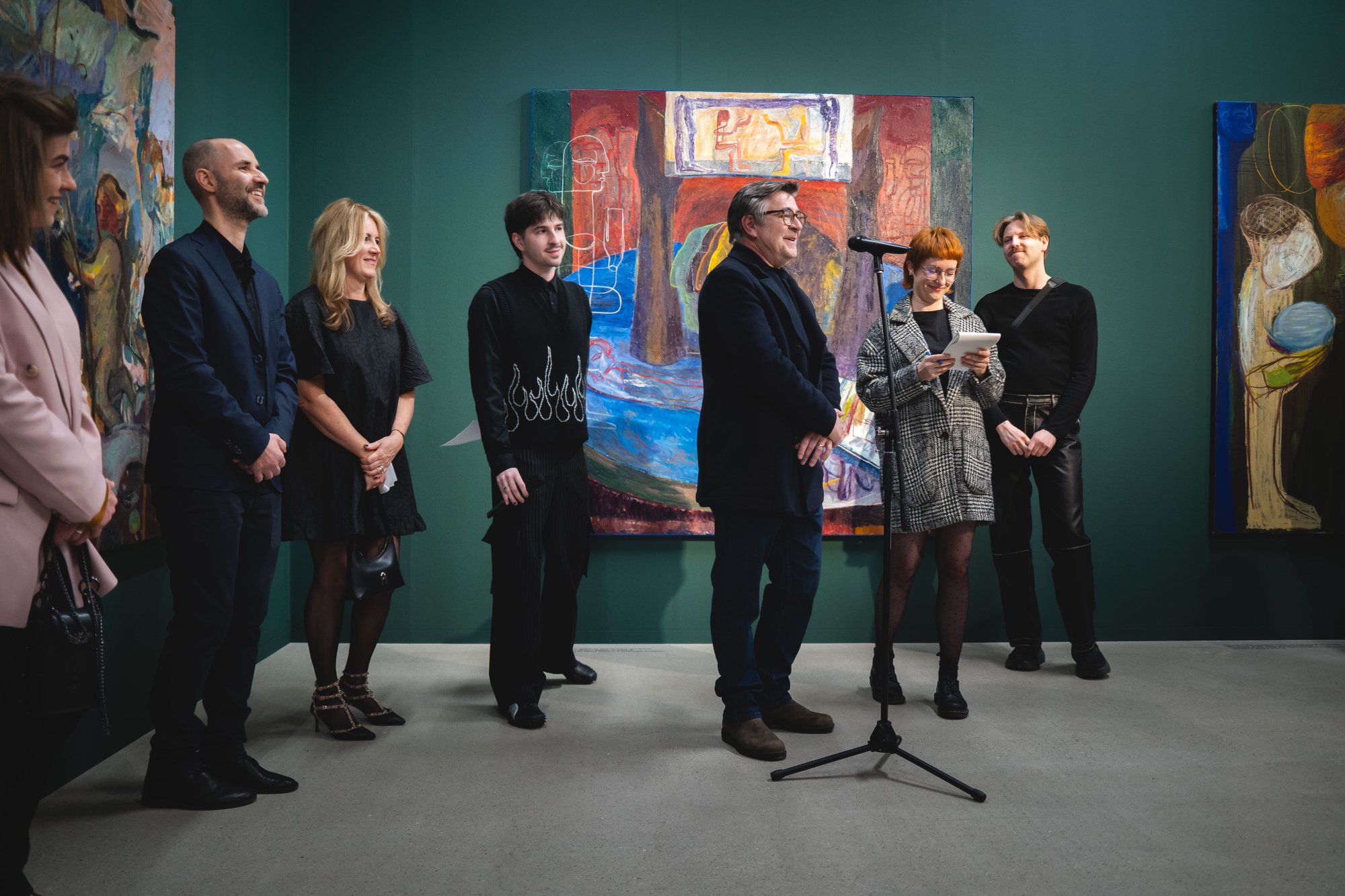
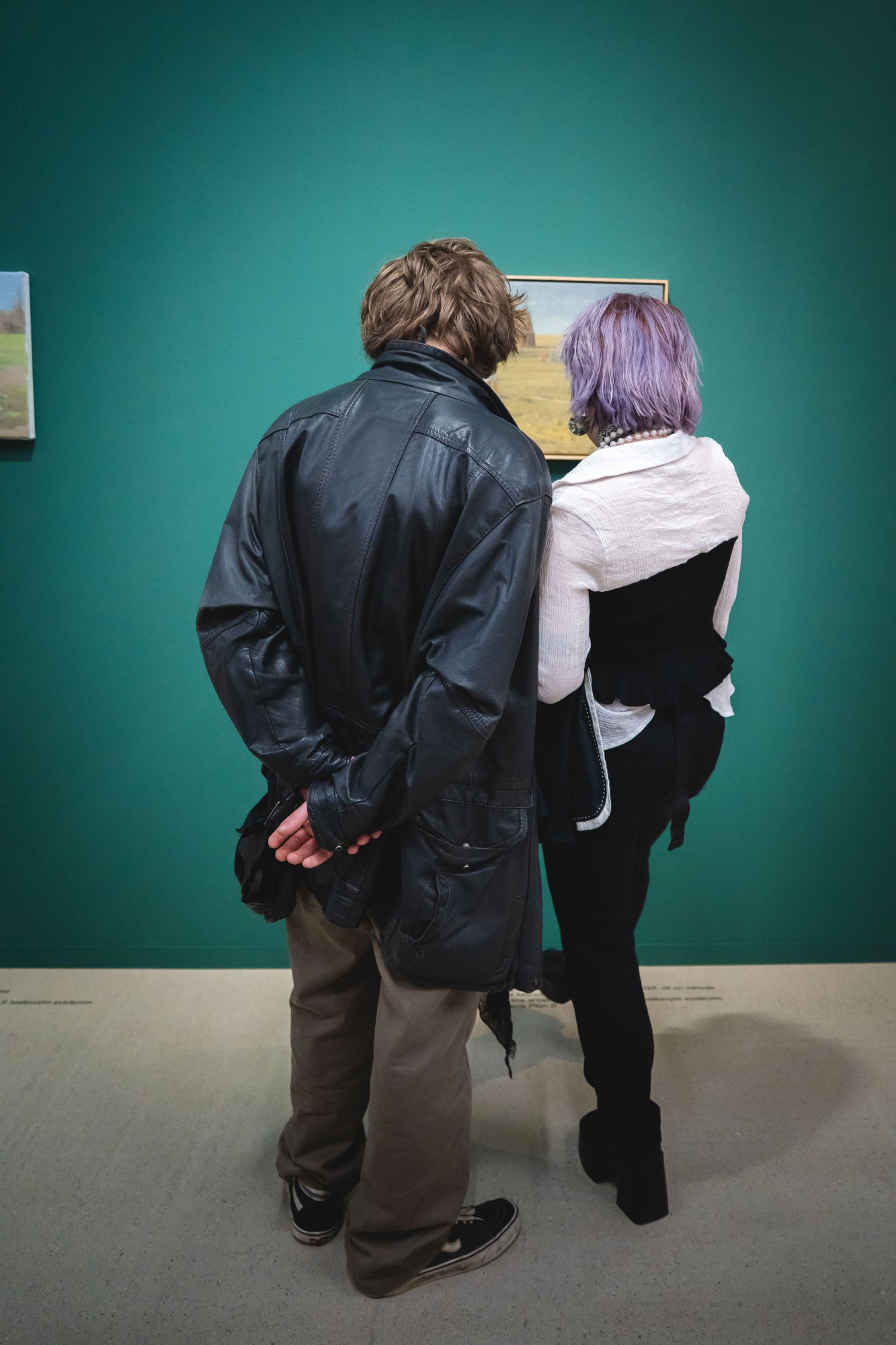
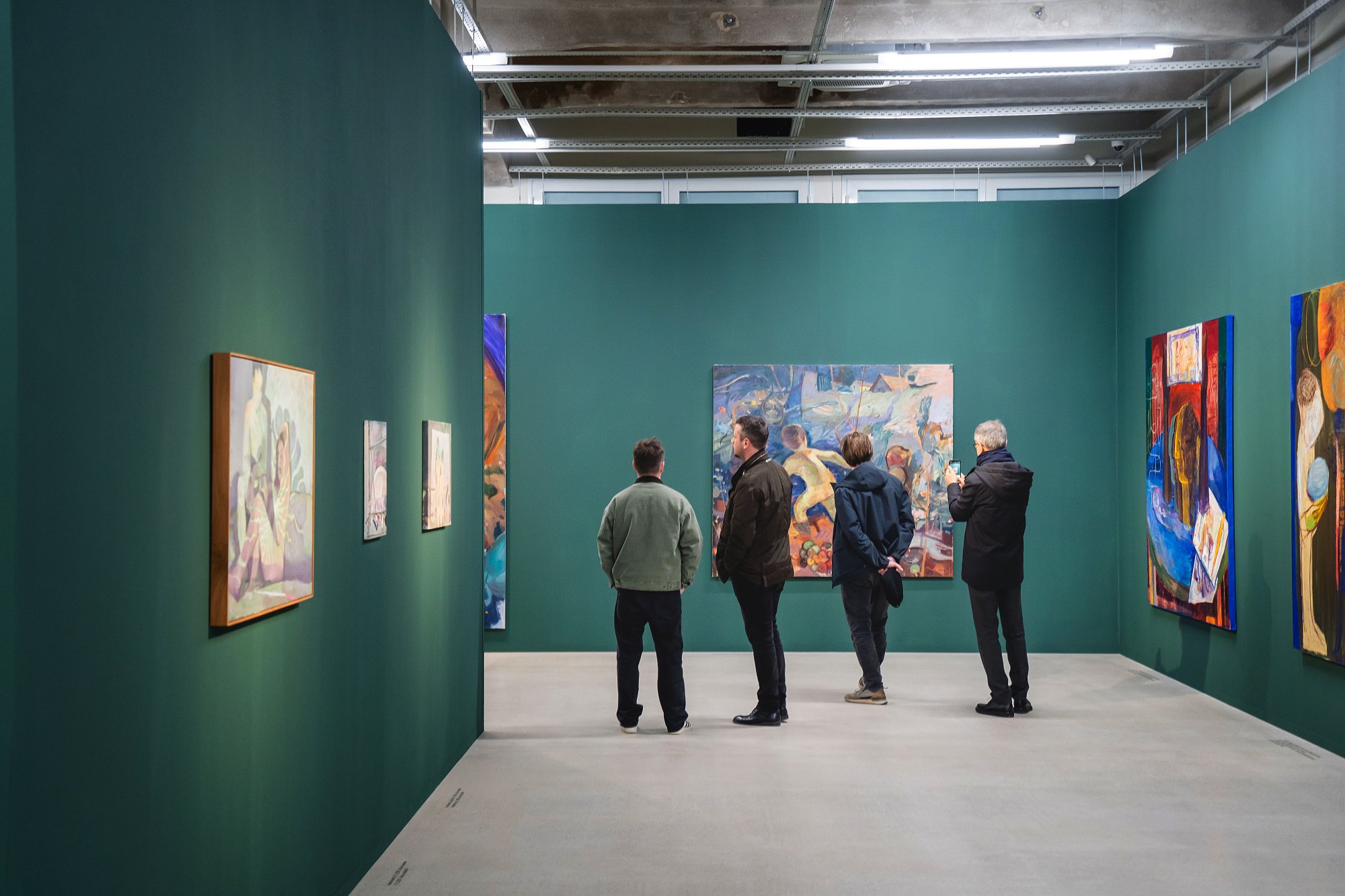
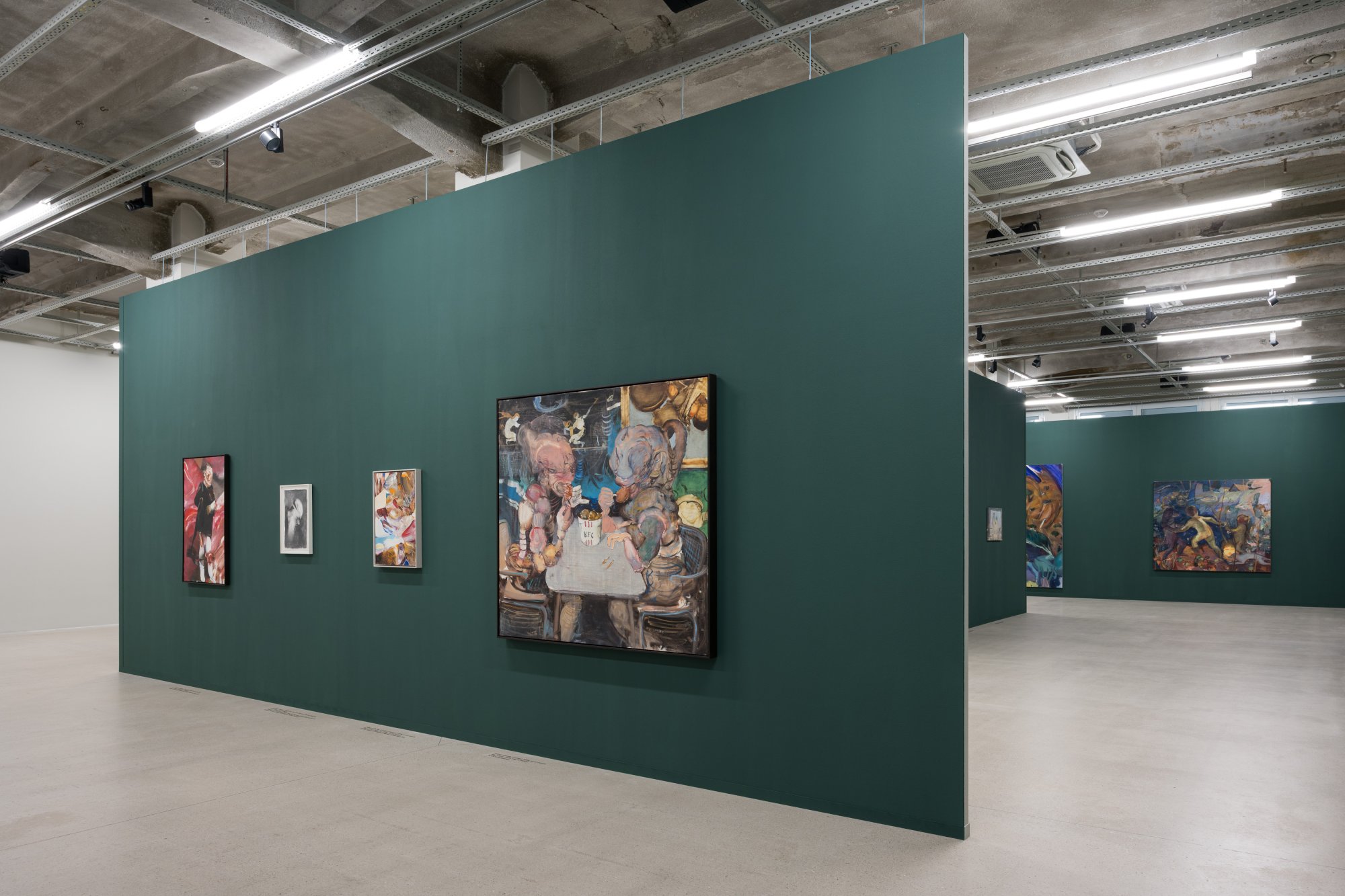
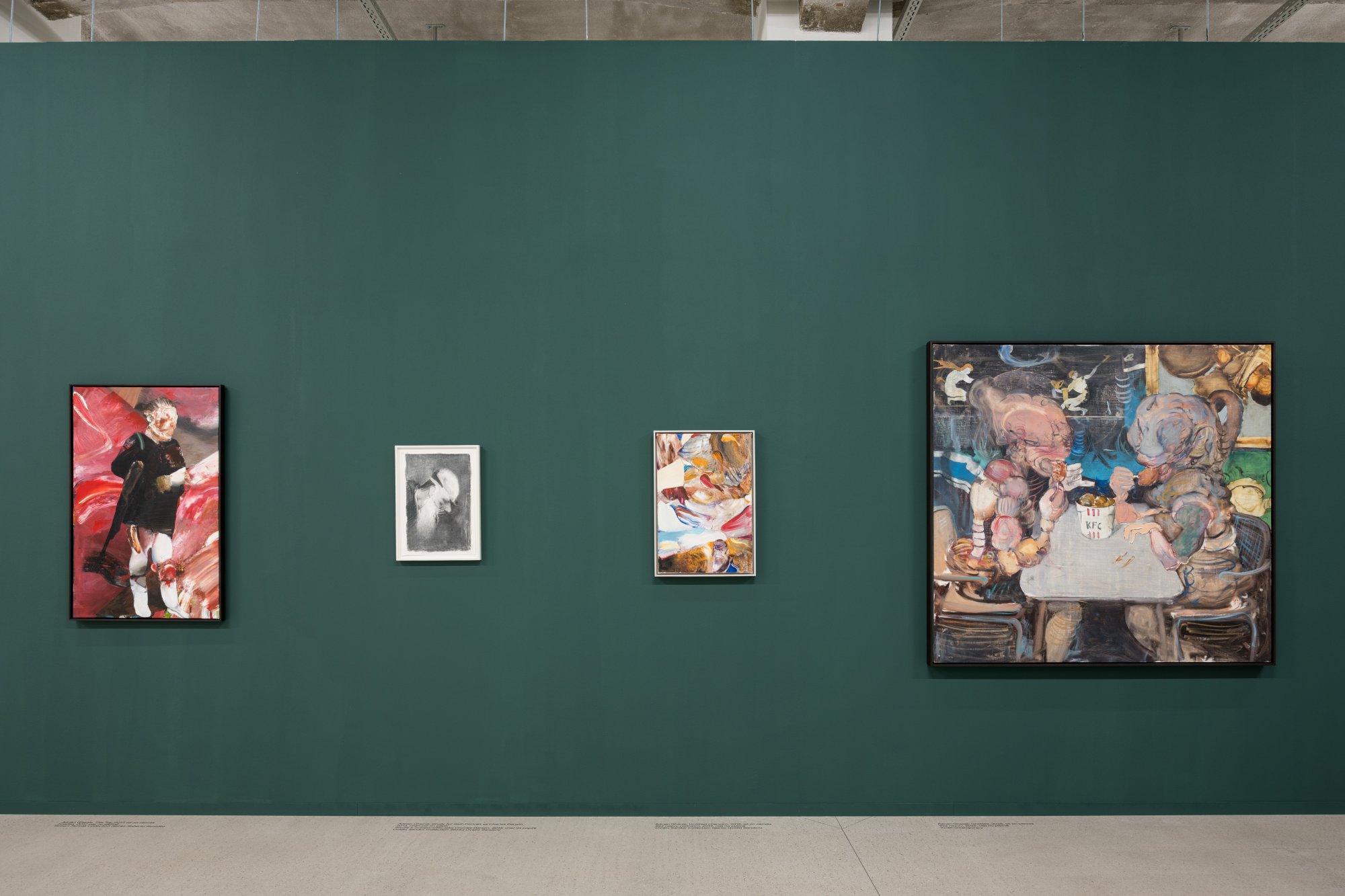
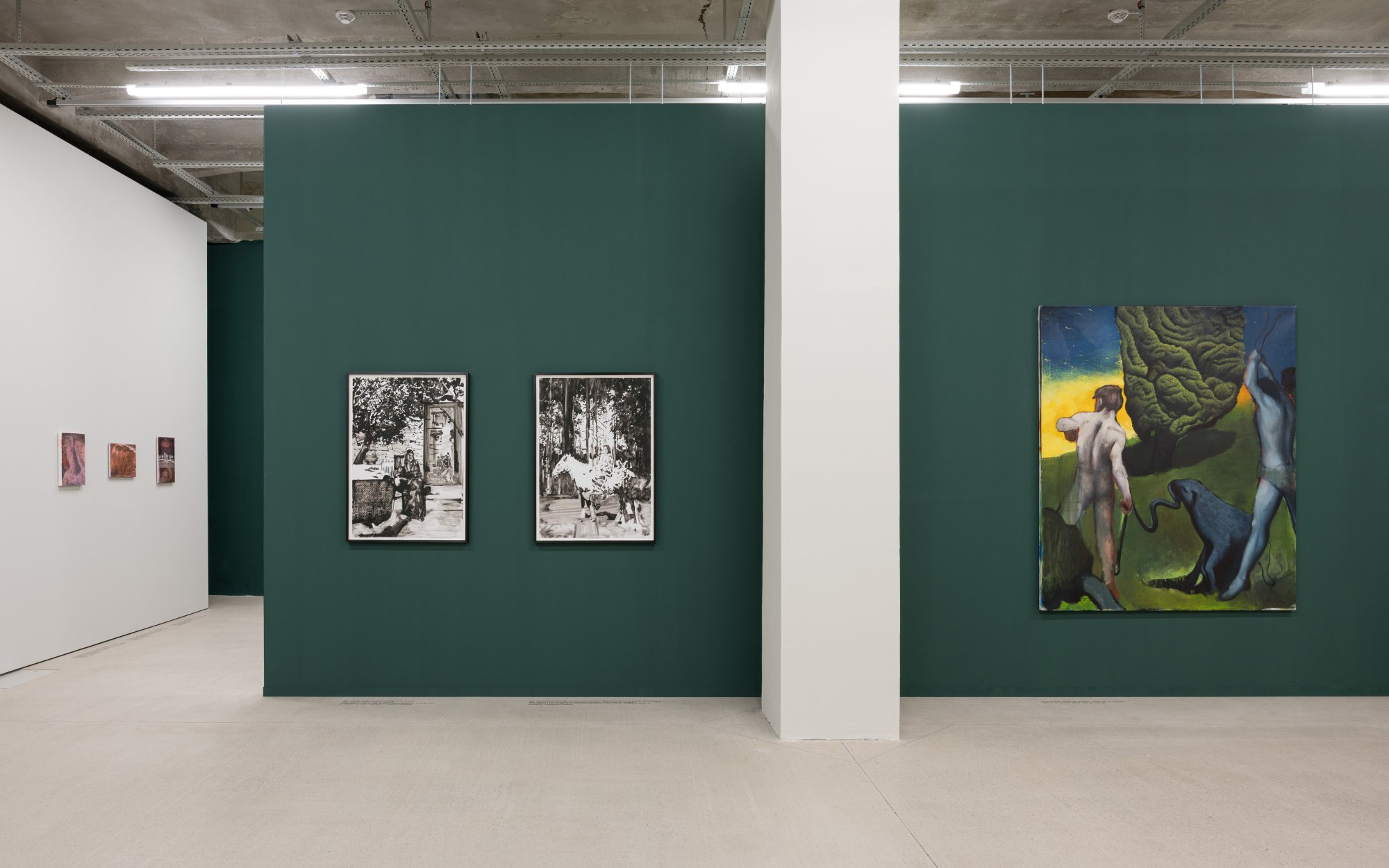
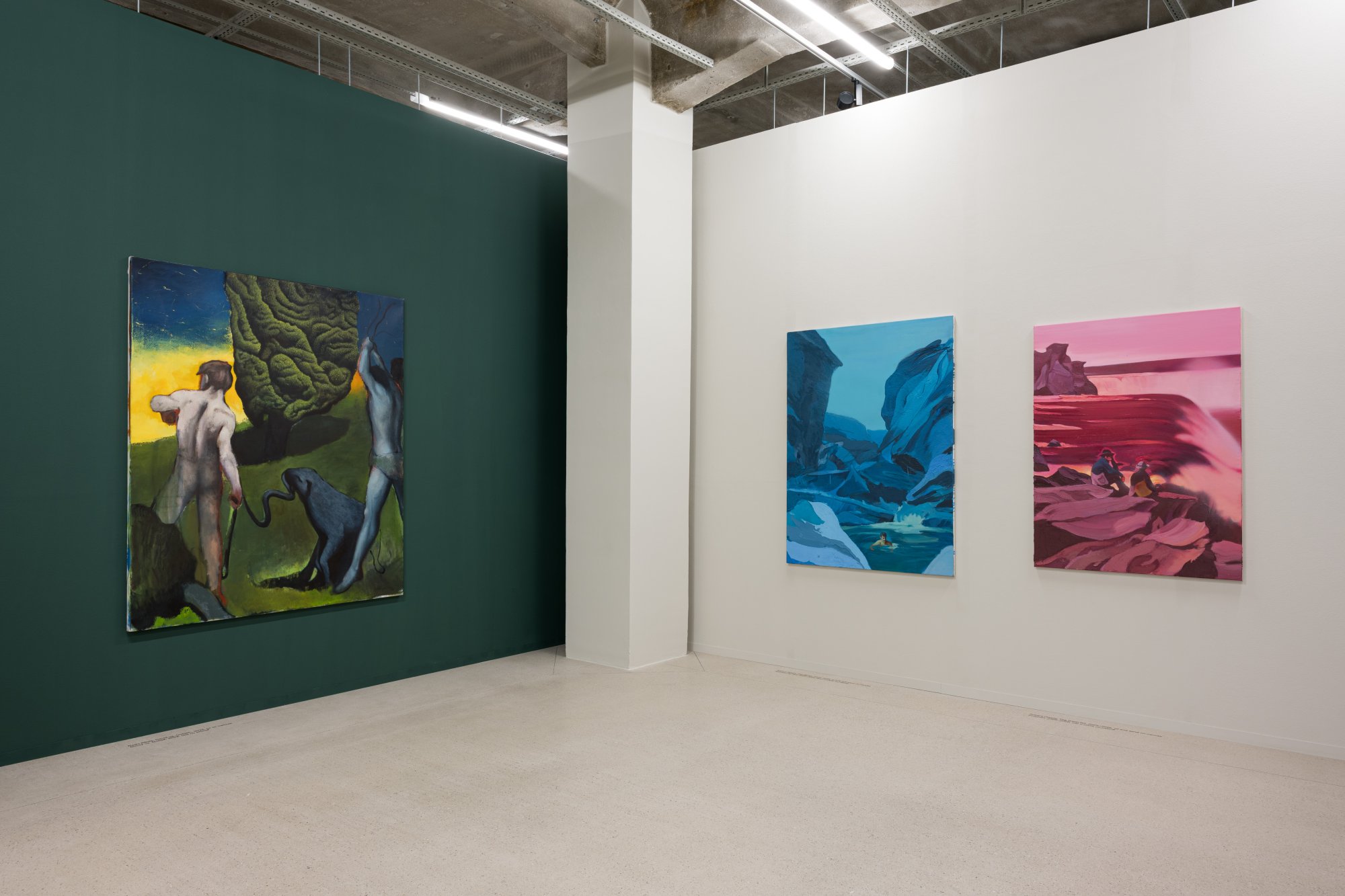
The evolution of Radu Băieș's thought can be precisely traced through his specific exhibition projects. Crucial for him was the solo exhibition Searching for My Human Traces at Telegraph Gallery, which directly followed his residency and functioned as a silent meditation on human existence in the world without the need to explicitly depict it. He followed up this series with the introspective project Retracing Identity in Bucharest, where the landscape became an inner space connecting personal experience and symbol. A shift in working with light and time was then brought about by the exhibition The Sun Keeps Rising, with its emphasis on cyclicality and duration. His reach beyond the regional framework is confirmed by international group projects such as the London exhibition HINTERLAND. The inclusion of his work in the current exhibition Transylvanian Painting Today at the Telegraph Gallery thus represents the logical outcome of his artistic journey to date. In his conception, Transylvania does not figure as a specific geographical location, but rather as a condensed idea of memory and existential depth. His paintings take time, work slowly and do not impose a clear meaning, but allow it to emerge naturally during the encounter with the viewer.