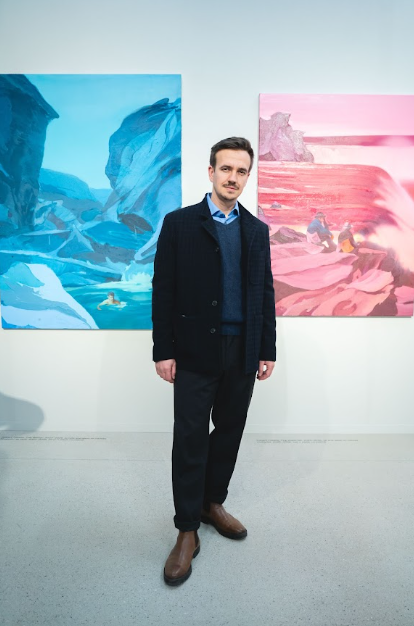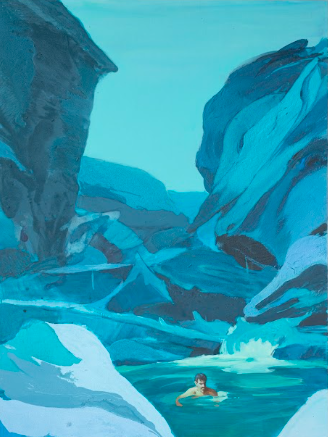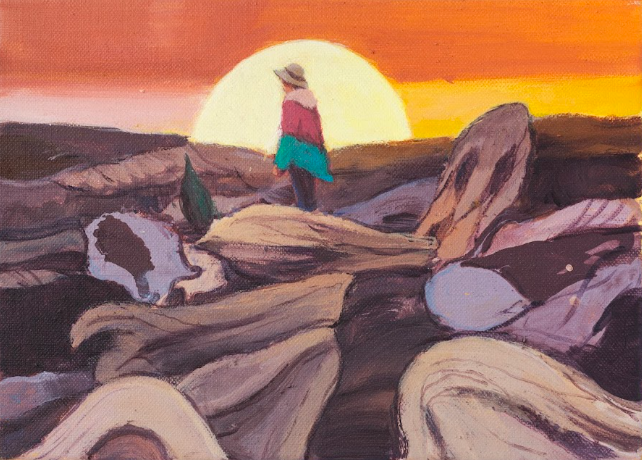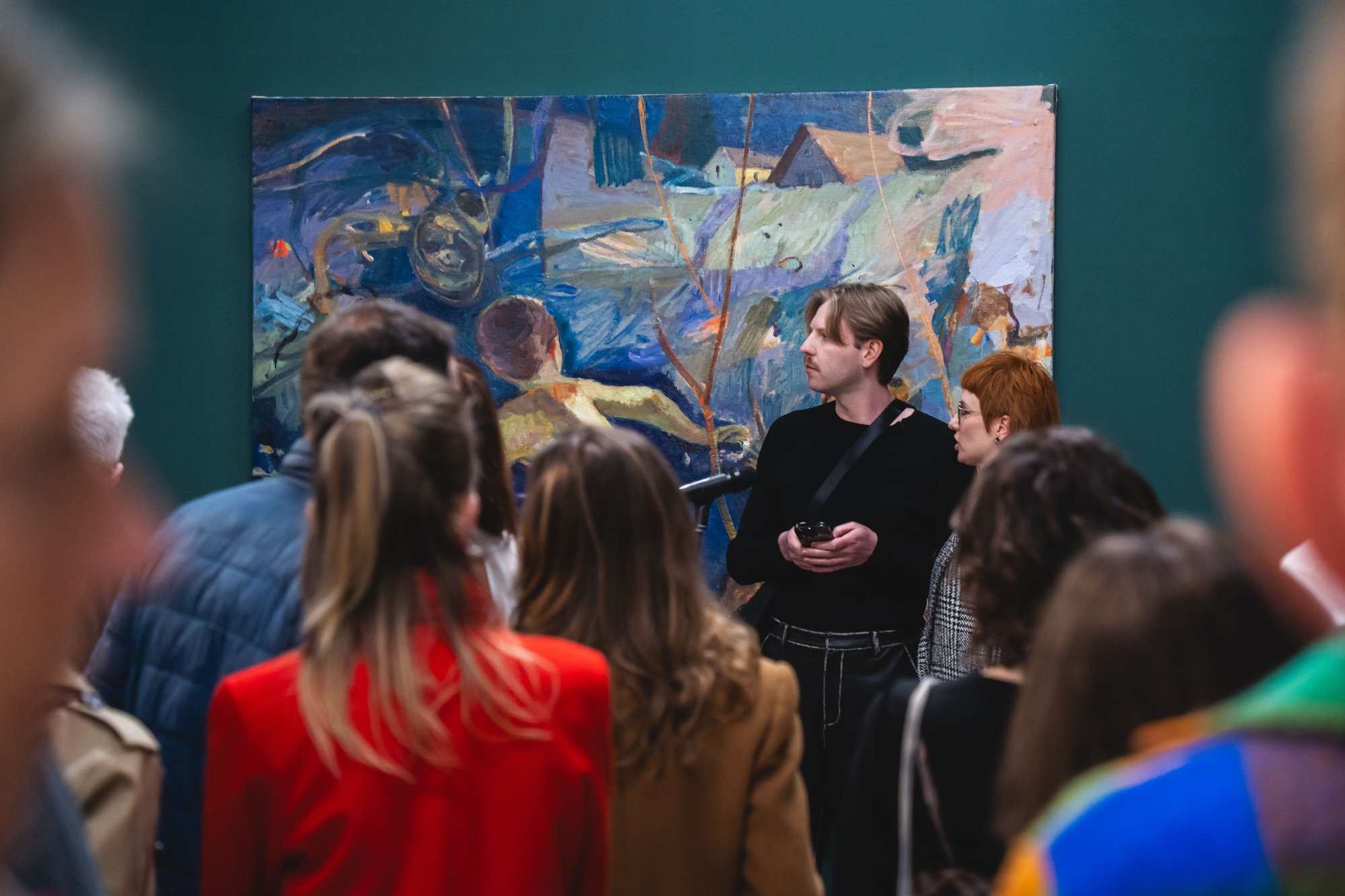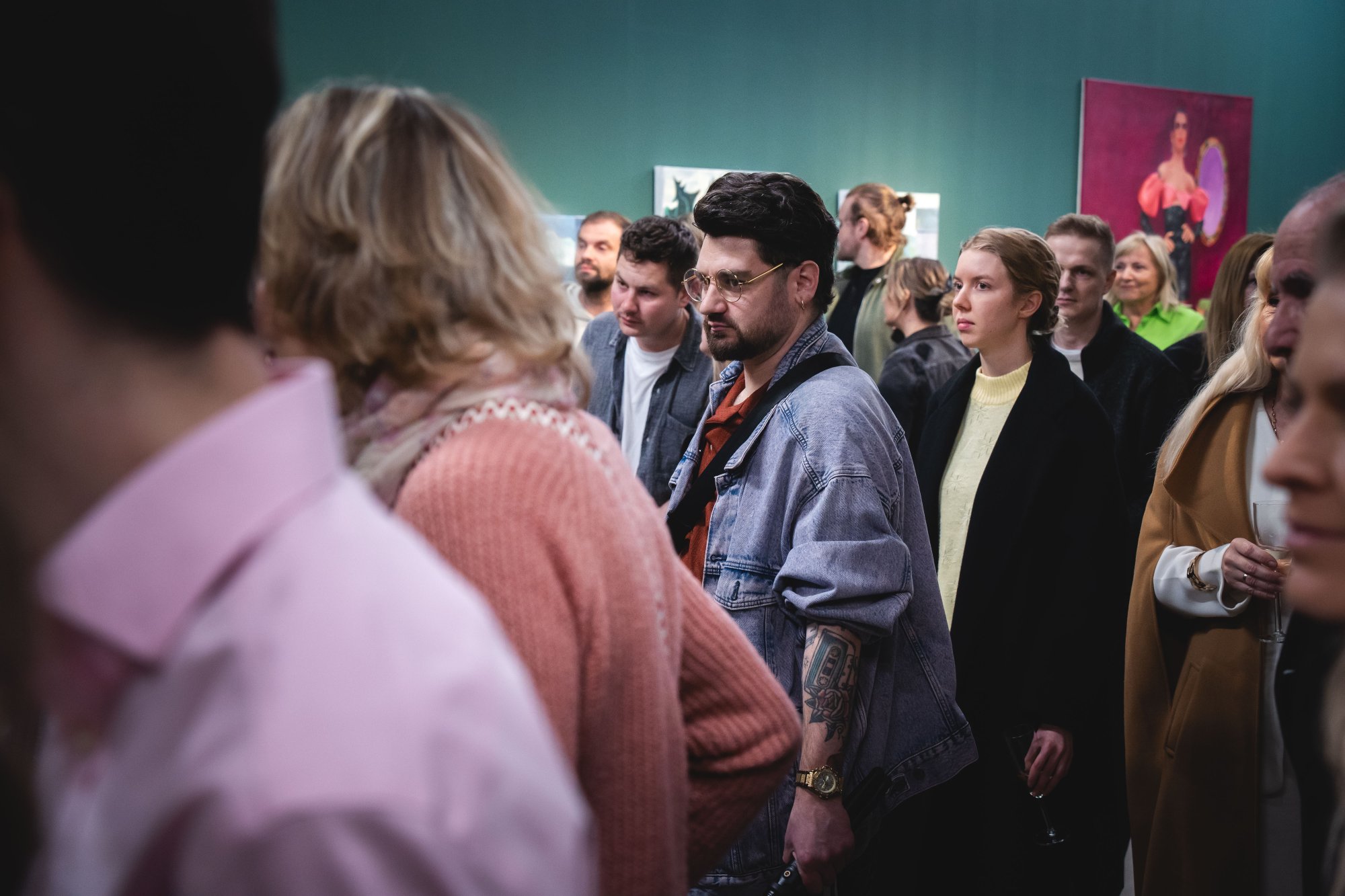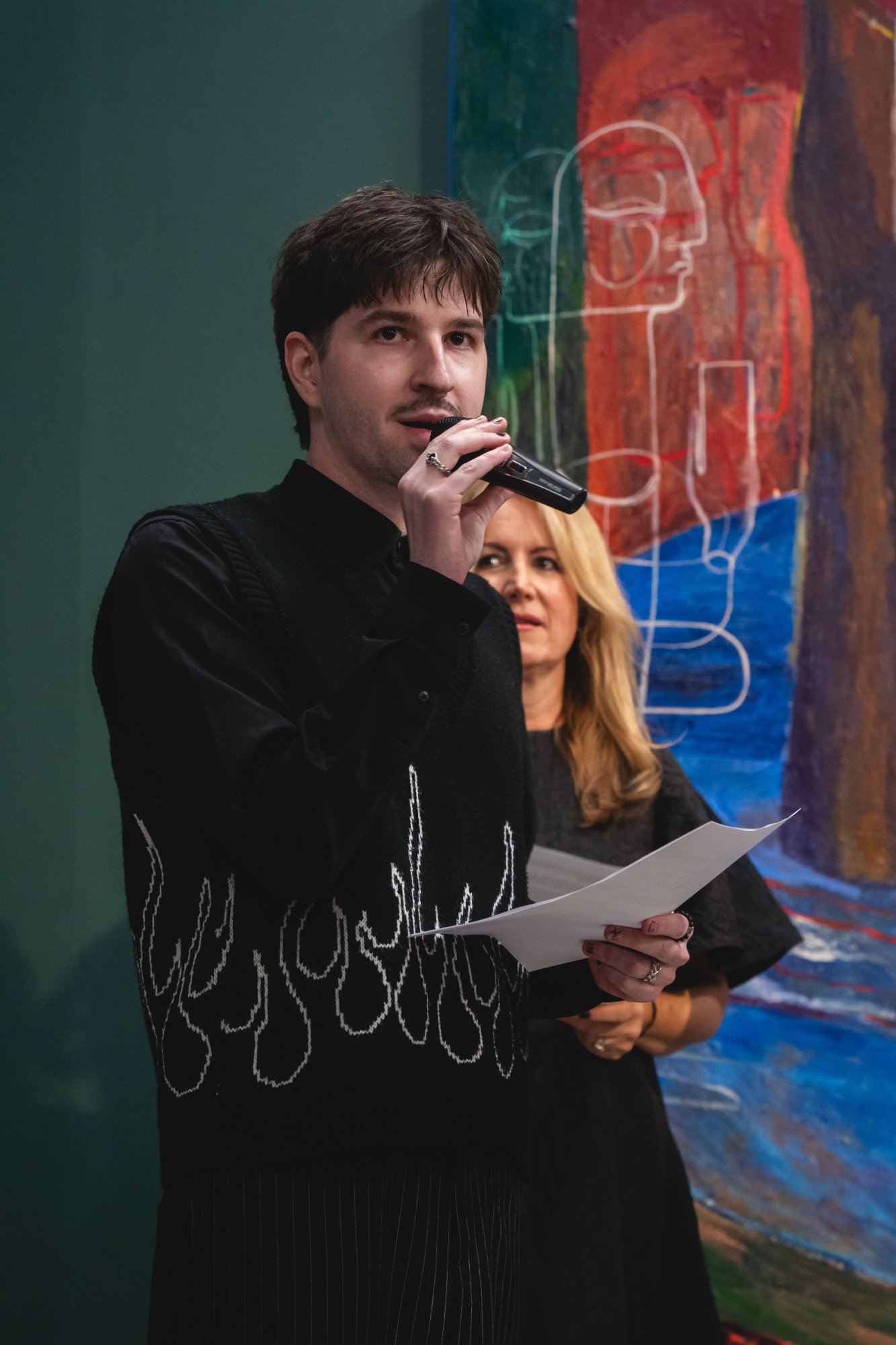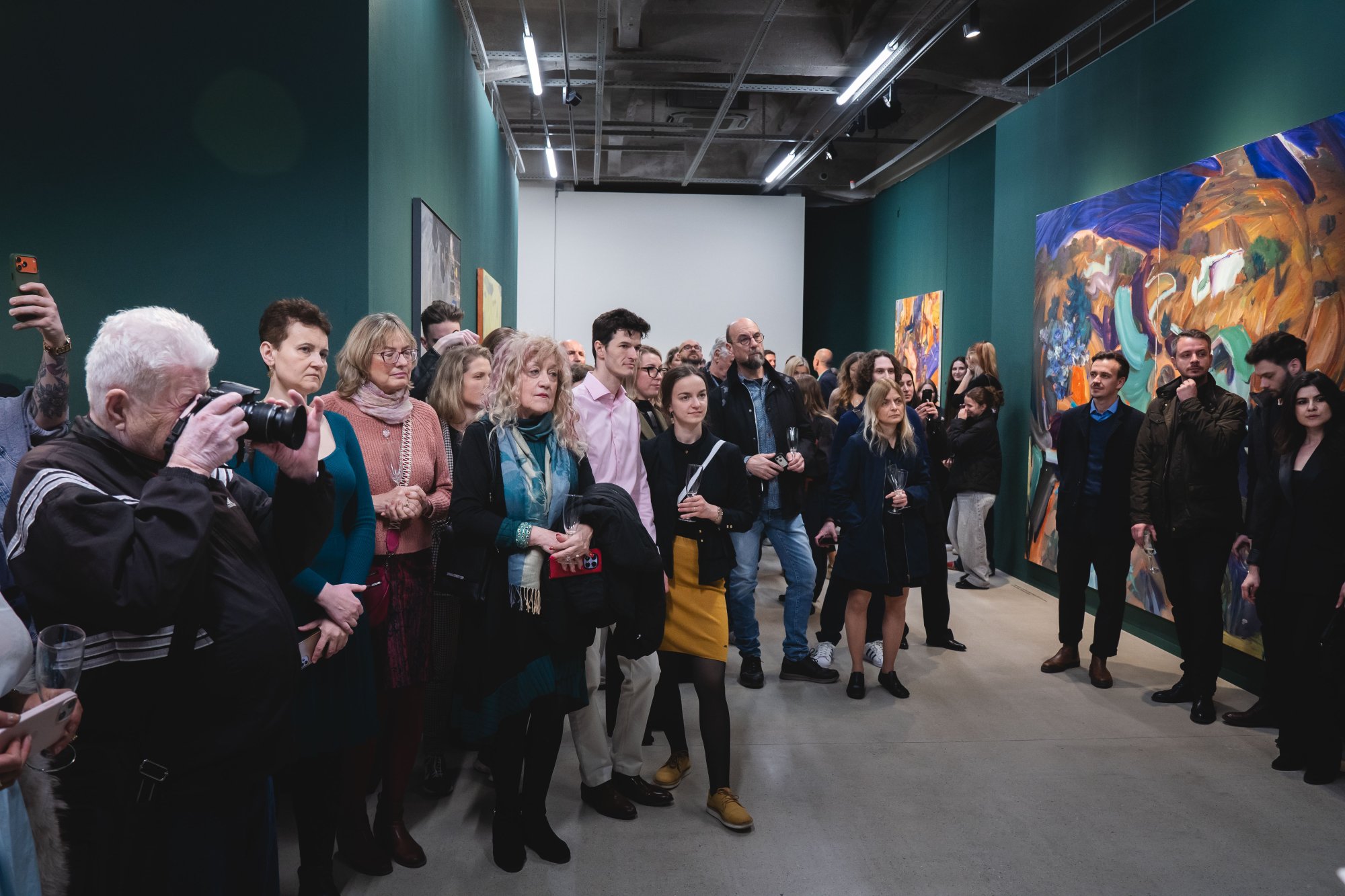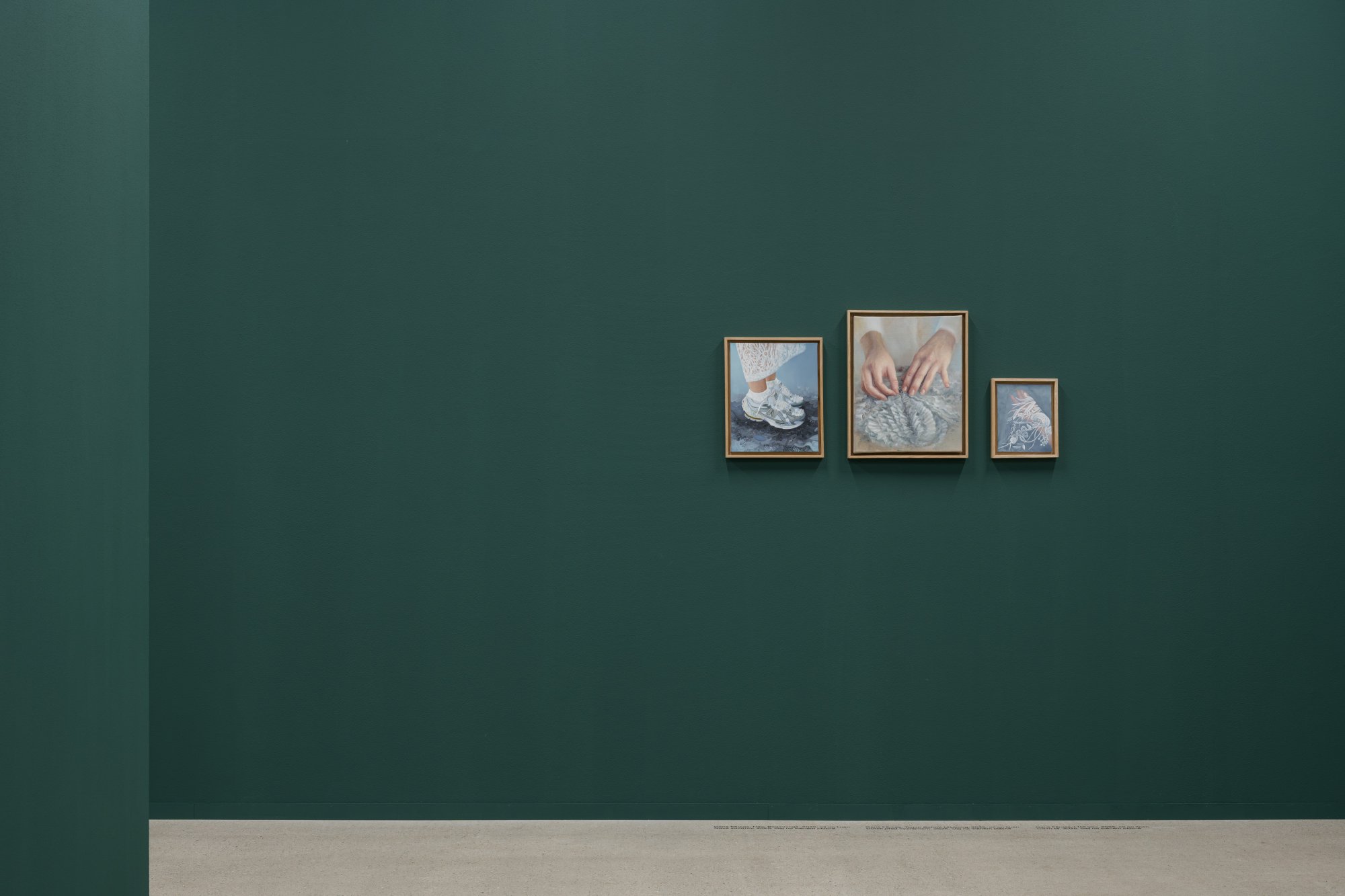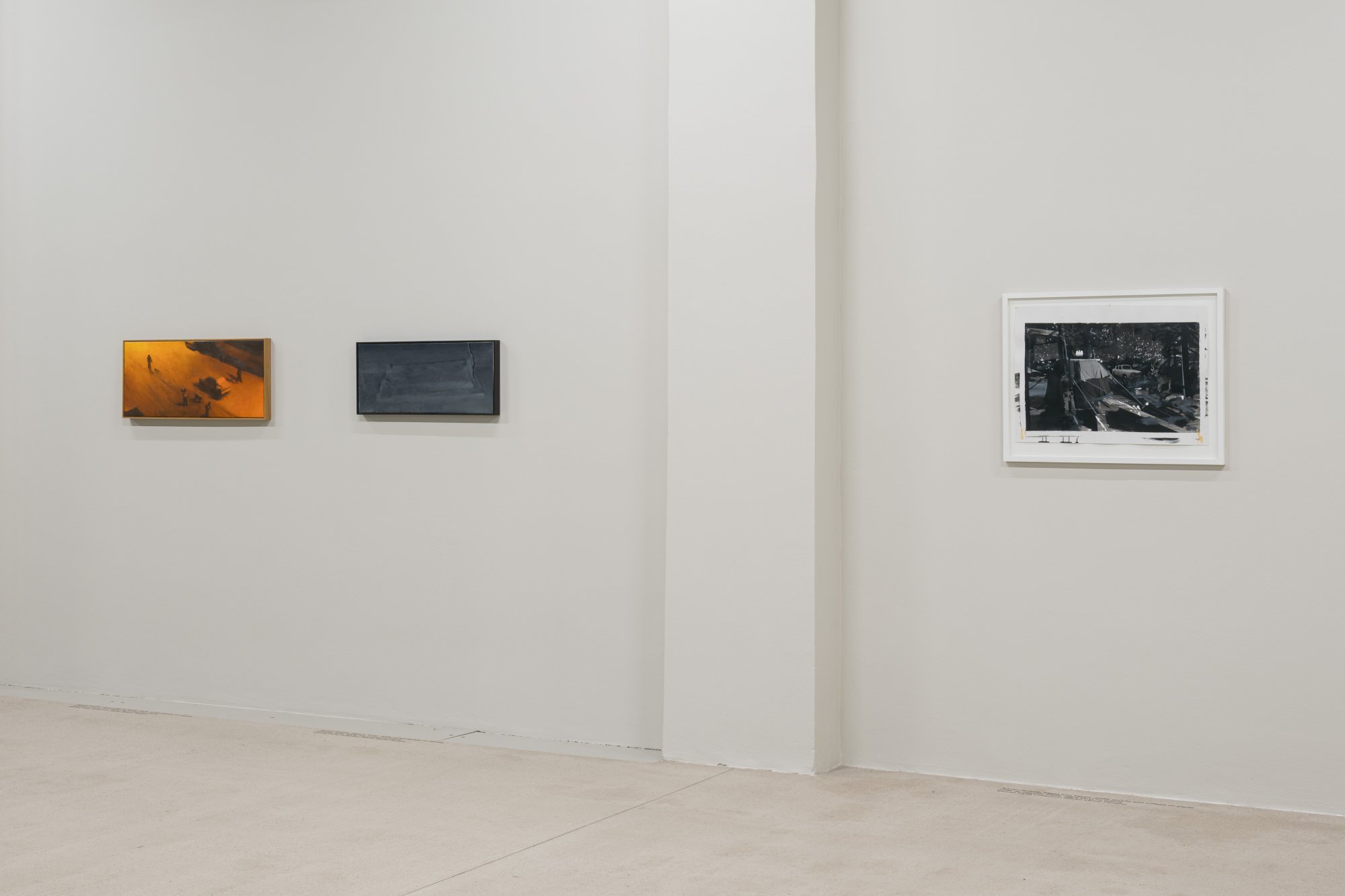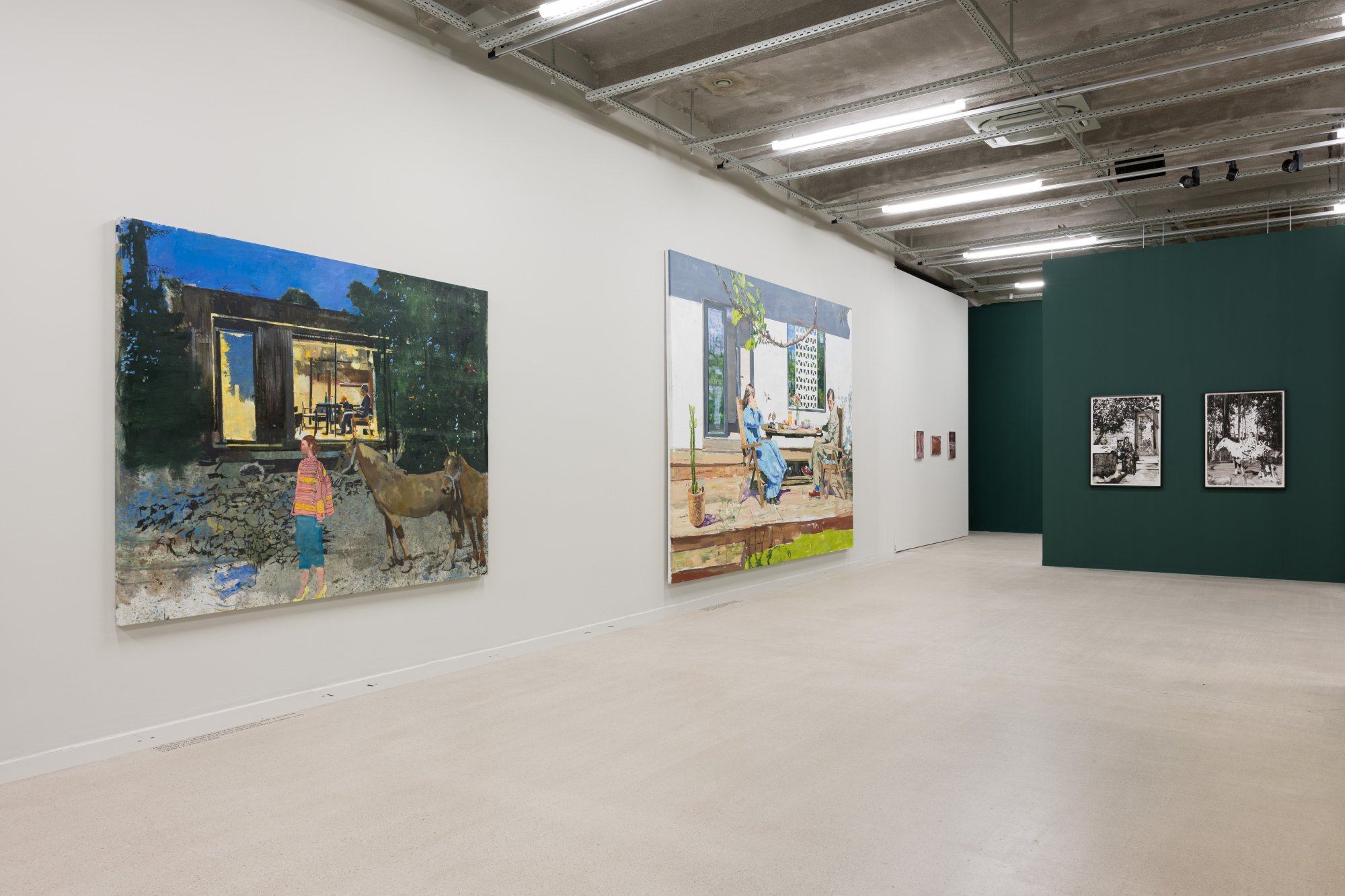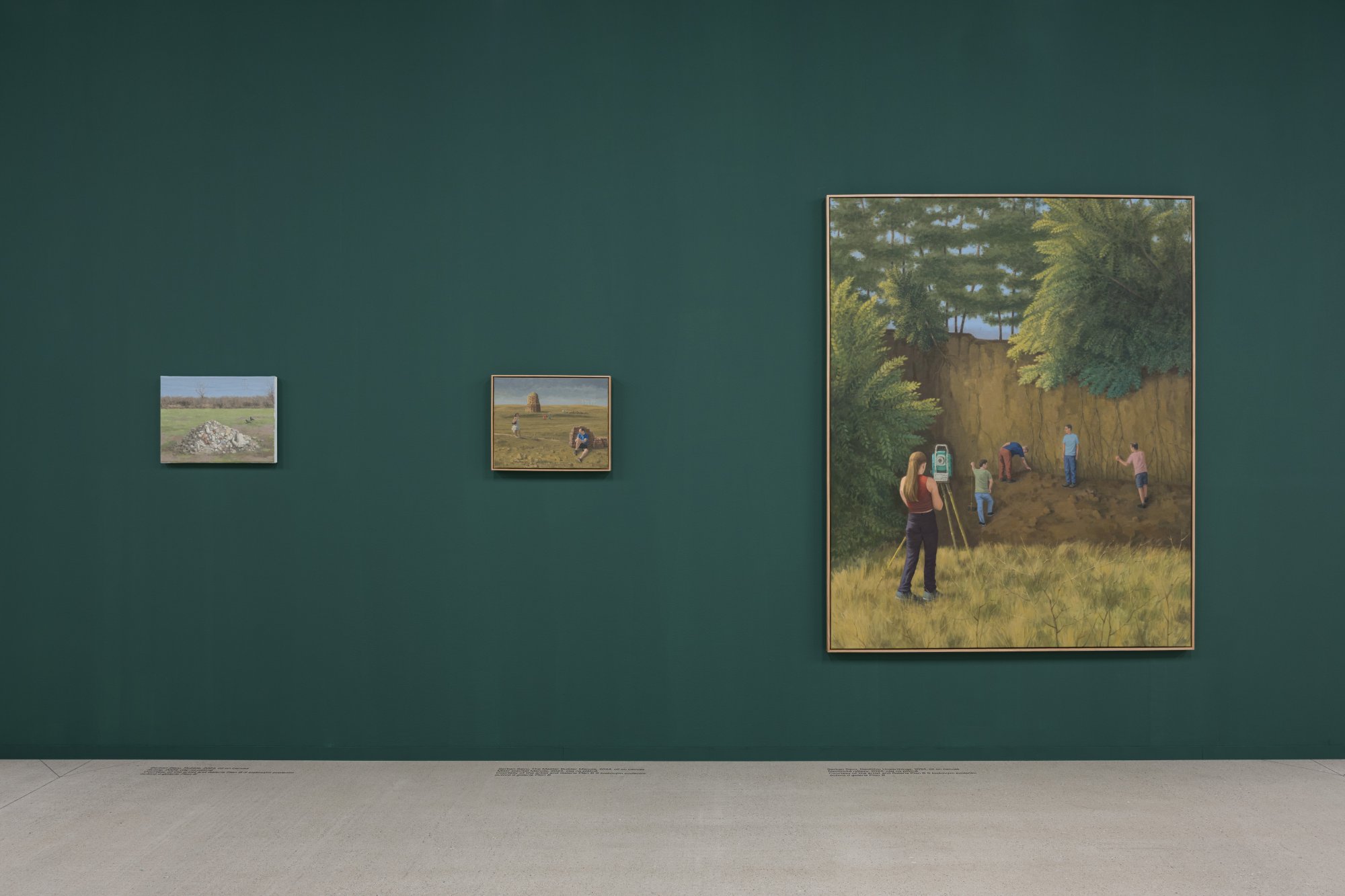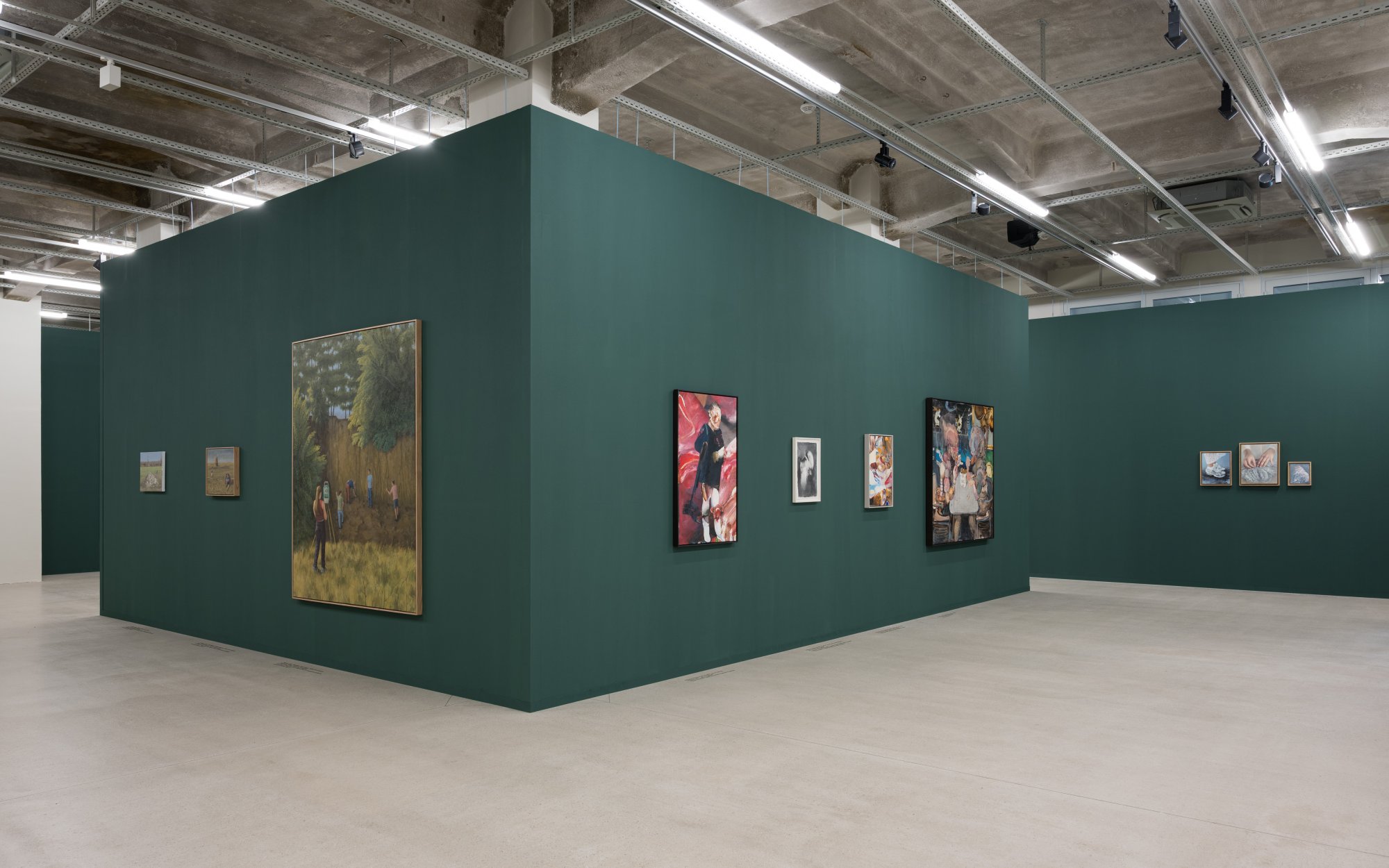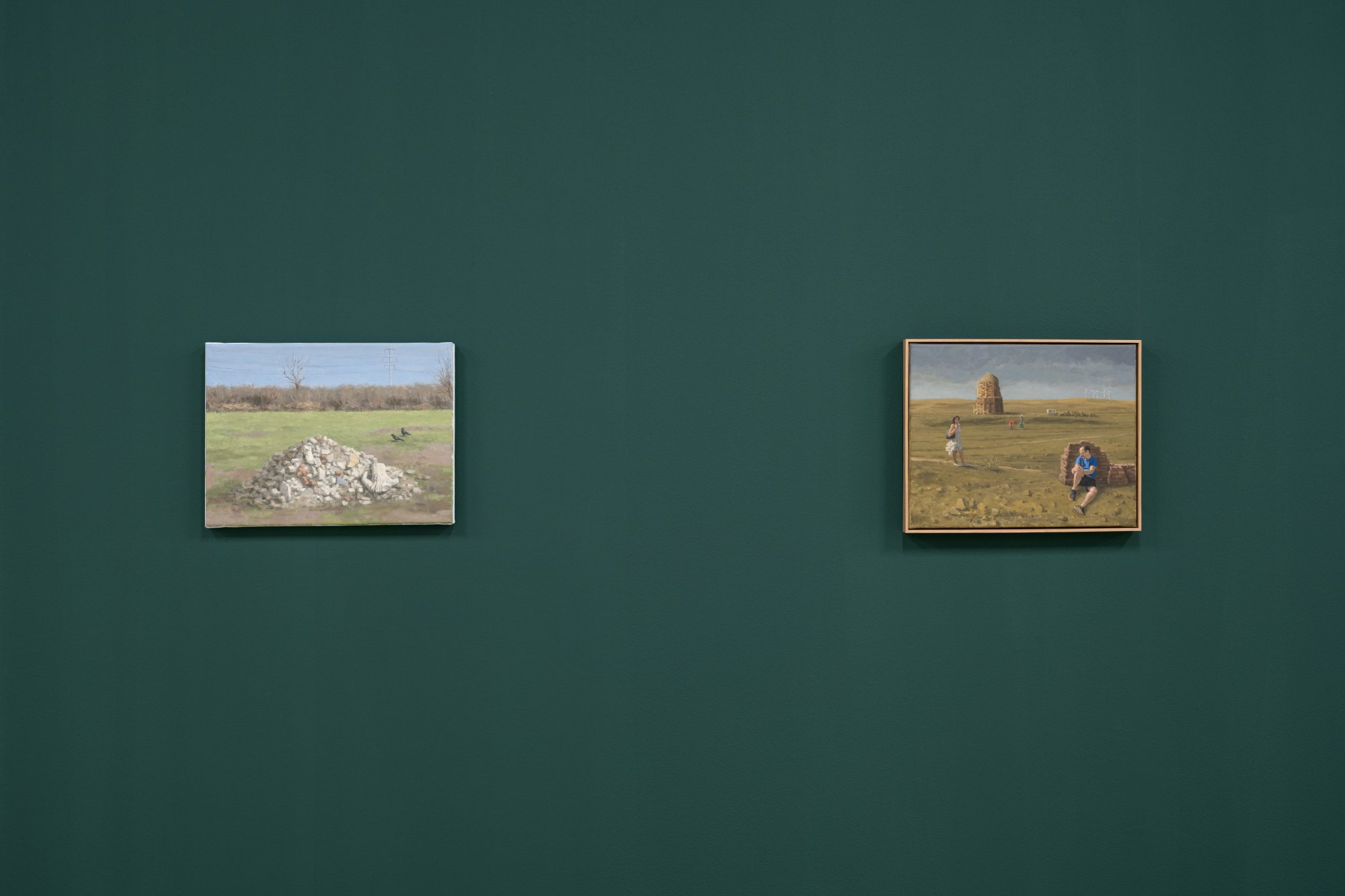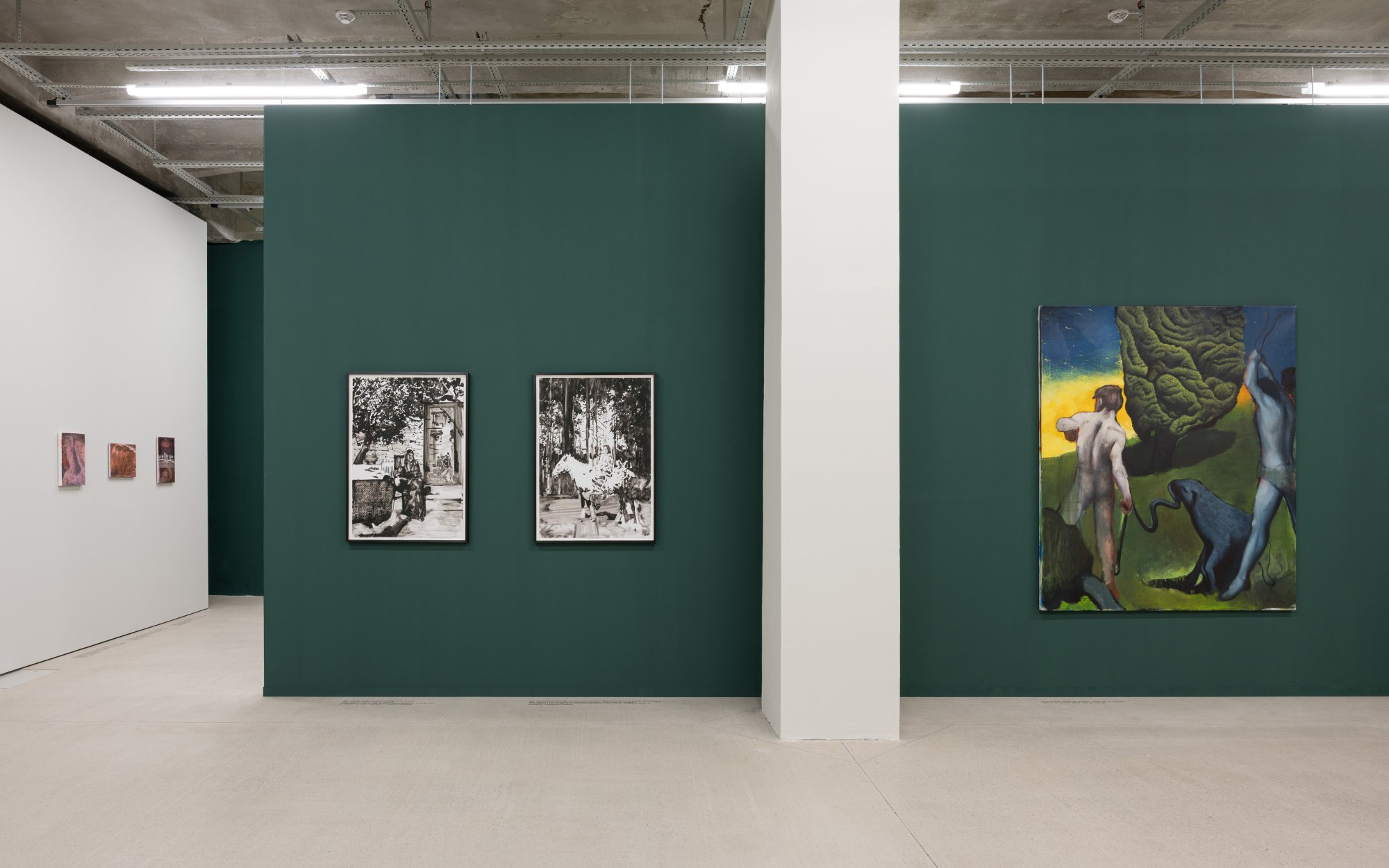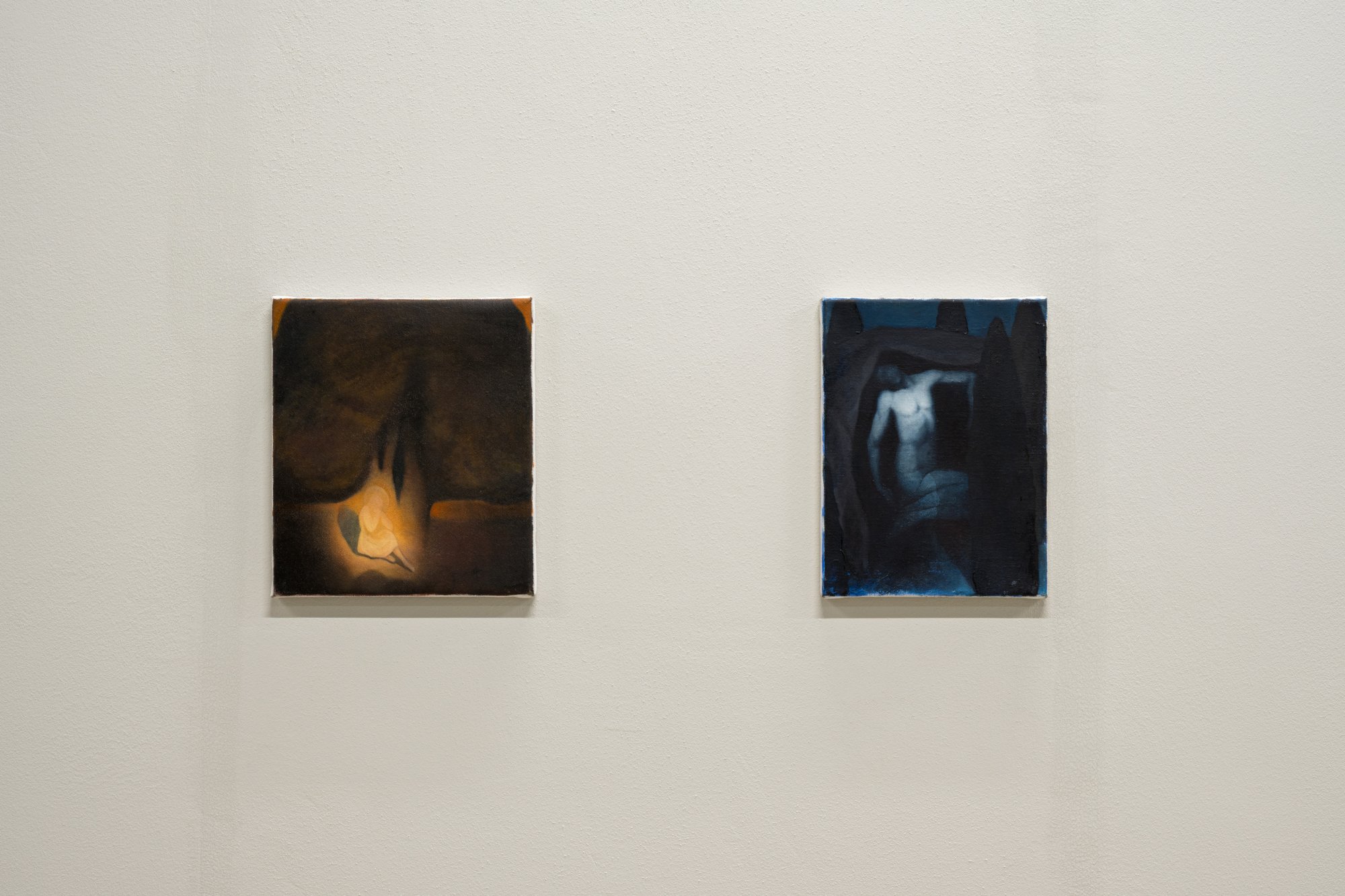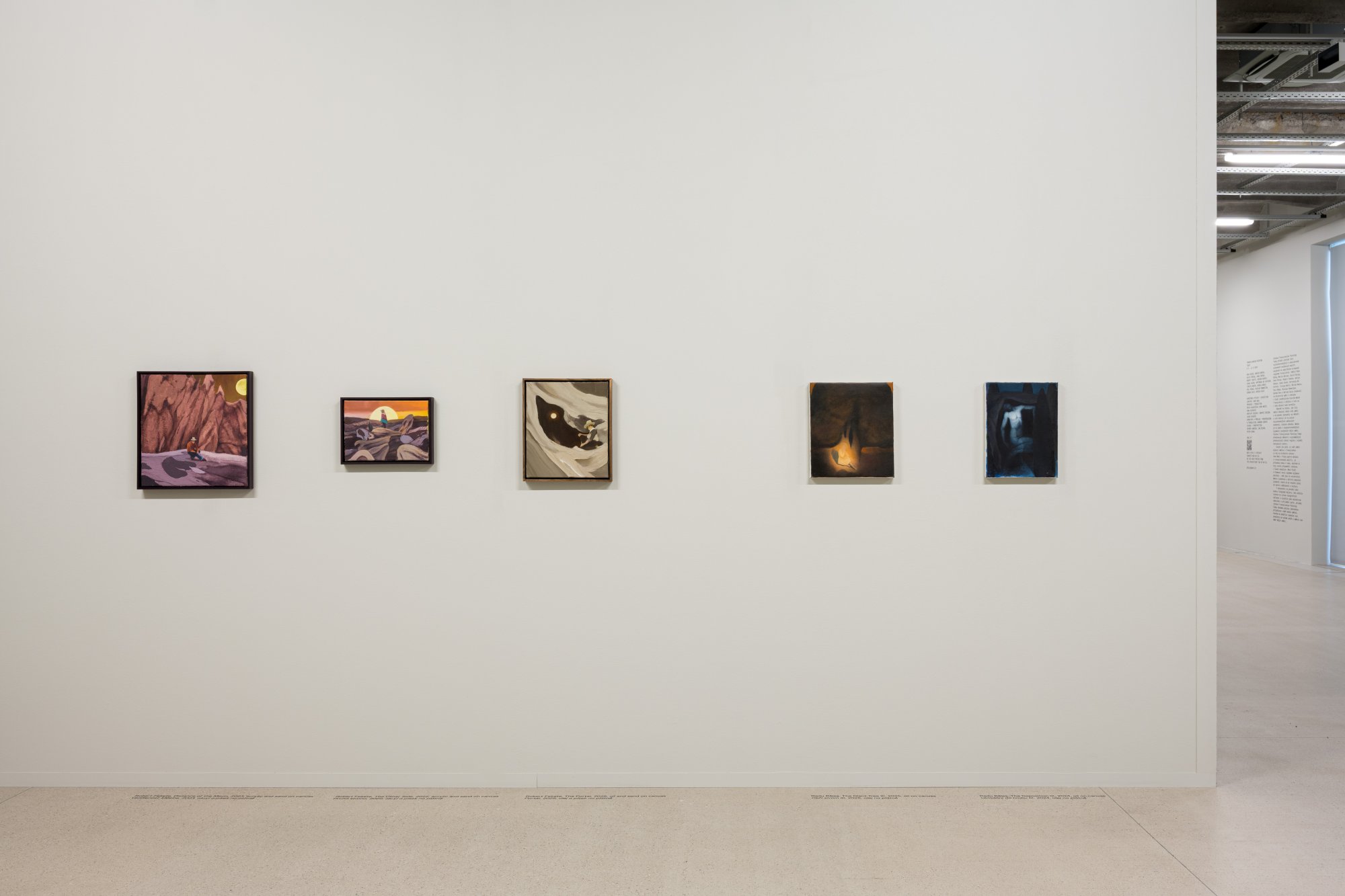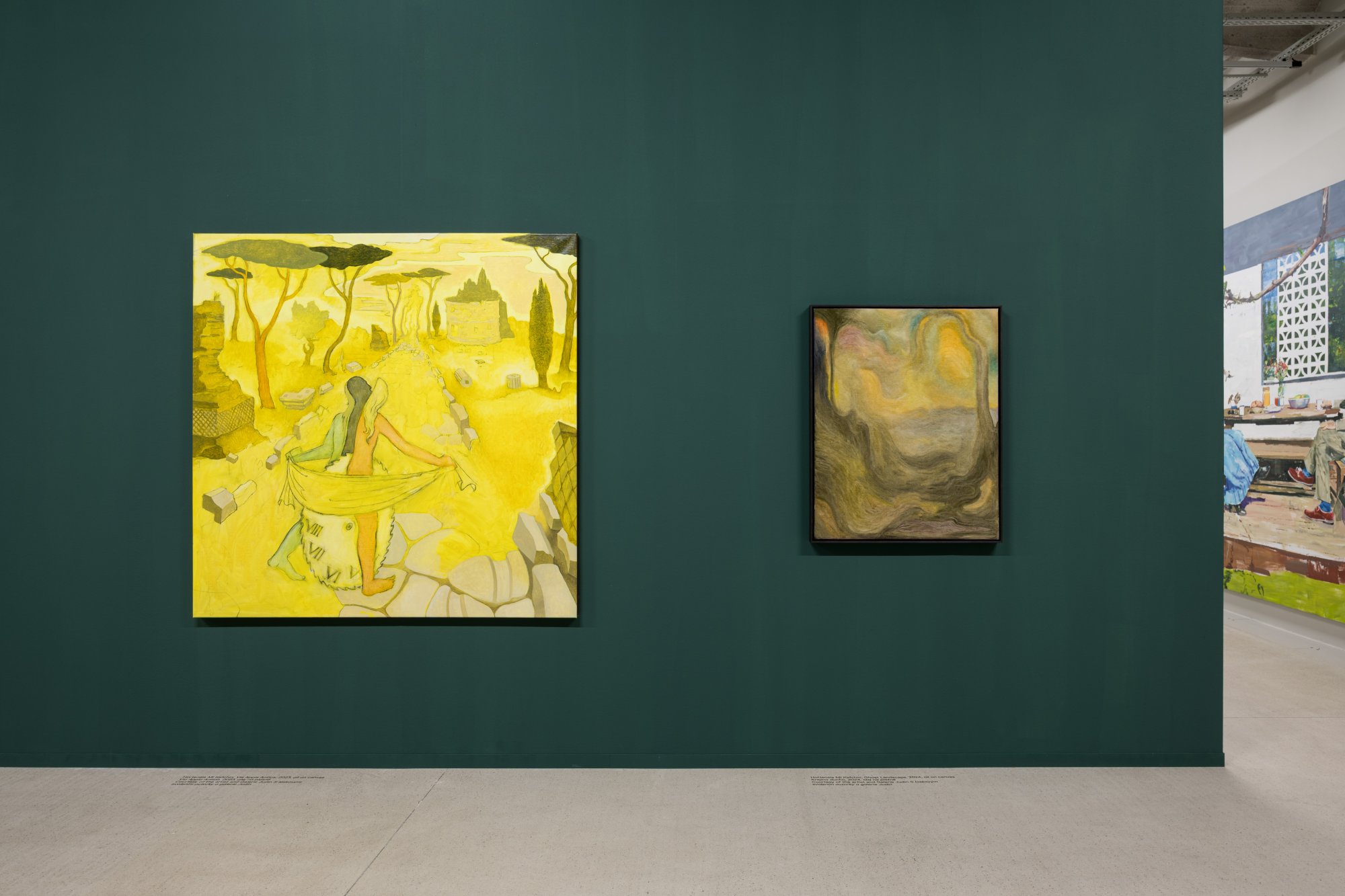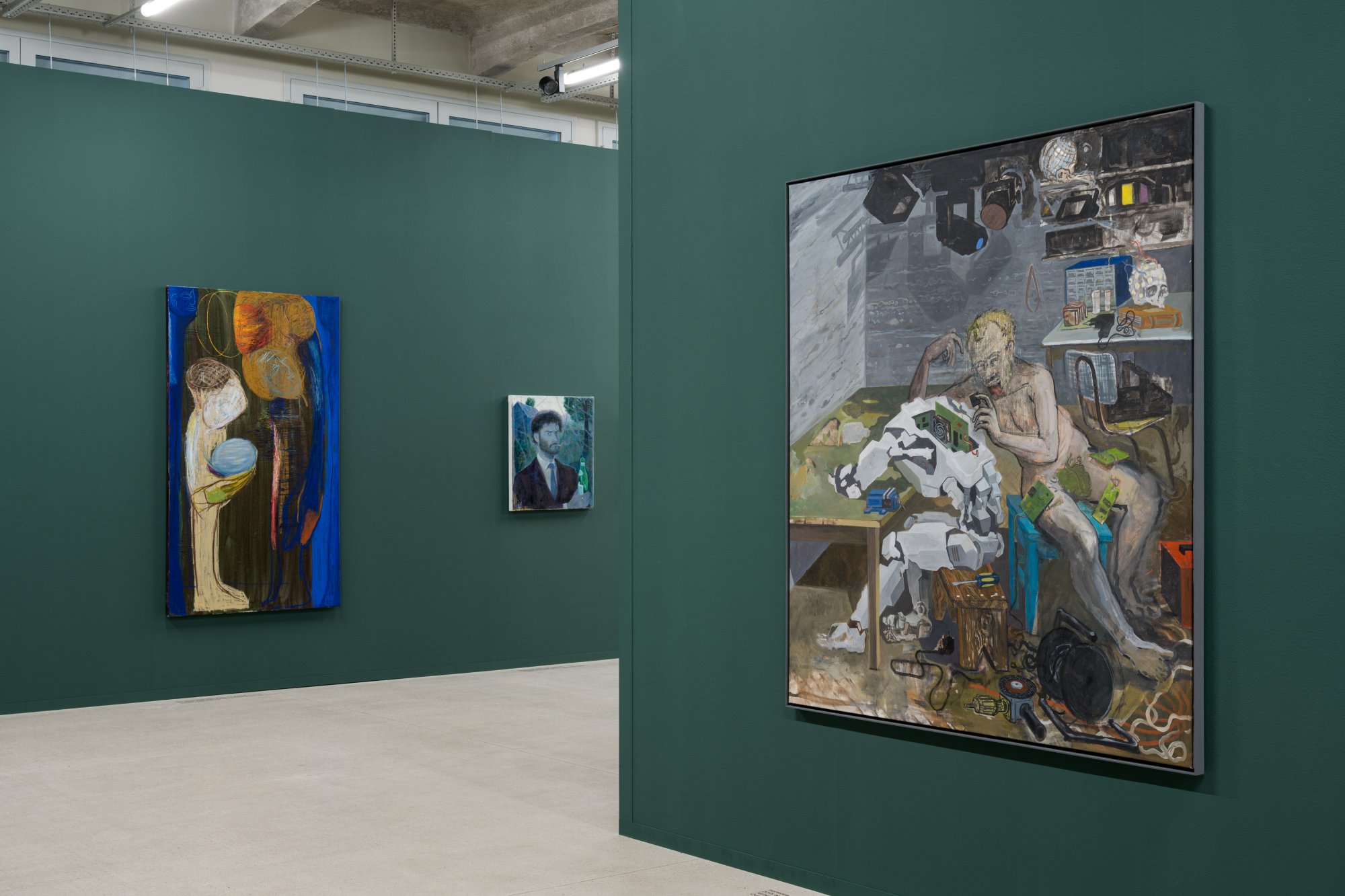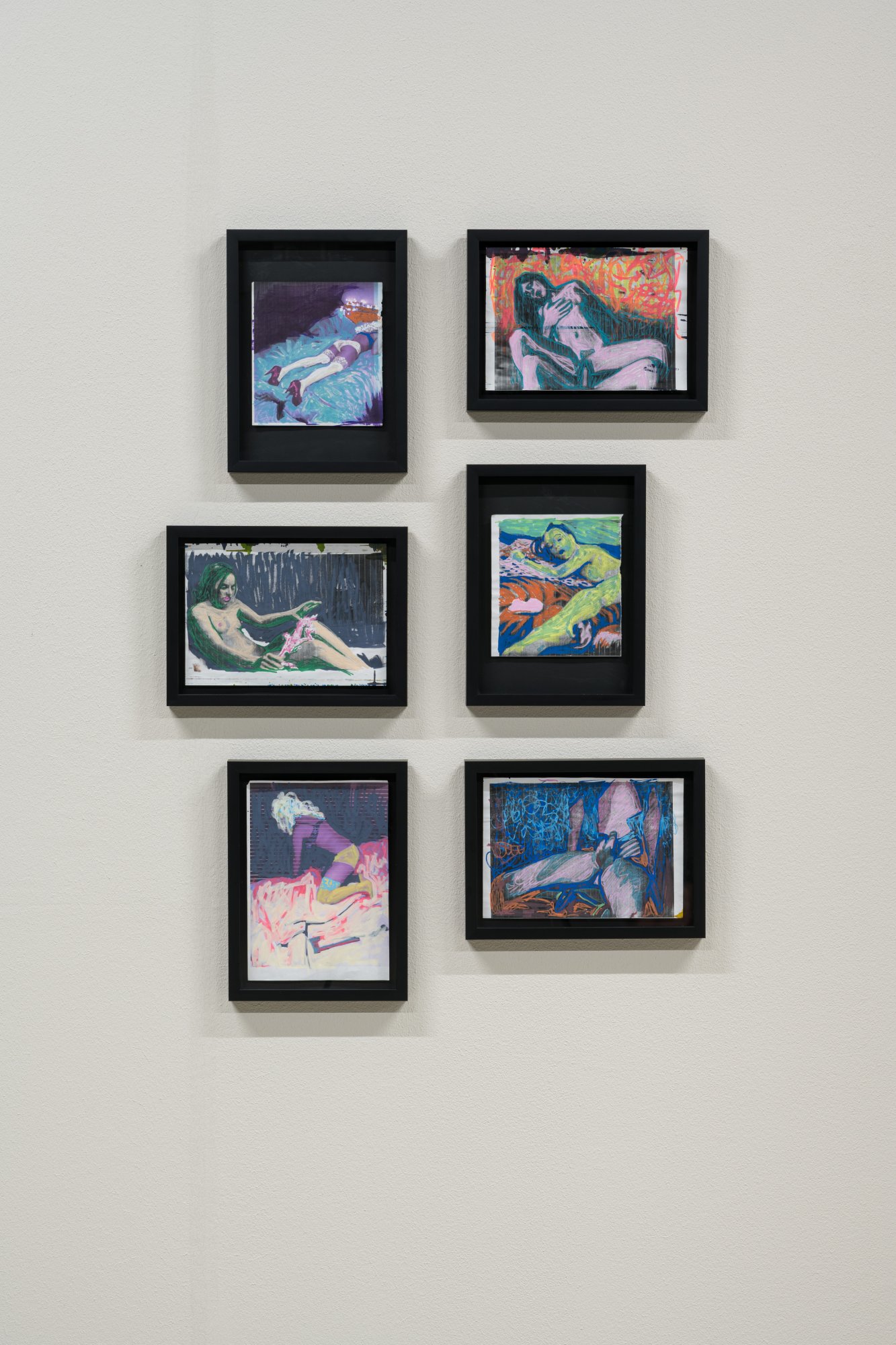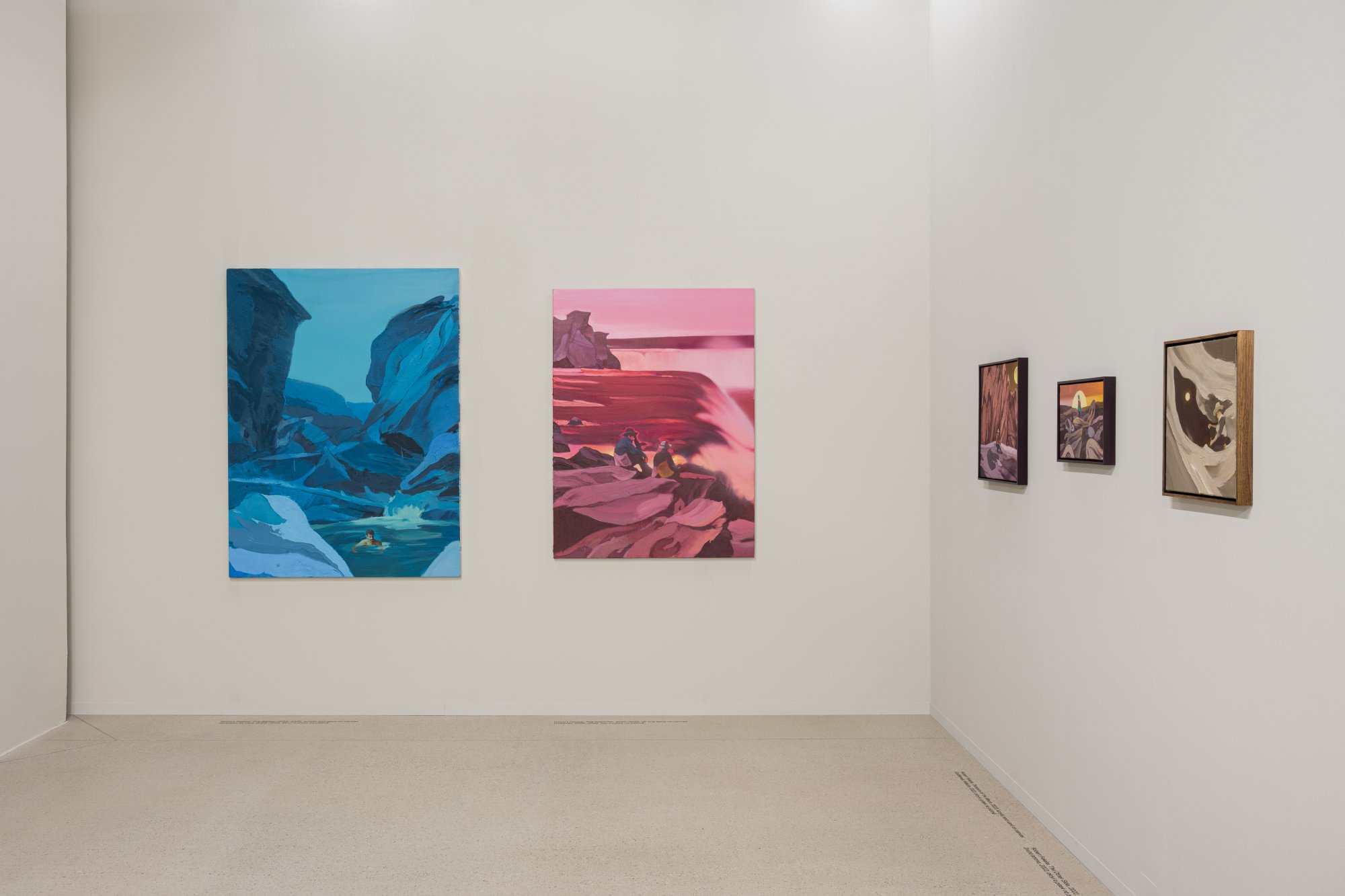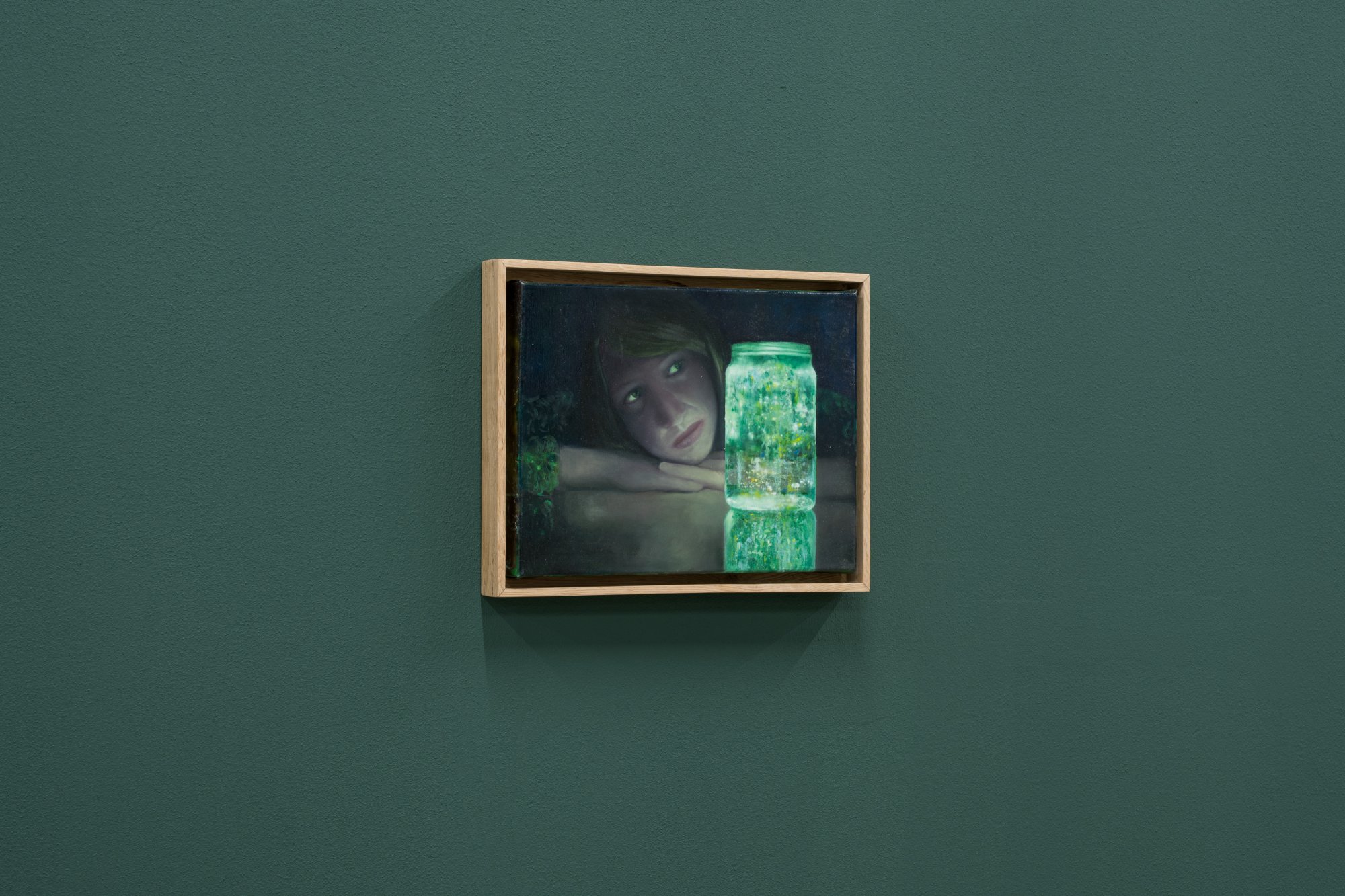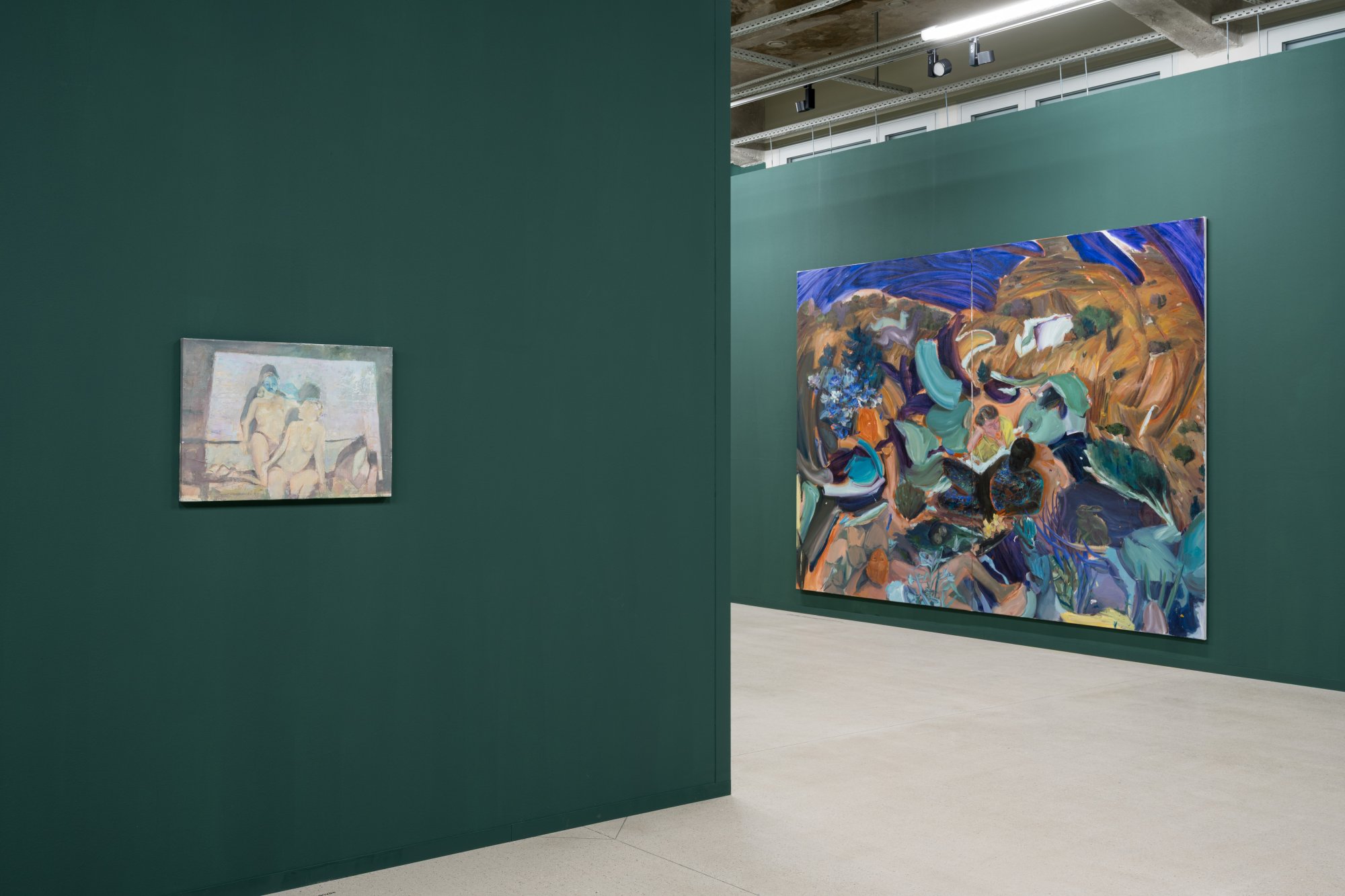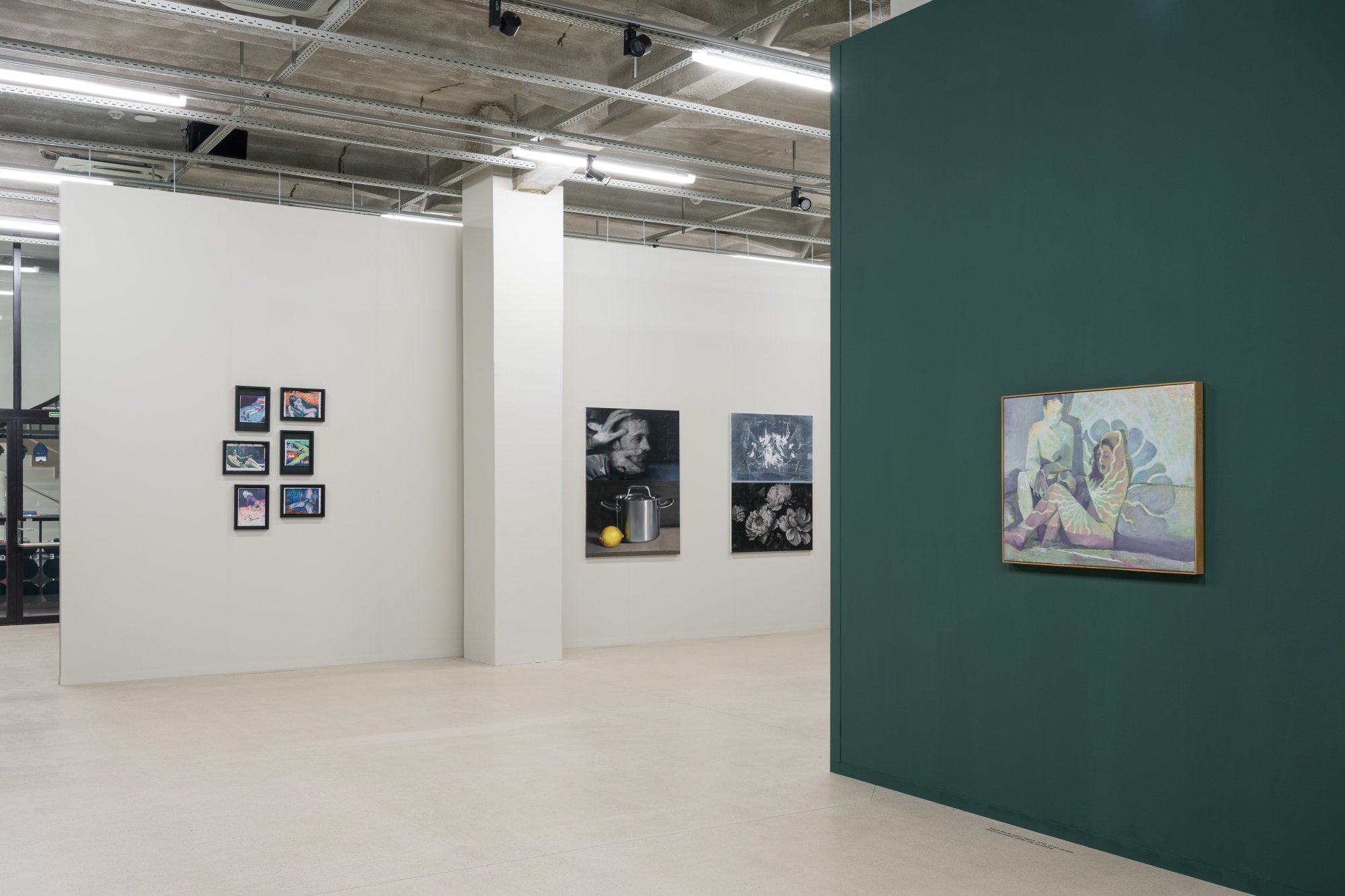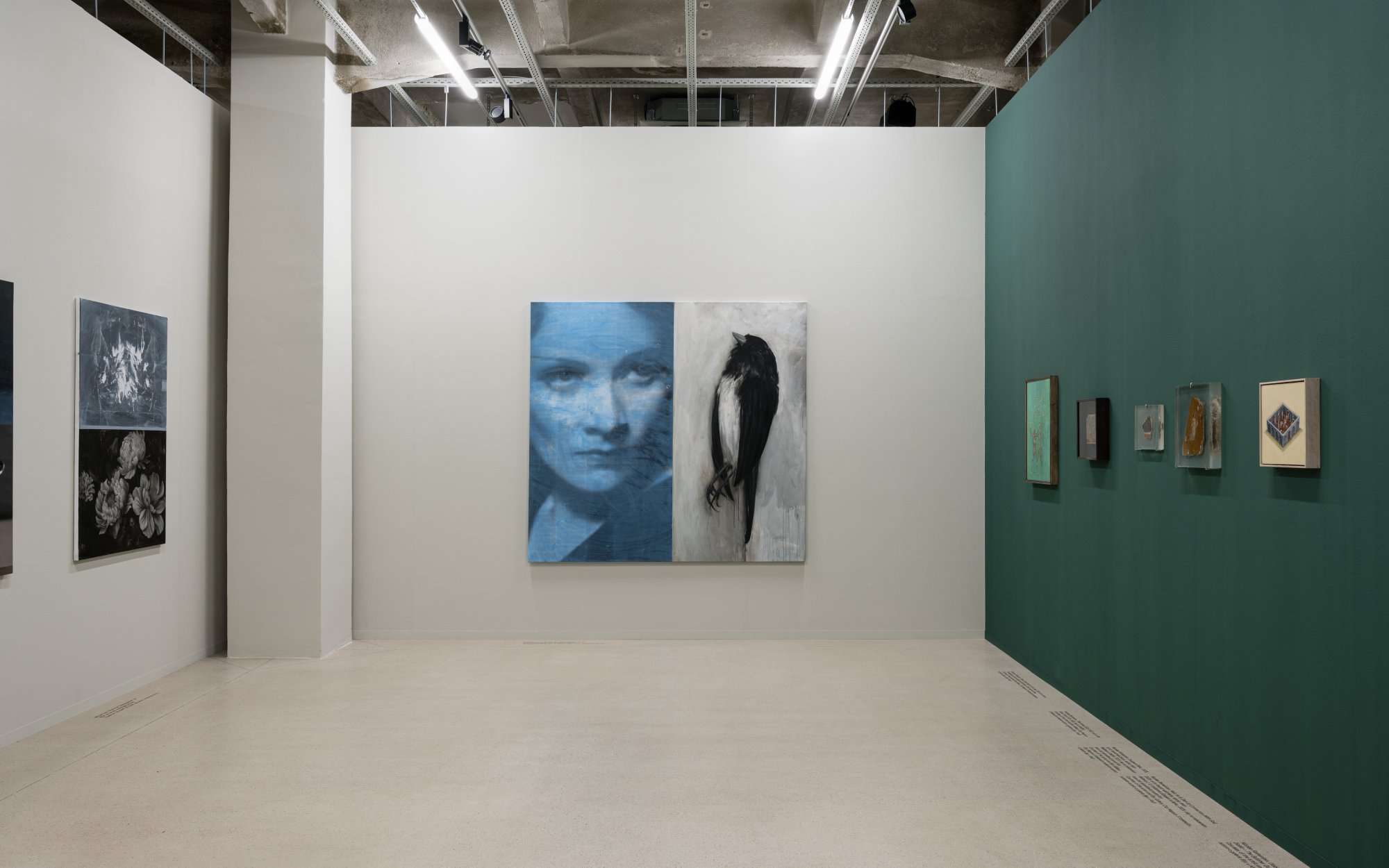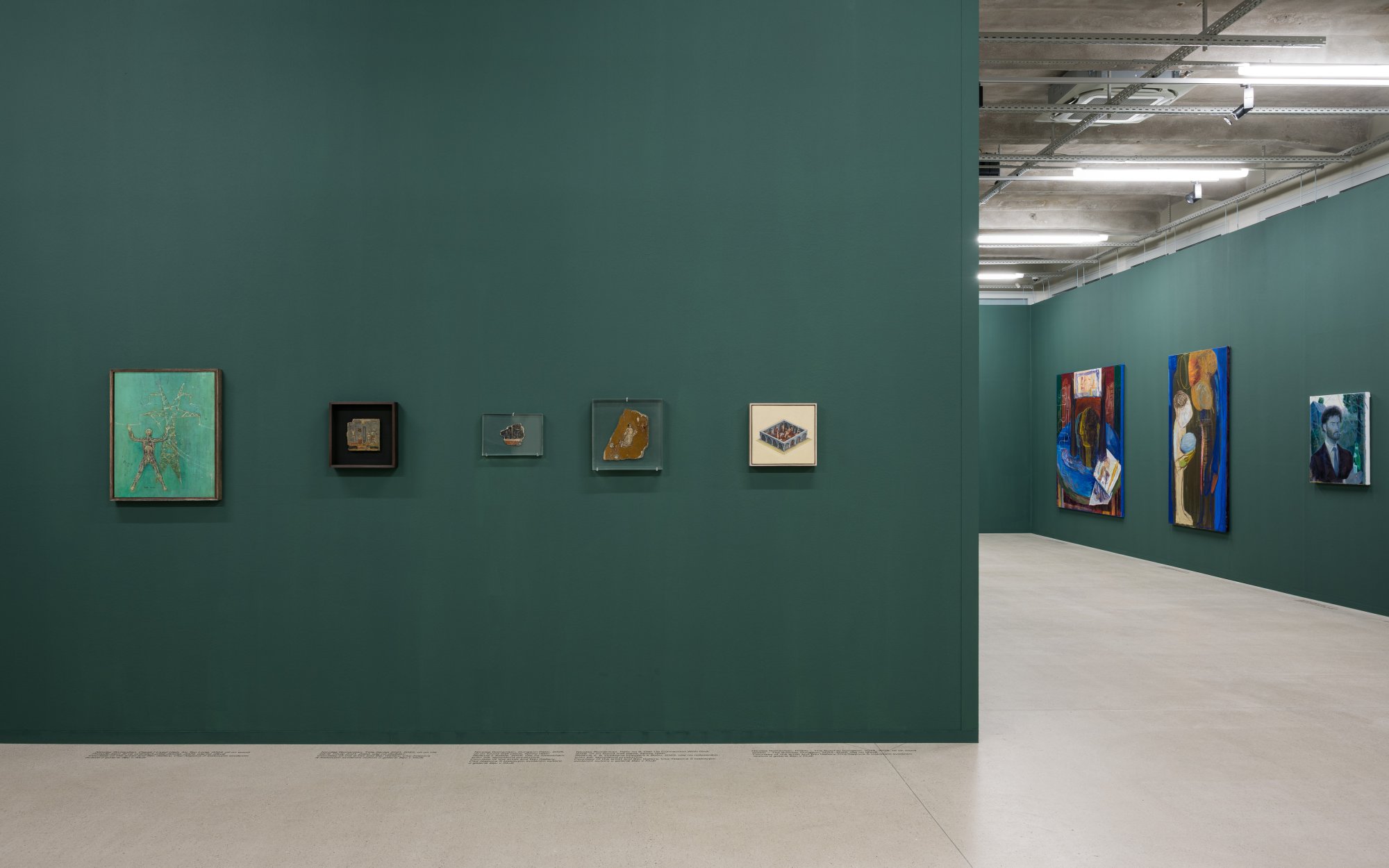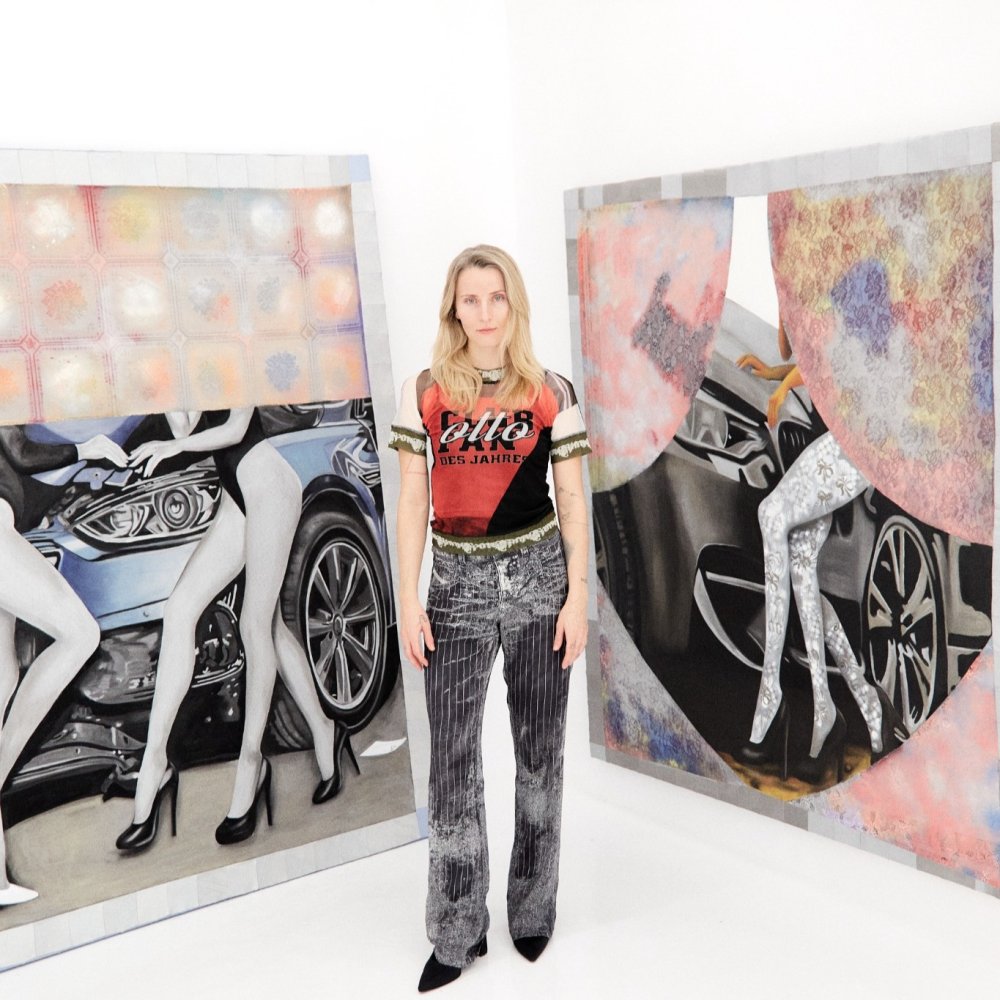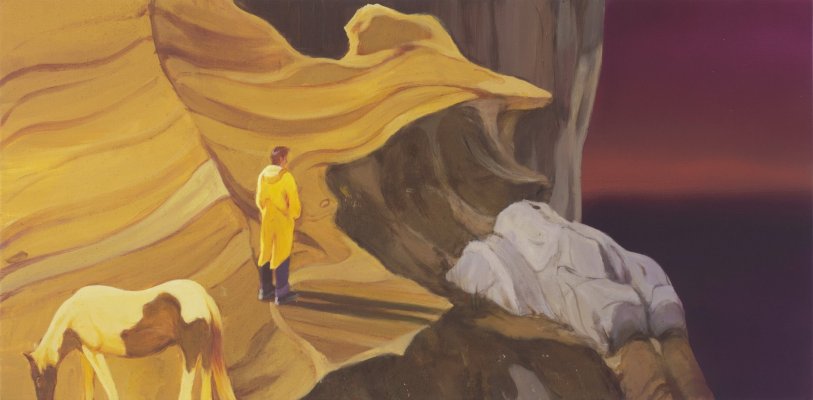
Robert Fekete (*1987) represents a specific and highly reflexive position within the contemporary painting school in Kluge. Like most of his colleagues, he graduated from the University of Art and Design in Cluj with a BA and MA. A fundamental influence on his work and the formation of his sense of precise composition was his residency at the Romanian Academy in Rome from 2010 to 2012, which allowed him to directly confront classical art. His visual language gradually moved away from raw post-communist expression towards a more sophisticated and almost pop-cultural melancholy. Fekete's canvases thus show not the horrors of history, but the quiet isolation of modern man, capturing the moment when we become mere spectators of our own lives.
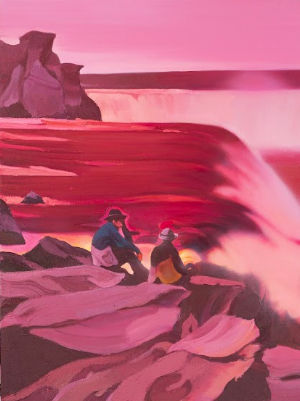
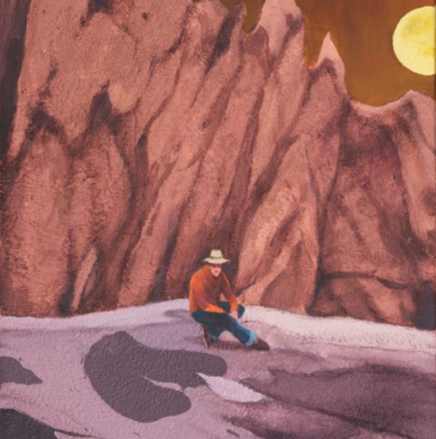
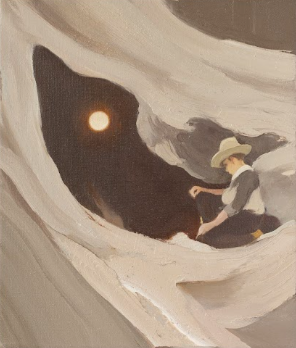
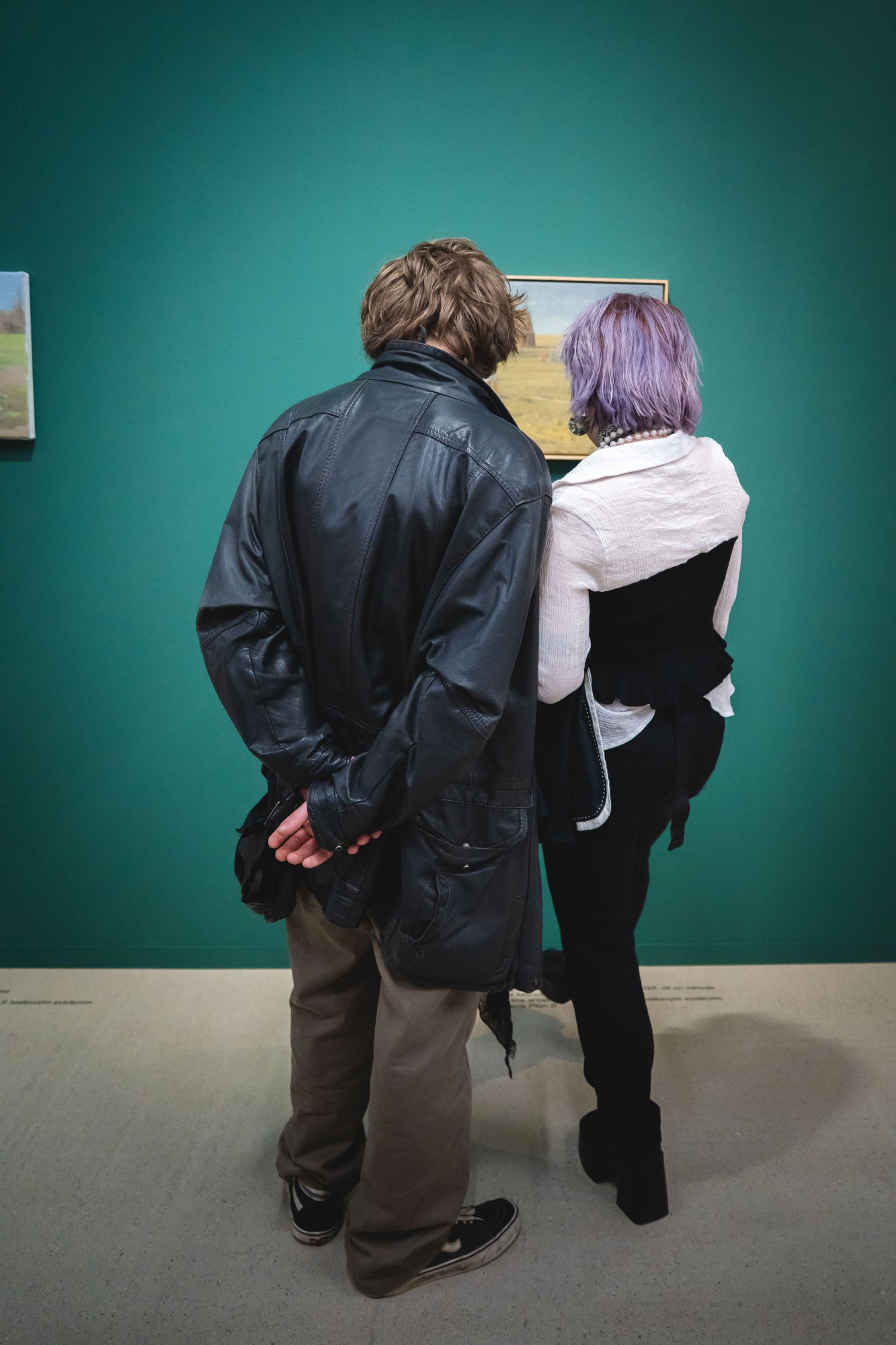
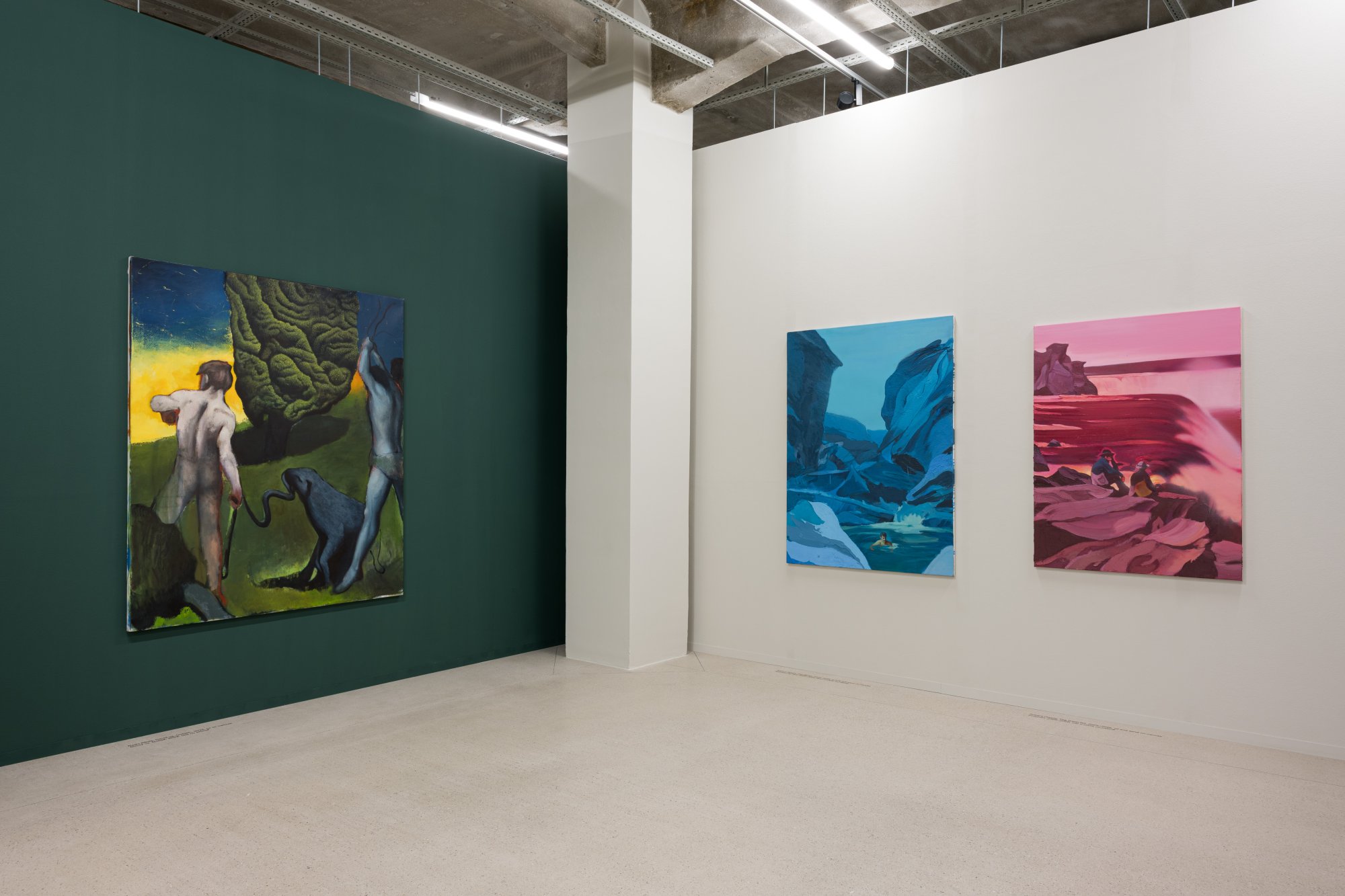
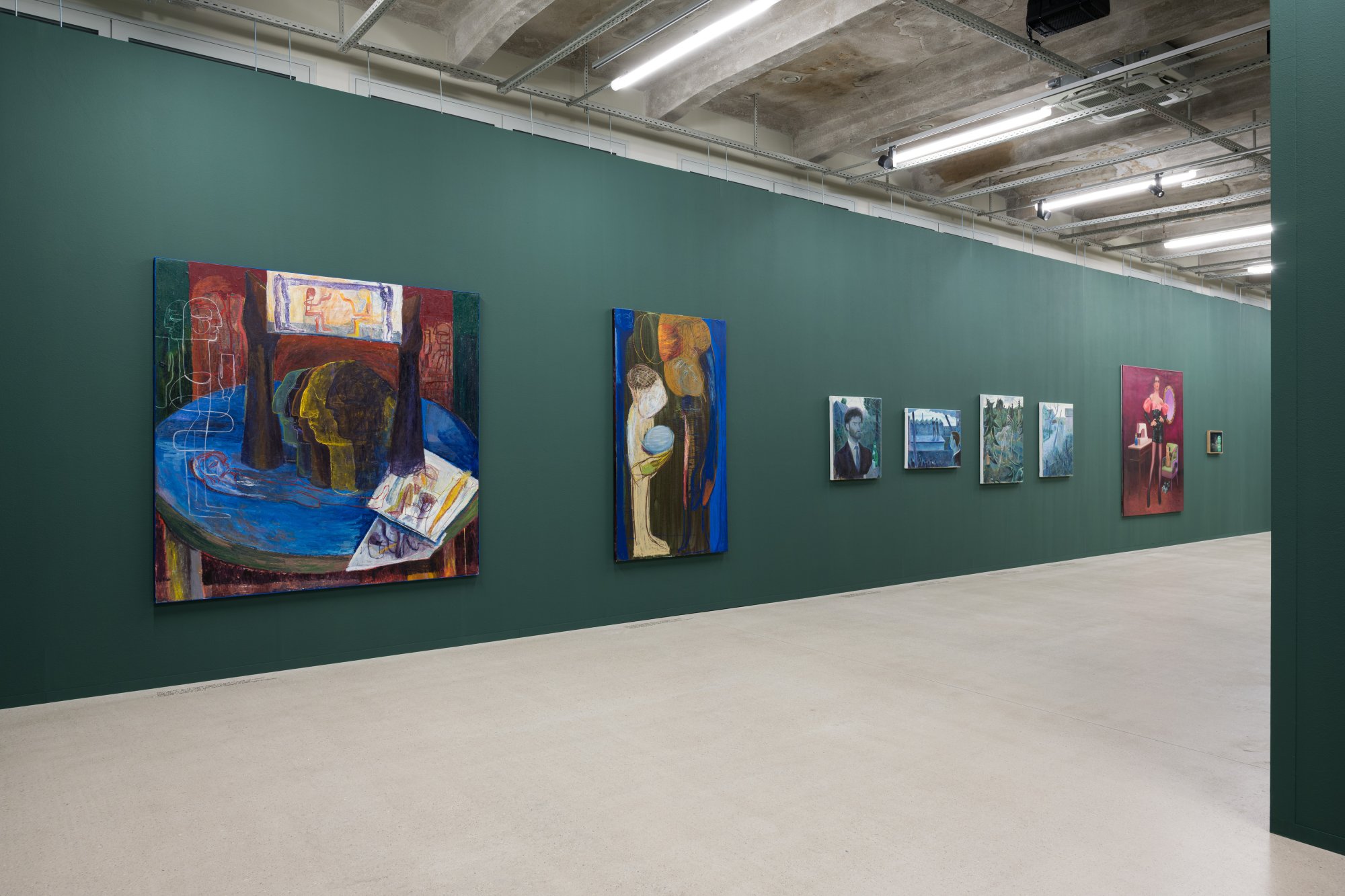
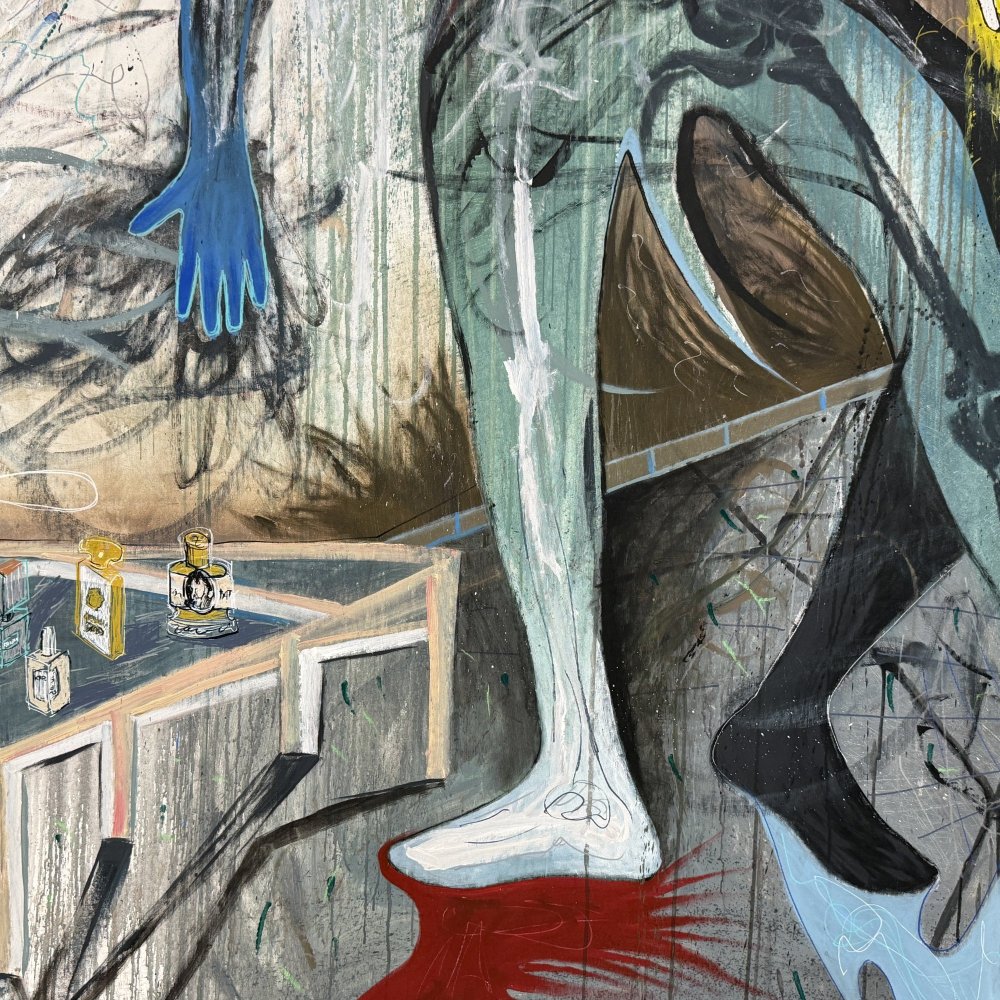
A key concept in his work is so-called false romanticism, through which the artist explores in detail the tension between historical tradition and the visual oversaturation of our time. Fekete openly embraces the legacy of art history, with his most prominent inspiration coming from the aesthetics of Caspar David Friedrich and the motif of the figure with his back turned to the viewer, gazing alone into the landscape. However, whereas Friedrich's figures contemplated the sublimity of nature, Fekete's heroes often gaze into artificial light, into the void or onto glowing surfaces reminiscent of digital screens or projections. In doing so, the artist creates ambiguous narratives about a generation consumed by technological glitz and electric colours, yet in which a profound existential loneliness persists.
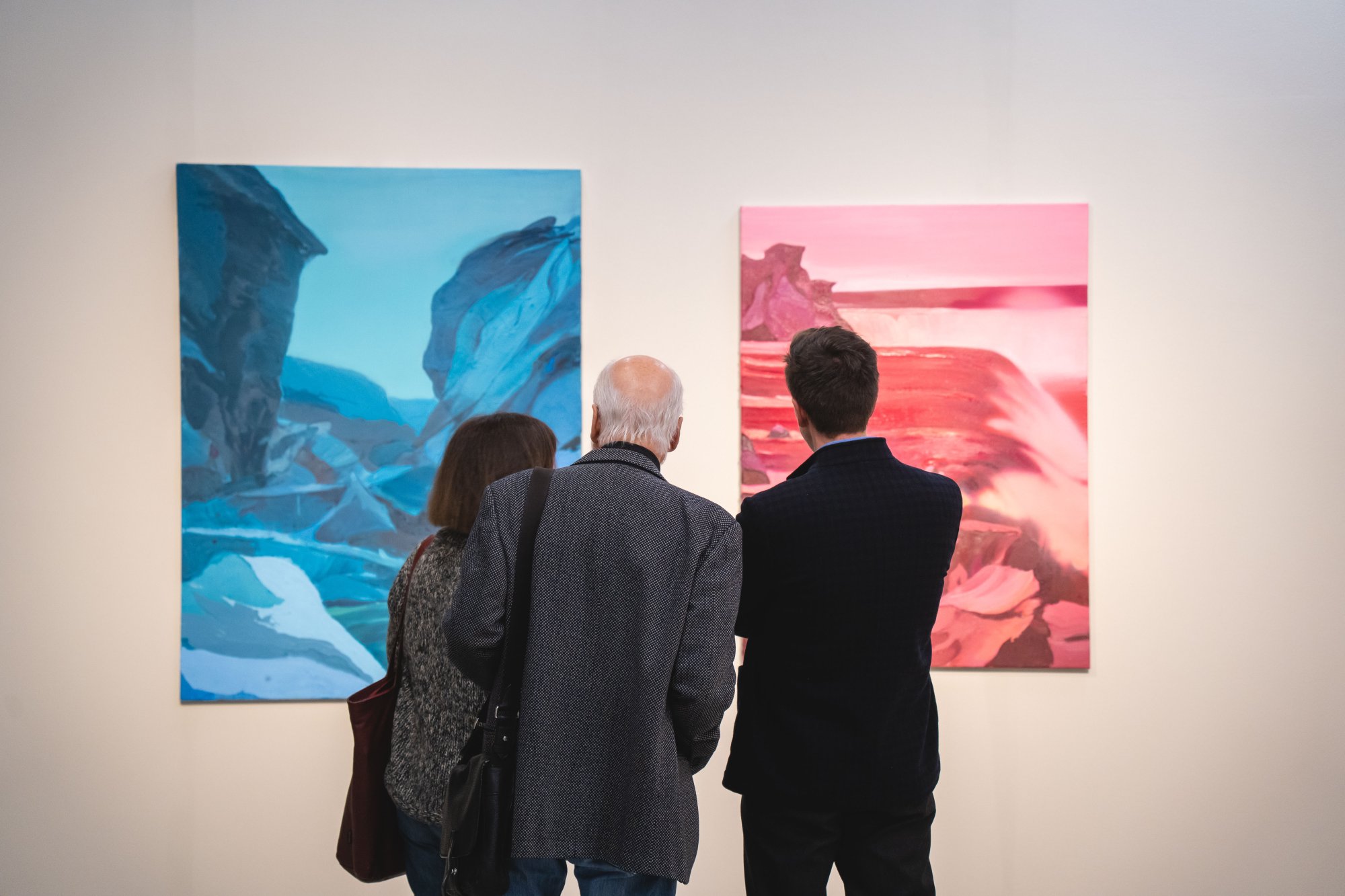
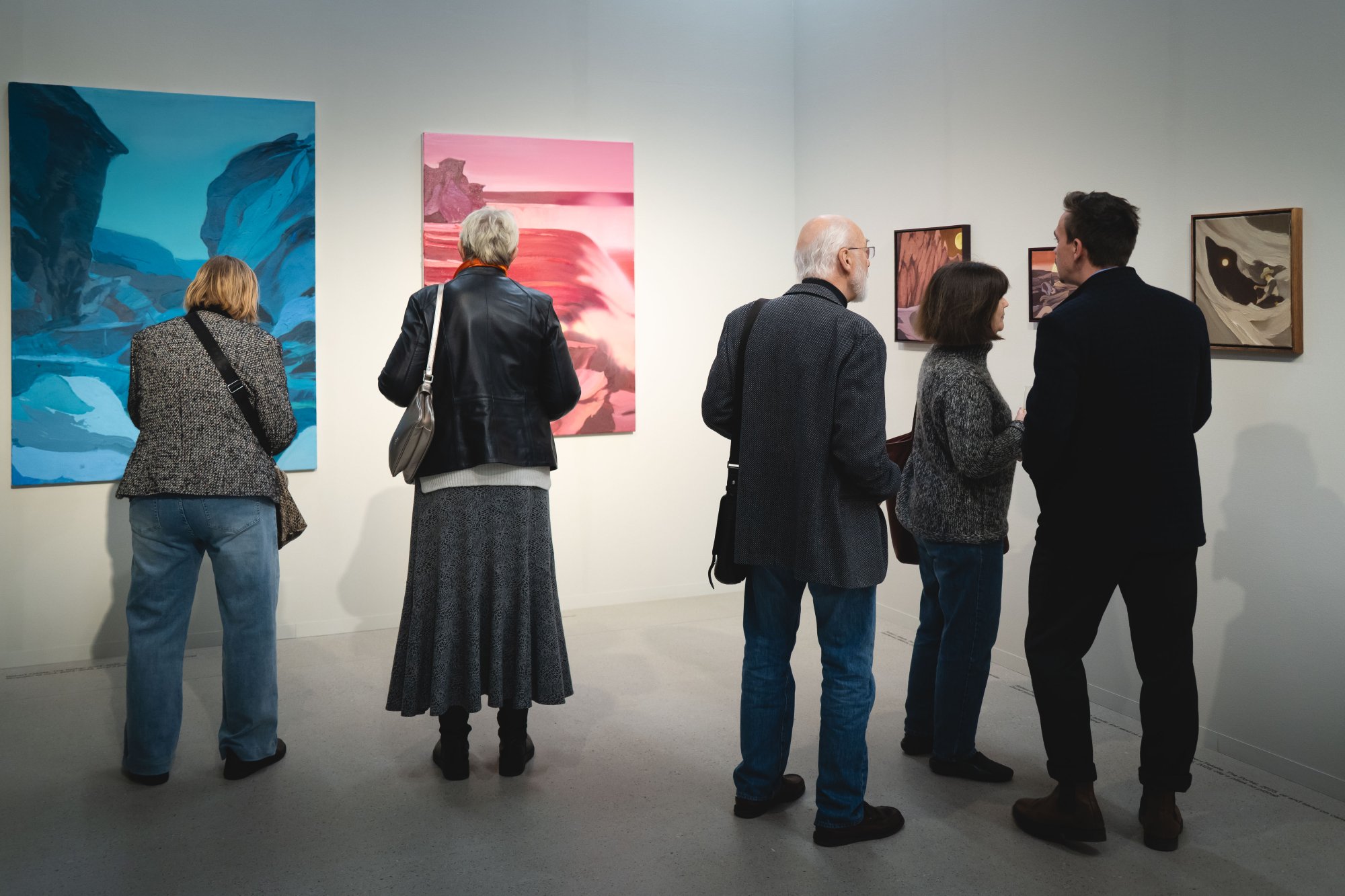
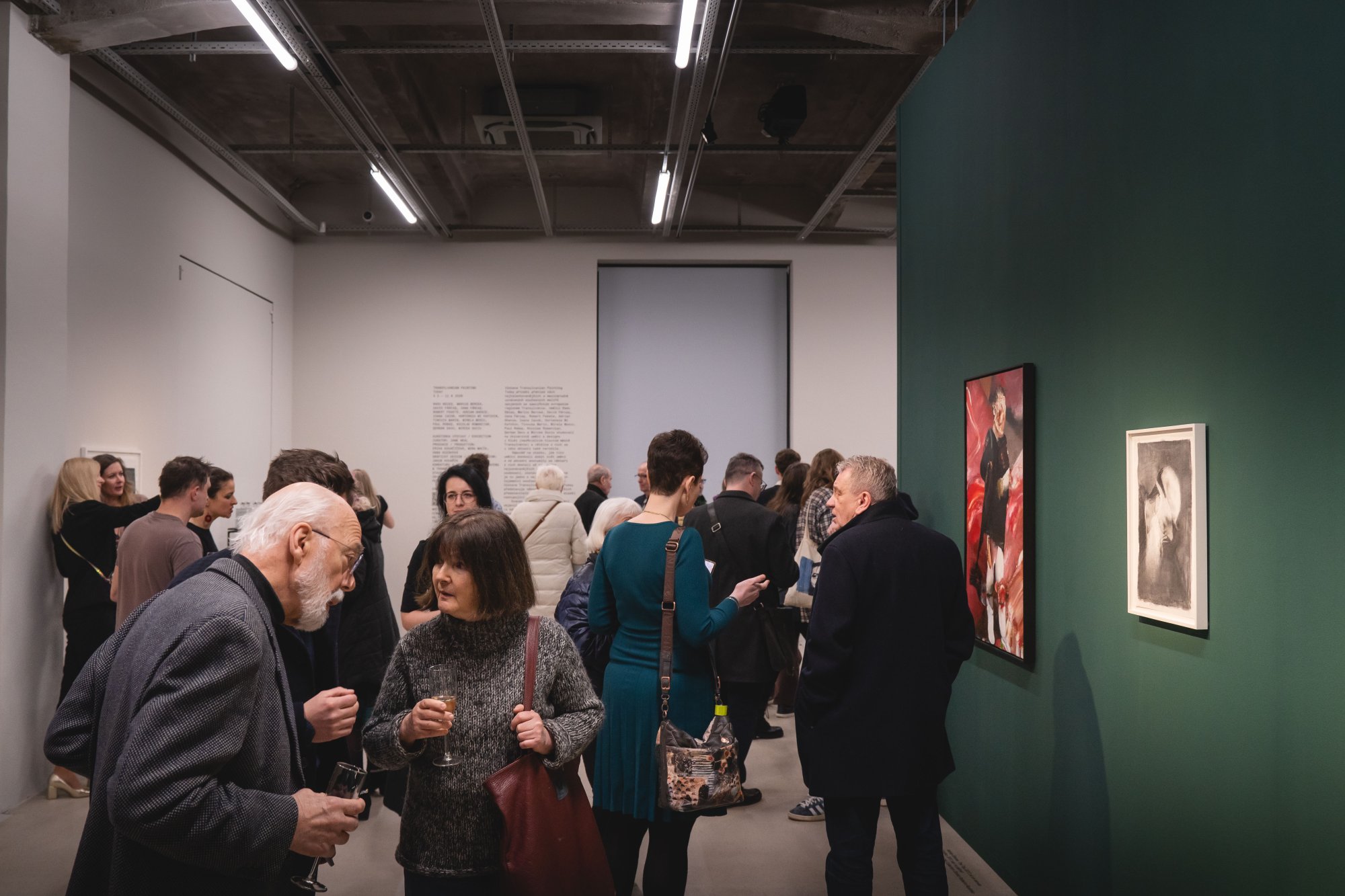
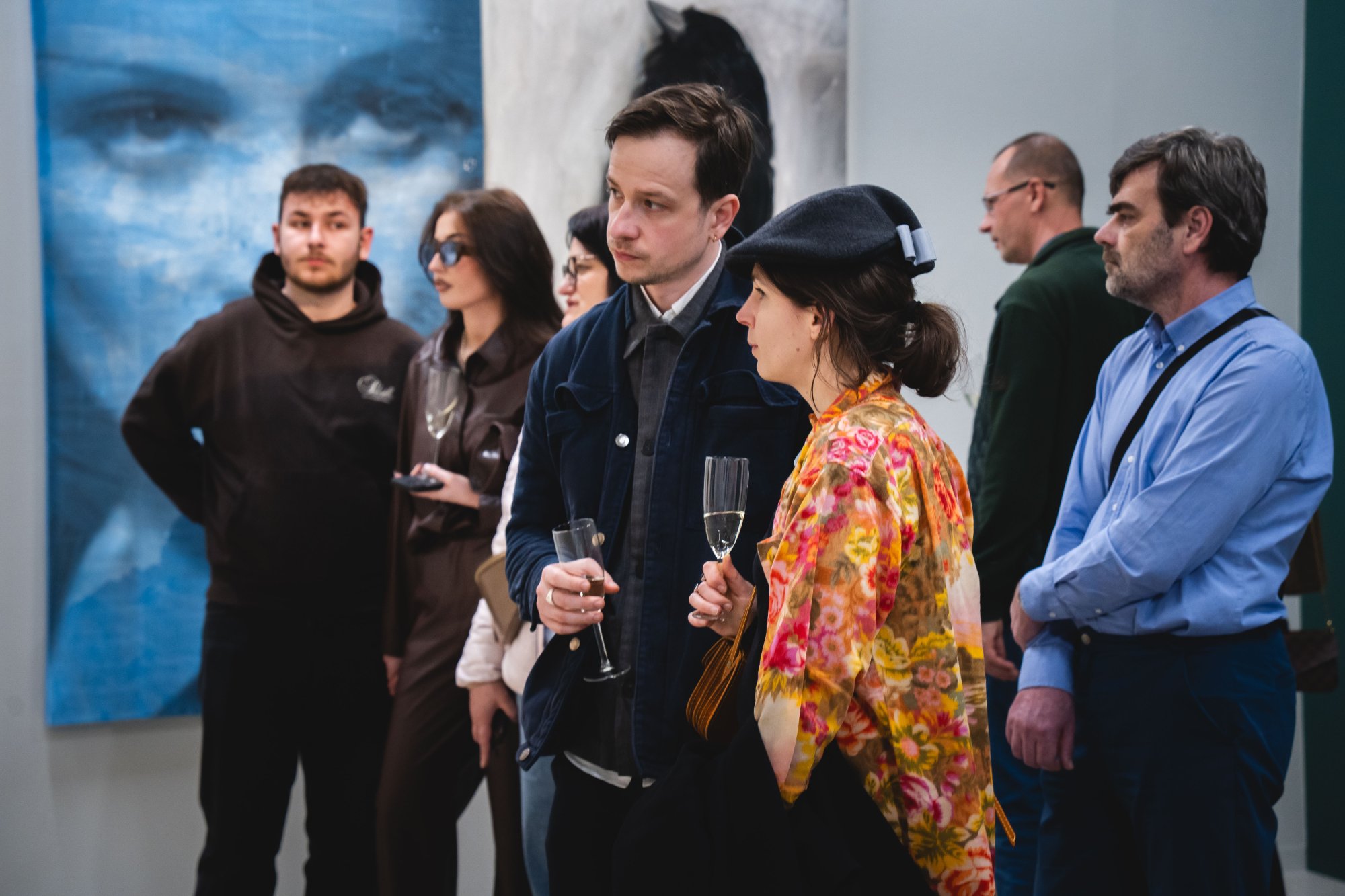
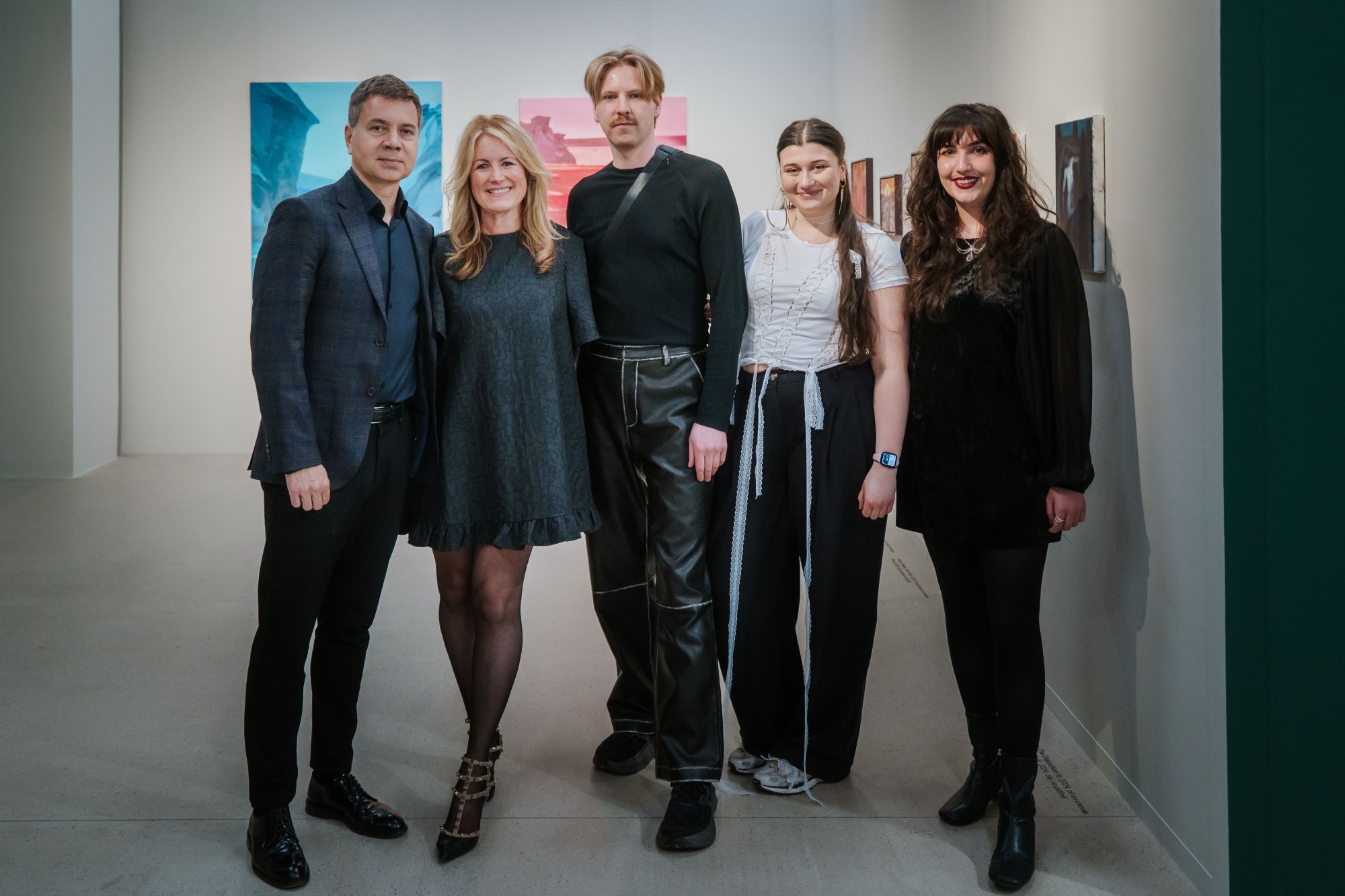
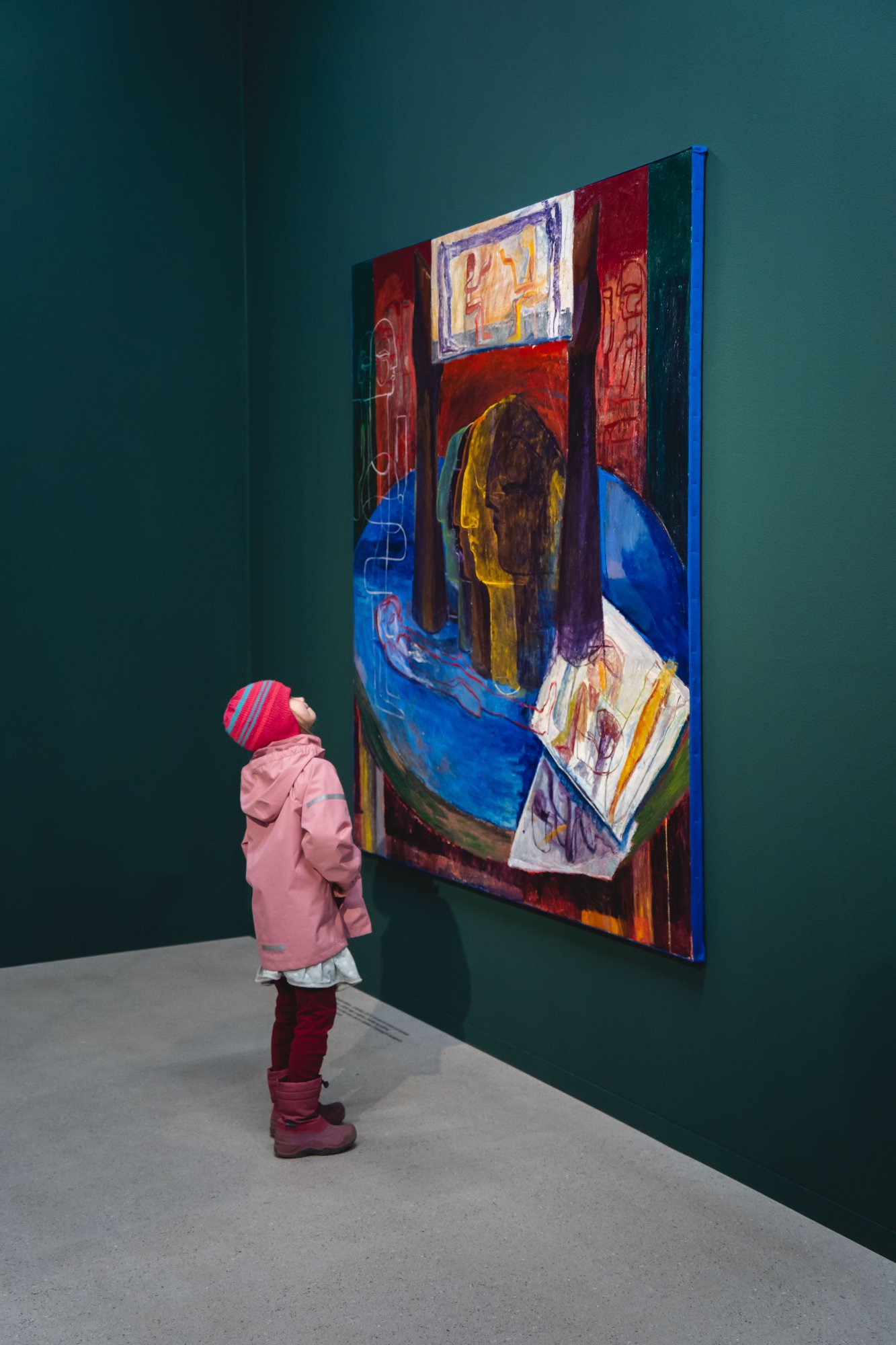
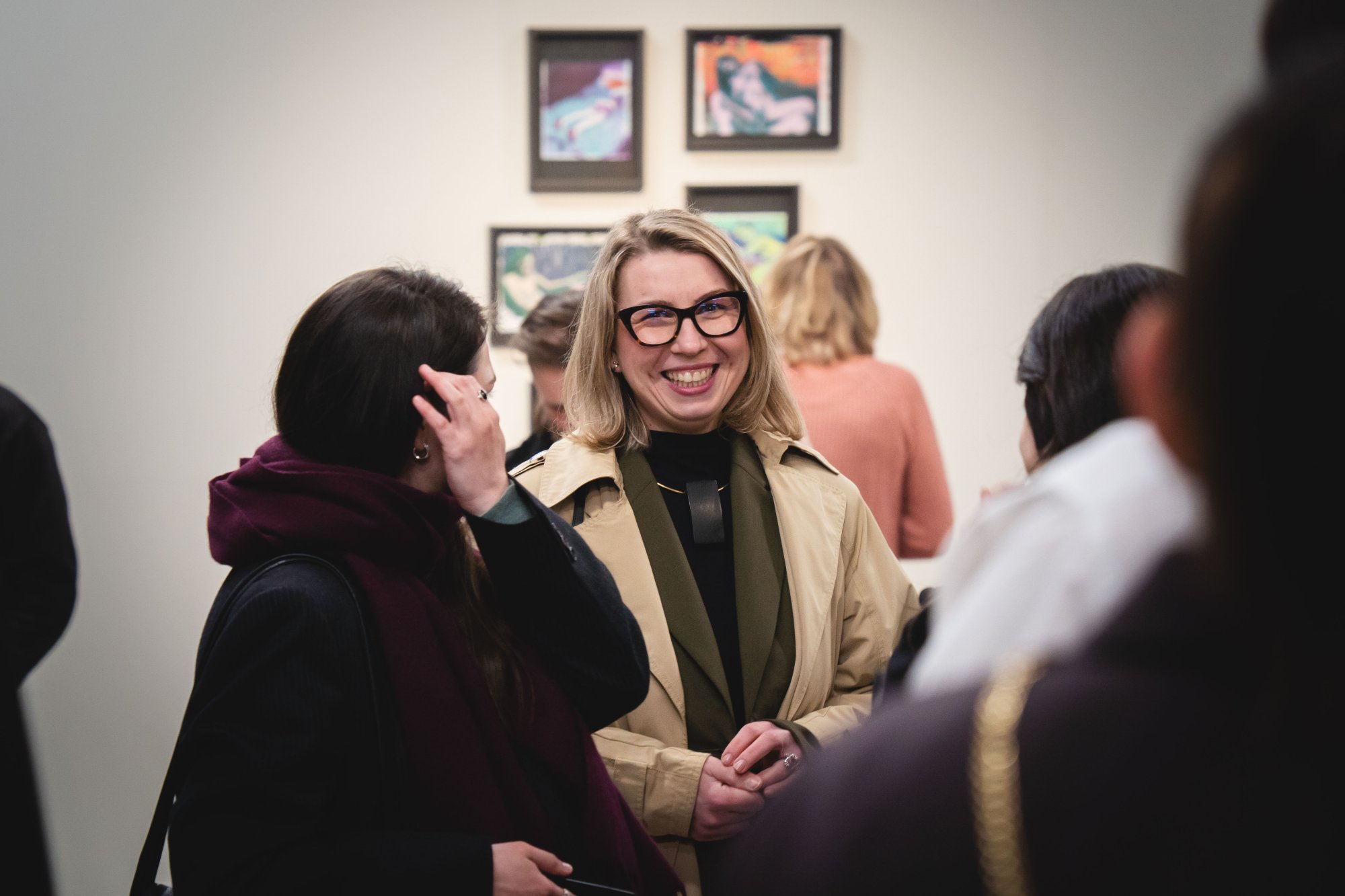
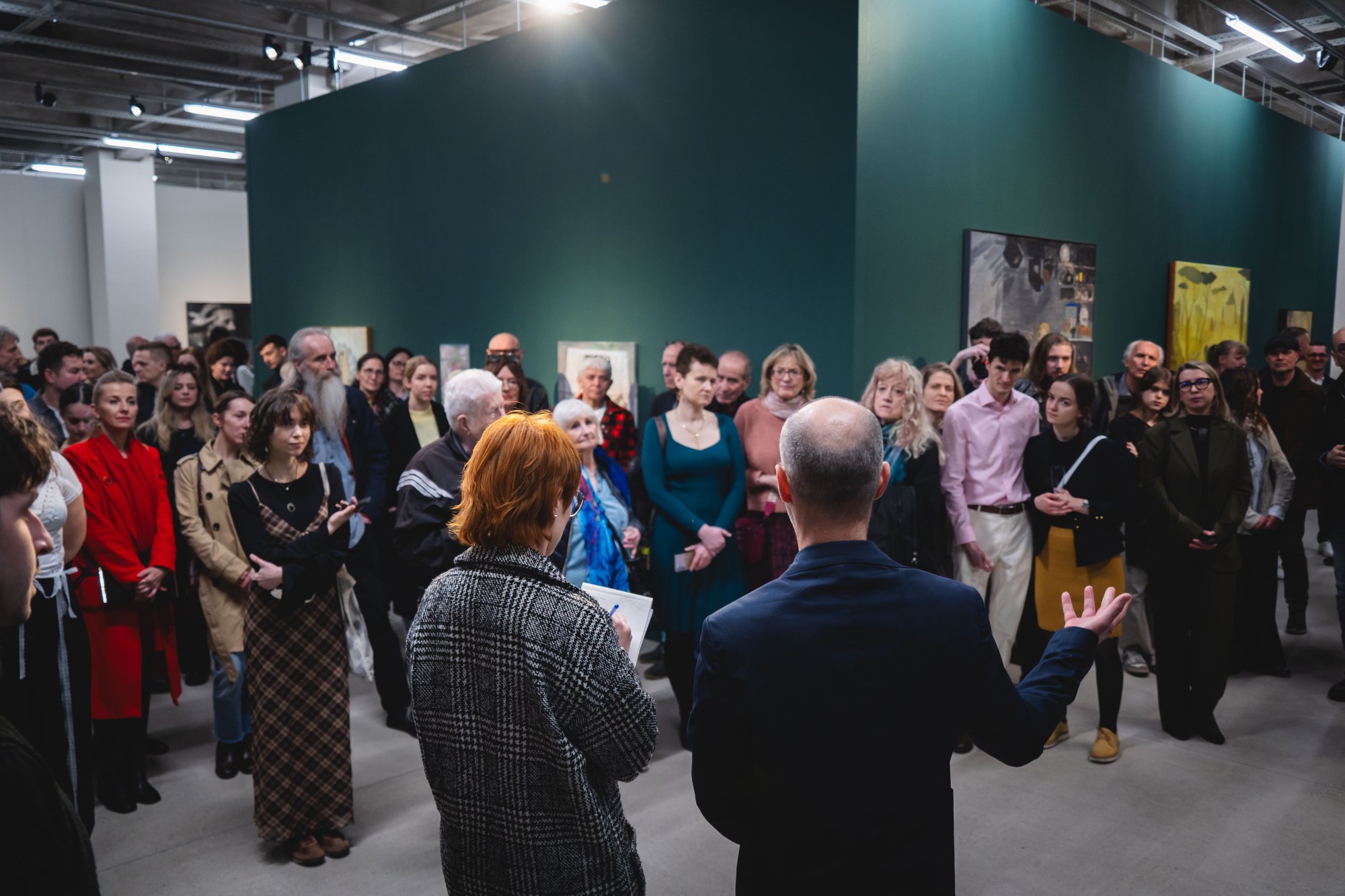
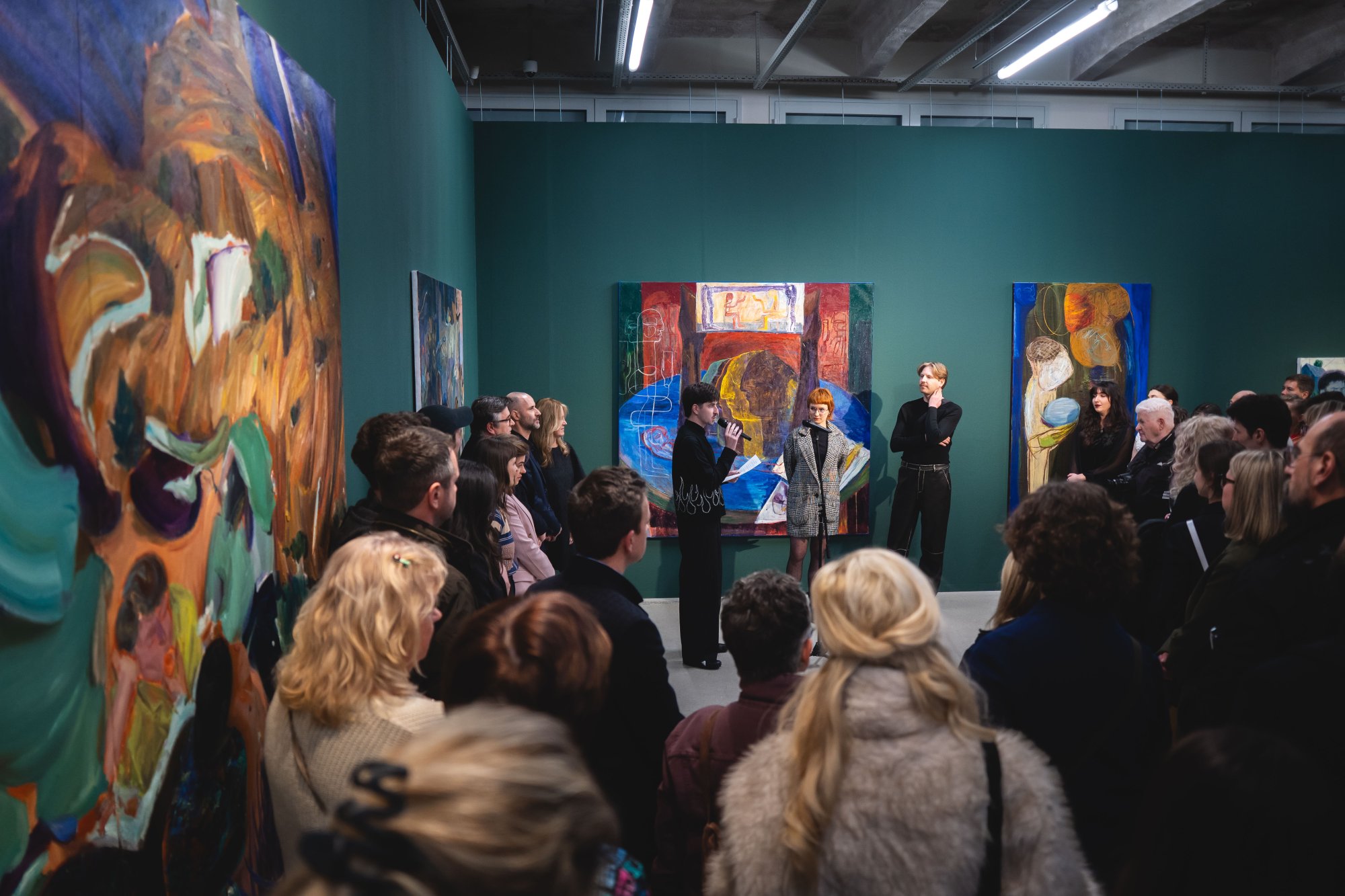
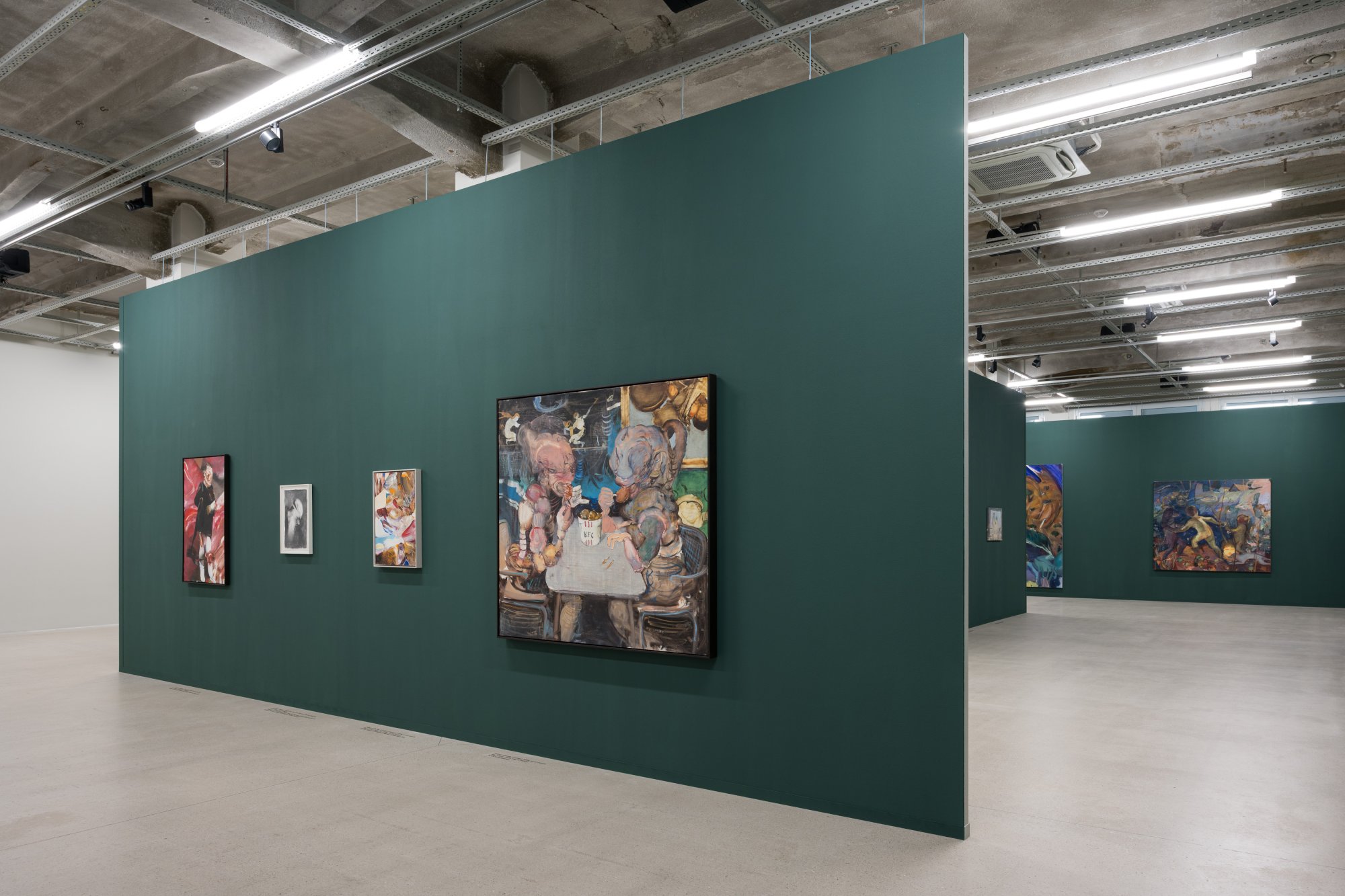
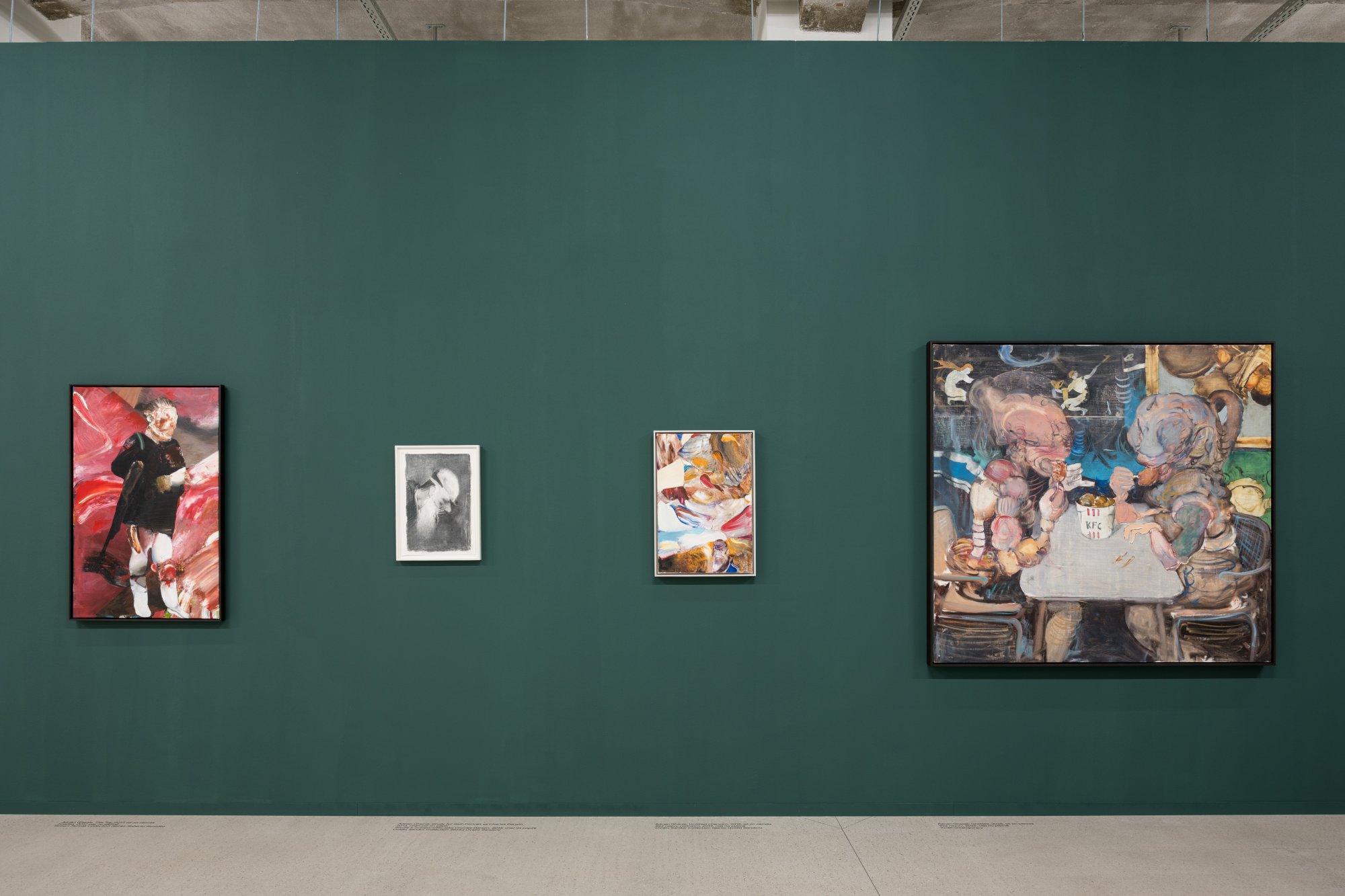
This conceptual approach has evolved gradually across his rich exhibition history. He has already gained international attention with his participation in the Prague Biennale in 2011. A turning point was the Light Hunters exhibition at Tajan ArtStudio in Paris, where he presented canvases with bold neon colours in sharp contrast to the classical painterly form. Subsequent presentations in New York consolidated his position as an artist capable of sovereignly mixing European melancholy with global aesthetics. Robert Fekete's inclusion in the Telegraph Gallery's Transylvanian Painting Today exhibition thus provides a necessary thought-provoking counterpoint. In direct juxtaposition with the darker canvases of his Glaswegian colleagues, his paintings function as visually mesmerising stops. Through his painting, Fekete reminds us that even in an over-technologised world we often remain lonely spectators searching for meaning in our own projections.