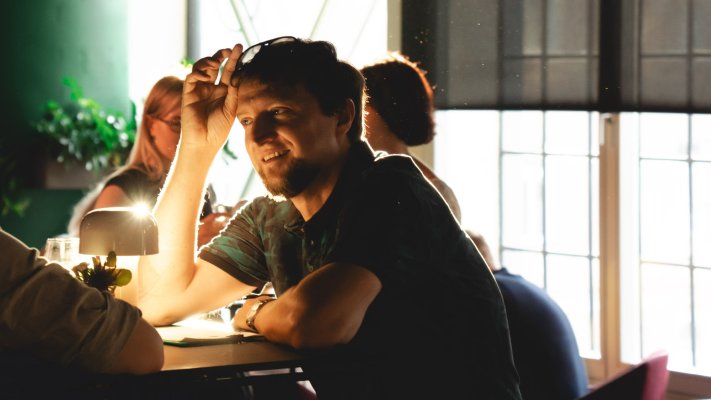
Jan Kudrna graduated in Art History with a focus on cultural and technical monuments and Cultural History from the Faculty of Arts of the University of Ostrava. He was the head of the specialist department at the Gallery of Fine Arts in Ostrava. He is the curator of the Robert Runták Collection and was also at the birth of the Telegraph Gallery, where he served as chief curator until 2021. He currently works as an expert on Czech contemporary art for the Artefin fund. For the past twenty years, he has been engaged in independent curatorial work, especially in the field of painting. He focuses primarily on Czech painting from the 1980s to the present, as well as European painting from the last two decades. He collaborates with, for example, Trafo Gallery, Bold Gallery, Etcetera Auctions or the Kvalitář gallery.
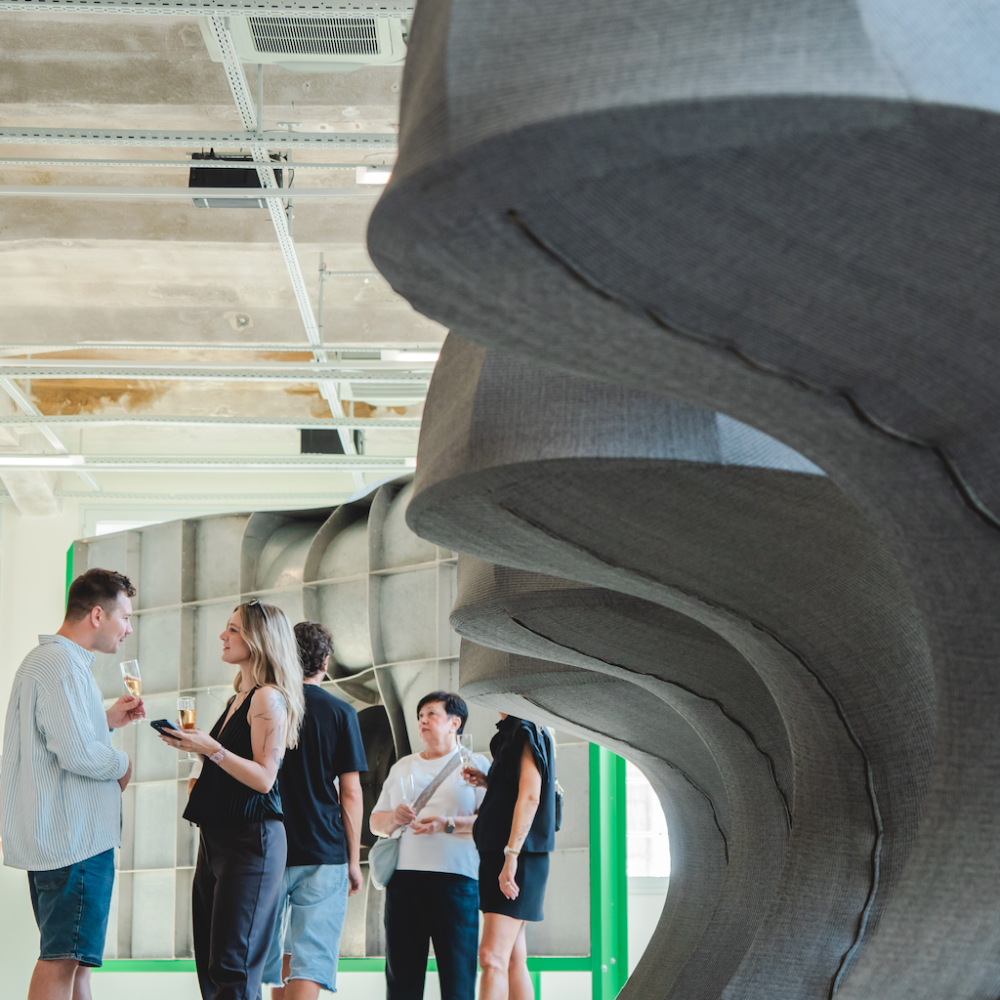
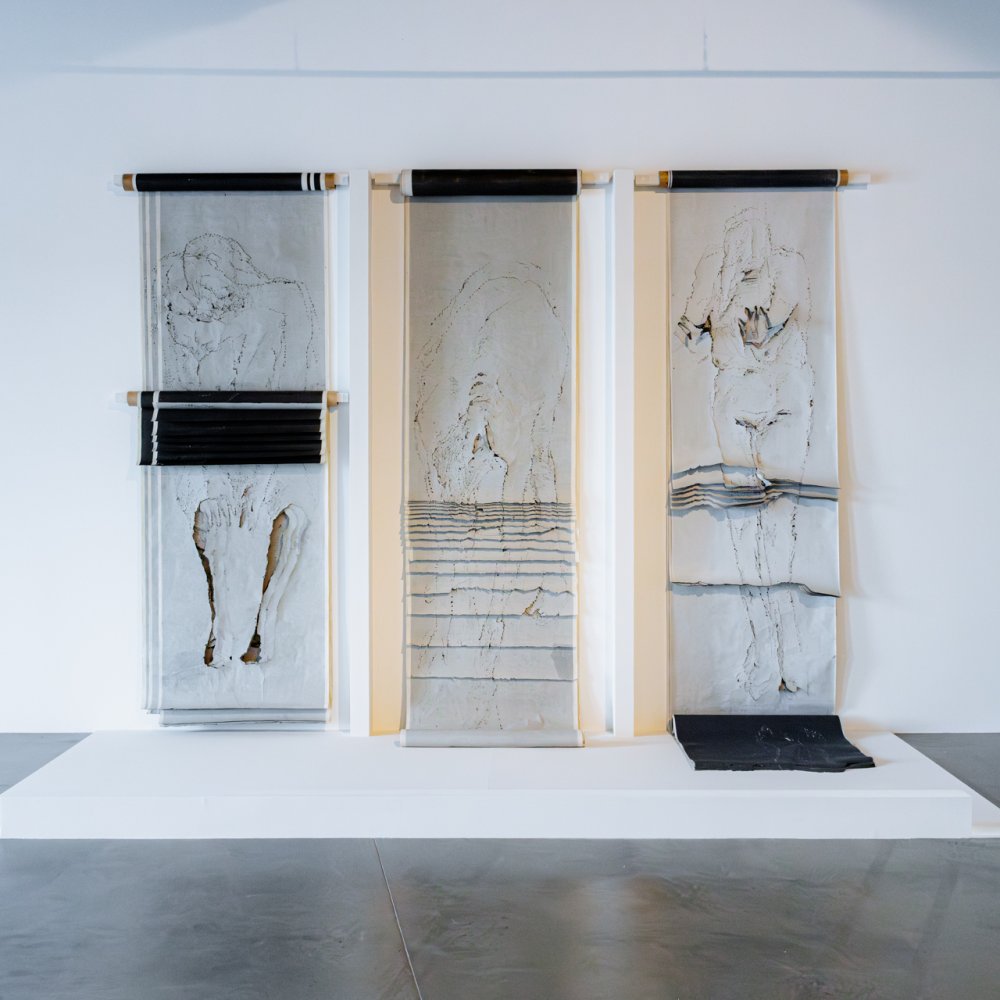
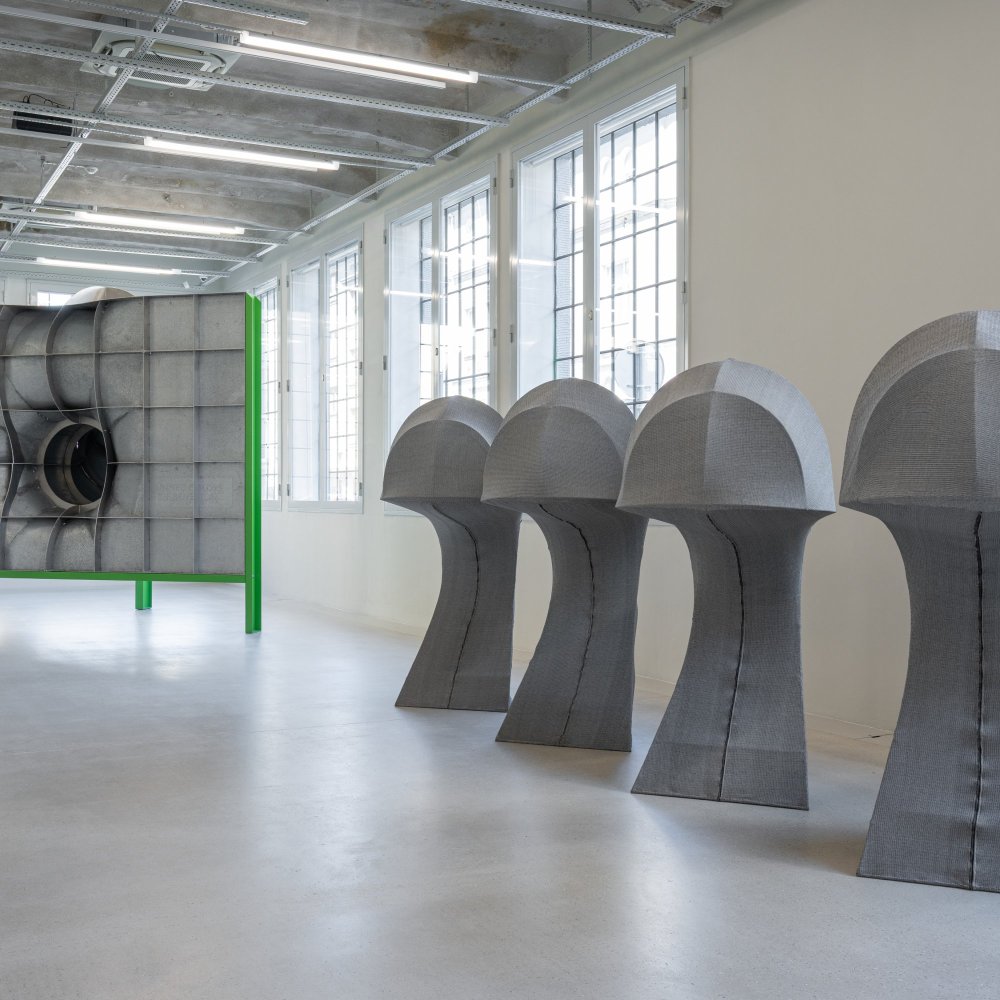
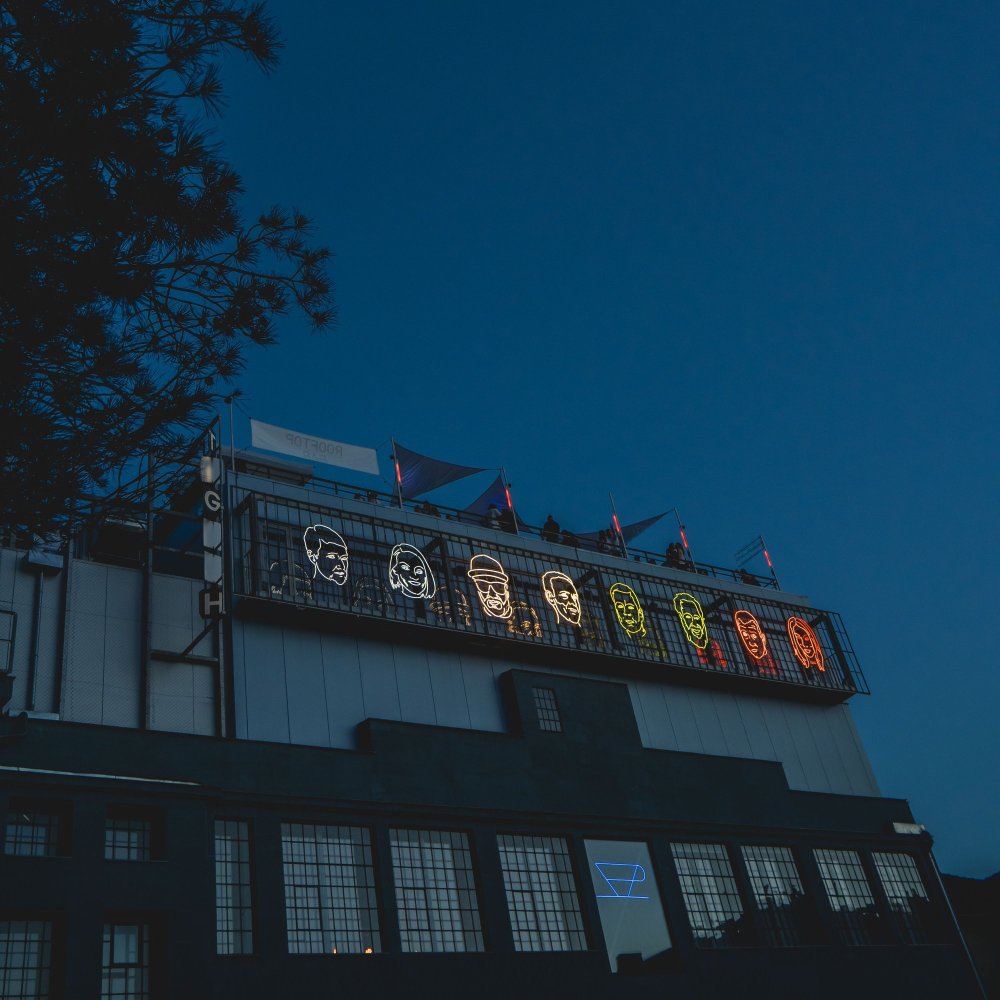
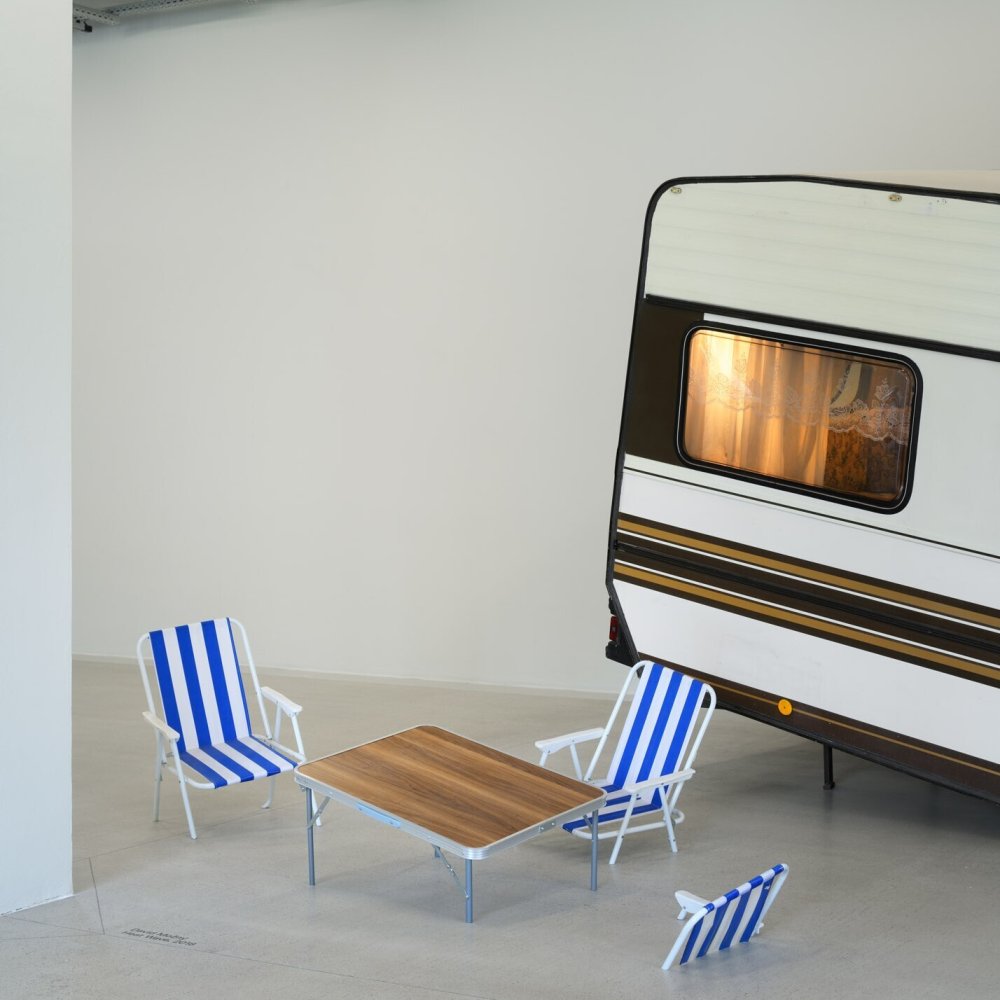
Jan Kudrna is behind the curatorial concept of the Robert Runták Collection and the current exhibition Signal V: A Selection of Objects and Installations from the Robert Runták Collection . In the interview, he talks about the creation of the exhibition, the selection of the exhibited works, and his curatorial approach.
How did the idea of putting together an exhibition specifically from large objects and installations from the Robert Runták Collection come about?
There were several reasons, some of them purely practical. But above all, it was about showing truly iconic works at one time in one place, somewhere other than in some large-scale exhibition at the National Gallery.
The exhibition, subtitled Selection of Objects and Installations from the Robert Runták Collection, is the fifth in the Signal series. How does this exhibition differ from the previous ones?
Previous Signals were about paintings. This time the emphasis is purely on sculpture and installations.
How did you approach the selection of works that should represent not only their authors, but also a certain stage of Czech art after 1989?
The time frame actually came about somewhat spontaneously. With a few exceptions, such as Nepraš or Beránek, the larger spatial works of most authors were only realized after 1989. In general, I wanted to present works that had been exhibited or published many times, and show them in a relatively small space in new mutual contexts.
Was the iconic nature of the individual works more important to you, or their ability to enter into a dialogue with each other?
The most important thing for me was to maintain some balance.
How difficult was it to bring together several installations that were originally created for completely different exhibition conditions into one space? How does the meaning of these works change when they are taken out of their original context and displayed next to each other?
This question should be something everyone in my position should be looking forward to (laughs). It wasn't complicated at all! The reason is simple – all the works are extraordinary, each of them would occupy twice or even three times the space that is currently allocated to it, each finds its place and defends everything around it. There are subtle but also strong connotations that open up the works by placing them next to each other, and that is a certain superstructure or bonus. They say that when you work with extraordinary works, it is very difficult to ruin an exhibition or installation, you would have to be really stupid to do that. It may sound strange, but on the contrary, I perceive it as a joy, not as a difficulty.
Do you think that Czech private collections still underestimate the importance of installations and large-scale works?
As they like to say, it starts "from the top" - the problem is already in the collection-building institutions, where it is often heard that there is a lack of space. The private sector is still learning in this regard. It is not about money, collectors have become incredibly financially strong. But if someone buys art every year for, say, 50 to 100 million crowns, they will not deal with another tens of millions for a depository that will be filled for the next ten years, that does not make sense. I understand this partly, there are 95 percent of investors and buyers in our country and a maximum of 5 percent collectors. While these large works have two to four buyers, paintings up to 100 centimeters in size by the "national artist" have easily fifty buyers. We still have a long way to go, at least for 10 to 20 years.
Is there any connection between the exhibited works that surprised you during the preparations for the exhibition?
Not specifically, probably. But I was really looking forward to the dialogue between the works of Anna Hulačová and Roman Ondak.
Do you think any of the exhibited works are more relevant today than when they were created?
In my opinion, Billboard by Jiří Příhoda and Plumber by Krištof Kintera are very relevant. The first work draws attention to the emptiness of advertising, and the second is about the isolation of the individual from the environment. However, both works have countless layers and their interpretation would take dozens of lines.
How has the ability of Czech art to create truly iconic works changed over the last thirty years?
That's a big question. Time is fast, abundant, attention is scattered, and there is no clear stimulus to inspire authors. There are certainly interesting things being created, but I think we are more likely going through an in-between period.